Wales

Europe · Touring guide

Wales

Coastline, mountains and castles within easy reach for a short UK break.

We’ve been hereCastlesCoast pathAdventure
Photo: Llywelyn2000, CC BY-SA 4.0 source
TimeSame time as the UK
Typical stay3 to 7 nights
CurrencyPound sterling (£)
How we book itBuilt by us

Is it right for you?

Who Wales suits

A strong fit for

Short breaks, walking and family trips.

We would think twice for

Travellers who want their adventure sanitised, because Wales does its mountains, zip lines and sea cliffs in earnest, and its weather is part of the terms and conditions.

What we would want you to know

Rural roads can add real time to a short-looking journey.

We’ve been here

From our Yorkshire base, North Wales is closer than many clients realise, and our own time in Wales shapes how we plan it. The north suits a long weekend of castles and mountains, while Pembrokeshire is a week's commitment that we would never squeeze into three days.

The route

A week of castles, mountains and the Llŷn

  1. Nights 1 and 2

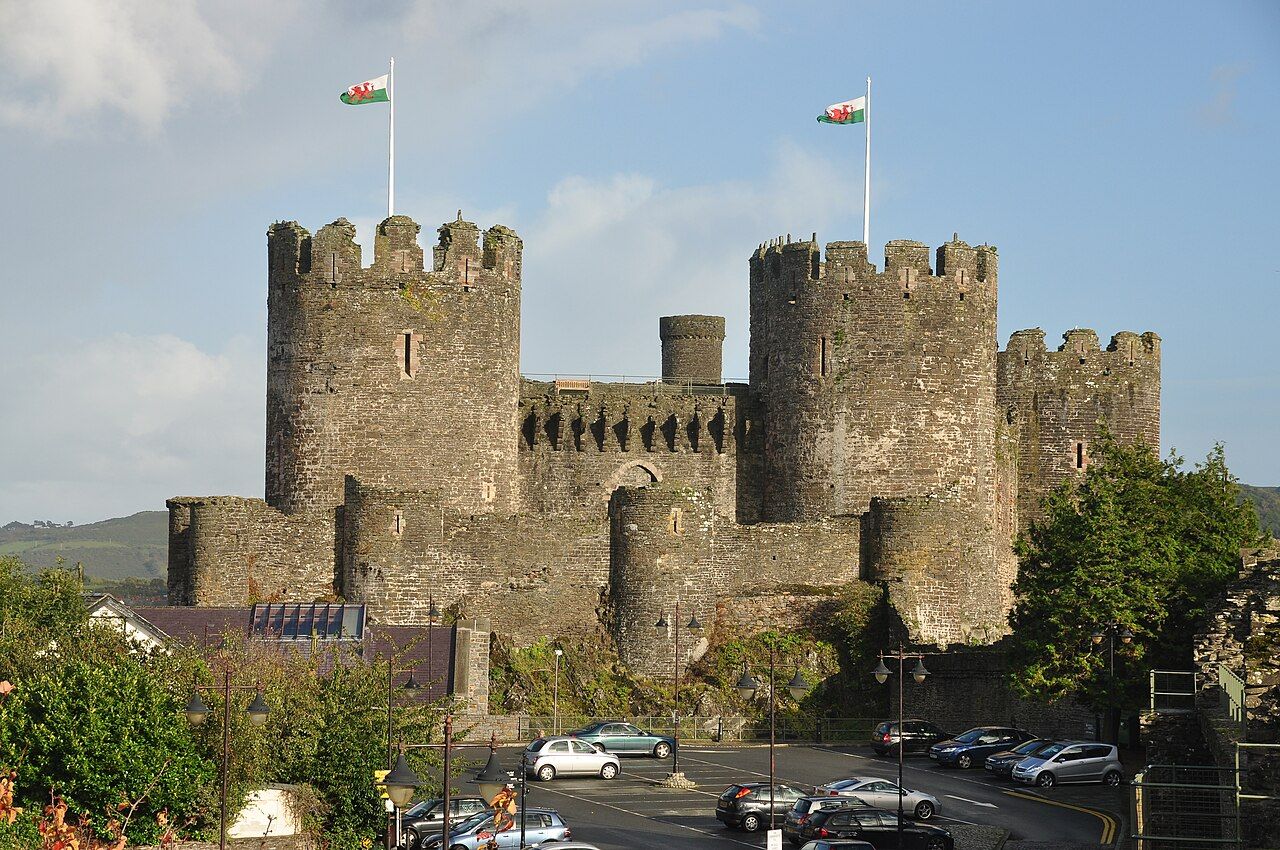
    Conwy

    Walk the town walls and the castle, then spend a day crossing to Anglesey for Beaumaris and the views over the Menai Strait.

  2. Nights 3 to 5

    Betws-y-Coed

    Climb Yr Wyddfa or take the railway up if the forecast is clear, visit Caernarfon Castle, and keep the zip lines or a slate museum for a wet day.

  3. Nights 6 and 7

    Llŷn Peninsula

    Stop at Portmeirion and ride the Ffestiniog Railway from Porthmadog on the way west, then finish with beach days and the coast path out to Aberdaron.

An idea to react to, not a fixed package. We shape the real thing around your dates, your pace and what the flights are doing that season.

Map and stops

The places on the route

1

Conwy

CastlesShort breaksWalkable

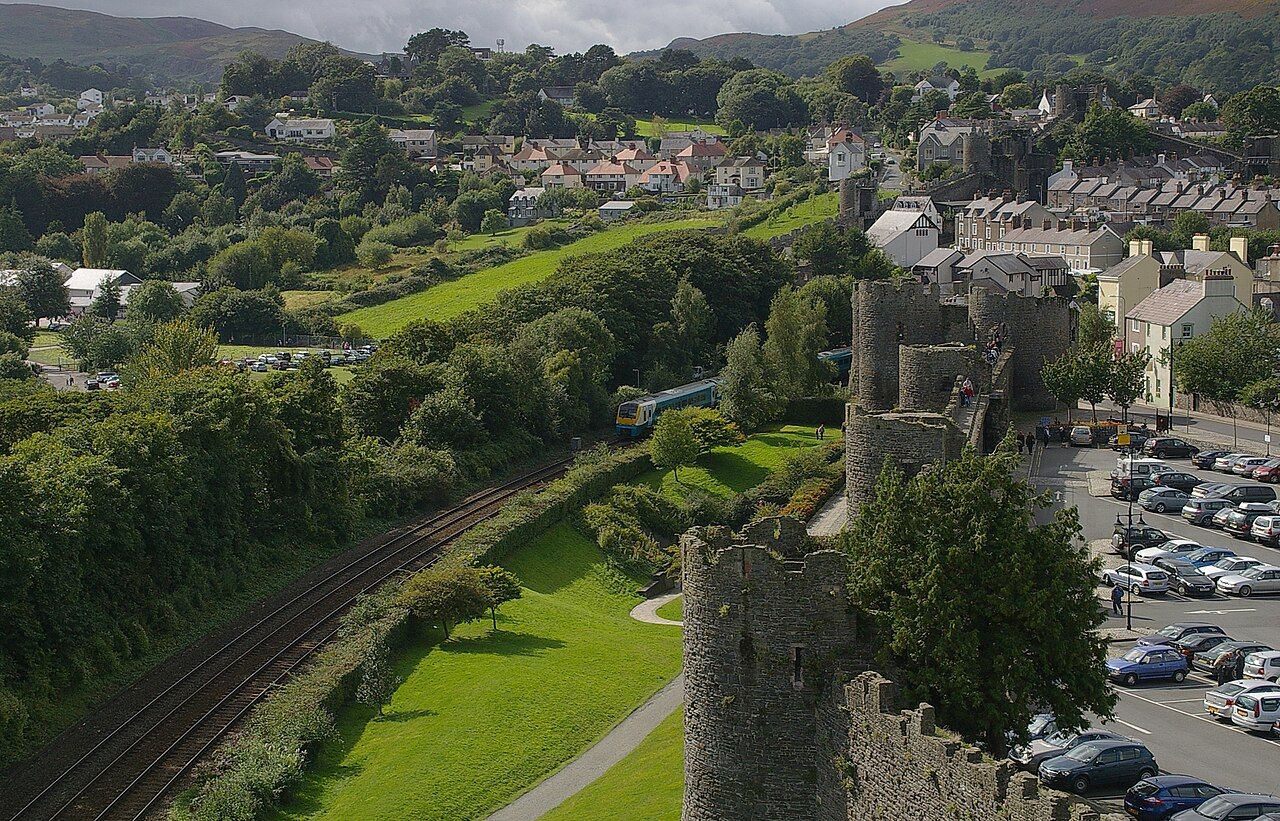
A walled medieval town at the mouth of the Conwy river, dominated by its castle and ringed by walls you can walk along. It is compact and easy on foot, with a small harbour and good pubs, and makes a gentle first stop from the north of England. Parking inside the walls is tight.

2

Betws-y-Coed

WalkersActive familiesMountain access

The village gateway to Eryri, the national park once called Snowdonia, with forest walks, waterfalls and outdoor shops. It suits walkers and active families who want the mountains close. Summer weekends bring traffic jams through the village, and rain is part of the arrangement.

3

Llŷn Peninsula

FamiliesSailingQuiet coast

A Welsh-speaking finger of land pointing into the Irish Sea, with sandy bays around Abersoch and a wilder tip at Aberdaron, looking across to Bardsey Island. It suits families and sailors in summer. Out of season it is very quiet, and many cafés and shops close.

4

Anglesey

Coastal walksFamiliesSea air

The island across the Menai Strait, with the Georgian seafront and castle at Beaumaris and wide beaches such as Newborough, which leads to the tidal island of Llanddwyn. Flatter and gentler than the mainland, it suits walkers who want sea air rather than summits.

5

St Davids

Coast pathSurfersWildlife

A village-sized city with a cathedral tucked into a hollow and the coast path on its doorstep, plus the surfing beach at Whitesands and boats to Ramsey Island. Places to stay are limited and small, so summer dates book early, and the drive from the north is long.

6

Tenby

FamiliesBeachesHarbour town

A walled harbour town of pastel houses and sandy beaches, an easy base for families, with boats across to Caldey Island's monastery. In August the streets are packed and parking is hard, so a hotel or cottage within walking distance of the town pays off.


Weather and seasons

When to go to Wales

Wales rewards long light and dry paths more than heat. Late spring gives clear mountain days before the summer crowds, and Pembrokeshire's sea warms slowly to around 17°C by August. The school holidays fill Tenby's beaches and put queues on the summit paths of Yr Wyddfa, so early starts matter. September is often settled, and from late summer into autumn grey seal pups appear on Pembrokeshire's quieter coves. Winter brings storms, bare hills and warm pubs, with the south-west coast staying mild at around 9°C, while Eryri collects some of the heaviest rain in Britain. The mountain railway usually reaches the summit of Yr Wyddfa only from late spring to autumn.

Worth timing a trip around

1 March

St David's Day

Wales celebrates its patron saint with parades, daffodils, leeks and bowls of cawl, with the biggest gatherings in Cardiff and St Davids.

Late May to early June

Hay Festival

The book town of Hay-on-Wye hosts a big literature festival of talks and readings. Rooms for miles around sell out months ahead.

Late July

Royal Welsh Show

Wales's great agricultural show at Llanelwedd, near Builth Wells, with livestock, food halls and country sports. Roads nearby are very busy.

Early August

National Eisteddfod

A week-long festival of Welsh music, poetry and culture that moves to a different town each year. Visitors are welcome, and English translation is available.

Daytime high to night-time low Sea temperature Rainfall
January: 116 mm of rainFebruary: 81 mm of rainMarch: 79 mm of rainApril: 40 mm of rainMay: 56 mm of rainJune: 50 mm of rainJuly: 62 mm of rainAugust: 99 mm of rainSeptember: 97 mm of rainOctober: 125 mm of rainNovember: 95 mm of rainDecember: 145 mm of rainJanuary: highs 9°C, lows 5°CFebruary: highs 9°C, lows 5°CMarch: highs 10°C, lows 5°CApril: highs 13°C, lows 6°CMay: highs 16°C, lows 9°CJune: highs 18°C, lows 12°CJuly: highs 20°C, lows 13°CAugust: highs 19°C, lows 14°CSeptember: highs 18°C, lows 12°COctober: highs 15°C, lows 10°CNovember: highs 12°C, lows 7°CDecember: highs 10°C, lows 6°CJanuary: sea 9°CFebruary: sea 8°CMarch: sea 8°CApril: sea 9°CMay: sea 11°CJune: sea 13°CJuly: sea 15°CAugust: sea 17°CSeptember: sea 16°COctober: sea 15°CNovember: sea 13°CDecember: sea 10°C9°5°J9°5°F10°5°M13°6°A16°9°M18°12°J20°13°J19°14°A18°12°S15°10°O12°7°N10°6°D
See the numbers
MonthHighLowSeaRain
January9°C5°C9°C116 mm
February9°C5°C8°C81 mm
March10°C5°C8°C79 mm
April13°C6°C9°C40 mm
May16°C9°C11°C56 mm
June18°C12°C13°C50 mm
July20°C13°C15°C62 mm
August19°C14°C17°C99 mm
September18°C12°C16°C97 mm
October15°C10°C15°C125 mm
November12°C7°C13°C95 mm
December10°C6°C10°C145 mm

Temperatures are 2015 to 2024 averages from NOAA records for Milford Haven Conservancy Board, 24 km away at 32 m. Rainfall is from Pembry Sands, 24 km away and shows the typical (median) month, so one freak storm does not skew it. Sea temperatures: NOAA OISST, 1991 to 2020.

Things to do

Things to do in Wales

AdventureA

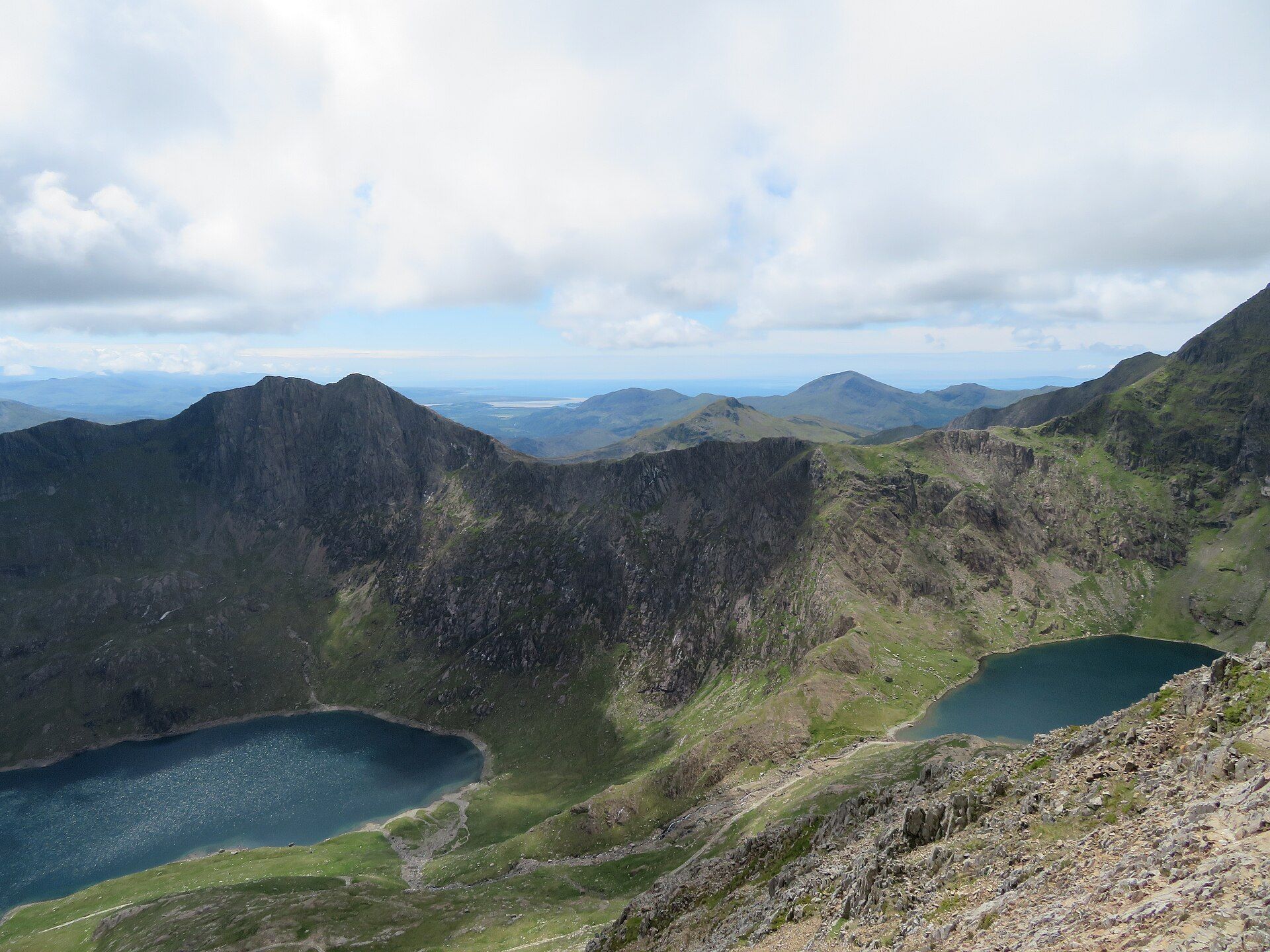
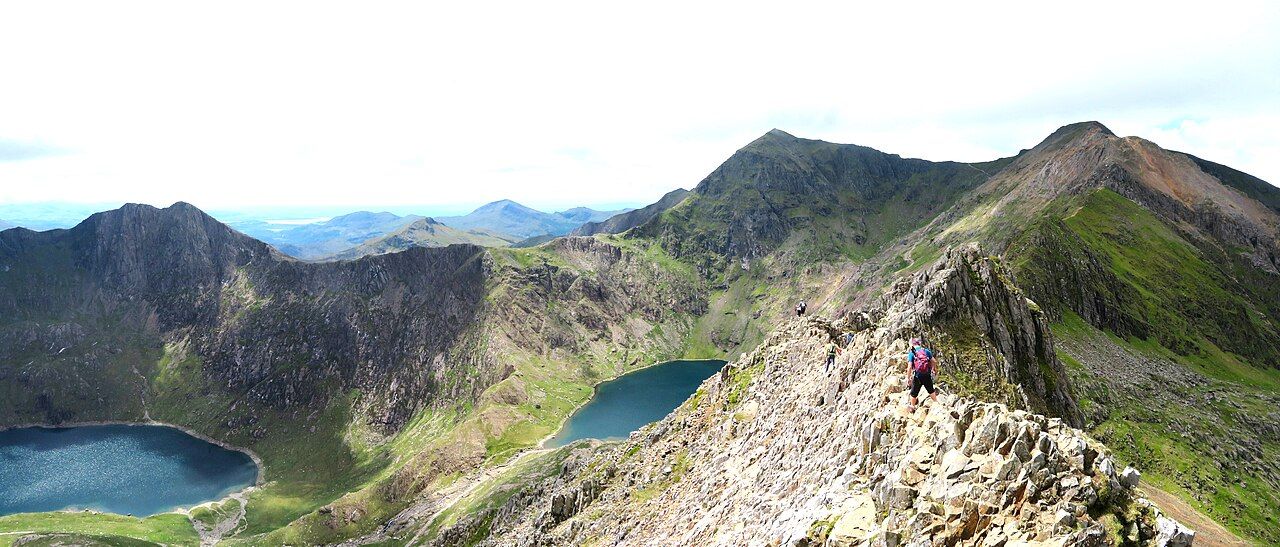
Yr Wyddfa (Snowdon)

The highest mountain in Wales, climbed by several paths or reached by the mountain railway from Llanberis. The summit is often in cloud when the valleys are clear, so go early and pack for mountain weather.

HistoryB

Caernarfon Castle

Edward I's great fortress on the Menai Strait, with banded stone walls and polygonal towers. It is part of a UNESCO listing with Conwy, Harlech and Beaumaris, and its wall walks involve plenty of spiral stairs.

CultureC

Portmeirion

An Italianate fantasy village built on a wooded peninsula, painted in pastel colours and famous from the 1960s series The Prisoner. There is an entry charge, and it is at its best early, before the coaches.

AdventureD

Slate quarry zip lines

Long, fast zip lines fly over the old slate quarries of Eryri. Weight and age limits apply, and high winds can cancel rides, so keep a spare day if it matters to you.

Day tripsE

Ffestiniog Railway

Narrow-gauge steam trains climb from Porthmadog harbour to the slate town of Blaenau Ffestiniog through woods and mountain scenery. A good choice for grandparents and small children alike.

BeachesF

Barafundle Bay

A sandy cove backed by dunes and pines, reached on foot from Stackpole Quay over the clifftop. There are no facilities on the beach, so carry everything you need, including water.

On the water

Coasteering

Pembrokeshire is where coasteering took off: scrambling, swimming and jumping along the rocky coast in wetsuits and helmets with a qualified guide. Book ahead in summer.

WildlifeG

Puffins on Skomer

From late spring to midsummer, puffins nest in their thousands on this island nature reserve. Landings are limited and boats do not sail in rough seas, so book where you can and stay flexible.

NatureH

Pen y Fan

The flat-topped summit of Bannau Brycheiniog, the national park once called the Brecon Beacons. The main path is busy at weekends, and the weather turns fast on the exposed ridge.

Food and drink

What to eat and drink

  • Cawl

    A slow-cooked broth of lamb, leeks and root vegetables, the national dish, often served with bread and a wedge of cheese.

  • Welsh cakes

    Flat griddle cakes dotted with currants and dusted with sugar, eaten warm with a cup of tea.

  • Bara brith

    A fruit loaf made with dried fruit soaked in tea, sliced and buttered in every tea room.

  • Welsh rarebit

    Far more than cheese on toast: a thick sauce of cheese, ale and mustard grilled until bubbling.

  • Laverbread with cockles

    Seaweed cooked down to a dark purée, fried with cockles and bacon for a traditional south Wales breakfast.

Money

What Wales costs

Wales costs less than the Lakes or Cornwall for comparable scenery, and self-catering cottages are the value choice, particularly for families and groups. The money goes on the adventures, from zip lines to coasteering and surf lessons, which are worth booking ahead in summer. Coming out of season cuts cottage prices sharply without taking anything away from the castles or the coast.

Flights and transfers

Getting to Wales from the UK

From Yorkshire it is a straightforward drive west: North Wales inside two to three hours, Pembrokeshire a proper journey deserving a week. The scenic railways, from Ffestiniog to the Snowdon Mountain Railway, are attractions in their own right.

Practical details

Know before you go

Time

Same time as the UK

Currency

Pound sterling (£)

Language

Welsh and English; road signs are bilingual

Plugs

Type G, 230V

Driving

On the left

Tap water

Safe to drink

Tipping

Around 10 percent in restaurants; not expected at the bar

Questions we get asked

Wales FAQs

Which is the easiest path up Snowdon?+

The Llanberis Path is the longest but the most gradual, following the line of the mountain railway from the village. It is still a full mountain day, so wear boots, carry waterproofs and turn back if the cloud comes down. The railway is the gentle alternative when it is running.

Do you need to book parking for Snowdon?+

At Pen-y-Pass, the start of the popular Pyg and Miners' tracks, yes: in busy periods the car park has to be booked ahead. The alternative is to park in the valley and use the Sherpa'r Wyddfa bus, which links the main paths.

Is North Wales or Pembrokeshire better for a family beach holiday?+

For beaches, Pembrokeshire: Tenby and the south coast have more sandy bays and gentle water. North Wales suits families who want mountains, castles and steam trains with some beach time, and it is a much shorter drive for anyone coming from Yorkshire or Lancashire.

Do people speak Welsh in Wales?+

Yes, and in Gwynedd and Anglesey it is the everyday language for many people. Everyone also speaks English, and road signs are bilingual. A cheerful diolch, meaning thank you, is always well received.

What can you do on a rainy day in North Wales?+

Plenty. The National Slate Museum in Llanberis is free, the castles are atmospheric in any weather, and the underground slate mine tours at Blaenau Ffestiniog stay dry whatever the sky is doing. Keep the mountain days flexible and swap them in when the forecast clears.

How long do you need in Pembrokeshire?+

At least four or five nights, because getting there from northern England takes most of a day. A week lets you split the time between Tenby's beaches and the wilder coast around St Davids.

Your world, your way

Thinking about Wales?

Tell us roughly what you have in mind. We will compare the flights, hotels, routes and operators, explain the trade-offs and build the version that works for you.

Start your trip