
Ireland

Europe · Touring guide

Ireland

Dramatic coastline, a genuine welcome and a short flight that makes a proper break out of a long weekend.

We’ve been hereRoad tripsPubsWarm welcomes
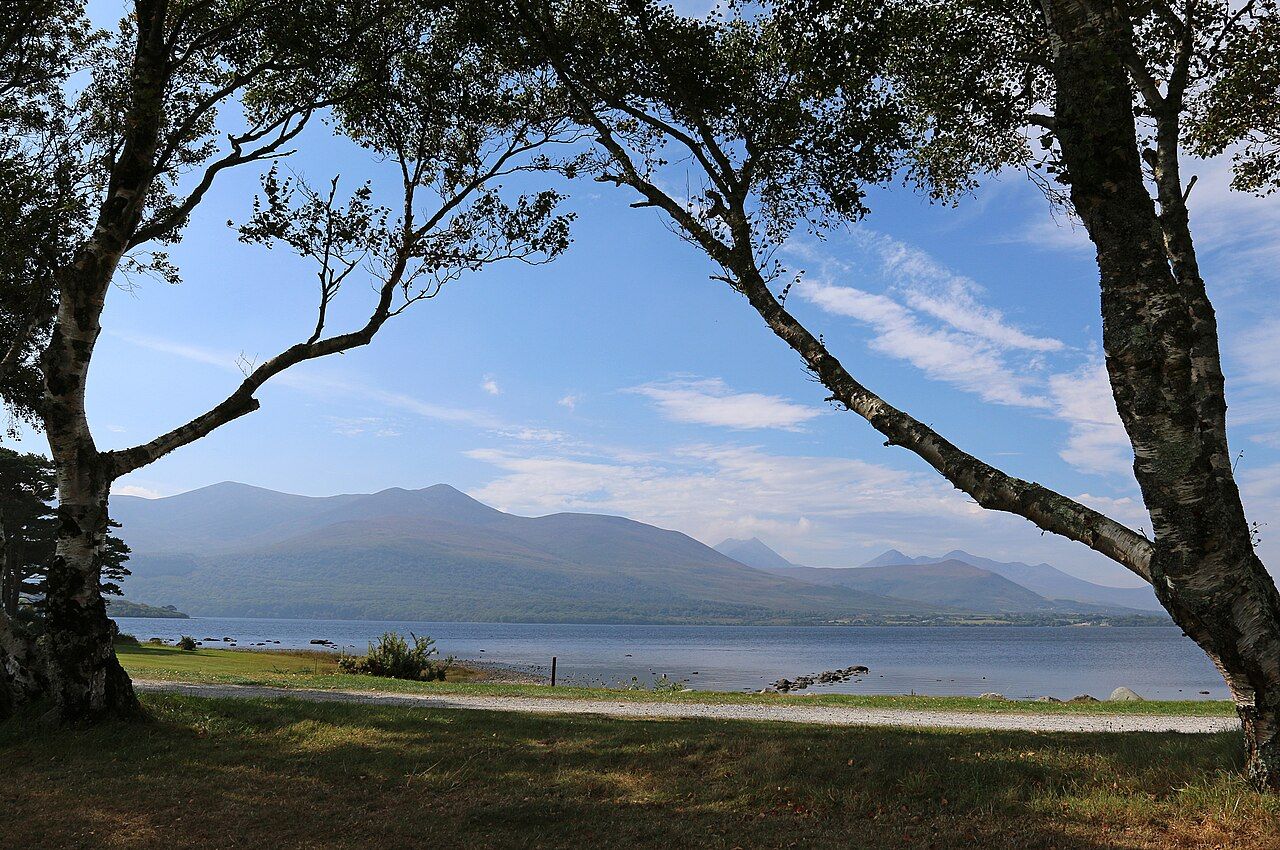
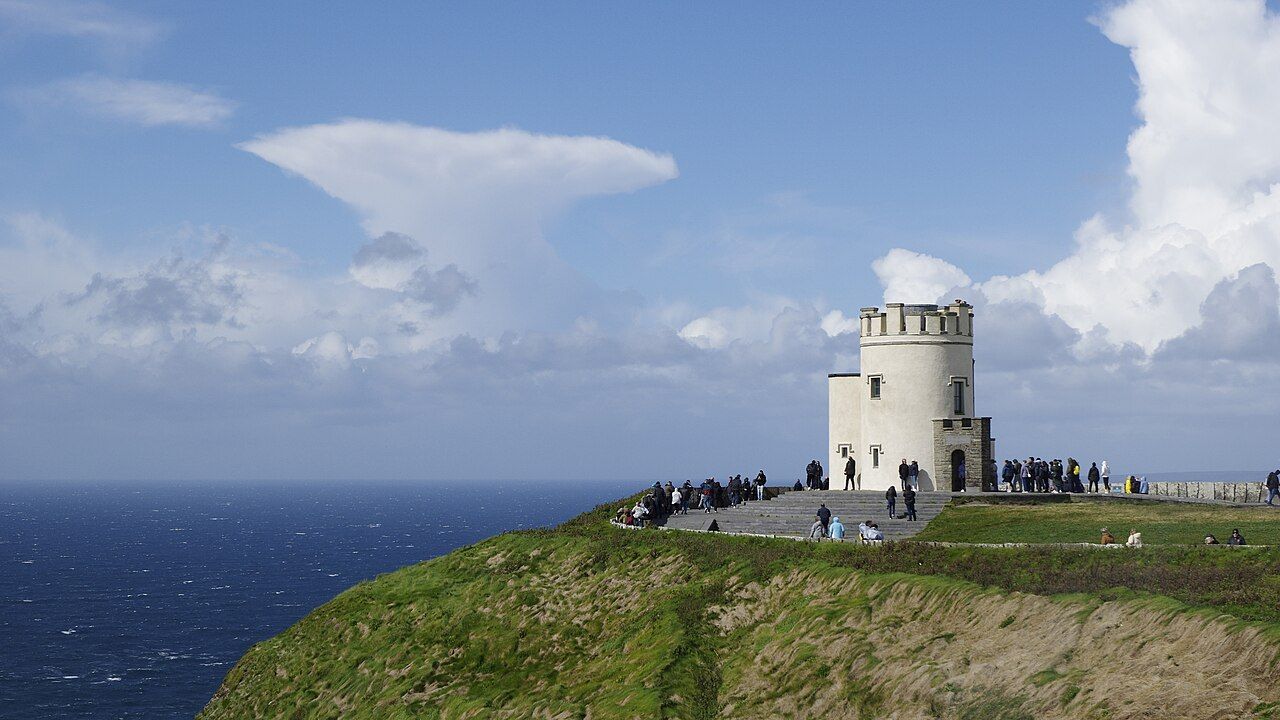
Photo: Holger Uwe Schmitt, CC BY-SA 4.0 source
Flight59 min directfrom Manchester
TimeSame time as the UK
Typical stay4 to 8 nights
CurrencyEuro (€) in the Republic; pound sterling (£) in Northern Ireland
How we book itPackage or bespoke

Is it right for you?

Who Ireland suits

A strong fit for

Short breaks, scenery and touring.

We would think twice for

Sun-dependent plans, because Ireland's forty shades of green are well watered, and the weather is a companion on this trip rather than a feature of it.

What we would want you to know

Weather changes fast, so build flexibility into any touring route.

We’ve been here

Ireland is somewhere we have travelled, Si most recently in Dublin in October 2025, and it convinced us that routes there need slack. The roads are slower than they look, and the best days tend to come from staying put when the weather clears or the music in the pub is good, so we never pack the itinerary tight.

The route

Coast to coast and down the Atlantic edge

  1. Nights 1 and 2

    Dublin

    See the Book of Kells and Kilmainham Gaol, and spend the first evening on pints and music in a pub away from Temple Bar.

  2. Nights 3 and 4

    Galway

    Drive west across the midlands, then give a day to the Aran Islands or the lakes and mountains of Connemara.

  3. Night 5

    Doolin

    Walk the Cliffs of Moher, cross the Burren to Poulnabrone, and settle in for a traditional music session.

  4. Night 6

    Dingle

    Take the car ferry across the Shannon estuary from Killimer to Tarbert, then drive the Slea Head loop in the late afternoon light.

  5. Nights 7 and 8

    Killarney

    Drive the Ring of Kerry early, cycle or take a jaunting car through the national park, then fly home from Kerry or drive back to Dublin.

An idea to react to, not a fixed package. We shape the real thing around your dates, your pace and what the flights are doing that season.

Map and stops

The places on the route

Places to stay Things to do Airports
1

Dublin

City breaksPubsLiterary history

A compact, walkable capital of Georgian squares, pubs and literary history, with Trinity College and the Liffey at its heart. Two or three nights suits most people. Hotels are dear on big weekends, and Temple Bar is loud late into the night, so choose the street with care.
2

Galway

Evenings outMusicCouples and groups

A small university city on the edge of Connemara, with buskers on Shop Street, pubs with music most nights and the Aran Islands offshore. It suits couples and groups who want lively evenings and makes a good base for Connemara and the Burren. Festival weeks in July fill every bed.

3

Doolin

Traditional musicWalkersCliffs

A scattered village known for traditional music, between the Cliffs of Moher and the Burren, with summer ferries to the Aran Islands. Evenings revolve around the pub sessions and there is little else, which is the appeal. It is very quiet in winter, when some places close.

4

Dingle

Scenic drivesSeafoodIrish language

A colourful harbour town near the end of its peninsula, surrounded by Irish-speaking countryside, with the Slea Head loop passing beehive huts and beaches that look out to the Blasket Islands. It is further out than most routes allow for, so give it at least one full day.

5

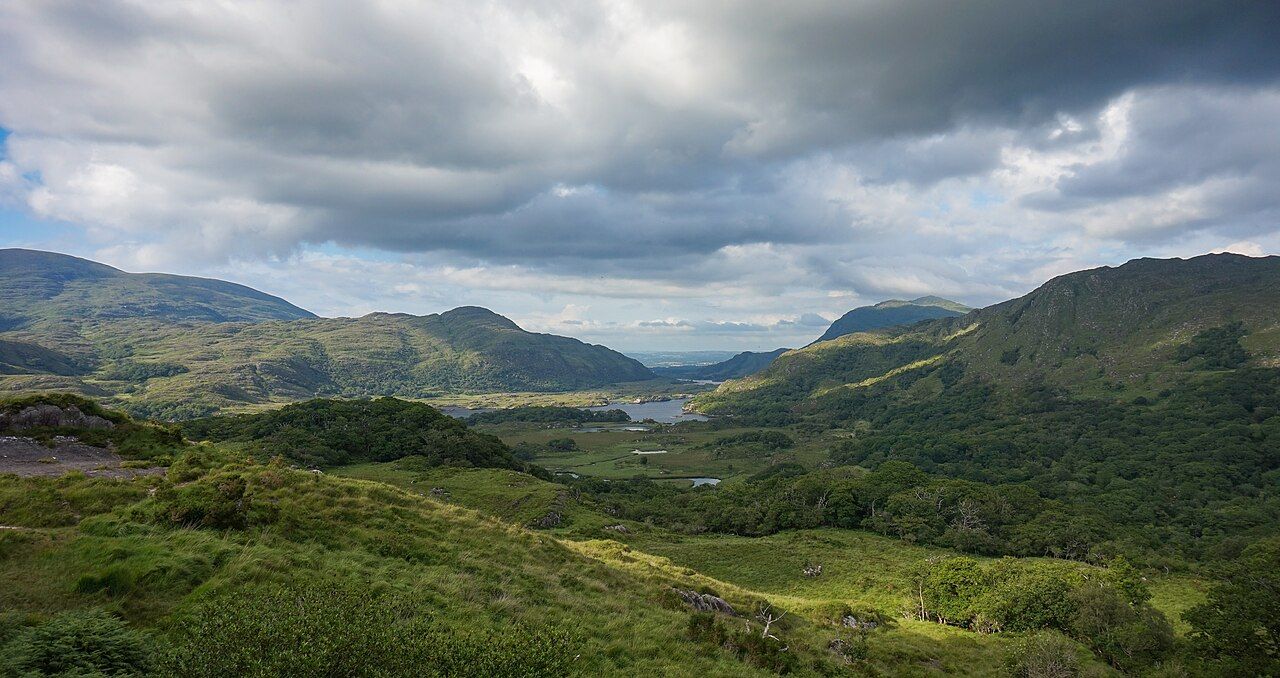
Killarney

FamiliesNational parkRing of Kerry

A busy tourist town at the gateway to Killarney National Park, with its lakes, Muckross House and the start of the Ring of Kerry. It has the most hotels in the south-west and everything on hand for families. It is touristy, and summer traffic through the centre is heavy.

6

Belfast

City breaksRecent historyCauseway Coast

A city reinvented around its shipbuilding past, with the Titanic Belfast museum, the murals of the west and a good food and pub scene. It makes a strong northern chapter with the Causeway Coast. Remember that it uses sterling, and road signs switch to miles.

Weather and seasons

When to go to Ireland

Ireland's weather changes by the hour rather than by the season, so the real choice is about daylight and crowds. In June the west stays light until late in the evening, ideal for touring, with Galway averaging around 17°C. July and August bring the most visitors to the Cliffs of Moher and the Ring of Kerry, along with the coaches. Rain falls in every month, although spring is usually the driest spell and winter the wettest, with around 160mm in December on the west coast. Winter suits Dublin's pubs and museums, and hotels fill across the country for St Patrick's week in March.

Worth timing a trip around

17 March

St Patrick's Day

Parades in every town, with the biggest festival in Dublin over several days. Hotels fill nationwide and prices rise accordingly.

16 June

Bloomsday

Dublin celebrates James Joyce's Ulysses with readings, walks and Edwardian costume along the routes of the novel.

Late July

Galway Races and Arts Festival

Galway's arts festival and its famous race week run back to back, turning the city into a non-stop party. Book rooms many months ahead.

10 to 12 August

Puck Fair in Killorglin

One of Ireland's oldest fairs, on the Ring of Kerry, where a wild goat is crowned king for three days of music, markets and late nights.

Late September

Galway Oyster and Seafood Festival

The start of the native oyster season is celebrated with shucking contests, music and a great deal of stout.

Daytime high to night-time low Sea temperature Rainfall
January: 146 mm of rainFebruary: 89 mm of rainMarch: 90 mm of rainApril: 69 mm of rainMay: 72 mm of rainJune: 62 mm of rainJuly: 76 mm of rainAugust: 101 mm of rainSeptember: 119 mm of rainOctober: 121 mm of rainNovember: 136 mm of rainDecember: 160 mm of rainJanuary: highs 8°C, lows 3°CFebruary: highs 9°C, lows 3°CMarch: highs 10°C, lows 3°CApril: highs 13°C, lows 4°CMay: highs 16°C, lows 7°CJune: highs 17°C, lows 9°CJuly: highs 18°C, lows 11°CAugust: highs 18°C, lows 11°CSeptember: highs 16°C, lows 9°COctober: highs 13°C, lows 7°CNovember: highs 10°C, lows 4°CDecember: highs 9°C, lows 4°CJanuary: sea 9°CFebruary: sea 9°CMarch: sea 9°CApril: sea 10°CMay: sea 12°CJune: sea 14°CJuly: sea 16°CAugust: sea 16°CSeptember: sea 15°COctober: sea 14°CNovember: sea 12°CDecember: sea 10°C8°3°J9°3°F10°3°M13°4°A16°7°M17°9°J18°11°J18°11°A16°9°S13°7°O10°4°N9°4°D
See the numbers
MonthHighLowSeaRain
January8°C3°C9°C146 mm
February9°C3°C9°C89 mm
March10°C3°C9°C90 mm
April13°C4°C10°C69 mm
May16°C7°C12°C72 mm
June17°C9°C14°C62 mm
July18°C11°C16°C76 mm
August18°C11°C16°C101 mm
September16°C9°C15°C119 mm
October13°C7°C14°C121 mm
November10°C4°C12°C136 mm
December9°C4°C10°C160 mm

Temperatures are 2015 to 2024 averages from NOAA records for Claremorris, 50 km away at 69 m. Rainfall is from the GPCC rain-gauge analysis (Deutscher Wetterdienst) for 2010 to 2019 and shows the typical (median) month, so one freak storm does not skew it. Sea temperatures: NOAA OISST, 1991 to 2020.

Things to do

Things to do in Ireland

NatureA

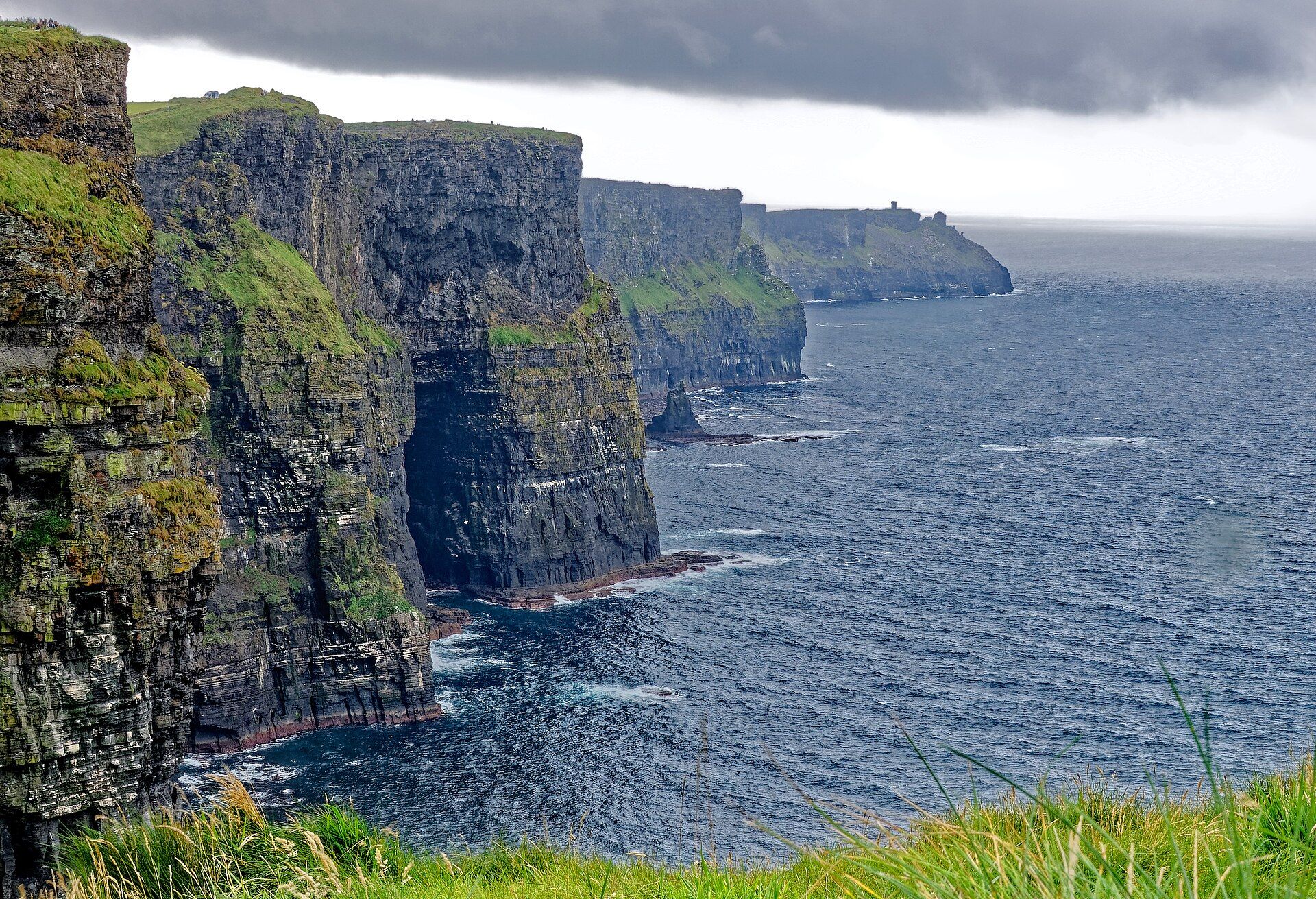
Cliffs of Moher

Sheer cliffs dropping into the Atlantic, with a visitor centre at the main viewpoint. Walk south along the coastal path for quieter views, keep well back from the edge in wind, and arrive early or late to miss the coaches.

NatureB

The Burren

A grey limestone plateau where Arctic and Mediterranean flowers grow side by side in May, with the Poulnabrone dolmen, a Stone Age tomb, standing beside the road.

CultureC

The Book of Kells at Trinity College

The illuminated gospel book, more than 1,200 years old, on display at Trinity College in the heart of the city. Tickets are timed and the middle of the day is busiest, so book an early slot.

HistoryD

Kilmainham Gaol

The prison where leaders of the 1916 Easter Rising were held and executed, seen on a guided tour. Tickets often sell out days ahead, so buy them online well before you travel.

FoodE

Guinness Storehouse

Seven floors on the brewing of the famous stout at St James's Gate, finishing with a pint in the rooftop bar and views across the city. Book ahead for weekends.

Day tripsF

The Ring of Kerry

A long coastal loop around the Iveragh peninsula, with mountains, beaches and villages. Start early to stay ahead of the coach traffic, and add the quieter Skellig Ring if you have time.

AdventureG

Skellig Michael

A monastic settlement perched on a rock far out in the Atlantic, reached by a boat trip in summer and a climb up steep, uneven steps. Landing trips sell out early and swell often cancels them.

NatureH

Giant's Causeway

Thousands of basalt columns stepping into the sea on the north Antrim coast. Walking down to the stones is free, while the visitor centre ticket includes parking and a guided walk.

Music

A traditional music session

Musicians gather in pubs in Galway, Doolin and Dingle most evenings, usually starting after nine. Find a seat nearby, but leave the musicians' table free and keep chatter down during slow airs.

Day tripsI

The Aran Islands

Ferries run to Inis Mór, where you can hire a bike and ride to Dún Aonghasa, a stone fort on the cliff edge. Sailings depend on the weather, so keep the day flexible.

Food and drink

What to eat and drink

  • Irish stew

    Lamb or mutton slow-cooked with potatoes, onions and carrots, the classic pub lunch on a cold, wet day.

  • Seafood chowder with brown bread

    A creamy soup of fish and shellfish served with dense, nutty brown soda bread and butter, found on almost every menu along the west coast.

  • Full Irish breakfast

    Bacon, sausages, eggs and grilled tomato with black and white pudding, often with soda bread, enough to see you through a day of touring.

  • Boxty

    A potato pancake made from grated and mashed potato, traditional in the north-west and now served with all kinds of fillings.

  • Irish whiskey

    Often triple-distilled and smooth, with a distinctive pot still style. Many distilleries around the country run tours and tastings.

Money

What Ireland costs

Ireland is not cheap. Dublin hotel rates rival London's on concert and rugby weekends, and the west's small hotels and guesthouses sell out for summer. The cliffs, beaches and pub sessions cost nothing, which restores some balance. The car is the essential spend, and for a touring trip starting in Yorkshire or the North West, taking your own car on the ferry often beats flying and hiring, especially with golf clubs or a full boot.

Flights and transfers

Getting to Ireland from the UK

Direct flights run from Leeds Bradford and Manchester to Dublin year-round, with the west served via Knock and Shannon. The ferry with your own car, from Holyhead, suits touring trips and flexible packers. Distances look small and the good roads are slow, which is the correct speed for the scenery anyway.

Flights from UK airports

Dublin DUB

  • Leeds BradfordDirect, about 1h
  • ManchesterDirect, about 59 min
  • NewcastleDirect, about 1h 05m

Shannon SNN

  • Leeds BradfordWith a connection, about 5h 41m
  • ManchesterDirect, about 1h 10m
  • NewcastleWith a connection, about 3h 30m

Kerry KIR

  • Leeds BradfordWith a connection, about 2h 50m
  • ManchesterDirect, about 1h 15m
  • NewcastleWith a connection, about 7h 50m

Route check September 2026. Some routes are seasonal and schedules change, so we confirm the live options when we quote.

Practical details

Know before you go

Time

Same time as the UK

Currency

Euro (€) in the Republic; pound sterling (£) in Northern Ireland

Language

English and Irish; Irish is spoken daily in the Gaeltacht areas of the west

Plugs

Type G, 230V

Driving

On the left

Tap water

Safe to drink

Tipping

Around 10 to 15 percent for table service in restaurants; not expected for drinks at the bar

Entry for British passport holders

Visa. No visa and no immigration checks for British citizens under the Common Travel Area.

Passport. Airlines and ferry companies set their own ID rules, so travel with your passport.

Summarised from the FCDO travel advice on gov.uk, checked 29 September 2026. Rules change: read the current entry requirements and the full travel advice before you go.

Questions we get asked

Ireland FAQs

Is it better to fly or take the ferry to Ireland?+

For a Dublin weekend, fly: it is about 59 minutes from Manchester. For a week or more touring the west, taking your own car on the ferry from Holyhead or Liverpool is often better value than car hire, with no luggage limits and no insurance surprises at the rental desk.

Can you tour Ireland without a car?+

Partly. Trains and express buses link Dublin with Galway and Killarney, and day tours reach the Cliffs of Moher and the Ring of Kerry. The peninsulas and small villages are hard work without a car, though, so for a touring trip we would usually hire one or use a driver.

Can you drive the whole Wild Atlantic Way in a week?+

No. It runs the full length of the west coast from Donegal to Cork and would take weeks to do justice. In a week, pick one or two stretches, such as Clare and Kerry, and drive them slowly.

Is Temple Bar worth visiting?+

For a look and one drink, yes. For a whole evening, most Dubliners go elsewhere, because pints cost noticeably more and the crowds are mostly visitors. Pubs a few streets away often have better music and a more local feel.

What changes when you cross into Northern Ireland?+

Very little at the border itself, which is open with no checks. The currency switches from euros to sterling, and speed limits and distances switch from kilometres to miles, which catches many drivers out. Check that your hire car is allowed across.

What should you pack for Ireland in summer?+

Layers and a good waterproof, even in July. Days can swing from warm sunshine to wind and showers within an hour, especially on the cliffs and peninsulas. Comfortable waterproof shoes matter more than smart ones.

Your world, your way

Thinking about Ireland?

Tell us roughly what you have in mind. We will compare the flights, hotels, routes and operators, explain the trade-offs and build the version that works for you.

Start your trip