Scotland

Europe · Touring guide

Scotland

Highlands, islands and cities that reward a proper route rather than a rushed loop.

We’ve been hereHighlandsRoad tripsWhisky
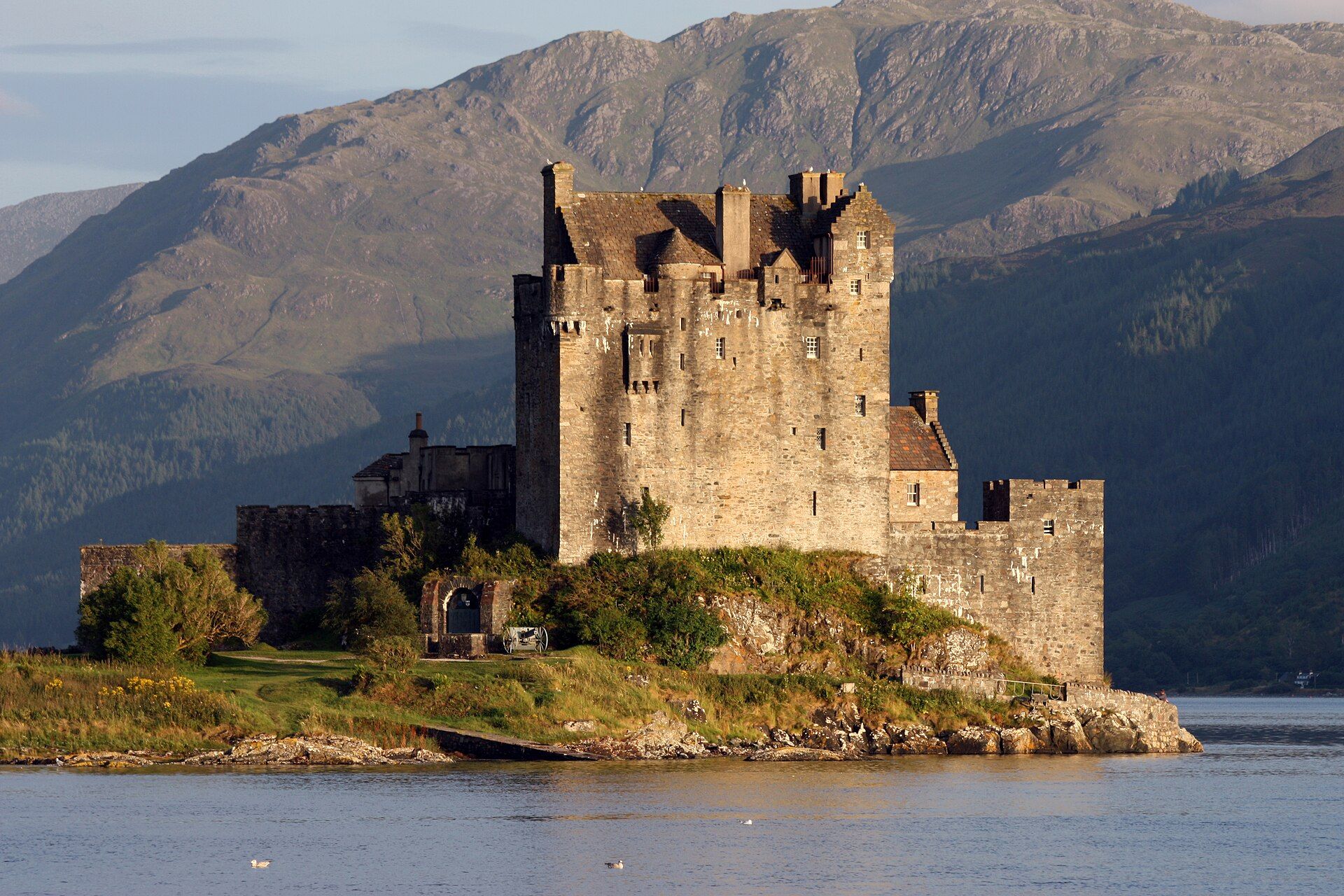
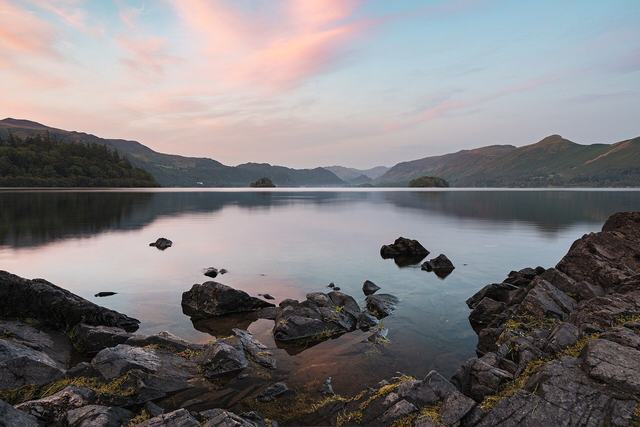
Photo: Eusebius, CC BY 3.0 source
TimeSame time as the UK
Typical stay4 to 10 nights
CurrencyPound sterling (£); Scottish banks print their own notes, which some shops in England refuse
How we book itBuilt by us

Is it right for you?

Who Scotland suits

A strong fit for

Touring, scenery and a shorter-haul adventure feel.

We would think twice for

Anyone who cannot make peace with weather and midges, because the Highlands deliver all four seasons before lunch, and the summer midge is a small, committed adversary.

What we would want you to know

Driving distances in the Highlands take longer than the map suggests.

We’ve been here

Scotland is part of our own travels, and it taught us to plan for four seasons in a day. Every Highland route we build has an indoor fallback for each stop, and a spare hour or two for the lay-bys and viewpoints nobody manages to drive past.

The route

The clockwise Highland loop

  1. Nights 1 and 2

    Edinburgh

    Explore the castle and the Royal Mile, climb Arthur's Seat for the view, and spend an evening in the Georgian streets of the New Town.

  2. Night 3

    Glencoe

    Drive west past the Kelpies and Stirling, then cross the emptiness of Rannoch Moor into the glen for a first Highland evening.

  3. Nights 4 to 6

    Isle of Skye

    Stop at Glenfinnan, take the ferry from Mallaig to Skye, then spend three days on the Storr, the coast and the villages, starting early each day.

  4. Nights 7 and 8

    Inverness

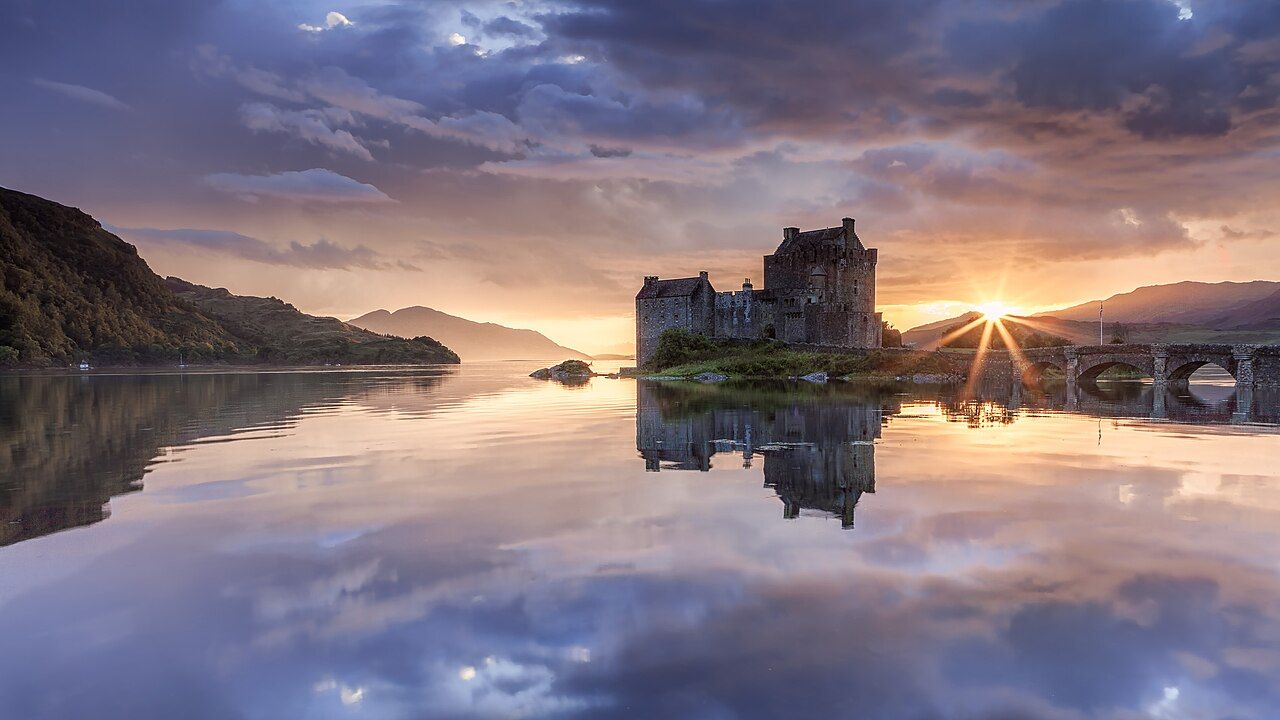
    Leave over the Skye Bridge past Eilean Donan Castle, follow Loch Ness to Urquhart, and give a day to Culloden and the dolphins at Chanonry Point.

  5. Day 9

    Cairngorms and Speyside

    Head south through whisky country for a distillery tour and a forest walk near Aviemore, then take the main road back to Edinburgh.

An idea to react to, not a fixed package. We shape the real thing around your dates, your pace and what the flights are doing that season.

Map and stops

The places on the route

1

Edinburgh

City breaksHistoryFestivals

The castle, the Royal Mile and the Georgian New Town, all walkable if you do not mind hills and steps. Two nights makes a good start to a Highland route. In August the festivals fill every bed and rates soar, which is wonderful if you want the Fringe and frustrating if you do not.

2

Glencoe

WalkersSceneryFirst Highland night

A glen of sheer mountain walls rising straight from the road, with a small village at its foot beside Loch Leven. It makes a natural first Highland stop after the drive across Rannoch Moor. Rooms are scarce, the weather is wild, and midges are fierce on still summer evenings.

3

Isle of Skye

LandscapesPhotographersWalkers

Ridges, sea cliffs and waterfalls, reached by bridge or by ferry from Mallaig. Portree is the main base with the most restaurants; elsewhere you are in small villages. Skye is more popular than its roads can handle in summer, so three nights booked early is the way to do it.

4

Inverness

Practical baseLoch NessWildlife

The Highland capital sits on the River Ness at the top of the Great Glen, a practical base for Loch Ness, Culloden and the Moray Firth dolphins, with more hotels than anywhere else in the north. The city itself is pleasant rather than beautiful; the draw is what lies around it.

5

Cairngorms and Speyside

Active familiesWhiskyForest walks

Pinewoods, rivers and the Cairngorm mountains around Aviemore, with whisky country along the Spey to the north. Aviemore is the busy hub with the most facilities, while villages such as Grantown-on-Spey are quieter. It is drier than the west, but colder in winter.

6

Oban

Island hoppingSeafoodFerries

A harbour town whose ferry terminal is the gateway to Mull, Iona and the Hebrides, with seafood stalls by the pier. It is a base for island days rather than somewhere to linger, and summer ferries need booking ahead, particularly with a car.


Weather and seasons

When to go to Scotland

Scotland's calendar is set by daylight and midges. Late spring is often the driest spell in the west, the glens are fresh and the midges have barely stirred, while June brings near-endless evenings and Edinburgh highs of around 18°C. From late June to August the midges are at their worst on still, damp evenings in the west, and Skye's car parks fill by mid-morning. September calms down and the heather turns the moors purple. August in Edinburgh belongs to the festivals, when rooms are scarce and dear. Winter days are short and chilly, around 8°C in the capital, but the cities are cosy and the snow-capped hills beautiful on clear days.

Worth timing a trip around

25 January

Burns Night

Suppers across the country honour the poet Robert Burns with haggis, whisky and verse, and many hotels host their own.

May to September

Highland games

Towns and villages stage games with caber tossing, pipe bands and Highland dancing. The Braemar Gathering, in early September, traditionally draws members of the royal family.

August

Edinburgh's festivals

The Fringe, the International Festival and the Military Tattoo turn the city into one enormous stage. Book rooms very early, or stay outside the city and come in by train.

31 December

Hogmanay in Edinburgh

New Year is celebrated with a street party and fireworks over the castle. The central party area needs tickets, and the weather can still decide the night.

Daytime high to night-time low Sea temperature Rainfall
January: 64 mm of rainFebruary: 50 mm of rainMarch: 49 mm of rainApril: 30 mm of rainMay: 33 mm of rainJune: 59 mm of rainJuly: 71 mm of rainAugust: 59 mm of rainSeptember: 53 mm of rainOctober: 72 mm of rainNovember: 54 mm of rainDecember: 66 mm of rainJanuary: highs 8°C, lows 1°CFebruary: highs 9°C, lows 2°CMarch: highs 10°C, lows 3°CApril: highs 12°C, lows 4°CMay: highs 16°C, lows 8°CJune: highs 18°C, lows 10°CJuly: highs 20°C, lows 12°CAugust: highs 19°C, lows 12°CSeptember: highs 17°C, lows 10°COctober: highs 14°C, lows 7°CNovember: highs 10°C, lows 3°CDecember: highs 8°C, lows 2°CJanuary: sea 7°CFebruary: sea 6°CMarch: sea 6°CApril: sea 7°CMay: sea 10°CJune: sea 12°CJuly: sea 14°CAugust: sea 14°CSeptember: sea 13°COctober: sea 12°CNovember: sea 10°CDecember: sea 8°C8°1°J9°2°F10°3°M12°4°A16°8°M18°10°J20°12°J19°12°A17°10°S14°7°O10°3°N8°2°D
See the numbers
MonthHighLowSeaRain
January8°C1°C7°C64 mm
February9°C2°C6°C50 mm
March10°C3°C6°C49 mm
April12°C4°C7°C30 mm
May16°C8°C10°C33 mm
June18°C10°C12°C59 mm
July20°C12°C14°C71 mm
August19°C12°C14°C59 mm
September17°C10°C13°C53 mm
October14°C7°C12°C72 mm
November10°C3°C10°C54 mm
December8°C2°C8°C66 mm

Temperatures are 2015 to 2024 averages from NOAA records for Edinburgh: Royal Botanic Garde, 2 km away at 26 m. Rainfall is from the same station and shows the typical (median) month, so one freak storm does not skew it. Sea temperatures: NOAA OISST, 1991 to 2020.

Things to do

Things to do in Scotland

HistoryA

Edinburgh Castle

The fortress on its volcanic rock holds the Honours of Scotland, the Scottish crown jewels. Book a timed ticket online, and be there at one o'clock for the gun fired from the ramparts every day except Sunday.

NatureB

Arthur's Seat

An extinct volcano rising from Holyrood Park in the middle of the city. The climb is short but steep and the top is very windy, so go early for the light and the quiet.

CultureC

The Kelpies

Two giant steel horse heads beside the canal at Falkirk, free to see and lit up at night. An easy stop on the road from Edinburgh to the Highlands.

HistoryD

Glenfinnan Viaduct

The curving railway viaduct at the head of Loch Shiel, famous from the Harry Potter films. Steam trains cross it in summer, so check the timetable and arrive early, because the car park fills.

NatureE

The Old Man of Storr

A pinnacle of rock on a ridge above Skye's east coast, reached by a steep, well-made path. Start early or late in the day, when the car park has space and the light is kinder.

HistoryF

Urquhart Castle

A ruined castle on the shore of Loch Ness with wide views along the water. Coaches arrive by mid-morning, so go at opening time or late in the afternoon.

HistoryG

Culloden battlefield

The moor where the last Jacobite rising ended in 1746. The visitor centre tells both sides of the story before you walk out among the flags marking the two front lines.

WildlifeH

Dolphins at Chanonry Point

Bottlenose dolphins chase salmon in the narrow channel off this shingle spit near Inverness. Arrive about an hour after low tide, when the rising water often brings them close to the shore.

FoodI

A Speyside distillery tour

The glens along the River Spey are thick with distilleries, many offering tours and tastings. Book ahead in summer, and ask for a driver's dram to take away if you are behind the wheel.

Food and drink

What to eat and drink

  • Haggis, neeps and tatties

    The national dish of spiced lamb, oats and onion, served with mashed swede and potato and often a whisky sauce. Vegetarian haggis is widely available.

  • Cullen skink

    A thick, warming soup of smoked haddock, potato and onion from the Moray coast, just the thing after a wet walk.

  • Arbroath smokie

    Haddock hot-smoked in pairs over hardwood fires in the Angus fishing town, sold warm and eaten with your fingers.

  • West coast shellfish

    Langoustines, scallops and mussels landed in harbours such as Oban and on Skye, often at their best simply cooked by the quayside.

  • Cranachan

    Scottish raspberries folded into whipped cream with toasted oats, honey and a splash of whisky, at its best in late summer.

  • Tablet

    A crumbly, very sweet cousin of fudge made from sugar, butter and condensed milk, sold in slabs in every village shop.

Money

What Scotland costs

Scotland's costs cluster into a short season: from May to September the good small hotels on Skye and in the glens fill early and price with confidence, and Edinburgh in August charges festival rates. Distilleries, castles and ferries are modest, and the hills cost nothing to roam. What stretches the budget is distance: outside the rail corridors a car is essential, and fuel in remote areas costs more than at home.

Flights and transfers

Getting to Scotland from the UK

From the north of England the train to Edinburgh is quick and the drive north is part of the holiday. Flights from Leeds Bradford and Manchester serve Edinburgh, Glasgow and Inverness for shorter hops. The Caledonian Sleeper from London is a trip in itself.

Practical details

Know before you go

Time

Same time as the UK

Currency

Pound sterling (£); Scottish banks print their own notes, which some shops in England refuse

Language

English, with Gaelic on signs in the Highlands and islands

Plugs

Type G, 230V

Driving

On the left

Tap water

Safe to drink, and soft and good-tasting in the Highlands

Tipping

Around 10 percent in restaurants if service is not included; not expected at the bar

Questions we get asked

Scotland FAQs

When is midge season in Scotland?+

Roughly late May to September, at its worst in July and August on still, damp evenings in the west. Breezy coasts and sunny afternoons are far better, and Edinburgh and the east are much less affected. Pack a repellent that works on midges, and a head net if you plan to camp or fish.

How do you drive on single-track roads in Scotland?+

Pull into a passing place when you see an oncoming car, or wait opposite one if it is on your right, and let faster traffic behind you overtake. Never park in a passing place. It is slow but courteous driving, and it is why Highland journeys take longer than the map suggests.

Is the North Coast 500 worth doing?+

For the scenery, yes, but it deserves at least five or six days, and in summer the single-track sections are busy with campervans. May and September are calmer. We usually fold its best stretches into a slower route rather than treating it as a lap to complete.

Is two nights on Skye enough?+

It is tight. Three nights gives you a day each for the north, the south and a spare for bad weather, which on Skye is a real consideration. Book early, because the island's accommodation is small and sells out months ahead for summer.

Should we visit Edinburgh during the festival?+

Only if the festivals are part of the point. In August the city is thrilling, packed and expensive, with hotel rates at their yearly peak. If you want the castle and the old town in comfort, come in late spring or after the festivals end.

Can you see the Northern Lights in Scotland?+

Sometimes, on clear, dark nights between autumn and spring, and mostly in the far north and on the islands away from street lights. It is never guaranteed. Sign up for an aurora alert service and treat any display as a bonus rather than the reason to travel.

Your world, your way

Thinking about Scotland?

Tell us roughly what you have in mind. We will compare the flights, hotels, routes and operators, explain the trade-offs and build the version that works for you.

Start your trip