England

Europe · Touring guide

England

City breaks, coastline and countryside, often the easiest short trip to arrange from a standing start.

We’ve been hereShort breaksCoast and countryNo flights
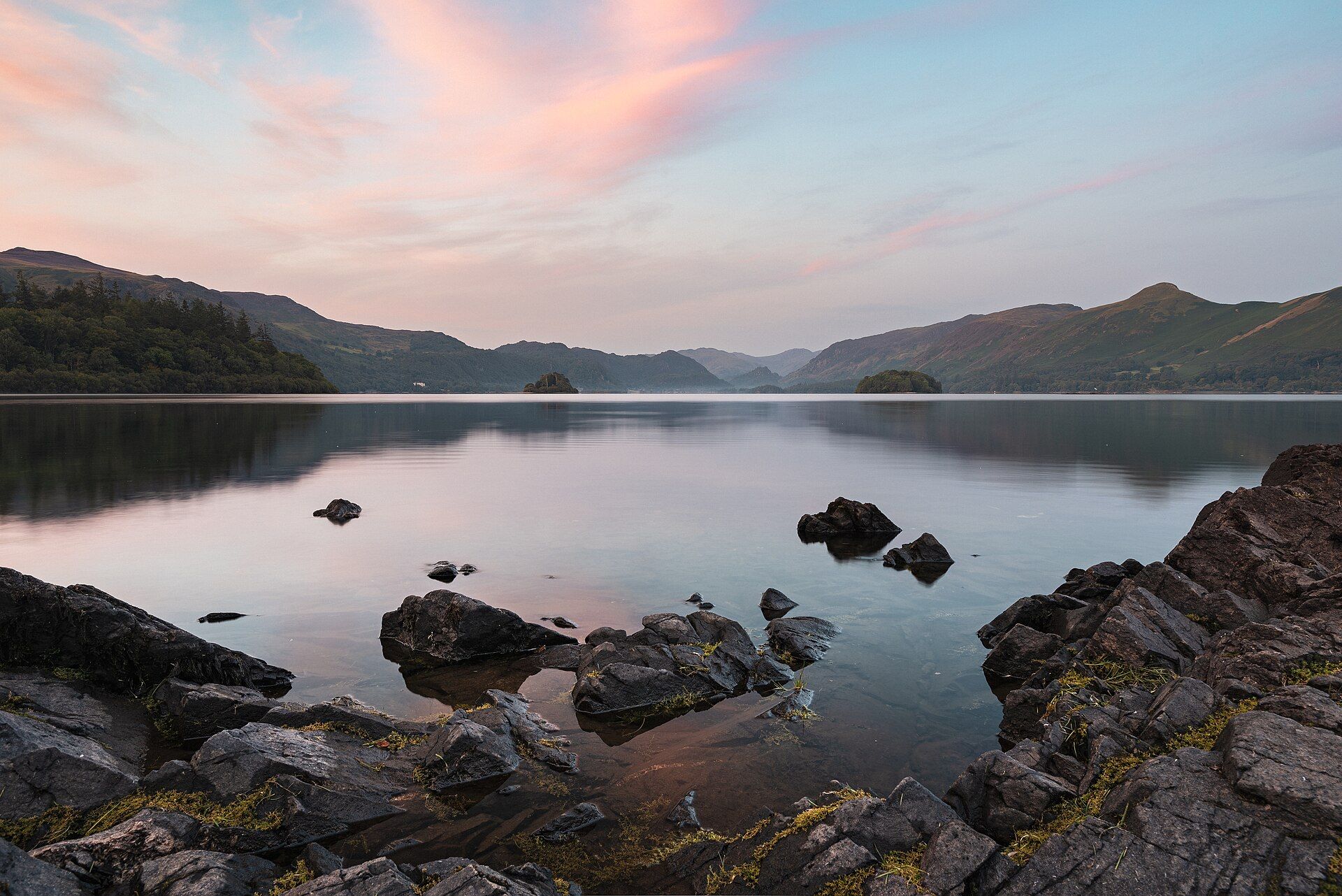
Photo: Julian Herzog (Website), CC BY 4.0 source
TimeSame time as the UK
Typical stay2 to 7 nights
CurrencyPound sterling (£)
How we book itBuilt by us

Is it right for you?

Who England suits

A strong fit for

Short breaks, family visits and combining with a wider UK trip.

We would think twice for

Guaranteed sunshine, obviously, because England's weather signs no contracts, and every plan here deserves a wet-day fallback built in from the start.

What we would want you to know

Distances and travel times vary hugely across the country, so plan the route with realistic driving times.

We’ve been here

England is home. We live and work in Tadcaster, North Yorkshire, and the Lake District is a place we know from our own time there. A UK break succeeds or fails on timing, traffic and which village you sleep in, and that is exactly the local detail we can help with.

The route

A week in the north, starting from our doorstep

  1. Nights 1 and 2

    York

    Walk the city walls, see the Minster and the Shambles, and stay for evensong if the timing works.

  2. Nights 3 and 4

    Northumberland coast

    Head north to Bamburgh for the castle and the beach, cross to Lindisfarne at a safe tide time, and take a boat to the Farne Islands in puffin season.

  3. Day 5

    Hadrian's Wall

    Cross the country along the Roman frontier, stopping at Housesteads for a walk on the crags before dropping into Cumbria.

  4. Nights 5 to 7

    The Lake District

    Settle in Keswick or Ambleside for lake boats, a climb up Catbells and a long pub lunch before the drive home over the Pennines.

An idea to react to, not a fixed package. We shape the real thing around your dates, your pace and what the flights are doing that season.

Map and stops

The places on the route

Places to stay Things to do Airports
1

York

Short breaksHistoryWalkable

On our doorstep, and worth a slow two nights: the Minster, the medieval walls, the Shambles and more museums than a city this size has any right to. It is compact and flat to walk. Race meetings and December bring crowds and higher hotel rates, so we check the calendar first.

2

The Lake District

WalkersFamiliesLakeside stays

England's walking country of fells, lakes and slate villages. Windermere and Ambleside have the widest choice of places to stay and eat, Keswick suits serious walkers and the western lakes are quieter. It rains a great deal, and the narrow roads and car parks jam in school holidays, so stay somewhere you can walk from.

3

London

ShowsMuseumsOccasions

Choose the hotel around the plans: the West End for shows, South Kensington for the big museums, the South Bank for walks by the river. Distances are larger than the Tube map suggests, and weekends with big concerts or matches push room rates up sharply.

4

The Cotswolds

CouplesCountry pubsGentle walks

Honey-coloured stone villages, country pubs and easy walking in the hills between Oxford and Bath. Bourton-on-the-Water and Bibury are overrun on summer weekends, so we steer people to quieter villages and midweek stays. Buses are thin on the ground, so a car is essential.

5

St Ives and West Cornwall

BeachesFamiliesArt

Sandy coves with clear water, an artists' harbour town and wild moorland running out to Land's End. In August the lanes jam and parking is scarce, and from the north it is a long drive, so this is a week rather than a weekend. The narrow streets of St Ives are not built for cars.

6

Northumberland coast

CastlesEmpty beachesWalkers

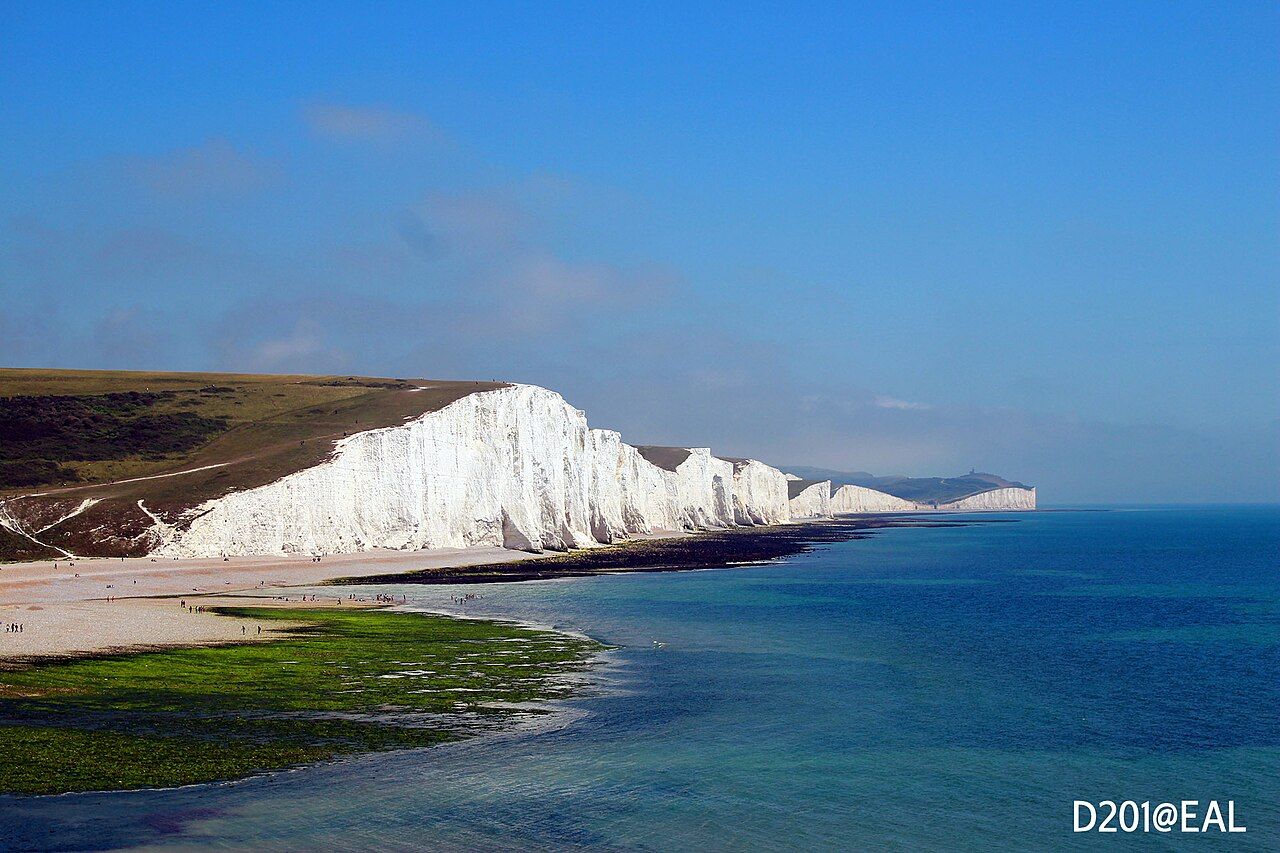
Wide sandy beaches below the castles at Bamburgh and Dunstanburgh, with Holy Island just offshore and puffins on the Farne Islands in early summer. It stays quiet even in August. The North Sea is cold and the wind rarely drops, so it suits walkers and castle lovers more than swimmers.


Weather and seasons

When to go to England

England's weather is a game of odds rather than seasons. The best odds of settled, dry days come in late spring, when the Dales and the Lakes are at their greenest and schools are still in session, and again in September, when the sea off Cornwall is still around 16°C and the families have gone home. The six weeks of school summer holidays, from late July, bring the warmest days, about 19°C in west Cornwall, along with the highest prices and the worst traffic. The Lake District is far wetter than the east coast in every month. Winter suits cities, cathedral towns and pub fires, with Christmas markets from late November.

Worth timing a trip around

June, around the 21st

Summer solstice at Stonehenge

The stones are opened for sunrise on the longest day, drawing thousands. Arrive by public transport if you can, as parking is limited.

Late June to mid-July

Wimbledon

The tennis championships in south-west London. Enter the public ballot months ahead or join the famous queue for grounds tickets on the day.

August bank holiday weekend

Notting Hill Carnival

A huge Caribbean street festival of steel bands, sound systems and food in west London. Great fun, but stay in another part of the city if you want calm.

5 November

Bonfire Night

Fireworks and bonfires mark Guy Fawkes' failed plot across the country, and Lewes in Sussex stages famously dramatic torchlit processions.

Late November to December

Christmas market in York

Wooden chalets fill Parliament Street and the lanes around it. Hotels are busy and weekend trains packed, so a midweek stay is calmer.

Daytime high to night-time low Sea temperature Rainfall
January: 105 mm of rainFebruary: 93 mm of rainMarch: 93 mm of rainApril: 56 mm of rainMay: 46 mm of rainJune: 67 mm of rainJuly: 64 mm of rainAugust: 61 mm of rainSeptember: 112 mm of rainOctober: 113 mm of rainNovember: 141 mm of rainDecember: 143 mm of rainJanuary: highs 9°C, lows 5°CFebruary: highs 10°C, lows 5°CMarch: highs 10°C, lows 6°CApril: highs 12°C, lows 7°CMay: highs 15°C, lows 9°CJune: highs 17°C, lows 12°CJuly: highs 19°C, lows 13°CAugust: highs 19°C, lows 14°CSeptember: highs 17°C, lows 12°COctober: highs 15°C, lows 10°CNovember: highs 12°C, lows 8°CDecember: highs 11°C, lows 7°CJanuary: sea 10°CFebruary: sea 10°CMarch: sea 10°CApril: sea 10°CMay: sea 12°CJune: sea 14°CJuly: sea 16°CAugust: sea 17°CSeptember: sea 16°COctober: sea 14°CNovember: sea 13°CDecember: sea 12°C9°5°J10°5°F10°6°M12°7°A15°9°M17°12°J19°13°J19°14°A17°12°S15°10°O12°8°N11°7°D
See the numbers
MonthHighLowSeaRain
January9°C5°C10°C105 mm
February10°C5°C10°C93 mm
March10°C6°C10°C93 mm
April12°C7°C10°C56 mm
May15°C9°C12°C46 mm
June17°C12°C14°C67 mm
July19°C13°C16°C64 mm
August19°C14°C17°C61 mm
September17°C12°C16°C112 mm
October15°C10°C14°C113 mm
November12°C8°C13°C141 mm
December11°C7°C12°C143 mm

Temperatures are 2015 to 2024 averages from NOAA records for Camborne, 12 km away at 88 m. Rainfall is from the same station and shows the typical (median) month, so one freak storm does not skew it. Sea temperatures: NOAA OISST, 1991 to 2020.

Things to do

Things to do in England

HistoryA

York Minster

A Gothic cathedral on a vast scale, filled with medieval stained glass. Climb the central tower only if you are happy on narrow spiral stairs, then walk a stretch of the city walls, which is free.

HistoryB

Hadrian's Wall

The Roman frontier at its most dramatic runs over Northumberland moorland around Housesteads fort. Wear boots and a windproof. The Sycamore Gap tree was felled in 2023, but the walk along the crags is as good as ever.

HistoryC

Stonehenge

Tickets are timed and worth booking ahead, and the visitor path circles the stones rather than going among them. Pair it with Salisbury's cathedral to make a full day.

NatureD

Catbells

A small fell above Derwentwater with a big view, short but steep enough to feel like a real climb for active families. Parking is tight, so take the boat from Keswick to the Hawes End jetty.

CultureE

The British Museum

Free to enter and far too big for one visit, so choose two or three galleries rather than trying to see everything. Weekday mornings are calmest, and bags are checked at the entrance.

FamilyF

The Eden Project

Giant biomes planted in an old clay pit near St Austell, with a rainforest you can walk through. A reliable wet-day plan in Cornwall, which is exactly why it is busy when it rains.

Day tripsG

Holy Island of Lindisfarne

The causeway floods twice a day and drivers are caught out every year. Check the published safe crossing times before you set off, then see the priory ruins and the castle on its rock.

MusicH

A West End show

London's theatre district runs everything from long-running musicals to new plays. Midweek performances are easier to book, and buying from the theatre's own website avoids resale mark-ups.

Nature

The South West Coast Path

The coast path runs right round Cornwall and Devon, and short sections, such as the cliffs west of St Ives, make superb half-day walks. They are rougher than they look, so wear sturdy footwear.

Food and drink

What to eat and drink

  • Sunday roast with Yorkshire pudding

    Roast beef, crisp potatoes and a towering Yorkshire pudding in a country pub. Book ahead, because the good ones are full by Friday.

  • Fish and chips

    Best eaten by the sea. Many Yorkshire chip shops still fry in beef dripping for a richer flavour, so ask if anyone in the party is vegetarian.

  • Cornish pasty

    Beef, potato, swede and onion in shortcrust, crimped along the side. The name has protected status, so anything sold as a Cornish pasty must be made in Cornwall.

  • Cream tea

    Scones, clotted cream and strawberry jam. In Cornwall the jam goes on first and in Devon the cream, and people do care.

  • Cumberland sausage

    A long coil of coarse, peppery pork sausage from Cumbria, served with mash and onion gravy in Lake District pubs.

  • Cask ale

    Hand-pulled beer served at cellar temperature, neither warm nor fizzy. Our home town of Tadcaster has been brewing for centuries, so we are biased.

Money

What England costs

England rarely comes cheap in peak season: a Cornish cottage in August can cost more than a week in Spain, and the small hotels in the Lakes sell out months ahead. The biggest savings come from moving dates, because midweek, term-time and winter stays cost far less than summer weekends. In London the hotel matters less than the theatre and dinner plans, and many of the great museums charge nothing at all.

Flights and transfers

Getting to England from the UK

No airports required, which is the whole charm: the train network serves the cities well, and the car unlocks the coast and the national parks. From Yorkshire, half the country's best corners are a morning's drive.

Practical details

Know before you go

Time

Same time as the UK

Currency

Pound sterling (£)

Language

English

Plugs

Type G, 230V

Driving

On the left

Tap water

Safe to drink everywhere

Tipping

Around 10 to 12.5 percent in restaurants, often added as a service charge; not expected at the bar

Questions we get asked

England FAQs

Can you visit the Lake District without a car?+

Yes, more easily than most people expect. Trains run to Windermere and Penrith, buses link the main villages, and the boats on Windermere, Ullswater and Derwentwater double as transport between walks. Base yourself in Windermere, Ambleside or Keswick and a week without driving is realistic.

When are the school holidays in England?+

Roughly six weeks from late July to early September, two weeks each at Christmas and Easter, and half-term weeks in mid-February, late May and late October. Exact dates vary by council. Prices and traffic rise sharply in all of them, so term-time breaks are the easiest saving.

Is Cornwall worth the drive from the north of England?+

Yes, as long as you give it a week rather than a long weekend. From Yorkshire it is one of the longest drives in the country, and summer Saturdays on the main roads west are notoriously slow. Travelling midweek, breaking the journey or taking the train makes the start far calmer.

Is a weekend enough for London?+

For a show, a museum and a good dinner, yes. For a first visit, three nights lets you see the big sights without rushing. Choose the hotel around your plans, because crossing London can take the best part of an hour.

Can you take a dog on holiday in England?+

Easily, and it is one of the joys of a UK break. Many cottages, pubs and some hotels welcome dogs, usually at an extra charge, but many popular beaches ban dogs through the summer months, so check the rules for the stretch you plan to use.

What is the quietest stretch of the English coast?+

Northumberland is hard to beat for space. Its long sandy beaches, castles and Holy Island stay uncrowded even in August. The trade-off is a cold North Sea and a stiff breeze, so pack for walking rather than sunbathing.

Your world, your way

Thinking about England?

Tell us roughly what you have in mind. We will compare the flights, hotels, routes and operators, explain the trade-offs and build the version that works for you.

Start your trip