
Algarve

Europe · Beach and resort guide

Algarve

Reliable family resorts, villas, golf and dramatic beaches.

Research-led guideFamiliesGolfBeautiful beaches
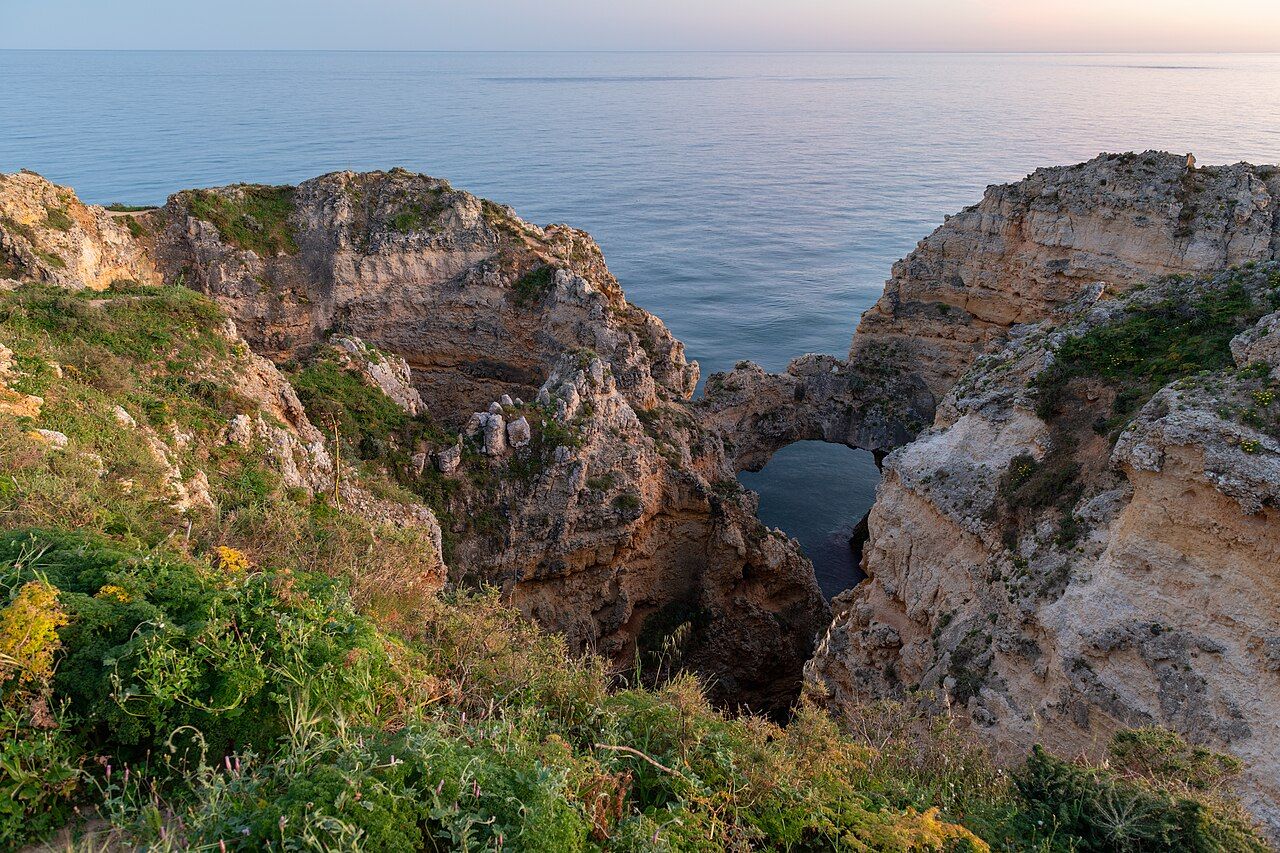
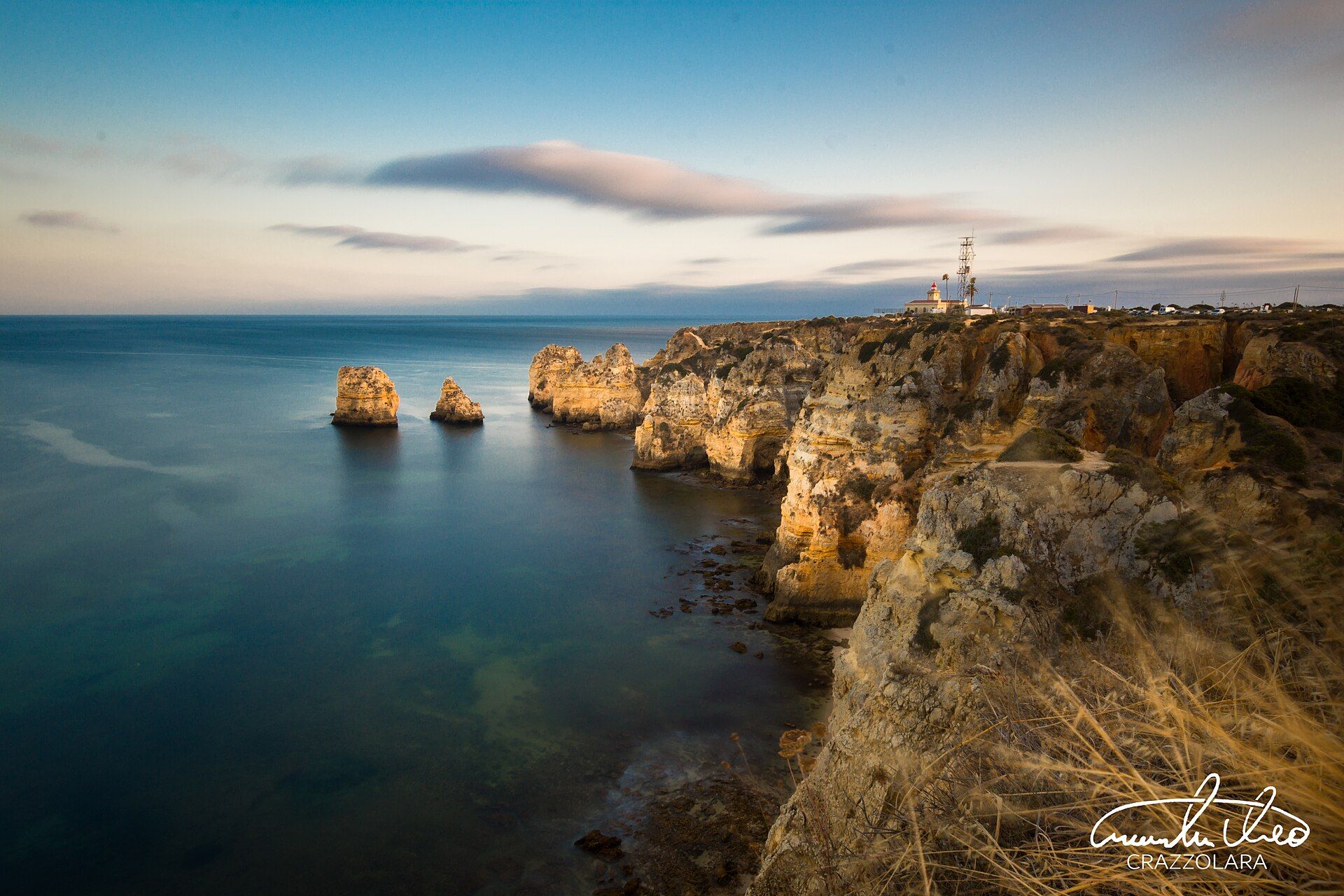
Photo: Theo Crazzolara, CC BY 2.0 source
Flight2h 55m directfrom Manchester
TimeSame time as the UK
Typical stay7 or 14 nights
CurrencyEuro (€)
How we book itOperator package

Is it right for you?

Who the Algarve suits

A strong fit for

Families, couples, groups and golf.

We would think twice for

Anyone whose holiday depends on warm swimming, because the Algarve's spectacular beaches meet a cool Atlantic, and pools do the swimming work for most guests.

What we would want you to know

Clifftop hotels and beach access can look easier in photographs than in reality.

Our research-led view

Our Algarve work centres on Albufeira, and most of the thinking goes into choosing between the old town, the Strip and the calmer beaches to the west. This guide rests on that work and on resort research, not on a stay of our own.

We have not been here ourselves yet and will never pretend otherwise. This advice comes from the operator, mapping, hotel and transfer research we do for real enquiries.

Map and areas

Where to stay in the Algarve

1

Albufeira Old Town

GroupsCouplesEvenings out

The old fishing town above Praia dos Pescadores, with whitewashed lanes, a tunnel through the rock to the beach and a square full of bars and restaurants. It is lively late into summer nights but keeps some charm, and hotels on the west side, towards Galé, are calmer. The old town is hilly, which matters for anyone with limited mobility.

about 54 min from FAO Open in Google Maps
2

The Strip, Albufeira

Groups of friendsClubsLate nights

The Strip, officially Avenida Sá Carneiro, is a long street of bars, clubs and late-night food running up from Oura beach. It is loud until the small hours in summer, which is the point for groups and the problem for everyone else. Hotels just off it can be good value, but check how far they are from the noise before booking.

about 55 min from FAO Open in Google Maps
3

Vilamoura

GolfMarina diningCouples

A purpose-built resort around a large marina lined with restaurants and yachts, with golf courses on all sides and the long Falésia beach to the west. It is polished and well kept but short on old-town character, and some of the best hotels sit a walk or a shuttle ride away from the sand.

about 41 min from FAO Open in Google Maps
4

Carvoeiro

CouplesCliff walksSmall resort

A small resort squeezed into a cove between golden cliffs, with a clifftop boardwalk to the Algar Seco rock formations and restaurants around the tiny beach. The centre is charming and walkable, but many villas and hotels sit on steep roads above it, and the beach is small for a summer crowd.

about 1h 08m from FAO Open in Google Maps
5

Lagos

HistoryBoat tripsCouples and families

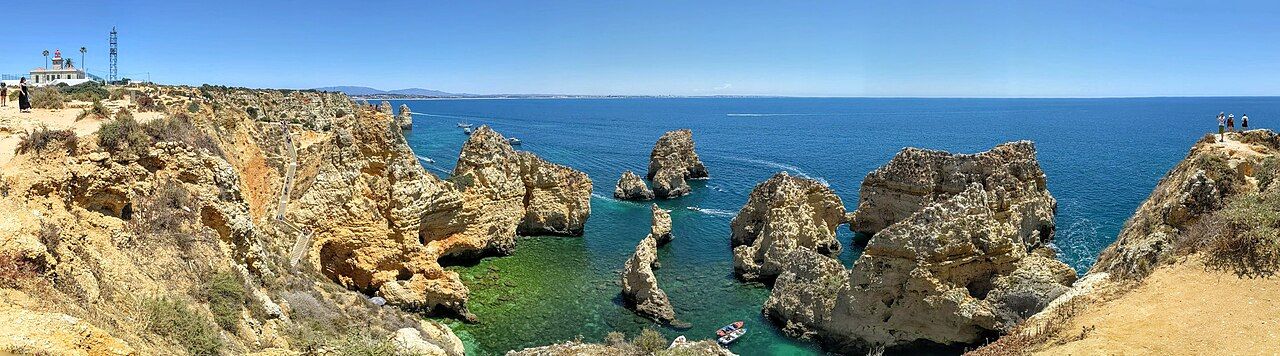
A walled historic town with a marina, busy restaurant streets and the coast's most dramatic rock scenery at Ponta da Piedade just outside. Meia Praia to the east is long and flat, while the famous coves west of town are reached by steps. It has a younger, livelier feel in summer than the resorts further east.

about 1h 21m from FAO Open in Google Maps
6

Tavira

CouplesSlow travelIsland beaches

A handsome eastern town of churches, an old bridge and riverside cafés, with its beaches out on the sandbar islands of the Ria Formosa, reached by ferry or a little train. The sea here is usually warmer and calmer than in the west. The catch is that nothing is on the doorstep: every beach day starts with a boat or a walk.

about 49 min from FAO Open in Google Maps

Weather and seasons

When to go to the Algarve

Air and water tell different stories here. By July the Algarve averages 29°C, yet the Atlantic peaks in late summer at only around 21°C, and it is colder again in the far west, where cold water welling up off Sagres chills even August swims. Spring is bright and fresh, with wildflowers on the clifftops and highs near 21°C in April, lovely for the coast paths but too cool for most beach days. The Portuguese holiday in August too, so from mid July to the end of August the coast is at its fullest and dearest. From November to February the resorts are quiet, green and cheap, and some seafront restaurants close; it is golf and long-lunch weather rather than beach weather.

Worth timing a trip around

February

Loulé Carnival

Floats and satirical parades have rolled through the centre of Loulé at carnival time since the early 20th century. It is family friendly by day, and a good excuse for a February break in the sun.

August

Silves Medieval Fair

The old town below the castle turns medieval for about ten days, with costumed markets, shows, music and food stalls. Evenings are best, when the heat drops and the castle is lit.

August

Olhão Seafood Festival

Olhão's waterfront gardens fill for several nights of seafood stalls and live music, a local favourite with long queues for the best dishes. Arrive early in the evening to eat before the concerts.

Daytime high to night-time low Sea temperature Rainfall
January: 71 mm of rainFebruary: 60 mm of rainMarch: 68 mm of rainApril: 56 mm of rainMay: 20 mm of rainJune: 5 mm of rainJuly: 1 mm of rainAugust: 1 mm of rainSeptember: 7 mm of rainOctober: 83 mm of rainNovember: 99 mm of rainDecember: 72 mm of rainJanuary: highs 17°C, lows 9°CFebruary: highs 17°C, lows 10°CMarch: highs 19°C, lows 11°CApril: highs 21°C, lows 13°CMay: highs 24°C, lows 16°CJune: highs 26°C, lows 18°CJuly: highs 29°C, lows 20°CAugust: highs 29°C, lows 20°CSeptember: highs 26°C, lows 19°COctober: highs 24°C, lows 17°CNovember: highs 20°C, lows 13°CDecember: highs 18°C, lows 11°CJanuary: sea 16°CFebruary: sea 15°CMarch: sea 15°CApril: sea 16°CMay: sea 17°CJune: sea 19°CJuly: sea 20°CAugust: sea 21°CSeptember: sea 20°COctober: sea 20°CNovember: sea 18°CDecember: sea 17°C17°9°J17°10°F19°11°M21°13°A24°16°M26°18°J29°20°J29°20°A26°19°S24°17°O20°13°N18°11°D
See the numbers
MonthHighLowSeaRain
January17°C9°C16°C71 mm
February17°C10°C15°C60 mm
March19°C11°C15°C68 mm
April21°C13°C16°C56 mm
May24°C16°C17°C20 mm
June26°C18°C19°C5 mm
July29°C20°C20°C1 mm
August29°C20°C21°C1 mm
September26°C19°C20°C7 mm
October24°C17°C20°C83 mm
November20°C13°C18°C99 mm
December18°C11°C17°C72 mm

Temperatures are 2015 to 2024 averages from NOAA records for Faro, 26 km away at 7 m. Rainfall is from the GPCC rain-gauge analysis (Deutscher Wetterdienst) for 2010 to 2019 and shows the typical (median) month, so one freak storm does not skew it. Sea temperatures: NOAA OISST, 1991 to 2020.

Sand, shingle and swimming

Beaches in the Algarve

Praia dos Pescadores

Albufeira's main town beach, a wide stretch of soft sand where fishing boats still pull up, joined at its western end by Praia do Peneco, which is reached through a tunnel in the rock from the old town. It is busy, convenient and well equipped, and the cafés behind make it easy with children.

Praia da Falésia

A long, straight beach below red and white cliffs, running from Olhos de Água towards Vilamoura. There is room to spread out even in August, and access is by steps or ramps at several points, so choose your entrance with care.

Praia da Marinha

A cove of golden sand below honey-coloured cliffs and rock arches, with calm, clear water on still days. It is reached by a steep path and steps, facilities are limited, and it is best early or late in the day.

Praia de Dona Ana

A small beach in Lagos between sandstone stacks and cliffs, with sheltered, clear water. It fills fast in summer, and the long flight of steps down makes it hard work with a pushchair.

Praia do Barril

On Tavira island, reached by a little train or a walk across the lagoon, with a vast stretch of pale sand, gentle water and a field of old tuna anchors in the dunes. Families love the space; bring shade, because there is little natural cover.

Things to do

Things to do in the Algarve

On the waterA

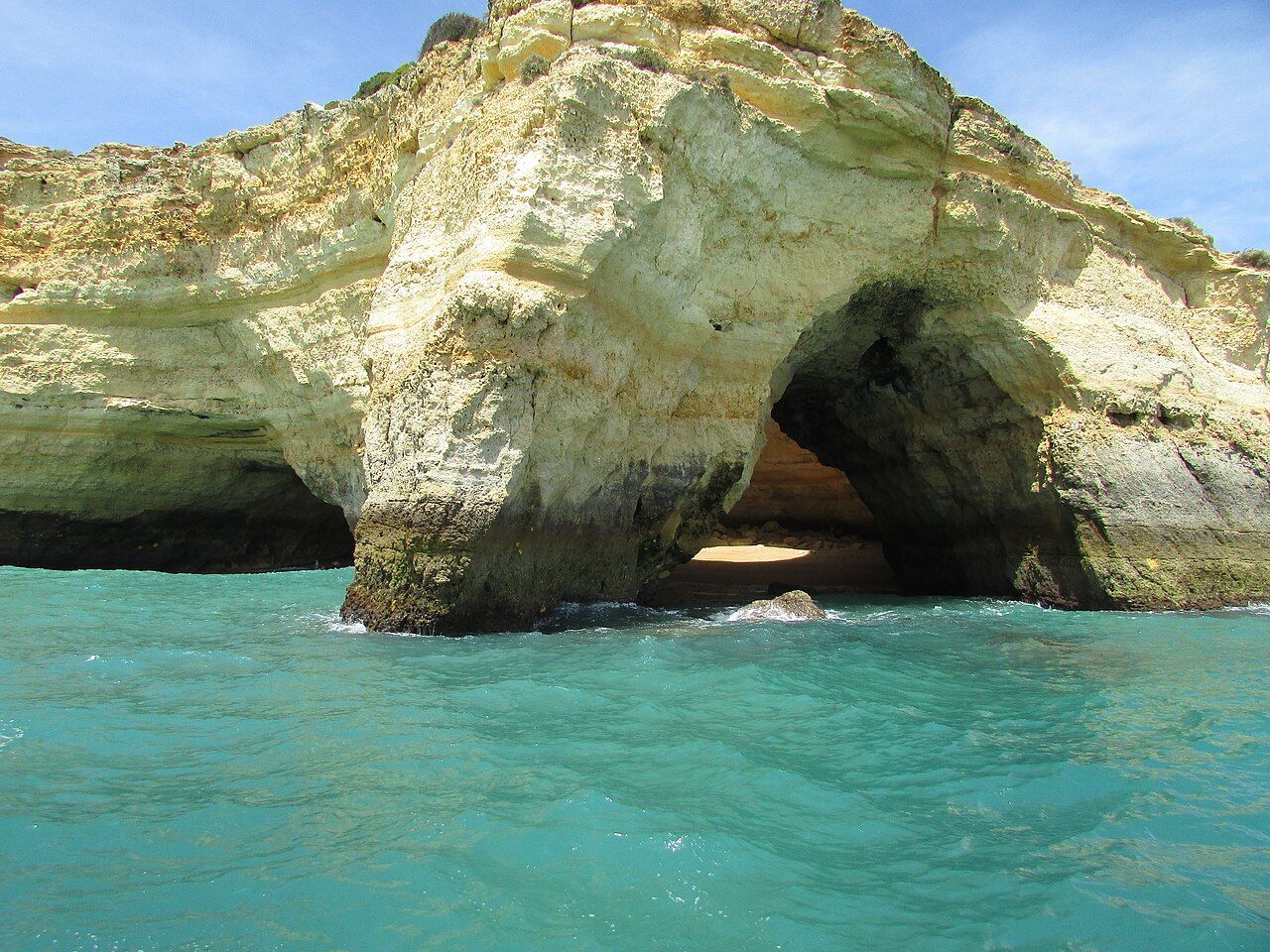
Benagil cave

A sea cave with a hole in its domed roof, east of Carvoeiro, seen from boat trips and kayak tours. Landing on the beach inside is no longer allowed, so this is a view from the water, and the first departures are the calmest, before the boat traffic builds.

NatureB

Seven Hanging Valleys Trail

A clifftop path from Praia da Marinha to Vale Centeanes, passing sinkholes, arches and the Benagil cave from above. There is no shade and the edges are unfenced, so go early, carry water and keep children close.

NatureC

Ponta da Piedade

A headland of sea stacks and grottoes just south of Lagos, with a lighthouse and a long staircase down to the water. Small boats from the harbour nose into the caves, and the light is kindest for photographs early in the morning.

WildlifeD

Ria Formosa

A lagoon of salt marsh, channels and barrier islands between Faro and Tavira, home to flamingos, spoonbills and wading birds. Boat trips from Faro and Olhão reach the island beaches; take binoculars and plenty of sun cream.

HistoryE

Sagres and Cabo de São Vicente

The windswept south-western corner of Portugal, where a lighthouse stands on sheer cliffs and the old fortress of Sagres guards the next headland. Sunset here is a local ritual; bring a jacket, because the wind rarely drops.

HistoryF

Silves

The former Moorish capital of the Algarve, crowned by a red sandstone castle above the river Arade. It is inland and much hotter than the coast in summer, so go in the morning and pair it with lunch in the town below.

NatureG

Monchique and Fóia

The hills behind Portimão rise to Fóia, the highest point in the Algarve, with cork oaks, the spa springs of Caldas de Monchique and views to the sea on clear days. It is cooler up here, and the winding road needs a careful driver.

ShoppingH

Loulé market

A domed, Moorish-style market hall in the centre of Loulé, busy with fish, fruit, honey and cheese. Saturday mornings add a big street market around it, so arrive early and bring cash for the smaller stalls.

Sport

Golf in the Golden Triangle

The Algarve has dozens of courses, many clustered around Vilamoura, Quinta do Lago and Vale do Lobo in the centre of the coast. Spring and autumn are the peak golf seasons, so book tee times well ahead; high summer is cheaper but hot, so tee off early.

AdventureI

Surfing the west coast

North of Sagres the coast turns to face the open Atlantic, with big, wild beaches such as Arrifana and Amado and surf schools for complete beginners. The water is noticeably colder than on the south coast, so hire a wetsuit even in August.

Food and drink

What to eat and drink

  • Cataplana

    A stew of clams, fish or pork with tomato and peppers, cooked and served in a hinged copper pan shaped like a clam. It is made for two or more and takes time, so order it and settle in.

  • Piri-piri chicken from Guia

    Chicken split, grilled over charcoal and brushed with hot chilli oil, a speciality of Guia, just north of Albufeira. Ask for the sauce on the side if you are unsure how much heat you like.

  • Octopus in Santa Luzia

    Santa Luzia, near Tavira, calls itself the octopus capital, and its restaurants serve it grilled, in rice or as a salad. The clay octopus pots stacked on the quay show where it comes from.

  • Dom Rodrigo

    A rich Algarve sweet of egg-yolk threads and almonds, wrapped in twists of coloured foil. One is plenty.

  • Medronho

    A fierce spirit distilled from the fruit of the strawberry tree in the hills of Monchique, sometimes sweetened with honey as melosa. Sip it slowly.

Money

What the Algarve costs

Position costs more than stars on the Algarve. A clifftop room above a beach carries a real premium, while hotels a few streets back, or across the main road, can be far cheaper for the same standard. Rooms near Albufeira's Strip are cheaper again, but noisy. Villas with pools often suit families and groups best, though most need a car. The spend that needs planning is golf: green fees at the big-name courses add up quickly, and spring and autumn tee times go early.

Flights and transfers

Getting to the Algarve from the UK

Faro takes direct flights from Leeds Bradford, Manchester and Newcastle for most of the year, and everywhere on the coast is a manageable transfer from it. It is among the easiest journeys on our list, which suits multi-generation family trips especially well.

Flights from UK airports

Faro FAO

  • Leeds BradfordDirect, about 3h
  • ManchesterDirect, about 2h 55m
  • NewcastleDirect, about 3h 10m

Route check September 2026. Some routes are seasonal and schedules change, so we confirm the live options when we quote.

Practical details

Know before you go

Time

Same time as the UK

Currency

Euro (€)

Language

Portuguese; English is very widely spoken in the resorts

Plugs

Type C and F, 230V

Driving

On the right

Tap water

Safe to drink, though it can taste strongly of chlorine, so many visitors buy bottled

Tipping

Not expected; round up or leave 5 to 10 percent for good service

Entry for British passport holders

Visa. No visa needed for tourist stays of up to 90 days in any 180-day period across the Schengen area.

Passport. Issued less than 10 years before you arrive, and valid for at least 3 months after the day you leave the Schengen area.

The EU Entry/Exit System is now in use, so you may be asked to register your fingerprints and photo at the border on your first visit. It is free.

Summarised from the FCDO travel advice on gov.uk, checked 29 September 2026. Rules change: read the current entry requirements and the full travel advice before you go.

Questions we get asked

Algarve FAQs

Is the sea warm enough to swim in the Algarve?+

For most adults, yes in summer, but it is the Atlantic: the sea peaks at around 21°C in late summer and can turn colder after a few days of westerly wind. The east, around Tavira, is usually warmer than the west, and the Atlantic coast beyond Sagres is colder still. Children often spend more time in the pool than the sea.

Which part of the Algarve is best for families?+

For young children, the wide, sandy beaches: Meia Praia at Lagos, Praia da Rocha, Falésia near Vilamoura and the island beaches off Tavira. Albufeira works well on its calmer west side, away from the Strip. Cove resorts like Carvoeiro are lovely but involve steps and small beaches, which suits older children better.

Is Albufeira too lively?+

Only if you stay in the wrong part. The Strip, from Oura up Avenida Sá Carneiro, is loud until the early hours in summer. The old town is busy but friendlier in feel, and the hotels to the west, towards Galé and Salgados, are quiet. Groups and families can share the resort happily if they choose different ends.

Do you need a car in the Algarve?+

Not for a beach week in Albufeira, Lagos or Vilamoura, where taxis, buses and boat trips cover the basics. For villas, the west coast, Monchique and the cove beaches, a car helps. The A22 motorway uses electronic tolls only, so ask for a hire car with a toll device, which saves admin charges later.

Is the Algarve windy?+

The west is. From Lagos to Sagres and up the Atlantic coast a stiff breeze is common, especially in the afternoon, which is why the surfers go there. The central Algarve around Albufeira and Vilamoura is calmer, and the east around Tavira calmer still. Clifftop sunbathing can feel cool in spring even on a sunny day.

Are Algarve beaches hard to get down to?+

Some are. The famous coves below the cliffs, such as Marinha, Dona Ana and Camilo, are reached by long flights of steps or steep paths, which is hard with a pushchair or limited mobility. Meia Praia in Lagos, the long beaches at Armação de Pêra and Quarteira, and the island beaches off Tavira are far easier. We check this for every hotel we suggest.

Your world, your way

Thinking about the Algarve?

Tell us roughly what you have in mind. We will compare the flights, hotels, routes and operators, explain the trade-offs and build the version that works for you.

Start your trip