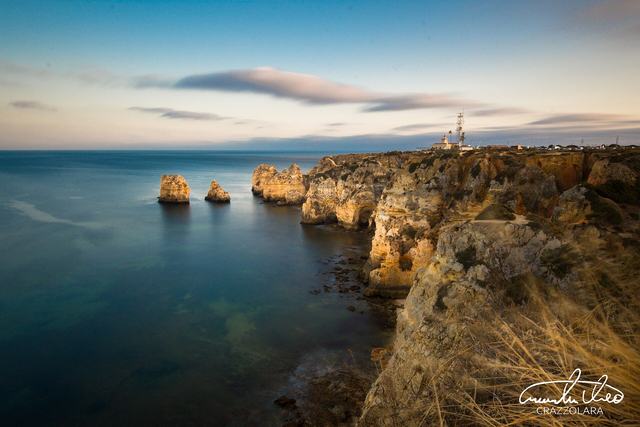
Travellers expecting Mediterranean sea temperatures, because this is the Atlantic, and even in August the water is refreshing in a way the Algarve's brochures politely skip.
What we would want you to know
Season and exact base change the balance between beach and exploring.
We’ve been here
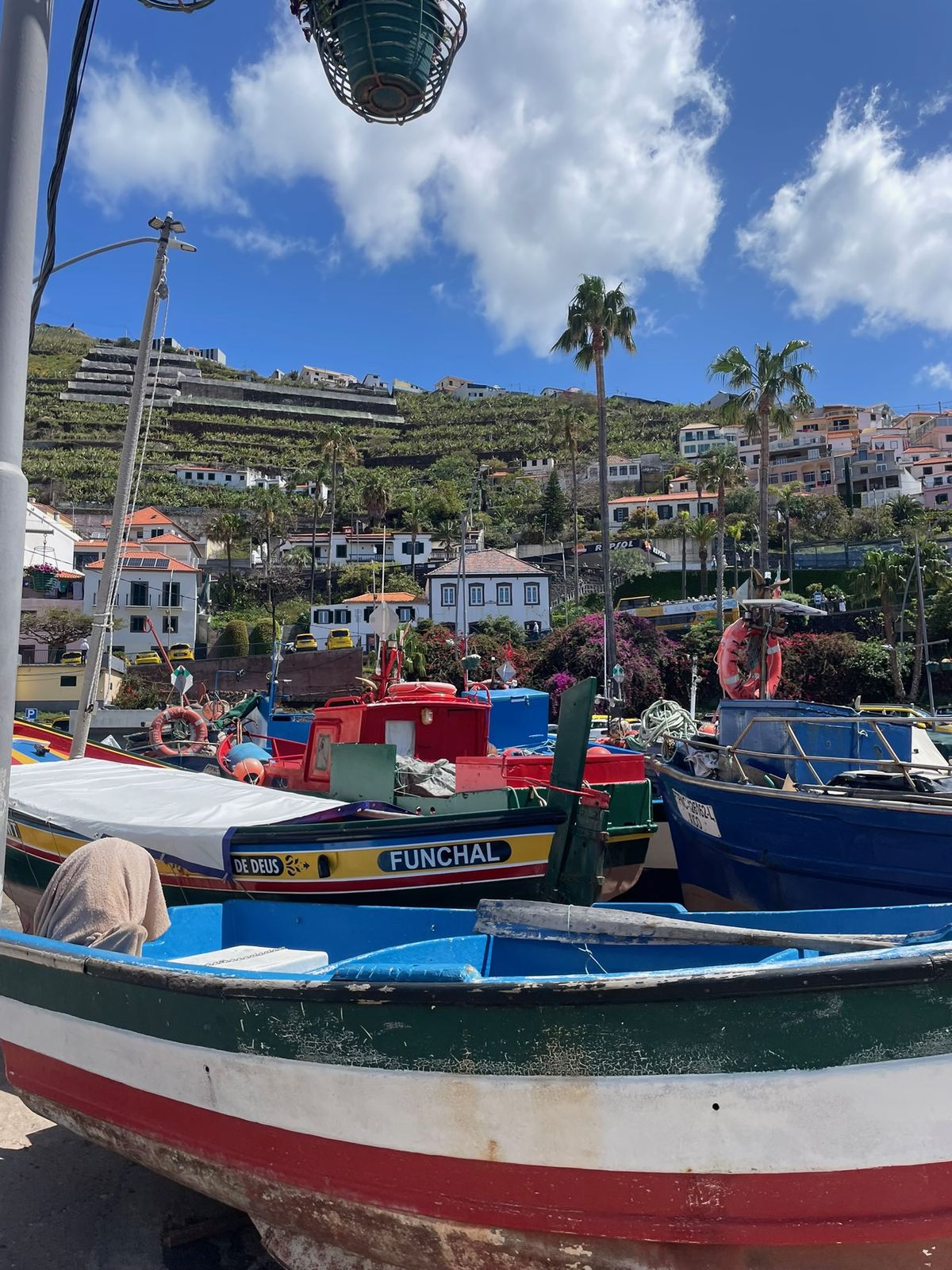
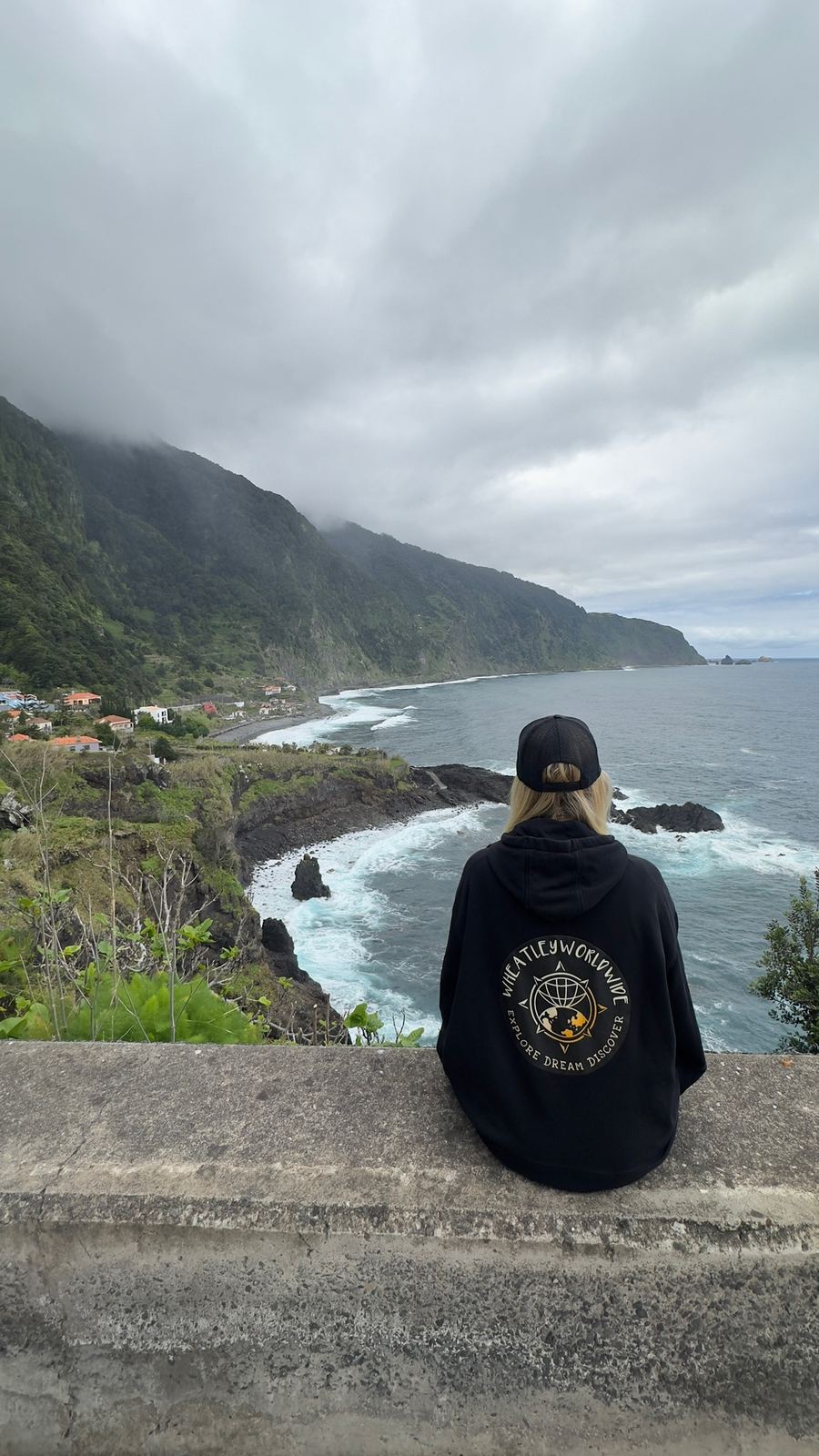
Madeira is the part of Portugal we know best: our anniversary trip in April 2025 took us from Funchal and Câmara de Lobos up to Pico do Arieiro and along the levadas. Si has also been to Lisbon for a trade event and Beth for a city break, while Porto and the Algarve come from research and client enquiries, and we always say which kind of advice you are getting.
From our trips
Portugal, as we filmed it
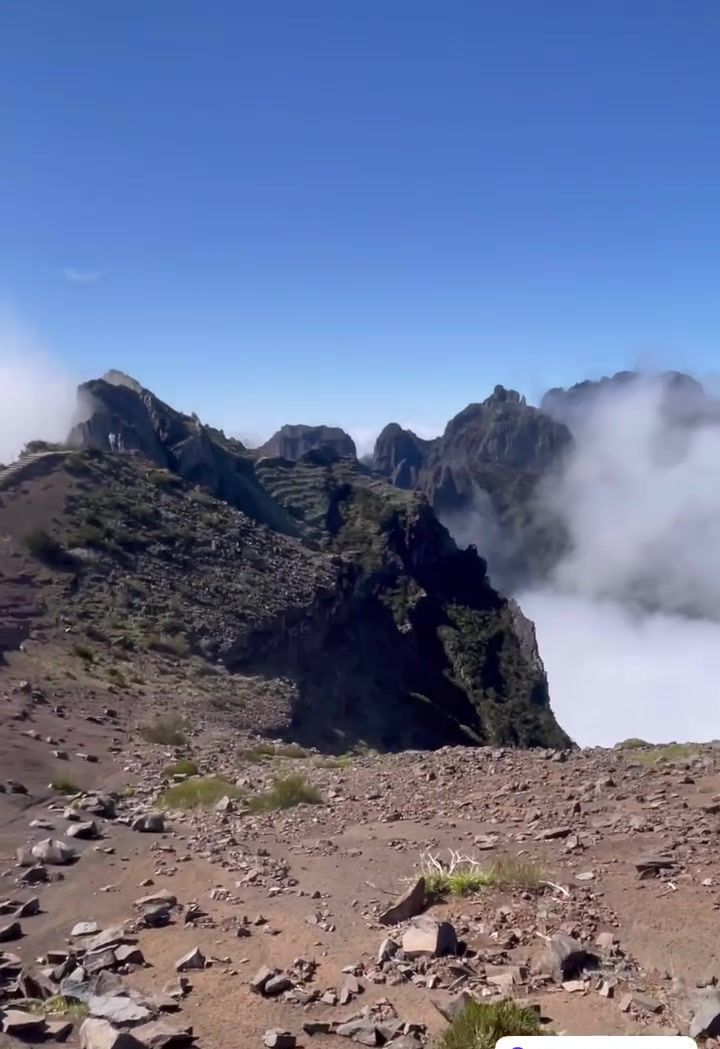
Pico do Arieiro
Filmed by us on the trip itself and shown without sound. No stock footage.
Weather and seasons
When to go to Portugal
Portugal's weather changes more from north to south than its size suggests. Lisbon averages 28°C in July, usually tempered by an Atlantic breeze, while the Douro Valley and the Alentejo inland bake in summer and are far better in May or late September. Porto and the green north are the wettest part of the country, and even Lisbon averages 133mm in November, so an autumn city break needs an umbrella. Madeira runs on its own mild calendar, never very hot and never cold, with spring flowers and a famous New Year. Lisbon and Porto stay open all year, and January in the capital still reaches around 15°C.
Worth timing a trip around
12 to 13 June
Santo António, Lisbon
Lisbon's biggest street party: neighbourhood parades on the evening of 12 June, then the old quarters fill with grilled sardines, pots of basil and music until dawn.
23 to 24 June
São João, Porto
Porto stays up all night for its patron saint, with fireworks over the Douro at midnight and crowds tapping each other on the head with plastic hammers.
April or May
Madeira Flower Festival
Funchal decorates its streets with flower carpets and holds a parade of floral floats, usually a few weeks after Easter. Hotels in the city book early for the parade weekend.
13 May and 13 October
Fátima pilgrimages
Hundreds of thousands of pilgrims gather at the sanctuary on the anniversaries of the first and last apparitions, many walking for days. Roads and rooms nearby are full, so avoid those dates unless you are going for them.
31 December
New Year's Eve in Funchal
Fireworks light the whole amphitheatre of Funchal's bay at midnight, watched from balconies, the harbour and ships offshore. Rooms with a view of the bay sell out months ahead.
Daytime high to night-time low Sea temperature Rainfall
See the numbers
Month
High
Low
Sea
Rain
January
15°C
9°C
15°C
74 mm
February
17°C
10°C
15°C
63 mm
March
18°C
11°C
15°C
60 mm
April
20°C
12°C
15°C
60 mm
May
24°C
15°C
16°C
27 mm
June
26°C
17°C
18°C
8 mm
July
28°C
19°C
18°C
2 mm
August
29°C
19°C
19°C
1 mm
September
27°C
18°C
19°C
10 mm
October
23°C
16°C
18°C
68 mm
November
18°C
12°C
17°C
133 mm
December
16°C
10°C
16°C
71 mm
Temperatures are 2015 to 2024 averages from NOAA records for Lisboa Geofisica, 1 km away at 77 m. Rainfall is from the GPCC rain-gauge analysis (Deutscher Wetterdienst) for 2010 to 2019 and shows the typical (median) month, so one freak storm does not skew it. Sea temperatures: NOAA OISST, 1991 to 2020.
See the numbers
Month
High
Low
Sea
Rain
January
14°C
6°C
14°C
98 mm
February
16°C
7°C
13°C
105 mm
March
16°C
8°C
14°C
114 mm
April
18°C
10°C
14°C
144 mm
May
21°C
12°C
16°C
73 mm
June
22°C
14°C
17°C
32 mm
July
24°C
15°C
17°C
5 mm
August
24°C
15°C
17°C
13 mm
September
23°C
14°C
17°C
31 mm
October
21°C
13°C
17°C
116 mm
November
17°C
10°C
15°C
69 mm
December
16°C
8°C
14°C
155 mm
Temperatures are 2015 to 2024 averages from NOAA records for Porto, 11 km away at 70 m. Rainfall is from the same station and shows the typical (median) month, so one freak storm does not skew it. Sea temperatures: NOAA OISST, 1991 to 2020.
See the numbers
Month
High
Low
Sea
Rain
January
19°C
14°C
19°C
181 mm
February
18°C
13°C
18°C
156 mm
March
19°C
13°C
18°C
142 mm
April
20°C
14°C
18°C
116 mm
May
21°C
15°C
19°C
52 mm
June
22°C
17°C
21°C
33 mm
July
24°C
19°C
22°C
9 mm
August
25°C
20°C
23°C
16 mm
September
25°C
19°C
24°C
63 mm
October
24°C
18°C
23°C
198 mm
November
21°C
16°C
21°C
232 mm
December
20°C
15°C
20°C
173 mm
Temperatures are 2015 to 2024 averages from NOAA records for Funchal, 4 km away at 56 m, adjusted for the 257 m difference in altitude. Rainfall is from the GPCC rain-gauge analysis (Deutscher Wetterdienst) for 2010 to 2019 and shows the typical (median) month, so one freak storm does not skew it. Sea temperatures: NOAA OISST, 1991 to 2020.
Things to do
Things to do in Portugal
HistoryA
Belém, Lisbon
The riverside district where the Jerónimos Monastery and Belém Tower celebrate the age of Portuguese exploration in carved Manueline stone. Queues build from mid-morning, so book timed tickets online and arrive at opening.
Day tripsB
Sintra
Hill palaces and gardens in the forest above Lisbon, led by the painted Pena Palace and the Moorish castle walls. Take the train from the city rather than driving, because parking is scarce and the lanes are narrow, and book palace entry for a set time.
CultureC
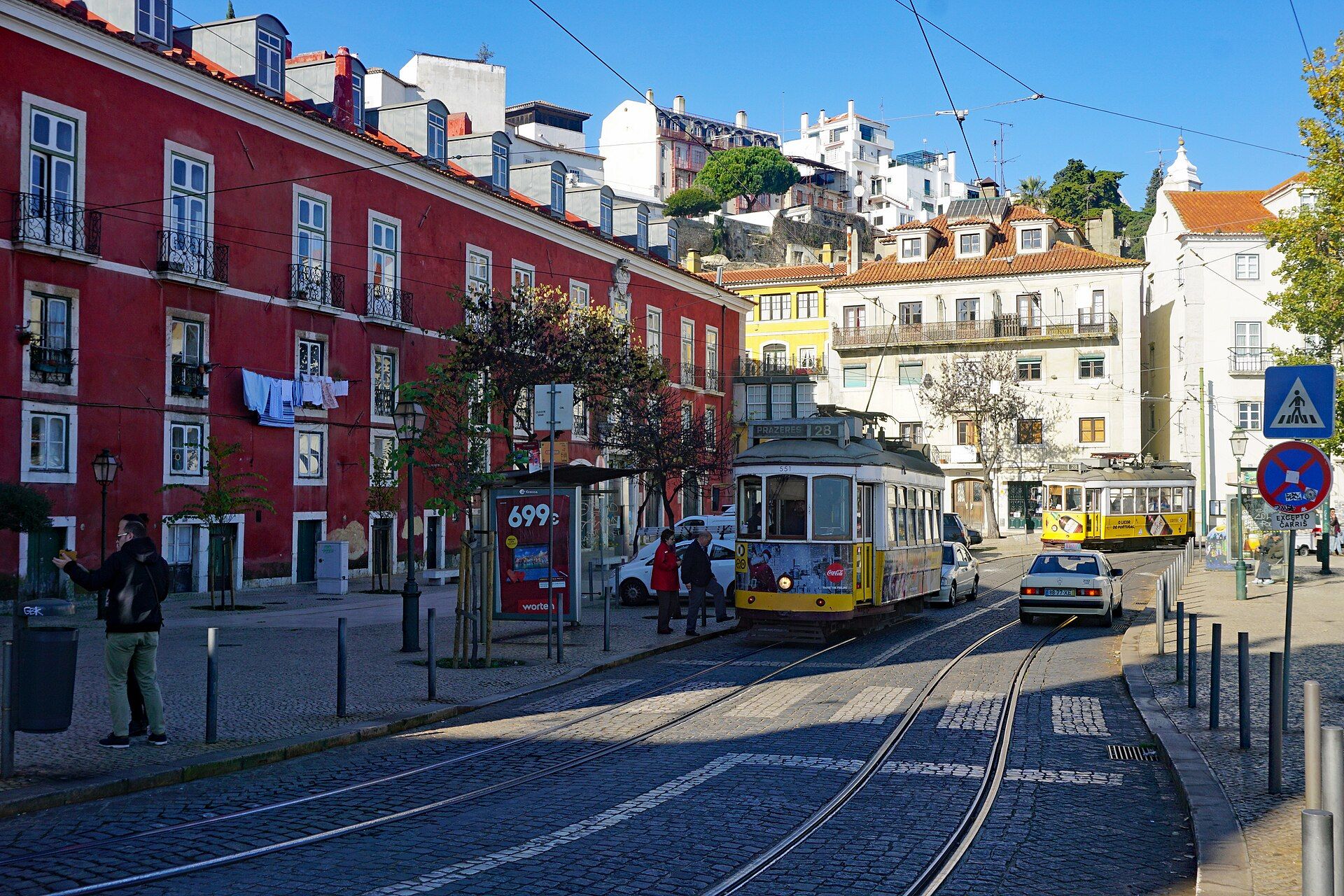
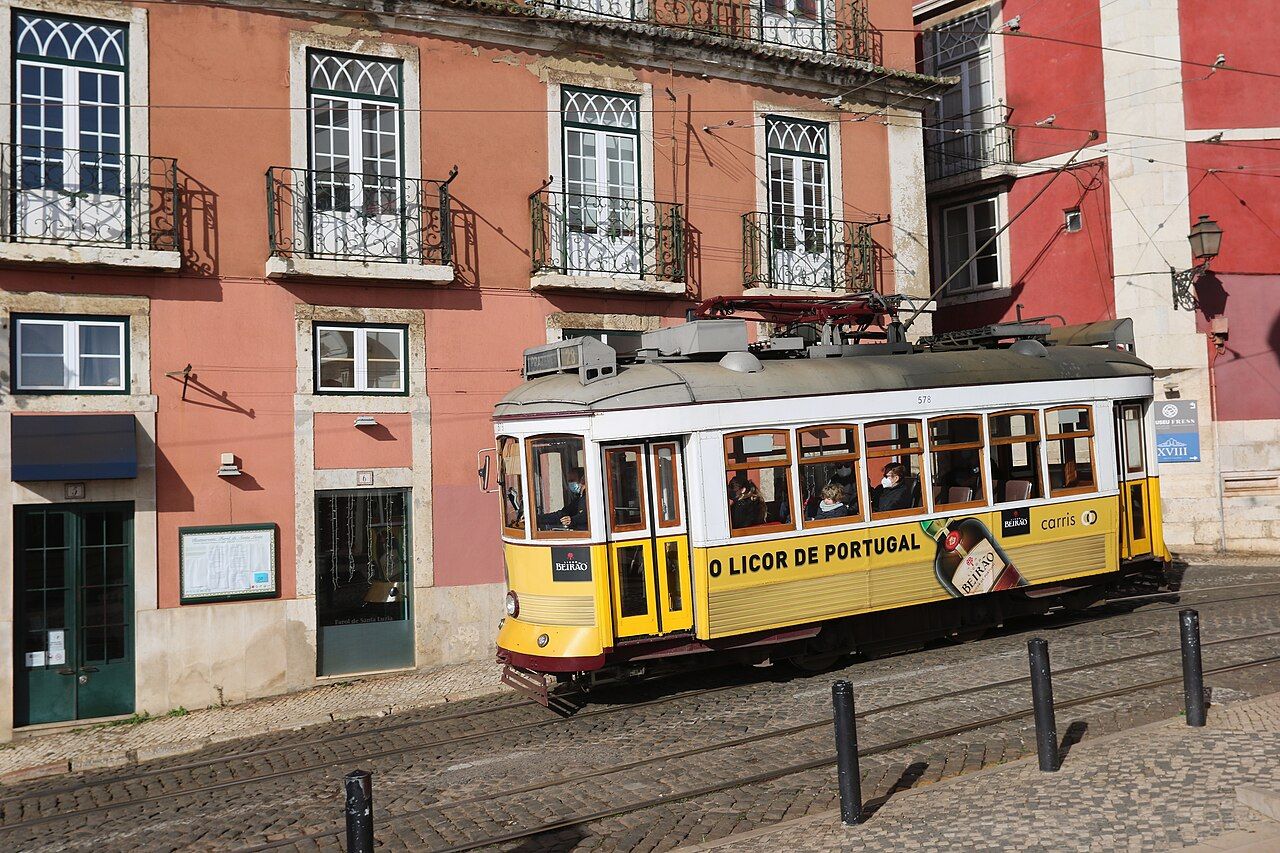
Alfama and tram 28
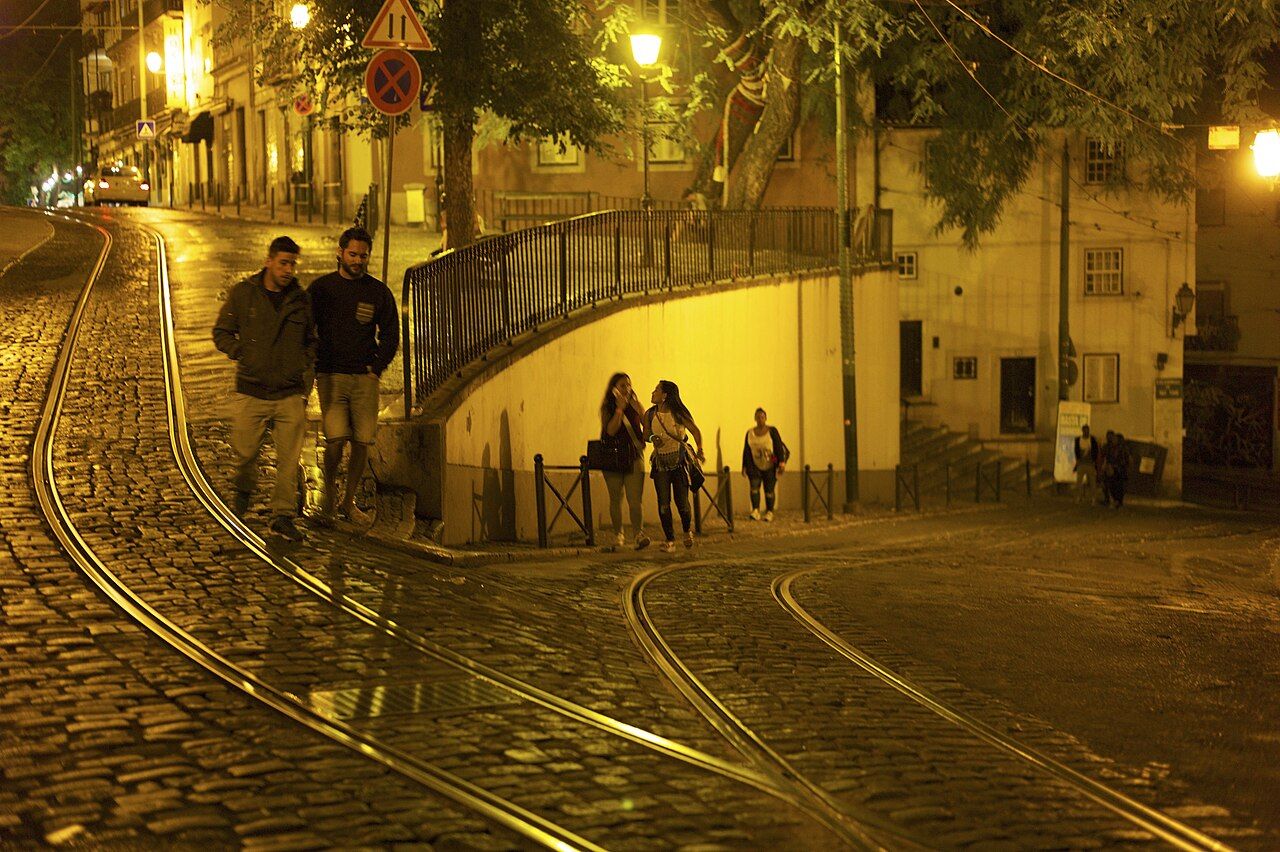
Lisbon's oldest quarter is a tangle of steep lanes, washing lines and viewpoints over the river, and the old yellow tram 28 grinds up through it. Ride early to get a seat, and keep bags zipped, because pickpockets work the busiest trams.
Music
Fado
Portugal's song of longing is sung in small houses in Lisbon's Alfama and Mouraria, and in a distinct student style in Coimbra. Performers expect silence during a song, so order food and drinks between sets.
FoodD
Porto's Ribeira and the port lodges
Porto's riverfront quarter faces the port wine lodges of Vila Nova de Gaia across the Douro, linked by the double-decker Dom Luís I bridge. Tours with tastings run all day; book ahead in summer, and cross on the top deck for the view.
NatureE
Douro Valley
Terraced vineyards fold down to the river east of Porto, and the train from the city follows the water for the last stretch to Pinhão. September is the grape harvest, the most atmospheric and the busiest time for quintas offering tastings.
AdventureF
Madeira's levadas
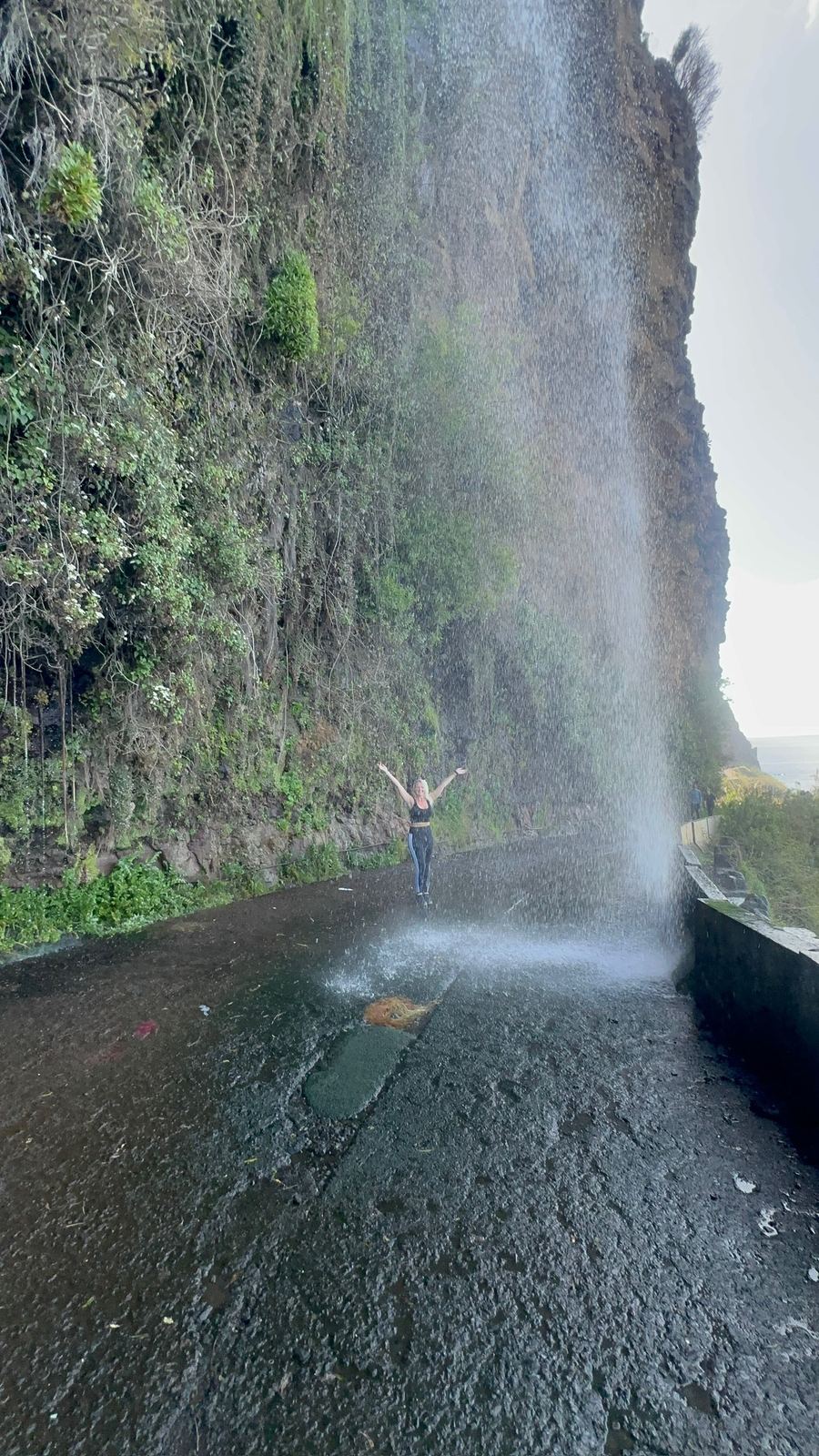
Old irrigation channels contour around Madeira's mountains, with level paths beside them through laurel forest and along cliff edges. Some routes have sheer drops and dark tunnels, so take a torch and check which trails are open, as storms and rockfalls close sections.
HistoryG
University of Coimbra
Portugal's oldest university crowns the hill above Coimbra, with the gilded Joanina Library as its showpiece. Library visits run in small groups at set times, so book a day ahead in summer.
HistoryH
Évora
A walled Alentejo city with a Roman temple at its highest point and a chapel lined with human bones. Summer afternoons are fiercely hot, so spring and autumn suit a visit, ideally with a night to enjoy the quiet streets after the day-trippers leave.
NatureI
Nazaré
In winter the swell off Praia do Norte builds the giant waves that big-wave surfers travel from around the world to ride, watched from the lighthouse fort on the headland. Big days are forecast only a few days ahead, so it suits a flexible trip.
Food and drink
What to eat and drink
Pastel de nata
Custard tarts in crisp, flaky pastry, best eaten warm with a dusting of cinnamon. Every café sells them, and one fresh from the oven beats a packaged one by a mile.
Bacalhau
Dried salt cod, soaked and cooked in more ways than there are days in the year. Bacalhau à Brás, shredded with egg, onion and thin fried potatoes, is the easiest place to start.
Francesinha
Porto's heavyweight sandwich of steak, ham and sausage under melted cheese and a spiced beer and tomato sauce, often with a fried egg and chips. One is a meal, so share it if in doubt.
Caldo verde
A simple soup of potato and finely shredded kale with a slice of chouriço, served everywhere from family tables to festival stalls.
Poncha
Madeira's drink of sugar-cane rum, honey and lemon juice, stirred with a wooden stick. Câmara de Lobos is known for it, and it is stronger than it tastes.
Port
Fortified wine from the Douro, aged in the lodges of Vila Nova de Gaia. White port with tonic is the summer aperitif, and a glass of tawny is the classic end to dinner.
Money
What Portugal costs
Eating out in Portugal still costs less than in Spain or France, and the lunchtime dish of the day is remarkably good value. City hotels are another matter: Lisbon and Porto rates have climbed steeply, and both cities add a nightly tourist tax. Summer weekends and the June festivals push prices higher still. The money goes furthest on a central city hotel, which saves taxi rides up the hills, and on a hire car fitted with an electronic toll device if you plan to use the motorways.
What things cost there
Coffee (a bica) at the counter€0.80 to €1.50
Pastel de nata€1.20 to €2
Dish of the day (prato do dia) at lunch€9 to €15
Glass of house wine€2 to €4
Lisbon tram 28, fare paid on boardaround €3 to €3.50
Port lodge tour with tasting€15 to €35
Pena Palace and park ticketaround €20 to €30
Eating out is cheap by western European standards, especially the dish of the day, while Lisbon hotels, Sintra tickets and anything with a river view have climbed fast.
Typical prices in tourist areas, checked September 2026. A guide to budget with, not a quote.
Flights and transfers
Getting to Portugal from the UK
Faro takes direct flights from Leeds Bradford, Manchester and Newcastle for most of the year, thinning in winter. Lisbon and Porto are served year-round, mostly from Manchester among the northern airports. Transfers along the Algarve are short and simple.
Flights from UK airports
Lisbon LIS
Leeds BradfordWith a connection, about 4h 55m
ManchesterDirect, about 2h 55m
NewcastleWith a connection, about 4h 45m
Route check September 2026. Some routes are seasonal and schedules change, so we confirm the live options when we quote.
Practical details
Know before you go
Time
Same time as the UK
Currency
Euro (€)
Language
Portuguese; English is widely spoken in Lisbon, Porto, Madeira and the resorts
Plugs
Type C and F, 230V
Driving
On the right
Tap water
Safe to drink across mainland Portugal and Madeira, though many people prefer bottled
Tipping
Not expected; round up or leave 5 to 10 percent for good service
Entry for British passport holders
Visa. No visa needed for tourist stays of up to 90 days in any 180-day period across the Schengen area.
Passport. Issued less than 10 years before you arrive, and valid for at least 3 months after the day you leave the Schengen area.
The EU Entry/Exit System is now in use, so you may be asked to register your fingerprints and photo at the border on your first visit. It is free.
Lisbon for scale: palaces, river views, a bigger choice of hotels and easy day trips to Sintra and the Cascais coast. Porto for a smaller, more compact city with the port lodges and the Douro Valley close by. Both are hilly, so comfortable shoes matter more than anything else you pack. Many people do Lisbon first and save Porto for a return trip.
How many days do you need in Lisbon?+
Three full days covers the old quarters, Belém and a day in Sintra at a sensible pace. Add a fourth for Cascais or a slower day of viewpoints and cafés. Beyond that, most visitors are happier moving on to the coast, such as the Algarve, for the rest of the trip.
Can you combine Lisbon with the Algarve?+
Easily, and it is one of our favourite two-centre shapes. Trains run from Lisbon to Faro and other Algarve towns, or a hire car covers it by motorway. We usually suggest three nights in Lisbon first, then a week on the coast, flying home from Faro.
Is Madeira good for a beach holiday?+
Not really. Madeira has dramatic cliffs, gardens and walking, but very little natural sand, so most swimming happens in hotel pools, lido complexes and natural rock pools such as those at Porto Moniz. If a sandy beach matters, the neighbouring island of Porto Santo has a long golden one, a short flight or ferry away.
Do people in Portugal speak Spanish?+
Many understand it, but Portuguese is a different language, and opening a conversation in Spanish can go down badly. English is widely spoken in Lisbon, Porto, Madeira and the Algarve, and a simple obrigado (or obrigada if you are a woman) for thank you is always appreciated.
When does it rain in Portugal?+
Mostly from October to April, and far more in the north than the south. Porto and the Minho are green because they are wet, Lisbon is drier and the Algarve drier still. Summer is almost rain-free across the mainland, while on Madeira the north coast catches more cloud and rain than sunny Funchal.
Photographs
Portugal in pictures
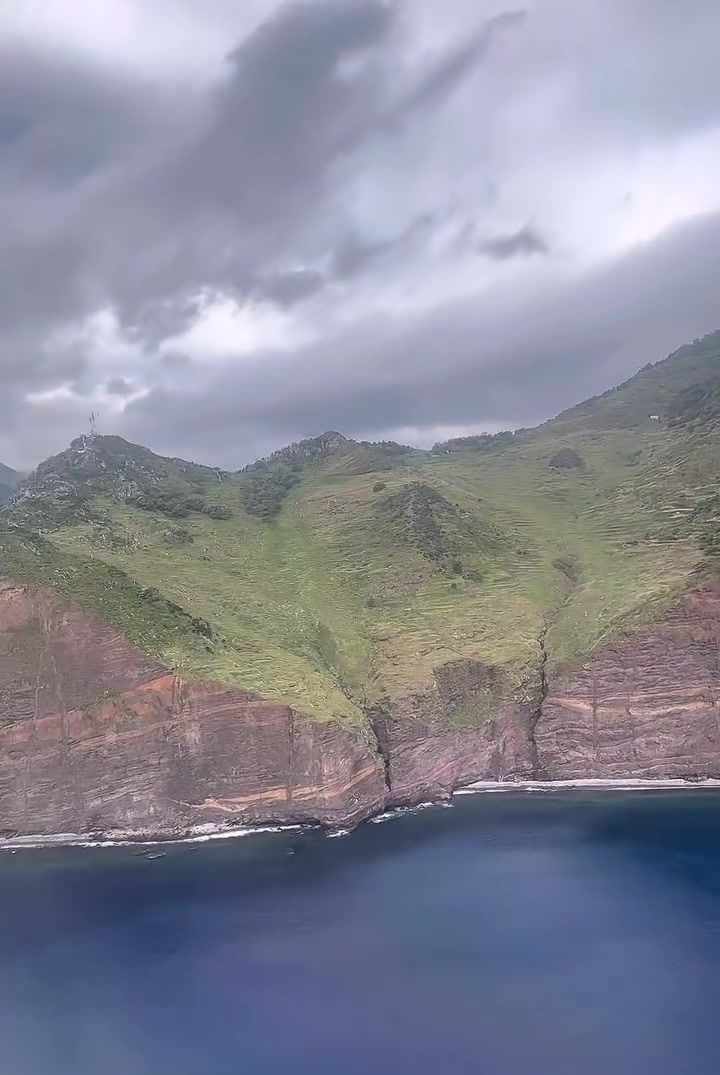
Above the clouds on Pico do Arieiro, Madeira Photo: Si & BethLanding along Madeira's coast Photo: Si & BethPhoto: Si & BethPhoto: Si & BethPhoto: Si & BethPhoto: Ingo Mehling, CC BY-SA 4.0 sourcePhoto: Pedro Ribeiro Simões from Lisboa, Portugal, CC BY 2.0 source
Tell us roughly what you have in mind. We will compare the flights, hotels, routes and operators, explain the trade-offs
and build the version that works for you.