
Peru

Central & South America · Touring guide

Peru

History, landscapes and altitude, with pacing that should protect the experience.

We’ve been hereMachu PicchuCultureTouring
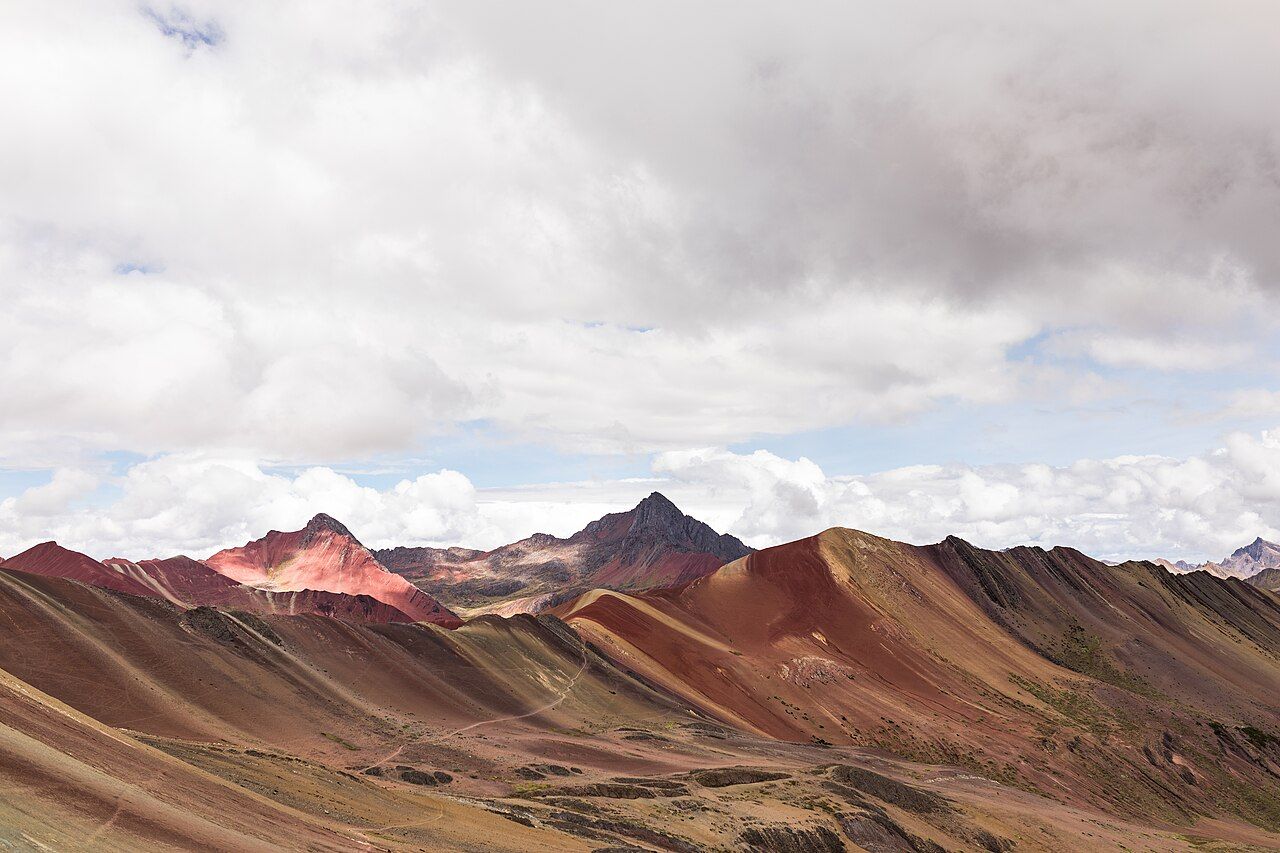
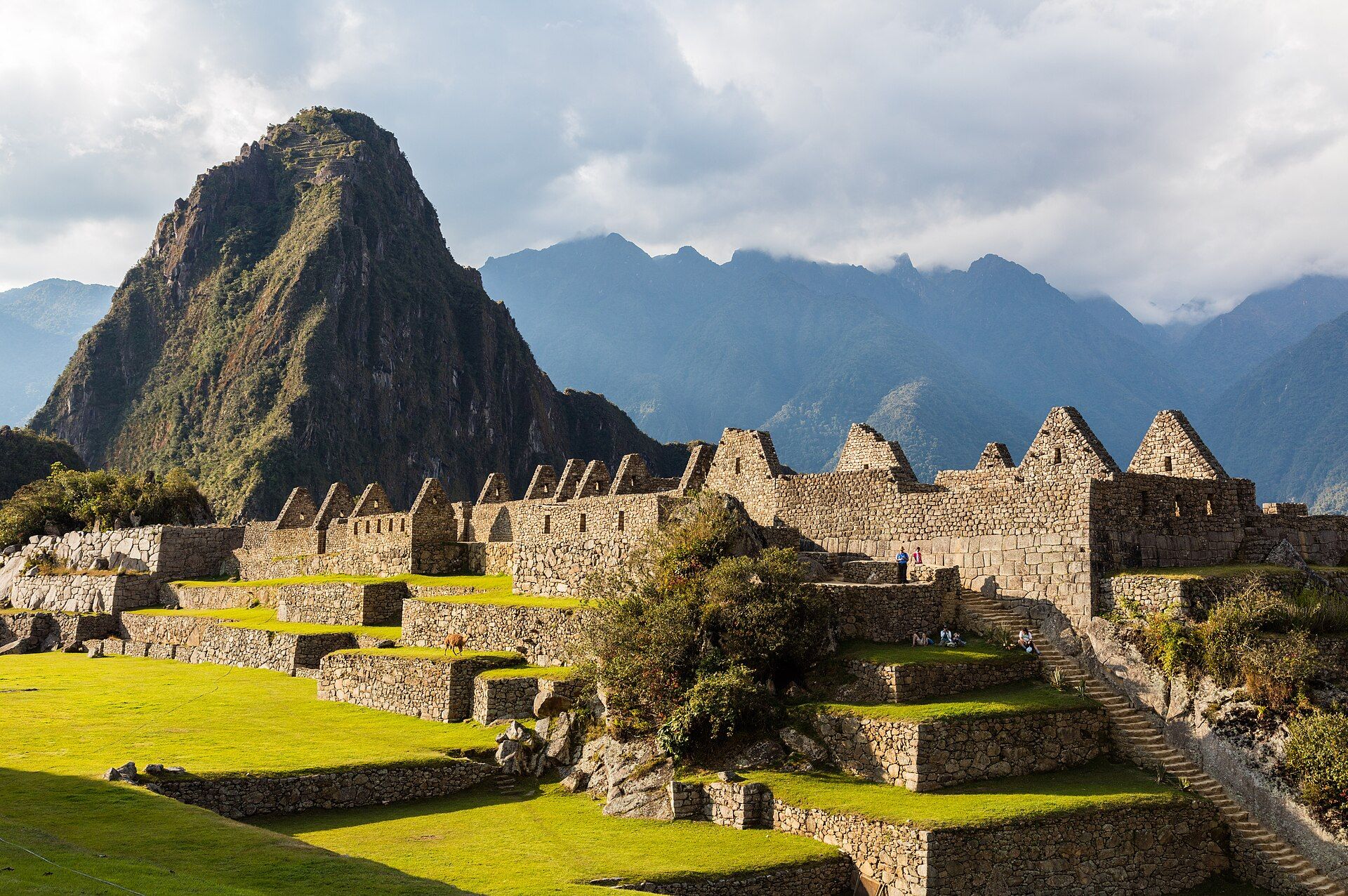
Photo: Diego Delso, CC BY-SA 4.0 source
Journey15h 15m with a stopfrom London Gatwick
Time5 hours behind the UK in winter, 6 hours in summer
Typical stay10 to 14 nights
CurrencyPeruvian sol (S/)
How we book itBuilt by us

Is it right for you?

Who Peru suits

A strong fit for

Culture, touring and once-in-a-lifetime travel.

We would think twice for

Travellers who want a restful holiday, because Peru's classic route is a procession of early starts, altitude and moving days, magnificent and demanding in roughly equal measure.

What we would want you to know

Altitude and internal journeys make slower planning better.

We’ve been here

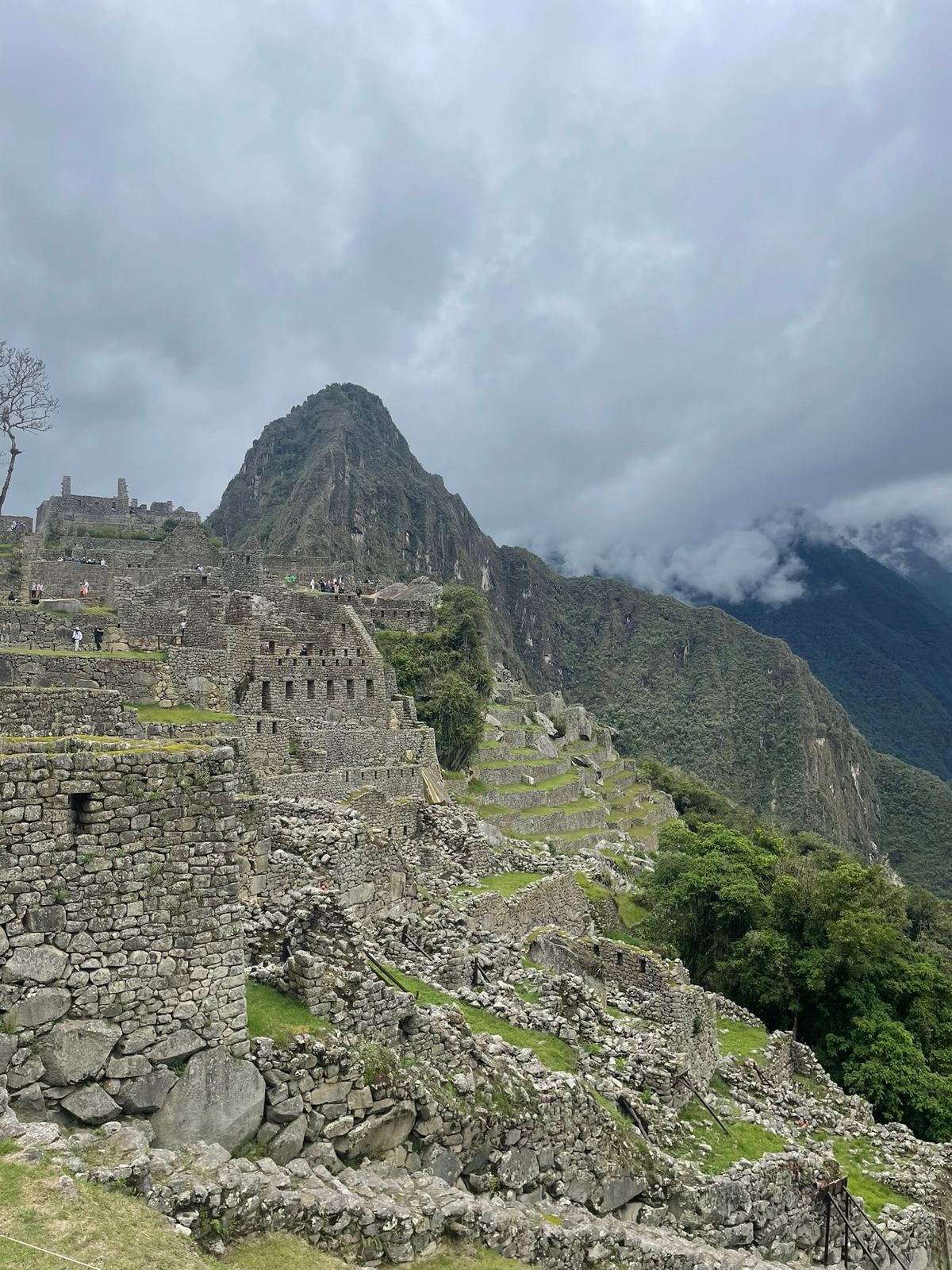
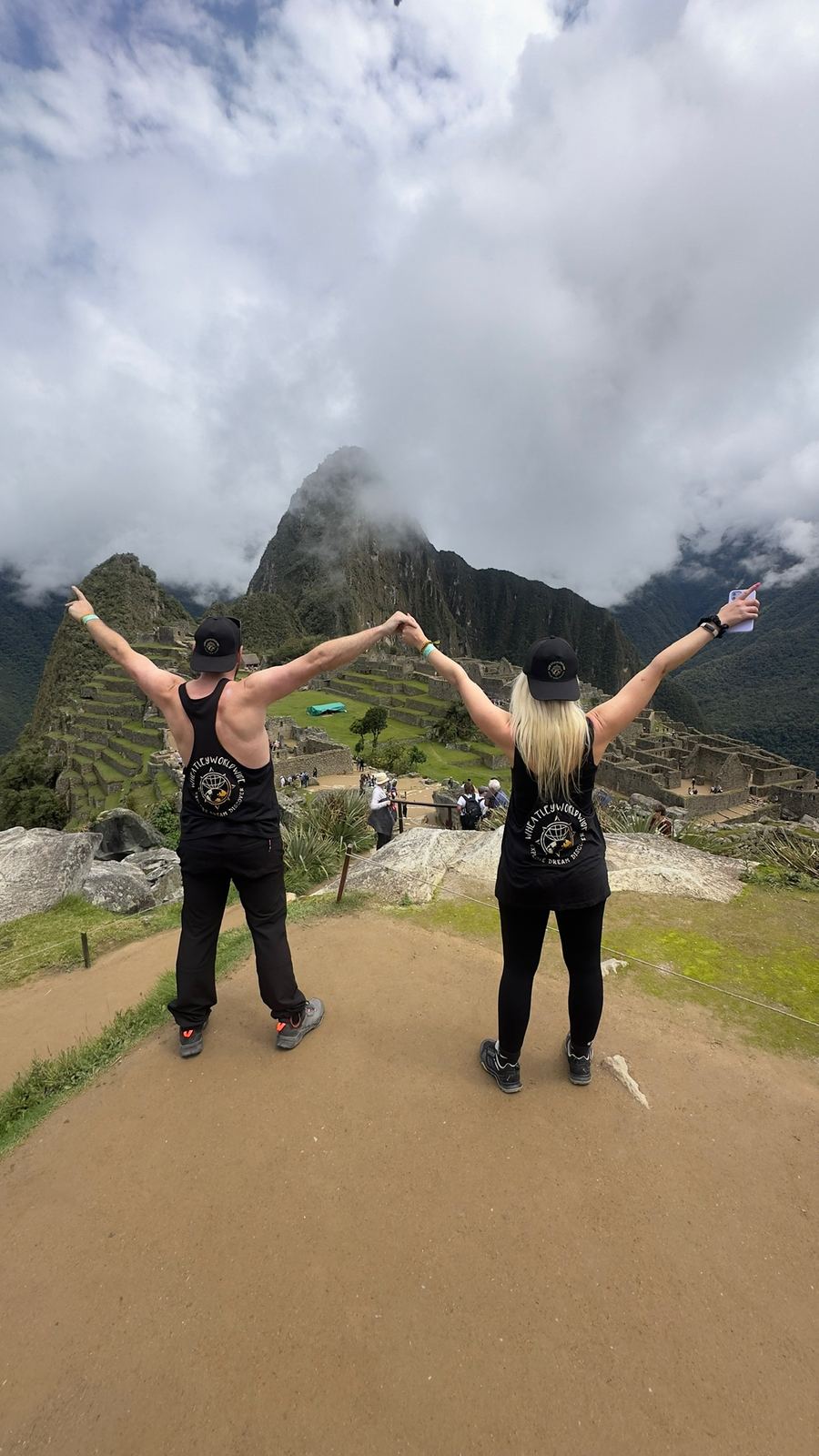
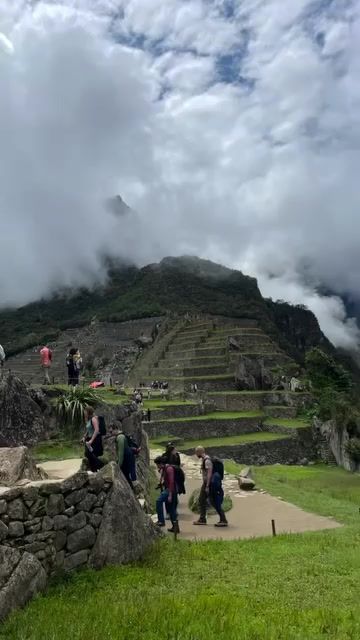
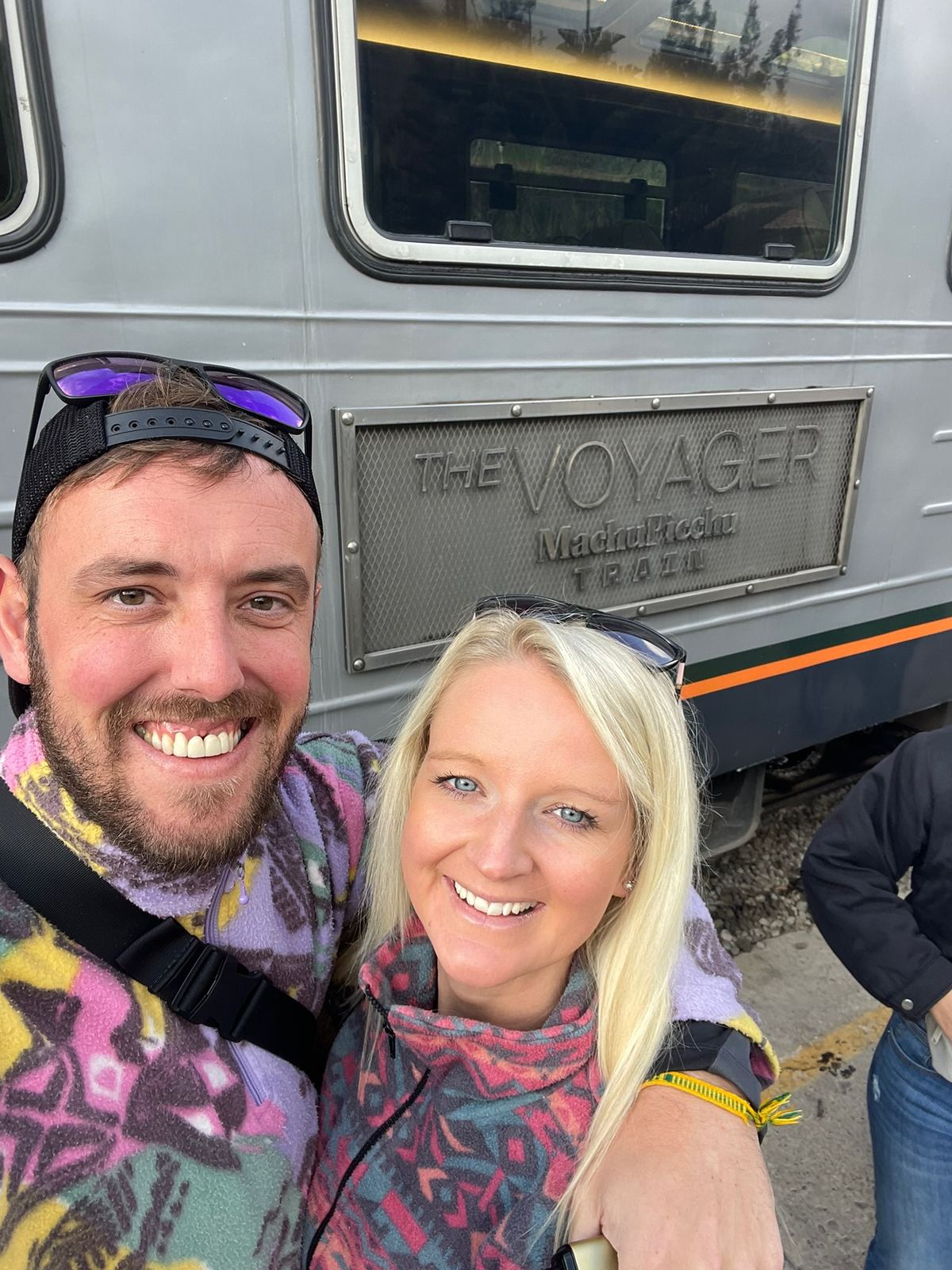
We have been up to Machu Picchu ourselves, after Cusco and Ollantaytambo in the Sacred Valley and on the back route through Santa Teresa. That trip shapes how we plan the ruins: the site is only as good as your entry time, your guide and how rested you are, so we build the days before it around arriving acclimatised, early and unhurried.

From our trips

Peru, as we filmed it

Machu Picchu
Above the citadel

Filmed by us on the trip itself and shown without sound. No stock footage.

The route

Valley first, city last

  1. Nights 1 and 2

    Lima

    Arrive, sleep off the journey and eat well: a market morning, a clifftop walk in Miraflores and a long lunch. Lima sits at sea level, so the altitude has not started yet.

  2. Nights 3 to 5

    The Sacred Valley

    Fly up to Cusco and drive straight down into the valley to sleep lower. Visit Pisac, the salt pans at Maras and Moray, and the Inca town of Ollantaytambo.

  3. Night 6

    Machu Picchu and Aguas Calientes

    Take the train down the valley in the afternoon, sleep in Aguas Calientes and be at the gates for an early entry with your guide.

  4. Nights 7 to 9

    Cusco

    Return by train and road to Cusco, now acclimatised. Explore San Blas, the cathedral and the Inca stonework, and consider Rainbow Mountain if you feel strong.

  5. Nights 10 and 11

    Lake Titicaca from Puno

    Travel on by road or on the scenic train across the altiplano to Puno for the reed islands and Taquile, or cross into Bolivia from here.

An idea to react to, not a fixed package. We shape the real thing around your dates, your pace and what the flights are doing that season.

Map and stops

The places on the route

1

Lima

FoodArrival nightsSea views

Most visitors stay in Miraflores, on clifftops above the Pacific with parks and a long seafront path, or in neighbouring Barranco, smaller and more bohemian with bars and galleries. The colonial centre deserves a guided morning. The catch is the sky: from about June to October a low grey cloud can sit over the city for weeks at a time.
2

The Sacred Valley

AcclimatisingGardensInca sites

A broad, fertile valley several hundred metres lower than Cusco, with Inca terraces, market towns and hotels set in gardens along the Urubamba river. Sleeping here first makes the altitude far kinder. Evenings are quiet and hotels spread out, so you rely on a driver more than in Cusco, and Ollantaytambo, at the valley's western end, is where many Machu Picchu trains leave.

3

Machu Picchu and Aguas Calientes

Early entryWalkersOne night

Aguas Calientes is the railway town in the gorge below the ruins, a strip of hotels, cafés and hot springs squeezed along the river. It is not a place to linger, but one night here means an early bus up and time at the site before the day trains arrive. We think the extra night is worth it.

4

Cusco

HistoryRestaurantsEvenings

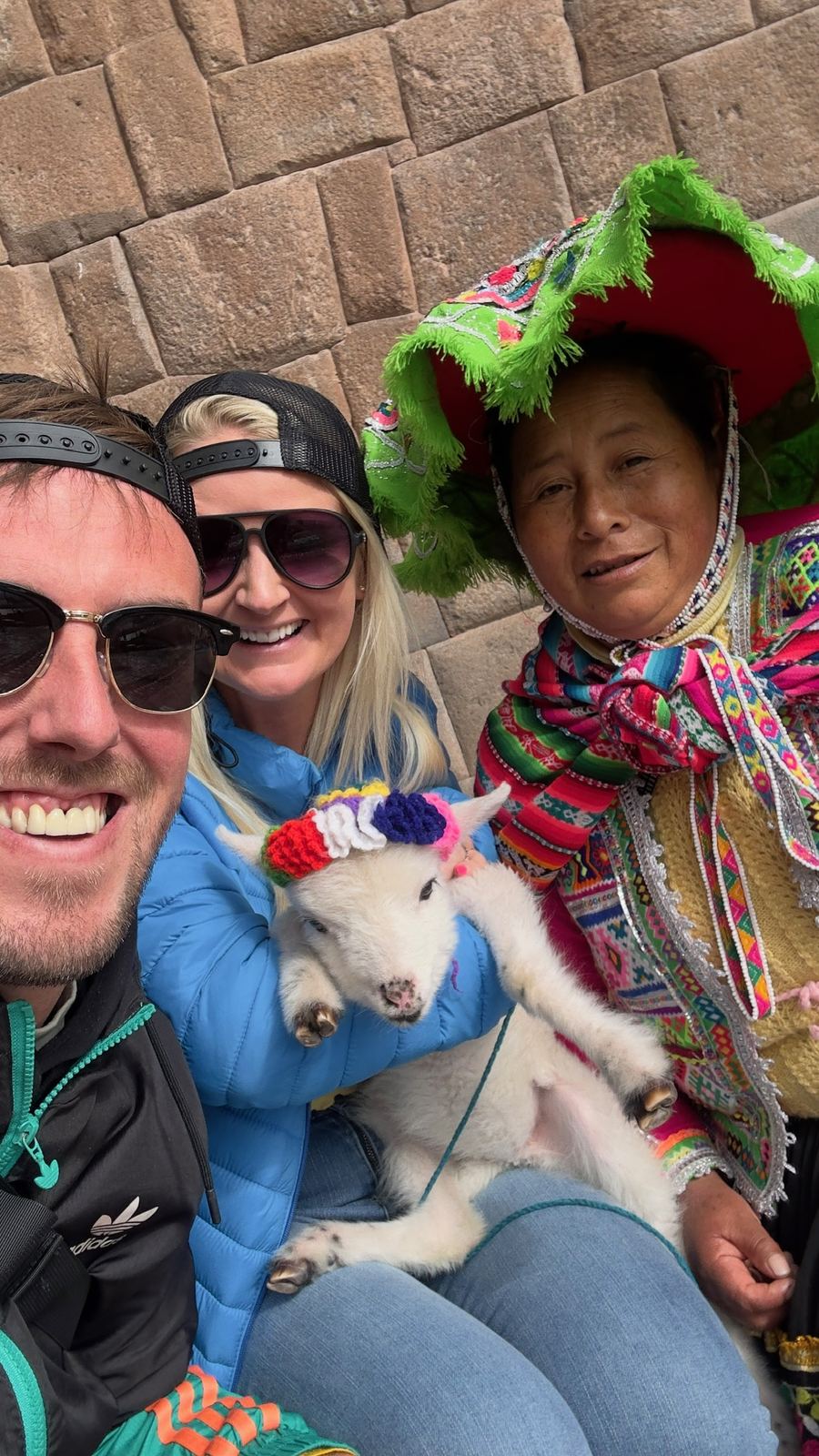
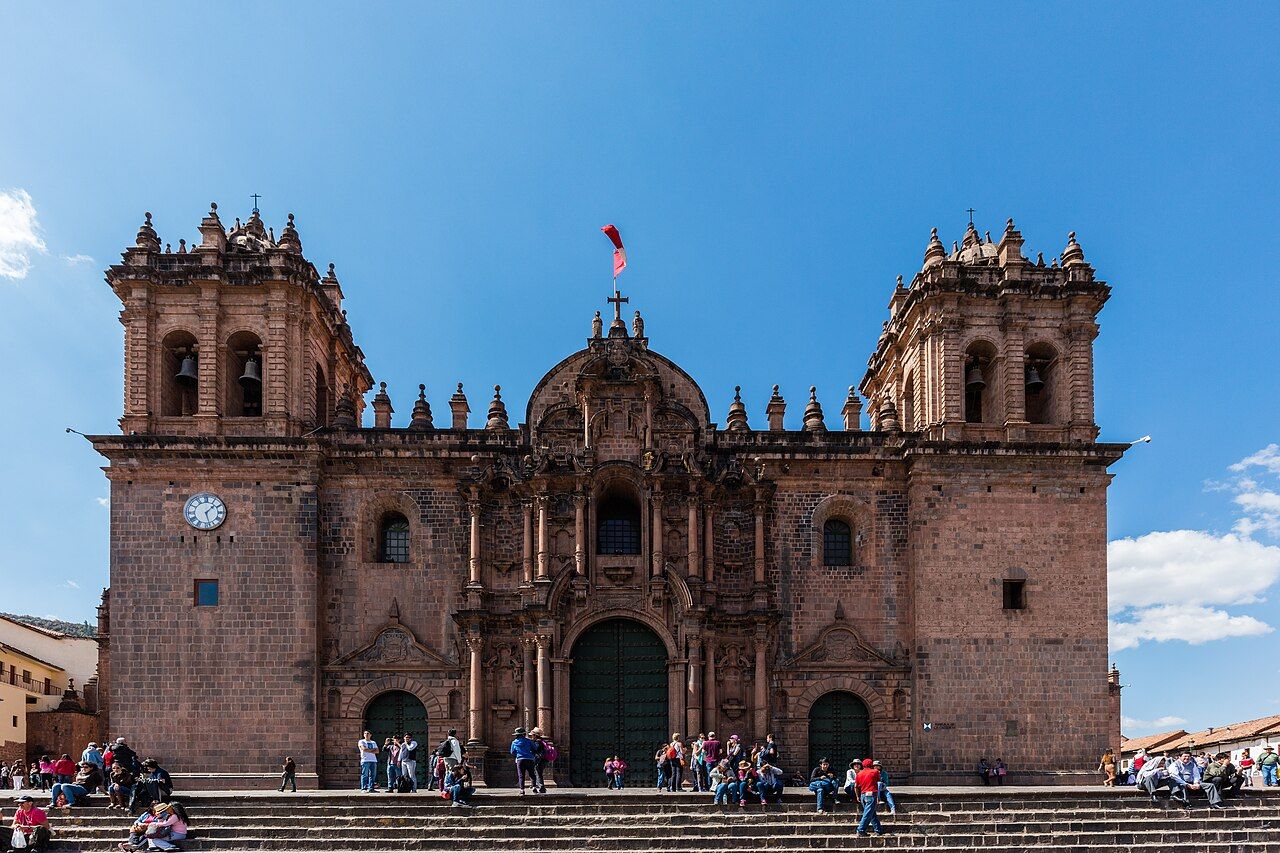
The old Inca capital, where colonial churches and mansions stand on Inca stone walls around the Plaza de Armas. San Blas, up the hill, has steep lanes, workshops and small hotels with views. At about 3,400 metres, it is best saved for after the Sacred Valley. Nights are cold and older buildings often lack heating, so check a hotel has it.

5

Arequipa and the Colca Canyon

ArchitectureCondorsGentler altitude

Peru's second city is built from white volcanic stone beneath the cone of El Misti, and sits lower than Cusco, which makes it a useful stepping stone before higher ground. From here a two-day trip crosses high passes to the Colca Canyon for condors and terraced villages. Spend a couple of nights in the city first, as the road climbs very high.

6

Lake Titicaca from Puno

Island lifeCultureBig skies

The highest stop on most Peru routes, on the Peruvian shore of the lake. Boats run out to the Uros reed islands and on to Taquile and Amantaní, where families host overnight stays. Puno itself is a working town rather than a pretty one, and nights at this height are bitterly cold, so it comes after Cusco, never before.

Weather and seasons

When to go to Peru

In the Andes the year splits into a dry half and a wet half, and it is the nights rather than the days that catch people out. Cusco's July afternoons reach about 21°C in bright sun, yet nights fall to around 1°C, so pack for frost. The dry run from May to September is the dependable window for Machu Picchu, which is why June to August sells out first, and Inti Raymi makes late June the busiest week of Cusco's year. January brings about 100mm of rain, muddy trails and cloud over the ruins. April, May and October are quieter and greener. Lima ignores all of this, sitting under grey coastal skies for much of the southern winter.

Worth timing a trip around

February

Virgen de la Candelaria, Puno

For the first half of February, Puno fills with thousands of masked and costumed dancers for a festival recognised by UNESCO. Rooms are scarce and prices rise.

24 June

Inti Raymi, Cusco

The Inca festival of the sun is re-enacted at Sacsayhuamán above Cusco, with processions through the city beforehand. Seats sell out, and the city is full all week.

28 and 29 July

Fiestas Patrias

Peru's independence days bring parades, flags on every building and national holiday travel, so trains, flights and hotels are busier than usual.

October

Señor de los Milagros, Lima

Lima's biggest religious procession, when crowds dressed in purple follow a painting of Christ through the streets on several days of the month, and bakeries sell turrón de Doña Pepa.

Daytime high to night-time low Sea temperature Rainfall
January: 100 mm of rainFebruary: 125 mm of rainMarch: 96 mm of rainApril: 47 mm of rainMay: 8 mm of rainJune: 2 mm of rainJuly: 9 mm of rainAugust: 7 mm of rainSeptember: 13 mm of rainOctober: 55 mm of rainNovember: 67 mm of rainDecember: 130 mm of rainJanuary: highs 20°C, lows 8°CFebruary: highs 20°C, lows 8°CMarch: highs 20°C, lows 8°CApril: highs 21°C, lows 6°CMay: highs 21°C, lows 4°CJune: highs 21°C, lows 1°CJuly: highs 21°C, lows 1°CAugust: highs 22°C, lows 3°CSeptember: highs 22°C, lows 5°COctober: highs 22°C, lows 7°CNovember: highs 22°C, lows 8°CDecember: highs 21°C, lows 8°C20°8°J20°8°F20°8°M21°6°A21°4°M21°1°J21°1°J22°3°A22°5°S22°7°O22°8°N21°8°D
See the numbers
MonthHighLowRain
January20°C8°C100 mm
February20°C8°C125 mm
March20°C8°C96 mm
April21°C6°C47 mm
May21°C4°C8 mm
June21°C1°C2 mm
July21°C1°C9 mm
August22°C3°C7 mm
September22°C5°C13 mm
October22°C7°C55 mm
November22°C8°C67 mm
December21°C8°C130 mm

Temperatures are 2015 to 2024 averages from NOAA records for Teniente Alejandro Velasco Astete Intl, 3 km away at 3310 m. Rainfall is from the GPCC rain-gauge analysis (Deutscher Wetterdienst) for 2010 to 2019 and shows the typical (median) month, so one freak storm does not skew it.

Things to do

Things to do in Peru

HistoryA

Machu Picchu with a guide

Entry runs on timed tickets for set circuits, with a licensed guide, and the best morning slots sell out months ahead in the dry season. A good guide turns the stonework into a story; without one, it is beautiful but hard to read.

AdventureB

Huayna Picchu or Machu Picchu Mountain

The two peaks above the ruins need separate tickets with small daily limits. Huayna Picchu is short, steep and exposed, with narrow steps that test anyone uneasy with heights; the Mountain is a longer, steadier climb with a broader view.

ShoppingC

Pisac market and terraces

A market town at the Cusco end of the Sacred Valley, busiest on Sundays, with textiles, ceramics and produce stalls. Above it, Inca terraces curve round the mountainside; see them early, ahead of the tour coaches.

HistoryD

Maras salt pans and Moray

Thousands of small salt pools stepped down a hillside, worked by local families since before the Incas, and nearby the circular terraces of Moray, thought to be an Inca farming experiment. Together they make an easy half day from the valley.

AdventureE

Rainbow Mountain

Striped mineral slopes at around 5,000 metres, reached by a very early start from Cusco and a steep walk. Only attempt it after several days at altitude, dress for freezing wind, and expect crowds at the top.

WildlifeF

Condors at the Colca Canyon

Andean condors ride the morning thermals at the Cruz del Cóndor viewpoint, sometimes passing just overhead. Arrive early, as sightings tail off by late morning.

Food

A Lima market with a food guide

Lima's cooking starts in its markets, where a guide introduces fruit you have never heard of, the fish counters and the stalls serving lunch to office workers. Book the city's best-known restaurants for dinner well ahead.

HistoryG

Santa Catalina Monastery

A walled city within Arequipa, where nuns have lived in seclusion since the 16th century among lanes painted deep blue and red. Late afternoon light suits the colours.

CultureH

Taquile island

An island on Lake Titicaca whose weaving and knitting are recognised by UNESCO. The men knit, and the style of a hat shows whether its wearer is married. Paths climb steeply at this altitude, so take the walk up slowly.

Wildlife

Tambopata rainforest

Add the Amazon at the end of the trip: lodges up river from Puerto Maldonado offer clay licks where macaws gather, canopy walks and night walks, with warmth and thick air after the mountains.

Food and drink

What to eat and drink

  • Ceviche

    Raw white fish cured in lime juice with chilli and red onion, served with sweet potato and large-grained corn. Limeños eat it at lunch, when the fish is freshest.

  • Lomo saltado

    Strips of beef stir-fried with tomato, onion and soy sauce, served with chips and rice, a legacy of Peru's Chinese community.

  • Ají de gallina

    Shredded chicken in a creamy sauce of yellow chilli, bread and nuts, served over rice with a boiled egg and an olive.

  • Cuy

    Roast guinea pig, a highland celebration dish often served whole. Around Cusco it belongs to family feast days rather than tourist menus.

  • Pisco sour

    Peru's grape brandy shaken with lime, sugar and egg white, with drops of bitters on the foam. Stronger than it tastes, so go gently at altitude.

  • Chicha morada

    A cold, spiced drink made from purple corn with pineapple and cinnamon, non-alcoholic and on almost every menu.

Money

What Peru costs

A handful of things set the cost of Peru, and none of them discount for leaving it late: Machu Picchu tickets, the trains along the Urubamba and the better Sacred Valley hotels. Money spent on a private guide at the ruins, and on a train with panoramic windows, shows up in the experience. Day to day, Peru is kind to the budget, and some of its best cooking comes from market stalls and set-lunch cafés.

Flights and transfers

Getting to Peru from the UK

One or two stops from the UK, usually through Madrid, Amsterdam or a US hub into Lima. The route then works inland by air: Cusco is a short flight, and the trains through the Sacred Valley to Machu Picchu are part of the experience rather than mere transport.

Flights from UK airports

Lima Jorge Chávez LIM

  • ManchesterWith a connection, about 15h 45m
  • London HeathrowWith a connection, about 16h 15m
  • London GatwickWith a connection, about 15h 15m

Route check September 2026. Some routes are seasonal and schedules change, so we confirm the live options when we quote.

Practical details

Know before you go

Time

5 hours behind the UK in winter, 6 hours in summer

Currency

Peruvian sol (S/)

Language

Spanish, with Quechua widely spoken in the Andes and Aymara around Lake Titicaca

Plugs

Type A and C, 220V

Driving

On the right

Tap water

Not safe to drink; use bottled or filtered water

Tipping

Around 10 percent in restaurants where service is not included; guides, drivers and trek porters are tipped separately

Entry for British passport holders

Visa. No visa needed for tourism, normally for up to 90 days in a 180-day period.

Passport. Valid for at least 6 months after you arrive.

The FCDO advises against all but essential travel within 20km of the Colombian border and to the VRAEM valleys. The places we suggest on this page were outside those areas when we checked, and we check the advice again before every booking.

Summarised from the FCDO travel advice on gov.uk, checked 29 September 2026. Rules change: read the current entry requirements and the full travel advice before you go.

Questions we get asked

Peru FAQs

Should we sleep in the Sacred Valley or Cusco first?+

The Sacred Valley, nearly always. It lies several hundred metres below Cusco, which sits at about 3,400 metres, so your body adjusts more gently and you see the valley's Inca sites on the way. By the time you reach Cusco, after Machu Picchu, the steep streets feel far easier. Ask your GP about altitude medication before you travel.

How far ahead should we book Machu Picchu?+

As soon as your dates are fixed. Entry tickets are limited by day and time slot, and for May to September the best morning slots, the Huayna Picchu climb and train seats can sell out months ahead. Permits for the classic Inca Trail go faster still, and peak dates can sell out soon after release.

Is the Inca Trail closed in February?+

Yes, the classic four-day Inca Trail closes every February for maintenance, at the height of the rainy season. Machu Picchu itself stays open, reached by train, and some alternative treks run all year, though they are wet and muddy at that time.

Train or trek to Machu Picchu?+

The train suits most people: it runs along the Urubamba river from the Sacred Valley to Aguas Calientes, with panoramic carriages on some services. The classic Inca Trail takes four days, with camping and a permit, and arrives through the Sun Gate. A one-day version of the trail suits fit walkers who want that arrival without the camping.

Is Lima worth a stop?+

Yes, for a night or two. The city's cooking is the reason, and after a long flight it lets you recover at sea level before the mountains. Stay in Miraflores or Barranco rather than the historic centre, and do not judge it by the grey winter sky.

How long does it take to get to Peru?+

About around 15 hours with 1 connection from London Gatwick to Lima, then an internal flight up into the Andes. With the connection and the time difference, we plan the first night in Lima so nobody arrives at altitude exhausted.

Your world, your way

Thinking about Peru?

Tell us roughly what you have in mind. We will compare the flights, hotels, routes and operators, explain the trade-offs and build the version that works for you.

Start your trip