
Ecuador

Central & South America · Destination guide

Ecuador

Amazon rainforest on the mainland and the wildlife of the Galapagos Islands within one country.

We’ve been hereVolcanoesVarietyGalapagos gateway
Photo: Rinaldo Wurglitsch from Vienna, Austria, CC BY 2.0 source
Journey15h 10m with a stopfrom London Heathrow
Time5 hours behind the UK in winter, 6 hours in summer
Typical stay7 to 14 nights
CurrencyUS dollar ($)
How we book itBuilt by us

Where to go

Which part of Ecuador?

Galapagos Islands
1

Galapagos Islands

Choose it if you want to snorkel beside sea lions and walk past nesting seabirds that barely notice you, and can give the islands at least five nights..

Wildlife found nowhere else on earth, reached by boat or internal flight from mainland Ecuador.

Explore Galapagos Islands
2

Quito

HistoryArchitectureFirst nights

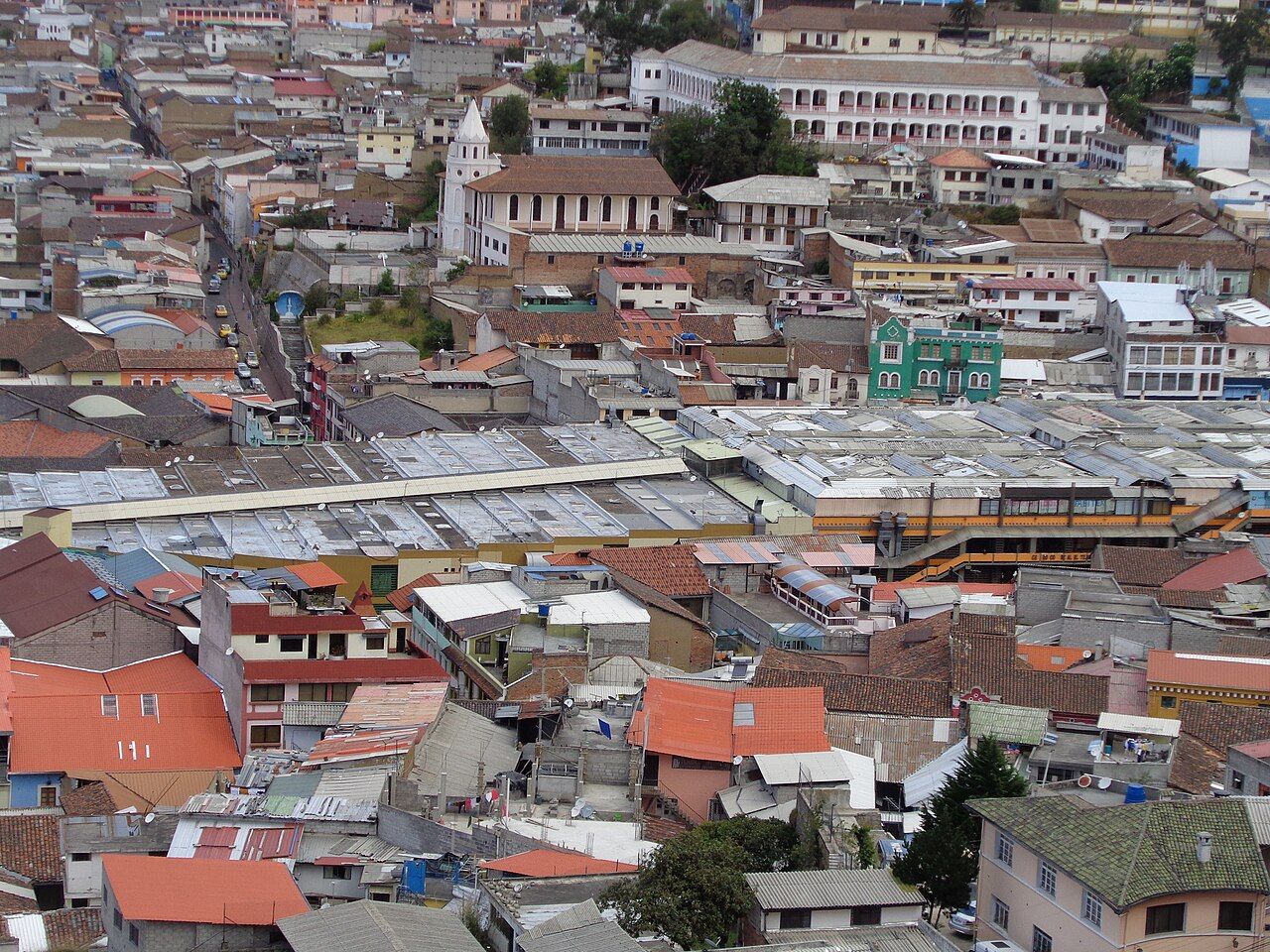
The colonial old town, among the first places UNESCO ever listed, is a grid of churches, plazas and restored mansions, some now small hotels. It is atmospheric by day but quiet at night, so some clients prefer La Floresta or the newer north for restaurants. At about 2,850 metres, Quito asks for a gentle first day.
3

Otavalo and the northern lakes

MarketsCraftsHaciendas

Otavalo, home of the Kichwa Otavalo people, is known for its market, busiest on Saturdays, when stalls of textiles and weaving spread well beyond the Plaza de los Ponchos. The valleys around it are dotted with old haciendas turned hotels, and crater lakes such as Cuicocha make good walks. On other days the market is smaller, so we time the visit for a Saturday where the route allows.

4

Mindo cloud forest

BirdwatchersNature loversWarmer nights

A small town in the cloud forest on the western slopes of the Andes, far lower and warmer than Quito. Lodges put out feeders that draw clouds of hummingbirds, and the forest trails, waterfalls and butterfly gardens fill a couple of days. Afternoon rain is normal here, so walks start early.

5

Cotopaxi and the Avenue of the Volcanoes

HaciendasHorse ridingVolcano views

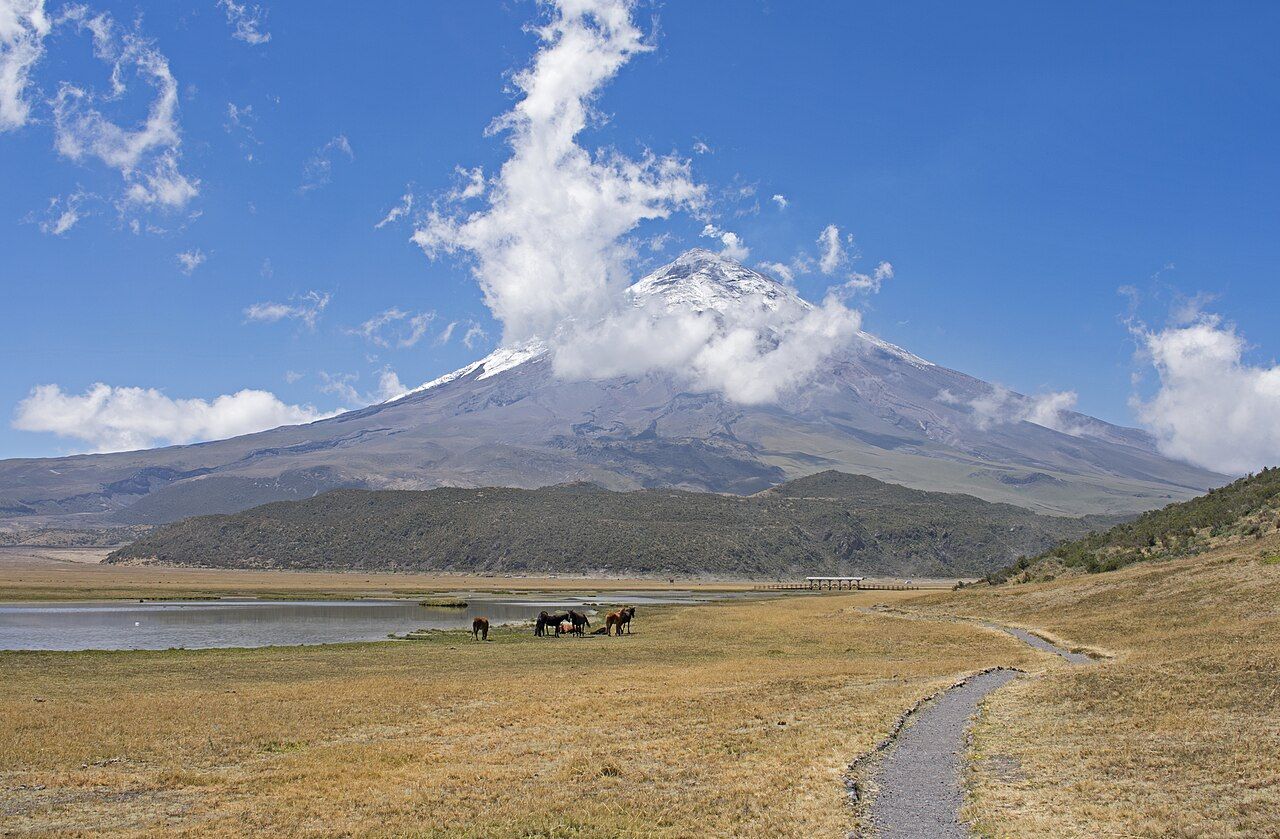
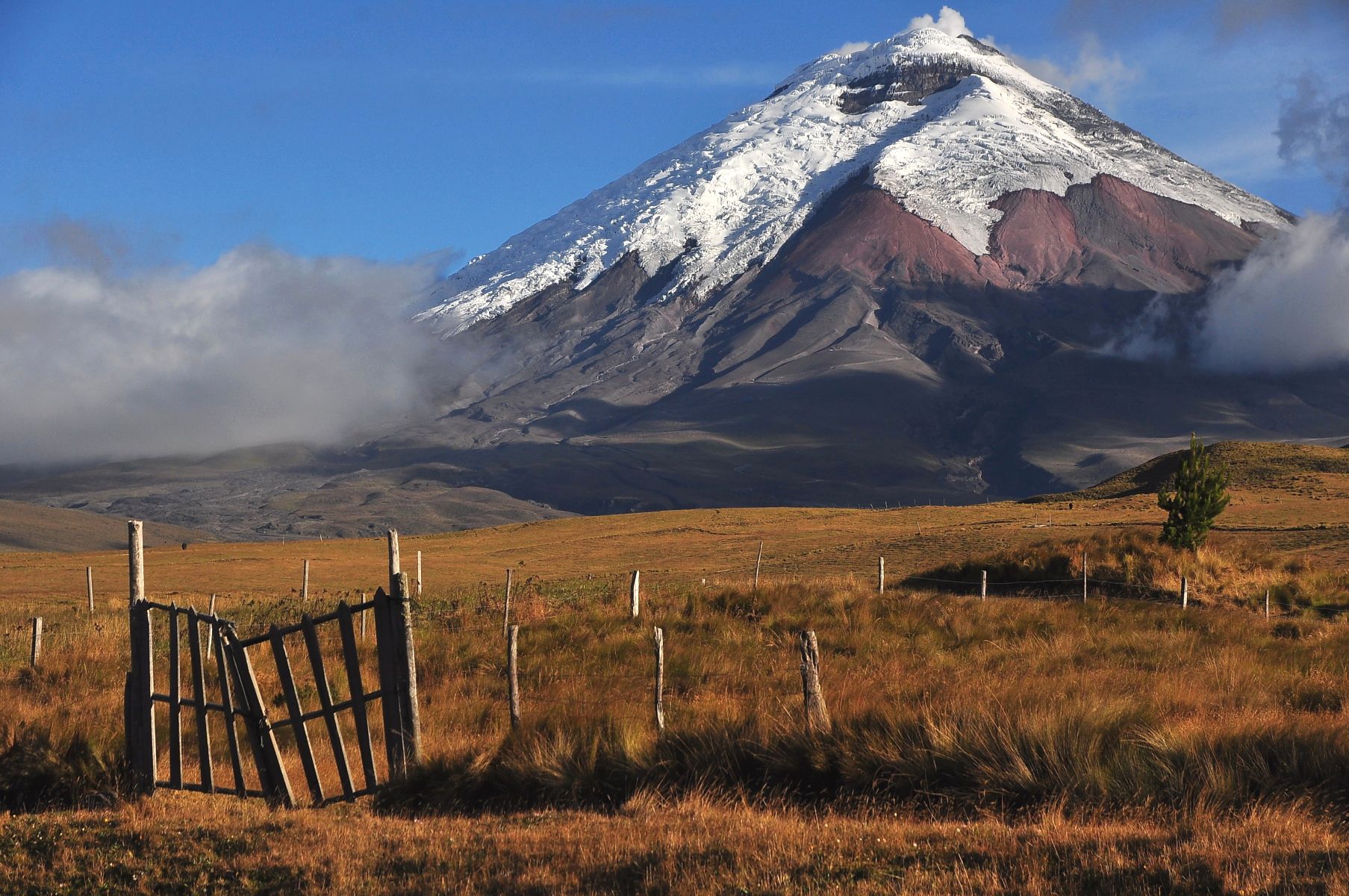
South of Quito, the Pan-American Highway runs between two lines of volcanoes, with Cotopaxi's snow cone the landmark. Historic haciendas along the way offer log fires, riding and walks on the páramo grasslands. Nights are cold and the weather turns quickly, and because Cotopaxi is active, access to parts of the park is sometimes restricted.

6

Baños

AdventureWaterfallsHot springs

A spa town in a deep valley below Tungurahua volcano, on the road that drops from the Andes to the Amazon. It is Ecuador's adventure base, with canyoning, rafting and cycling routes past waterfalls, and thermal baths in town. Hotels are mostly simple, and the centre is busy with Ecuadorian visitors at weekends.

7

The Amazon on the Napo

WildlifeRiversIndigenous culture

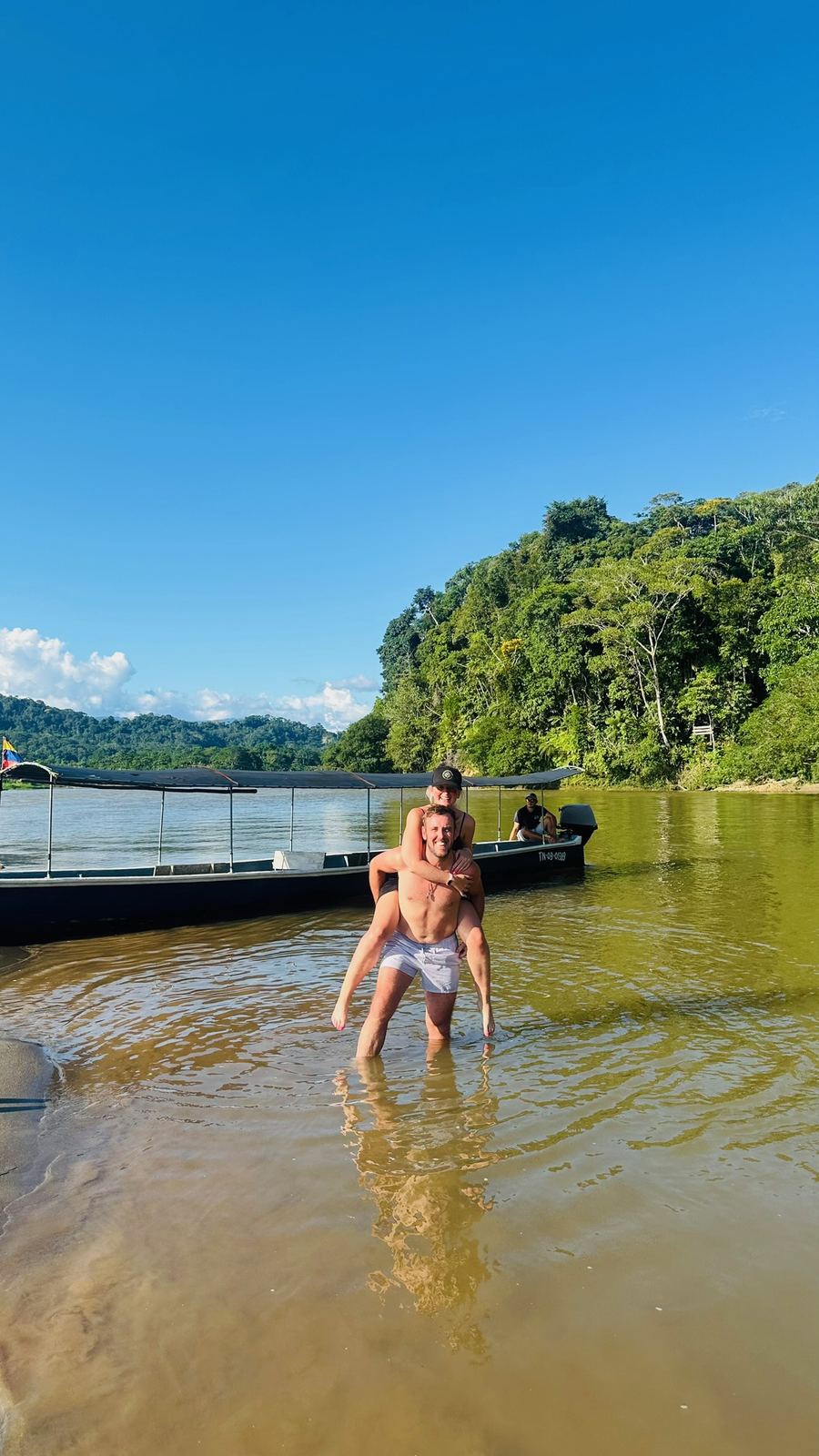
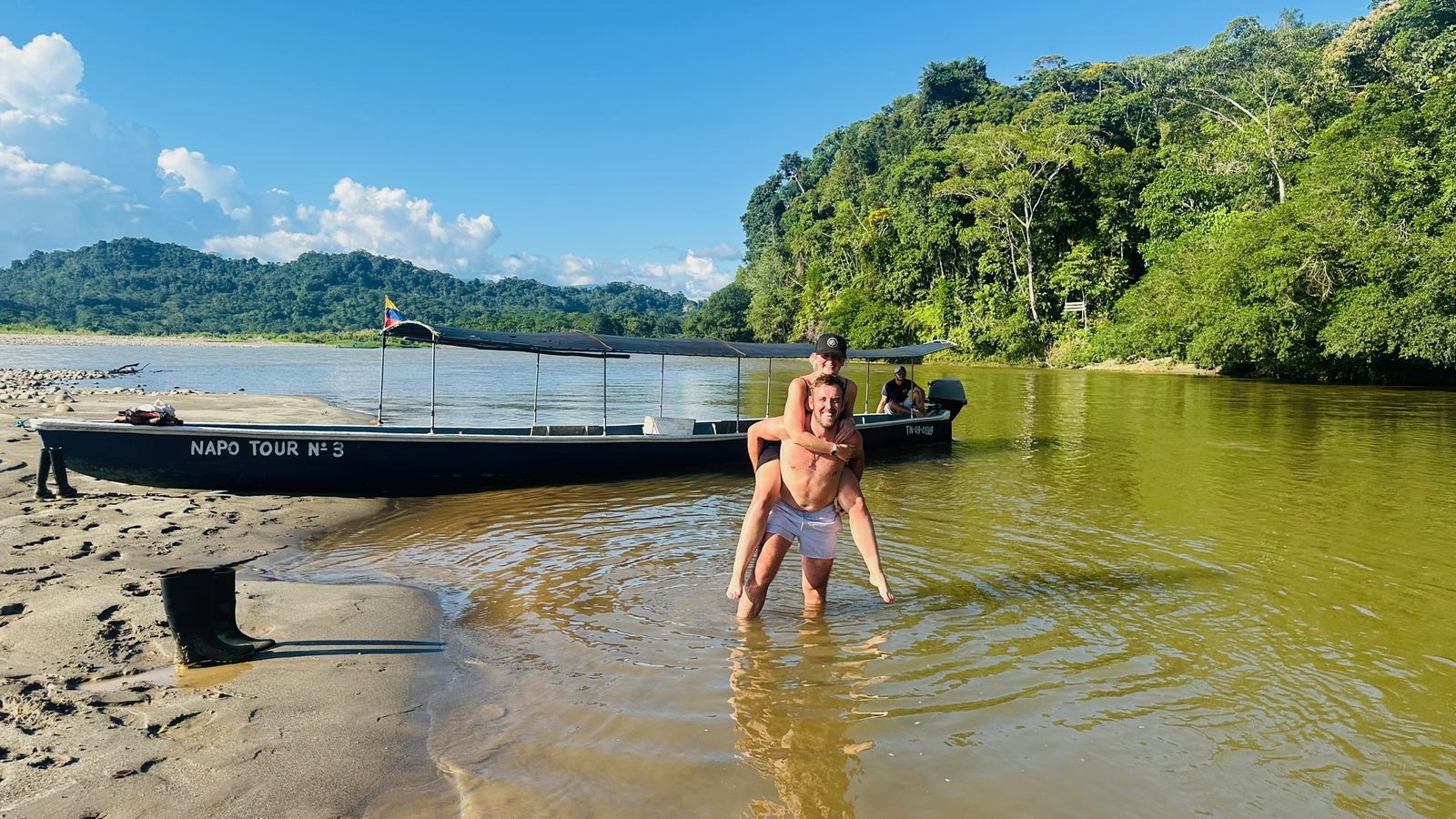
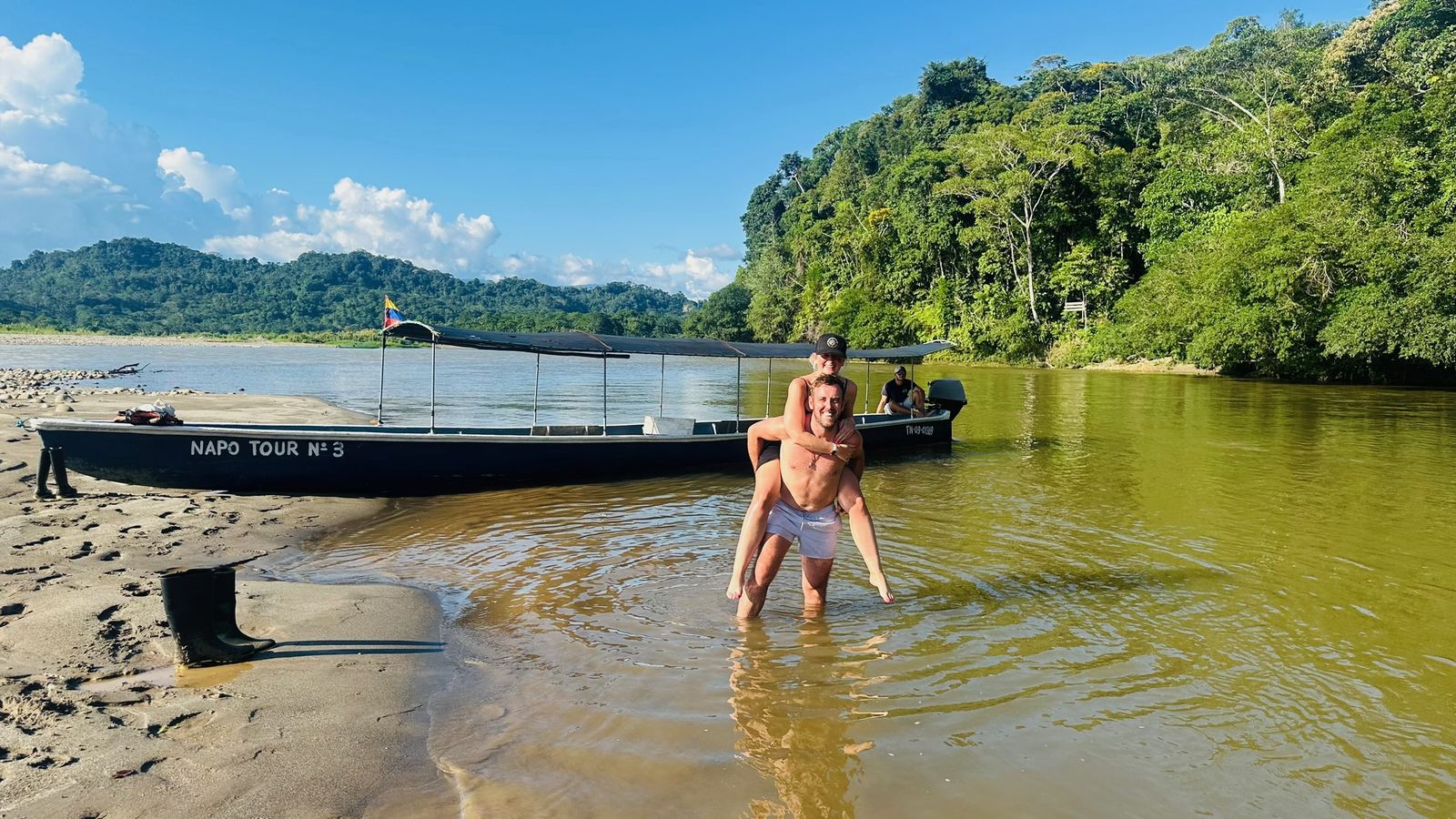
We have been into the Amazon in the Napo region, where the rivers are the roads. Around Tena, on the upper Napo, lodges are reachable by road and pair jungle walks with rafting and visits to Kichwa communities. Further downstream, lodges deep in the forest need a flight and a long canoe ride but offer canopy towers and parrot clay licks. Expect heat, humidity and rain in any month.

Is it right for you?

Who Ecuador suits

A strong fit for

Wildlife, adventure and travellers who want rainforest and islands in one trip.

We would think twice for

Travellers who want one base and no transit days, because Ecuador's charm is how much changes in a few hours' drive, and using it well means moving.

What we would want you to know

Mainland Ecuador and the Galapagos are very different trips and need separate planning.

We’ve been here

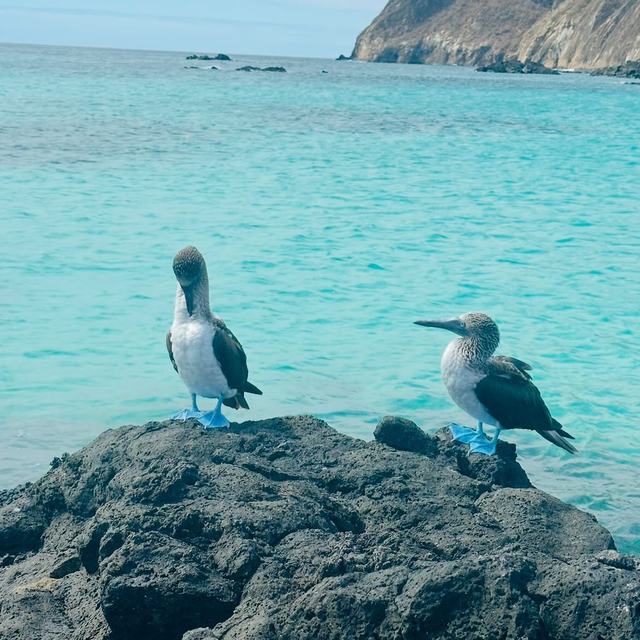
Two parts of Ecuador are ours first-hand: the Amazon in the Napo region and the Galápagos. Having seen both, we treat them as two different trips that happen to share a country, and we plan the mainland so it adds something of its own rather than filling the days before the island flight.

Weather and seasons

When to go to Ecuador

Sitting on the equator, Ecuador keeps roughly twelve hours of daylight all year, so rain is the real variable. Quito's days are mild, around 20°C in July, but nights drop to about 7°C, which is why highland haciendas light fires in the evening. June to September is the driest stretch in the Andes, with around 12mm of rain in July against 130mm in April, and it gives the best chance of clear views of Cotopaxi. The Amazon side rains in every month, and river levels decide which creeks a canoe can reach. If the Galápagos is part of the plan, the islands usually set the dates and the mainland fits around them.

Worth timing a trip around

March or April

Good Friday procession, Quito

Thousands of cucuruchos in purple robes and pointed hoods walk through the old town behind the image of Jesús del Gran Poder. Sombre and striking, and the old town is packed.

June

Inti Raymi

Around the June solstice, Kichwa communities near Otavalo and Cotacachi celebrate the sun festival with days of dancing, music and processions through the streets.

September and November

Mama Negra, Latacunga

Latacunga, near Cotopaxi, stages its costumed parade twice a year, blending Catholic, indigenous and African traditions around the Mama Negra character.

2 November

Día de los Difuntos

Families visit cemeteries for the Day of the Dead, and bakeries fill with guaguas de pan, bread shaped like swaddled babies, served with colada morada, a thick purple drink of fruit and corn flour.

Early December

Fiestas de Quito

The days leading up to 6 December celebrate the city's founding with concerts, parades and open-sided party buses called chivas. Expect late nights and plenty of canelazo.

Daytime high to night-time low Rainfall
January: 89 mm of rainFebruary: 98 mm of rainMarch: 108 mm of rainApril: 130 mm of rainMay: 74 mm of rainJune: 19 mm of rainJuly: 12 mm of rainAugust: 14 mm of rainSeptember: 36 mm of rainOctober: 87 mm of rainNovember: 71 mm of rainDecember: 61 mm of rainJanuary: highs 21°C, lows 8°CFebruary: highs 20°C, lows 8°CMarch: highs 19°C, lows 8°CApril: highs 20°C, lows 8°CMay: highs 20°C, lows 8°CJune: highs 20°C, lows 7°CJuly: highs 20°C, lows 7°CAugust: highs 21°C, lows 7°CSeptember: highs 21°C, lows 7°COctober: highs 21°C, lows 8°CNovember: highs 20°C, lows 8°CDecember: highs 20°C, lows 8°C21°8°J20°8°F19°8°M20°8°A20°8°M20°7°J20°7°J21°7°A21°7°S21°8°O20°8°N20°8°D
See the numbers
MonthHighLowRain
January21°C8°C89 mm
February20°C8°C98 mm
March19°C8°C108 mm
April20°C8°C130 mm
May20°C8°C74 mm
June20°C7°C19 mm
July20°C7°C12 mm
August21°C7°C14 mm
September21°C7°C36 mm
October21°C8°C87 mm
November20°C8°C71 mm
December20°C8°C61 mm

Temperatures are 2015 to 2024 averages from NOAA records for Izobamba, 21 km away at 3058 m, adjusted for the 155 m difference in altitude. Rainfall is from the GPCC rain-gauge analysis (Deutscher Wetterdienst) for 2010 to 2019 and shows the typical (median) month, so one freak storm does not skew it.

Things to do

Things to do in Ecuador

HistoryA

Quito's old town and the Basílica towers

Start at the Plaza Grande and the gold-leafed interior of La Compañía church, then climb the towers of the Basílica del Voto Nacional, where the gargoyles are Ecuadorian animals such as armadillos and tortoises. The ladders near the top are steep and exposed.

CultureB

Mitad del Mundo

The equator monument north of Quito, with a museum at its foot. The line painted on the ground is not quite where GPS puts the equator, a fact the small museums nearby happily point out with their water and egg demonstrations.

NatureC

TelefériQo

A cable car from the edge of Quito up the slopes of Pichincha volcano to close to 4,000 metres, with the city spread along the valley below. Leave it until you have had a couple of days at altitude, and set off early, as cloud often builds later in the day.

NatureD

Quilotoa crater lake

A green-blue lake filling a volcanic crater high in the Andes. The path down to the shore is steep and sandy, and the climb back is hard work at this height; horses often wait at the bottom for anyone who would rather ride up.

Adventure

Riding on a highland hacienda

Several of the old haciendas around Cotopaxi keep horses and chagras, the Andean cowboys in woollen ponchos and furry chaps. Longer rides across the páramo suit confident riders, and even a short hack gives volcano views on a clear morning.

AdventureE

The waterfall road from Baños

From Baños, the road down towards the Amazon passes a string of waterfalls, ending at Pailón del Diablo, where a trail and steps lead right up beside a thundering cascade. Many people cycle the downhill stretch and ride back by truck.

Wildlife

Birding at dawn in Mindo

The cloud forest comes alive at first light, when tanagers, toucan barbets and hummingbirds are most active. A local birding guide with a telescope finds far more than you will alone, and even non-birders tend to be won over.

Wildlife

Canoeing the Napo's side creeks

Early morning in a dugout canoe on an Amazon creek is when monkeys, parrots and river birds are easiest to spot. Lodges usually supply rubber boots for muddy trails; bring a light waterproof, and long sleeves for the evening mosquitoes.

Food

Chocolate from the bean

Ecuador's Nacional cacao is prized by chocolate makers, and farms and small producers around Mindo and the Amazon lowlands run tastings from pod to bar. A good plan for a wet afternoon, and a better souvenir than most.

Food and drink

What to eat and drink

  • Locro de papa

    A thick Andean potato soup finished with cheese and served with avocado. It is one of the cheapest good lunches in Quito and just right on a cold highland day.

  • Hornado

    Whole roast pork, carved to order at highland market stalls and served with mote, the local boiled hominy, and a sharp onion salad.

  • Llapingachos

    Potato patties stuffed with cheese, browned on a griddle and served with peanut sauce, chorizo and a fried egg. A speciality of the central highlands around Ambato.

  • Maito

    The Amazon way of cooking fish, wrapped in leaves and grilled over embers, often served with boiled yuca in Kichwa communities along the Napo. The brave can try grilled chontacuro, a palm grub.

  • Canelazo

    A hot drink of cinnamon and naranjilla fruit juice, spiked with cane spirit and sold on cold Quito nights.

  • Empanadas de viento

    Puffed-up fried pastries filled with cheese and dusted with sugar, eaten with a coffee in the late afternoon in Quito.

Shape of the trip

A mainland week before the islands

  1. Nights 1 and 2

    Quito

    Take the first afternoon slowly, then spend a morning in the old town with a guide and an afternoon at the equator monument.

  2. Nights 3 and 4

    Mindo cloud forest

    Drop down to the warm, green western slopes for dawn birding, hummingbird feeders and waterfall walks. The lower altitude gives the body a rest.

  3. Nights 5 and 6

    Cotopaxi and the Avenue of the Volcanoes

    South to a hacienda with a fire in the room. Walk or ride on the páramo, and on the second day make the trip out to Quilotoa's crater lake.

  4. Night 7

    Baños

    Follow the road down through the Pastaza valley, soak in the thermal baths and cycle the waterfall route to Pailón del Diablo.

  5. Nights 8 to 10

    The Amazon on the Napo

    Continue down into the rainforest for canoe trips, forest walks and time with a Kichwa community, then drive back up to Quito for the flight to the islands.

An idea to react to, not a fixed package. We shape the real thing around your dates, your pace and what the flights are doing that season.

Money

What Ecuador costs

On the ground, mainland Ecuador costs little: set lunches, taxis and entry fees are small. The price moves with how you travel between regions, whether by private driver-guide or shared transfers, with the grade of hacienda, and with the Amazon lodge. Lodges on the upper Napo are reachable by road; the deeper ones downstream add a flight and a long canoe ride but see more wildlife. With the Galápagos in the plan, the islands take the largest share, so we fix that budget first.

Flights and transfers

Getting to Ecuador from the UK

One or two stops from the UK into Quito or Guayaquil, typically via Madrid, Amsterdam or a US hub. Quito starts high, so the first day goes gently. Galapagos flights leave from both cities, which is what shapes most itineraries.

Flights from UK airports

Quito Mariscal Sucre UIO

  • ManchesterWith a connection, about 15h 45m
  • London HeathrowWith a connection, about 15h 10m
  • London GatwickWith a connection, about 16h 30m

Route check September 2026. Some routes are seasonal and schedules change, so we confirm the live options when we quote.

Practical details

Know before you go

Time

5 hours behind the UK in winter, 6 hours in summer

Currency

US dollar ($)

Language

Spanish, with Kichwa spoken in many Andean and Amazon communities

Plugs

Type A and B, 120V

Driving

On the right

Tap water

Not recommended for visitors; drink bottled or filtered water

Tipping

A 10 percent service charge is often already on restaurant bills; tip guides and drivers separately

Entry for British passport holders

Visa. No visa needed for stays of up to 90 days in any 12-month period.

Passport. Valid for at least 6 months after you arrive.

The FCDO advises against all but essential travel to the coastal provinces, including Guayas and Santa Elena (airside transit at Guayaquil airport is excepted), and within 20km of the Colombian border. The places we suggest on this page were outside those areas when we checked, and we check the advice again before every booking.

Summarised from the FCDO travel advice on gov.uk, checked 29 September 2026. Rules change: read the current entry requirements and the full travel advice before you go.

Questions we get asked

Ecuador FAQs

How do you cope with the altitude in Quito?+

Gently. Quito sits at about 2,850 metres, and most people notice it on the first day with a headache or shortness of breath on the hills. Drink plenty of water, go easy on alcohol the first night and leave the TelefériQo until later in the trip. Heading down to the cloud forest at Mindo after a couple of nights gives the body a break.

Is it worth seeing mainland Ecuador as well as the Galápagos?+

Yes, if you have the time. A week on the mainland adds volcanoes, colonial Quito, cloud forest and the Amazon, at a fraction of the islands' daily cost. It also breaks up the long journey from the UK, so you reach the islands rested rather than straight off an overnight flight.

Is the Ecuadorian Amazon worth visiting?+

We think so, having travelled into it in the Napo region. It is also easy to reach: some lodges on the upper Napo are a drive from Quito, with no extra flight. For the best chance of wildlife, the lodges downstream near Yasuní National Park are more remote and more rewarding.

How many nights does Ecuador need?+

Seven to ten nights covers Quito, the cloud forest, a hacienda on the Avenue of the Volcanoes and an Amazon lodge. Add five to eight nights for the Galápagos, and a little over two weeks is a comfortable total for both.

Is Ecuador safe for tourists?+

The main tourist areas see many visitors without trouble, but crime has risen sharply in recent years, especially in Guayaquil and parts of the coast, and the Foreign Office warns against travel near the northern border. We follow its current advice, use private transfers and keep Guayaquil to an airport connection where the route allows. In Quito, take taxis at night rather than walking.

Do you need a car in Ecuador?+

We would not self-drive. Mountain roads, fog and landslides in the rainy months make a private driver-guide far easier, and in Ecuador it is affordable. It also means someone who knows the haciendas, markets and viewpoints is with you all the way.

What should we pack for mainland Ecuador?+

Layers above all. Highland days can be warm in the sun and nights cold, so bring a fleece and a warm jacket alongside summer clothes. The cloud forest and Amazon call for a light waterproof, quick-drying trousers and long sleeves against mosquitoes. Most Amazon lodges lend rubber boots, so you rarely need your own.

Your world, your way

Thinking about Ecuador?

Tell us roughly what you have in mind. We will compare the flights, hotels, routes and operators, explain the trade-offs and build the version that works for you.

Start your trip