
Bolivia

Central & South America · Touring guide

Bolivia

The Uyuni salt flats, La Paz and a high-altitude landscape unlike anywhere else we sell.

We’ve been hereAdventurePhotographyAltitude
Photo: Si & Beth
Journey17h 10m with a stopfrom London Gatwick
Time4 hours behind the UK in winter, 5 hours in summer
Typical stay7 to 12 nights
CurrencyBoliviano (Bs)
How we book itBuilt by us

Is it right for you?

Who Bolivia suits

A strong fit for

Adventurous travellers, photographers and once-in-a-lifetime landscapes.

We would think twice for

Anyone with health conditions that altitude aggravates, or travellers who need plans to run like clockwork, because Bolivia operates at heights and rhythms that demand respect and flexibility in equal measure.

What we would want you to know

Altitude affects almost everyone, and the pace of any itinerary needs to respect it.

We’ve been here

We have seen La Paz and the Uyuni salt flats ourselves, in November 2024, and both taught us to respect the altitude. That is how we pace a Bolivian route: after every high stretch, we plan somewhere lower to recover, such as the warm Yungas below La Paz, before the next climb.

From our trips

Bolivia, as we filmed it

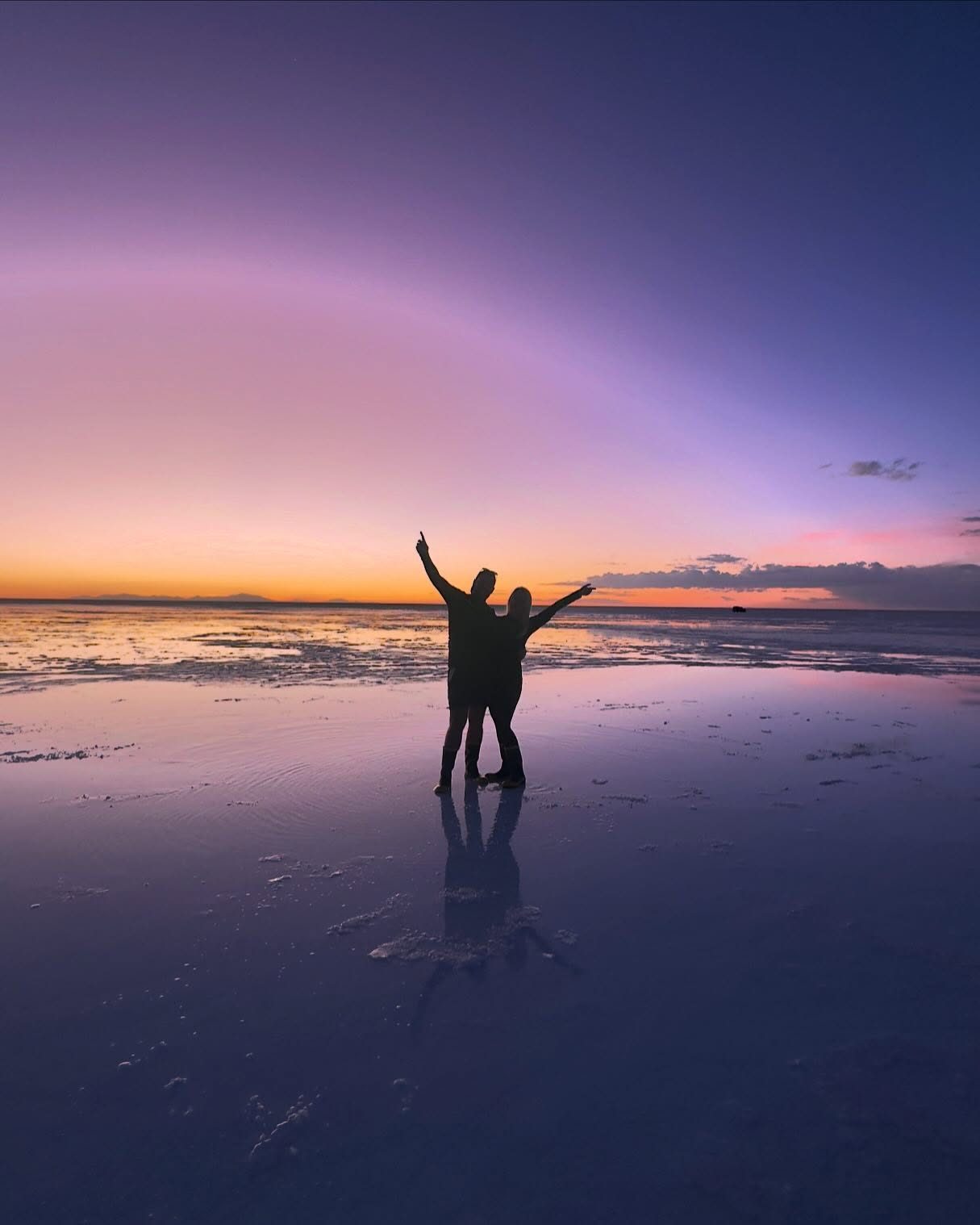
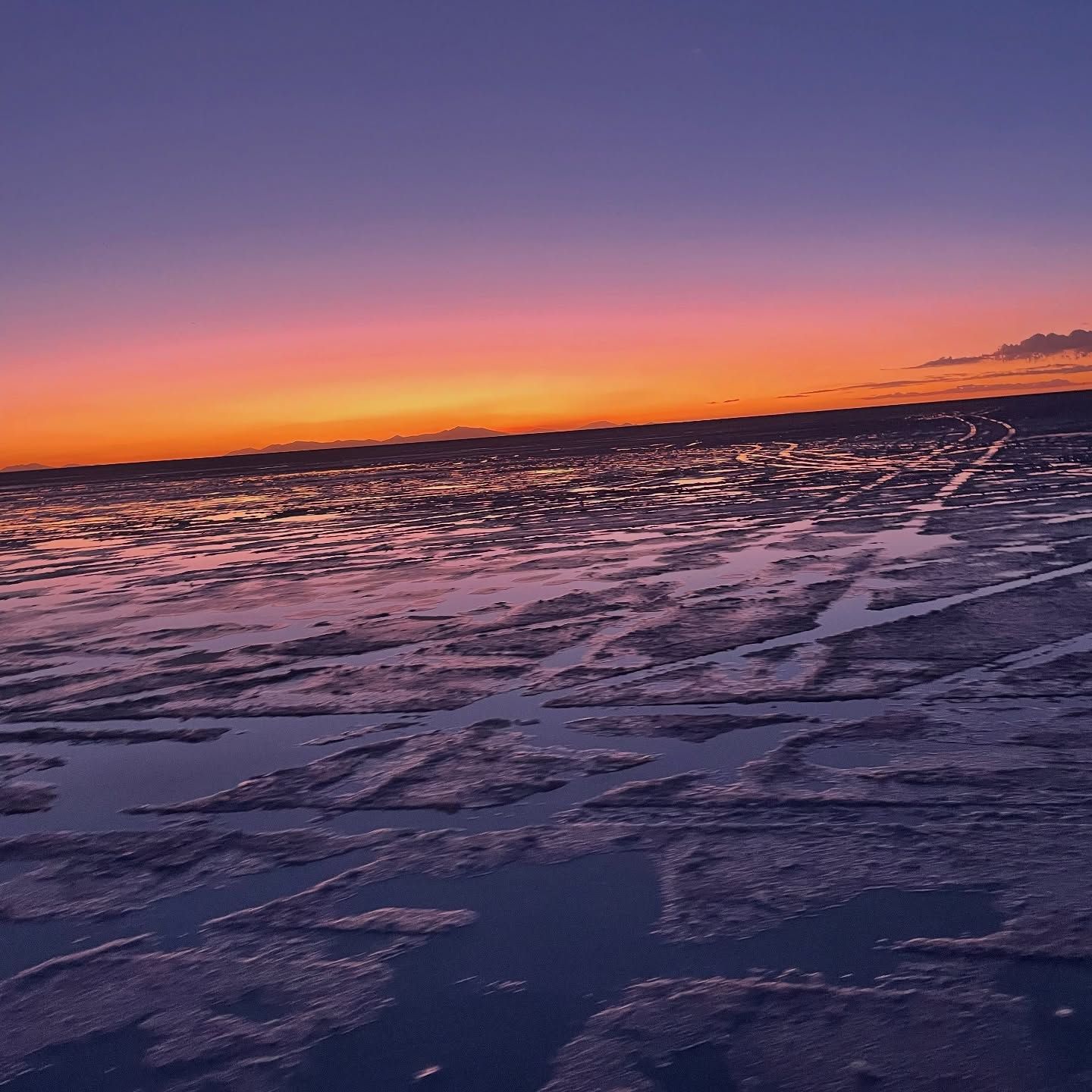
Sunset on the salt-flat mirror
The salt flats at dusk

Filmed by us on the trip itself and shown without sound. No stock footage.

The route

Altitude, then relief, then the salt

  1. Nights 1 and 2

    La Paz

    Arrive and do very little on day one. On day two ride the cable cars, walk the Witches' Market and see the Valle de la Luna, all at an easy pace.

  2. Nights 3 and 4

    The Yungas and Coroico

    Drop down to the warm Yungas, by road or by bike on the old route, and let the lower air do its work beside a pool.

  3. Nights 5 and 6

    Lake Titicaca and Copacabana

    Back up through La Paz to the altiplano and across the Strait of Tiquina to Copacabana, for sunset from the hill and a day on Isla del Sol.

  4. Nights 7 and 8

    Sucre

    Fly south to Sucre, lower and gentler, for colonial streets, markets and the dinosaur tracks, then drive on through Potosí towards the salt.

  5. Nights 9 to 11

    Uyuni salt flats

    Three days by 4x4 across the salt and south through the lagoons and geysers, finishing back in Uyuni or across the border in Chile.

An idea to react to, not a fixed package. We shape the real thing around your dates, your pace and what the flights are doing that season.

Map and stops

The places on the route

1

La Paz

City lifeMarketsMountain views

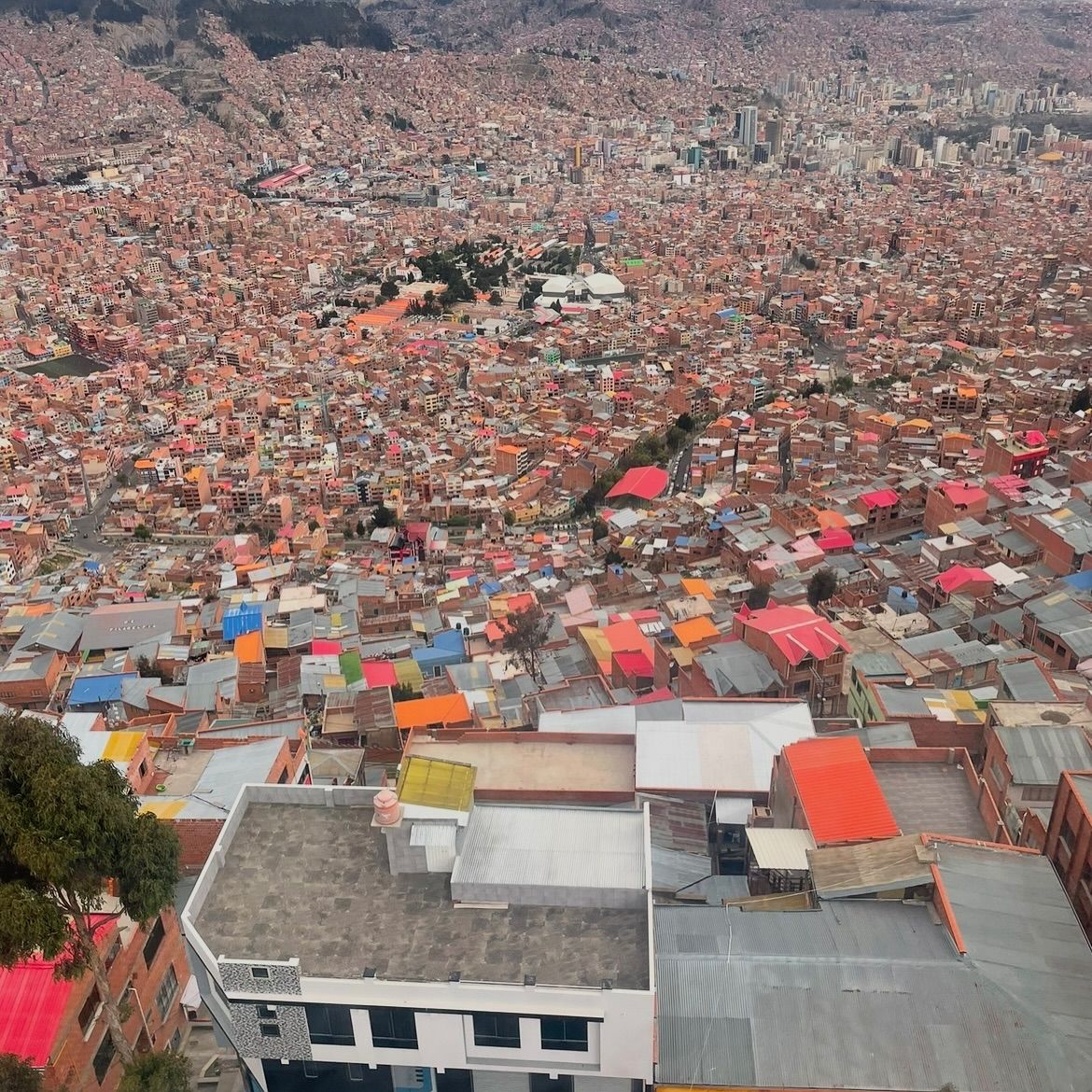
A city spilling down a canyon beneath snow-capped Illimani, with El Alto sprawling across the rim above and cable cars linking the two. It needs two slow days, not one rushed one. The centre around the markets is lively and hilly; the Zona Sur, lower down, is warmer, calmer and has more modern hotels. Arrival is the hard part, as the airport sits above 4,000 metres.
2

The Yungas and Coroico

WarmthCloud forestRecovery days

North of La Paz the Andes fall away into steep green valleys of cloud forest, coffee and coca terraces. Coroico, a small town on a ridge, is the usual base: far lower and warmer than the capital, with hotel pools, birdsong and valley views, which makes it a good place to recover from the altitude. The roads down are winding and dramatic.

3

Lake Titicaca and Copacabana

Island walksSunsetsInca history

A lakeside town on the Bolivian shore, with a white Moorish-style basilica where drivers bring their cars to be blessed, and a hill lined with stations of the cross for sunset. Boats cross to Isla del Sol, which Inca legend holds as the birthplace of the sun. Access to parts of the island has been disrupted by local disputes in recent years, so we check what is open before planning a walk.

4

Sucre

Colonial streetsGentler altitudeSlow days

Bolivia's constitutional capital, a whitewashed colonial city at about 2,800 metres, noticeably easier on the lungs than La Paz. Its plazas, rooftop viewpoints and museums make it the calm chapter of a route, and dinosaur footprints cover a quarry wall on the edge of town. It is far from everywhere else, so it needs a flight or a long drive.

5

Uyuni salt flats

PhotographyLandscapesAdventure

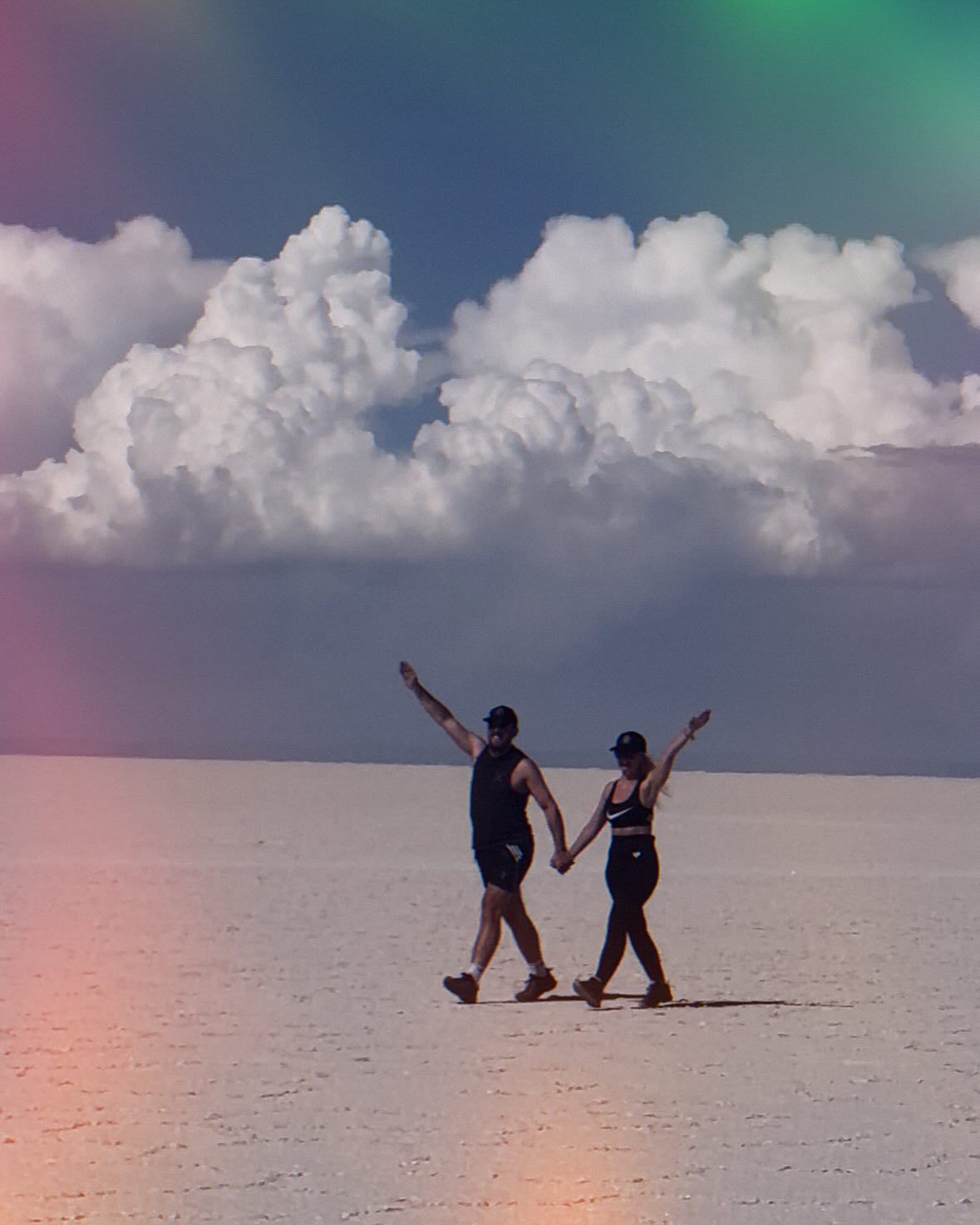
A white plain of salt running to the horizon, around 3,650 metres up, and the reason most people come to Bolivia. Uyuni town is a windswept base, so stays tend to be in hotels built of salt blocks on the edge of the flats. Tours run by 4x4 for one to three days, with the longer route heading south through lagoons and deserts to the Chilean border.

Weather and seasons

When to go to Bolivia

Bolivia's dry season, roughly May to October, keeps the salt flats hard and white, cracked into hexagons, and the high roads open, but the price is cold: at Uyuni, July nights fall well below freezing, and the lagoons further south are colder still. The rains arrive around December, and a thin skin of water turns the salt into a vast mirror, though heavy rain can close tracks and cut the classic three-day route short. April and November are shoulder months that might give you either look. In La Paz, days are bright and nights cold in every season.

Worth timing a trip around

From 24 January

Alasitas, La Paz

A fair of miniatures, where people buy tiny houses, cars, banknotes and diplomas to be blessed at midday, hoping the real thing follows during the year.

February or March

Oruro Carnival

Thousands of dancers in devil masks and embroidered costumes parade through Oruro for a carnival recognised by UNESCO. Grandstand seats and rooms go early, and many visitors come for the day from La Paz.

May or June

Gran Poder, La Paz

La Paz's biggest festival, when tens of thousands of dancers in elaborate costumes fill the city's streets on the Saturday before Holy Trinity Sunday.

8 November

Día de las Ñatitas, La Paz

Families bring decorated skulls, kept at home as protectors, to the General Cemetery to be thanked with flowers, cigarettes and music. Striking, sincere and best seen with a local guide.

Daytime high to night-time low Rainfall
January: 122 mm of rainFebruary: 126 mm of rainMarch: 70 mm of rainApril: 40 mm of rainMay: 14 mm of rainJune: 2 mm of rainJuly: 5 mm of rainAugust: 12 mm of rainSeptember: 18 mm of rainOctober: 44 mm of rainNovember: 34 mm of rainDecember: 115 mm of rainJanuary: highs 19°C, lows 7°CFebruary: highs 19°C, lows 7°CMarch: highs 19°C, lows 7°CApril: highs 19°C, lows 4°CMay: highs 19°C, lows 1°CJune: highs 18°C, lows -1°CJuly: highs 19°C, lows -1°CAugust: highs 19°C, lows 0°CSeptember: highs 20°C, lows 2°COctober: highs 21°C, lows 4°CNovember: highs 21°C, lows 5°CDecember: highs 20°C, lows 7°C19°7°J19°7°F19°7°M19°4°A19°1°M18°-1°J19°-1°J19°0°A20°2°S21°4°O21°5°N20°7°D
See the numbers
MonthHighLowRain
January19°C7°C122 mm
February19°C7°C126 mm
March19°C7°C70 mm
April19°C4°C40 mm
May19°C1°C14 mm
June18°C-1°C2 mm
July19°C-1°C5 mm
August19°C0°C12 mm
September20°C2°C18 mm
October21°C4°C44 mm
November21°C5°C34 mm
December20°C7°C115 mm

Temperatures are 2015 to 2024 averages from NOAA records for El Alto Intl, 7 km away at 4062 m, adjusted for the 456 m difference in altitude. Rainfall is from the GPCC rain-gauge analysis (Deutscher Wetterdienst) for 2010 to 2019 and shows the typical (median) month, so one freak storm does not skew it.

Things to do

Things to do in Bolivia

Culture

Riding Mi Teleférico

La Paz's cable cars are everyday public transport, each line named by colour. Ride up to El Alto for the view across the canyon to Illimani, and on a Thursday or Sunday walk the huge 16 de Julio street market at the top.

ShoppingA

The Witches' Market

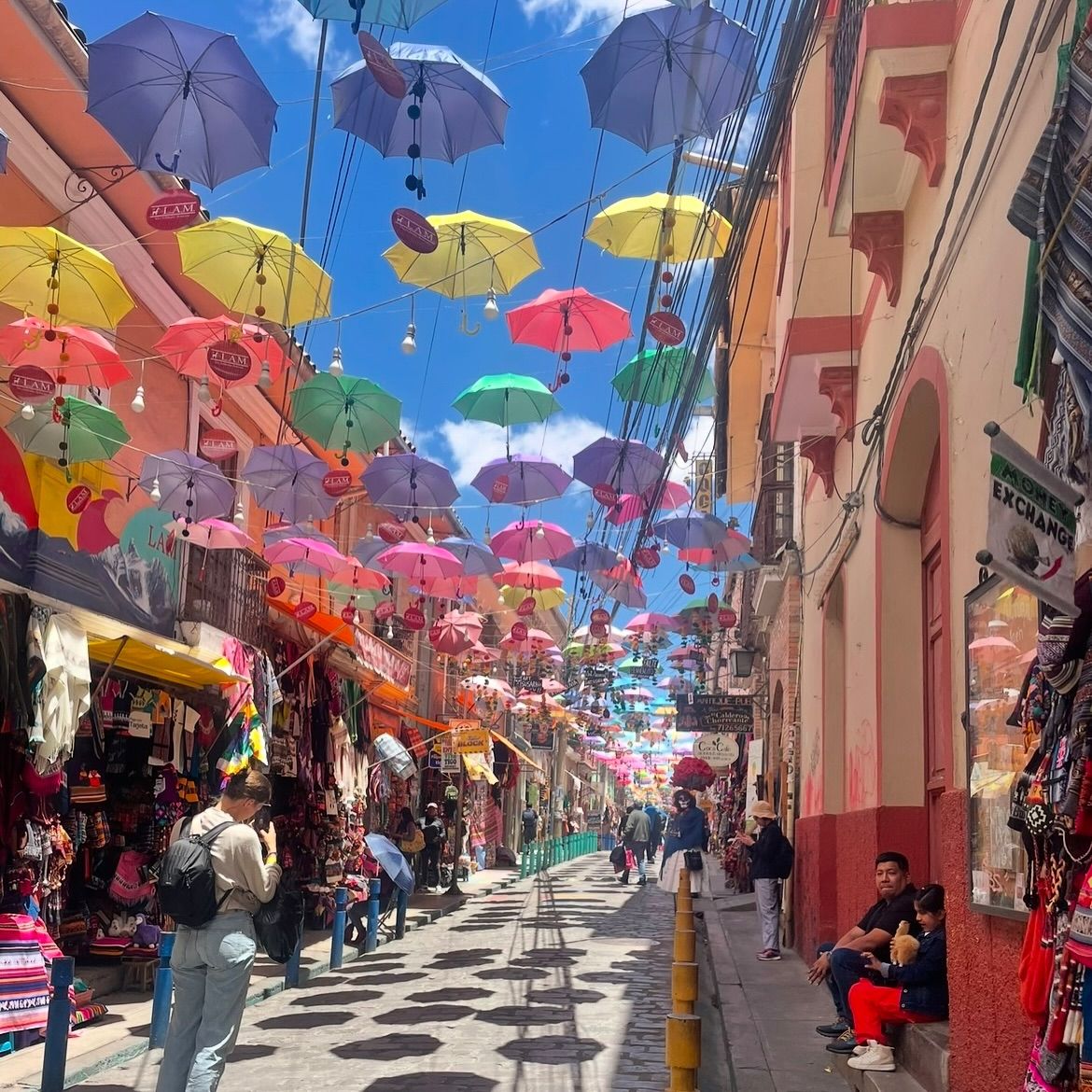
A few streets near the San Francisco church where stalls sell herbs, amulets and dried llama foetuses used as offerings to Pachamama, Mother Earth. Ask before photographing stallholders, and look for alpaca knitwear in the shops around it.

NatureB

Valle de la Luna

Eroded clay pinnacles on the southern edge of La Paz, walked on a short circuit of paths. An easy half day while you adjust to the altitude, best in the soft light of late afternoon.

HistoryC

Tiwanaku

The ruins of a civilisation that flourished long before the Incas, on the plain near Lake Titicaca, with the carved Gateway of the Sun and stone heads set into temple walls. Go with a guide, and dress for strong sun and cold wind together.

Adventure

Cycling the old Yungas road

The old road from the high pass above La Paz down into the Yungas is known as the Death Road, and cycling it with a guide is a long, thrilling descent from snowline to jungle. Choose an operator with well-maintained bikes and a support vehicle; it is not for nervous riders.

Day tripsD

Isla del Sol

Boats from Copacabana reach the island's southern landing, where an Inca stairway climbs past a spring to terraced hillsides and wide lake views. Stay overnight to see it after the day boats leave.

NatureE

Incahuasi island

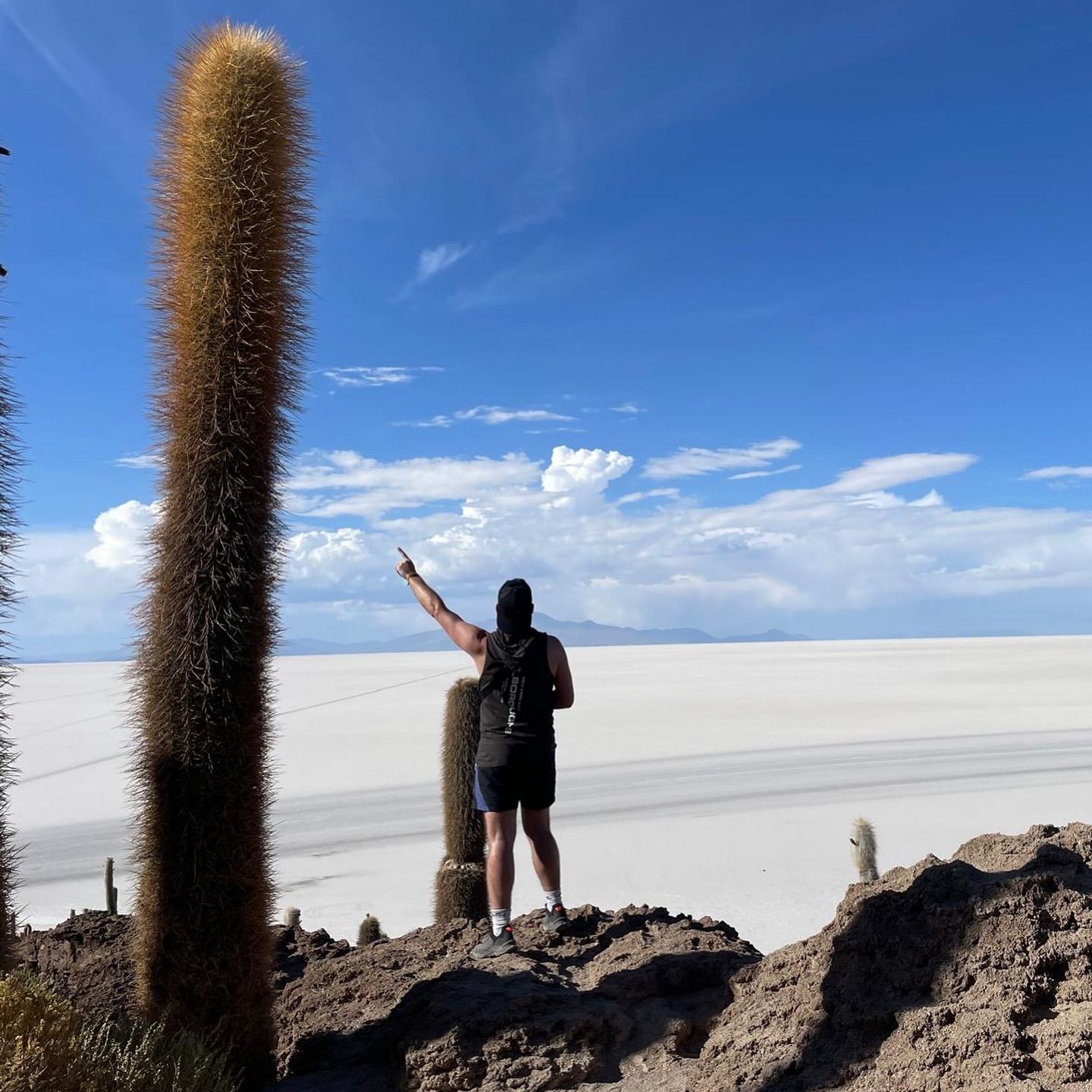
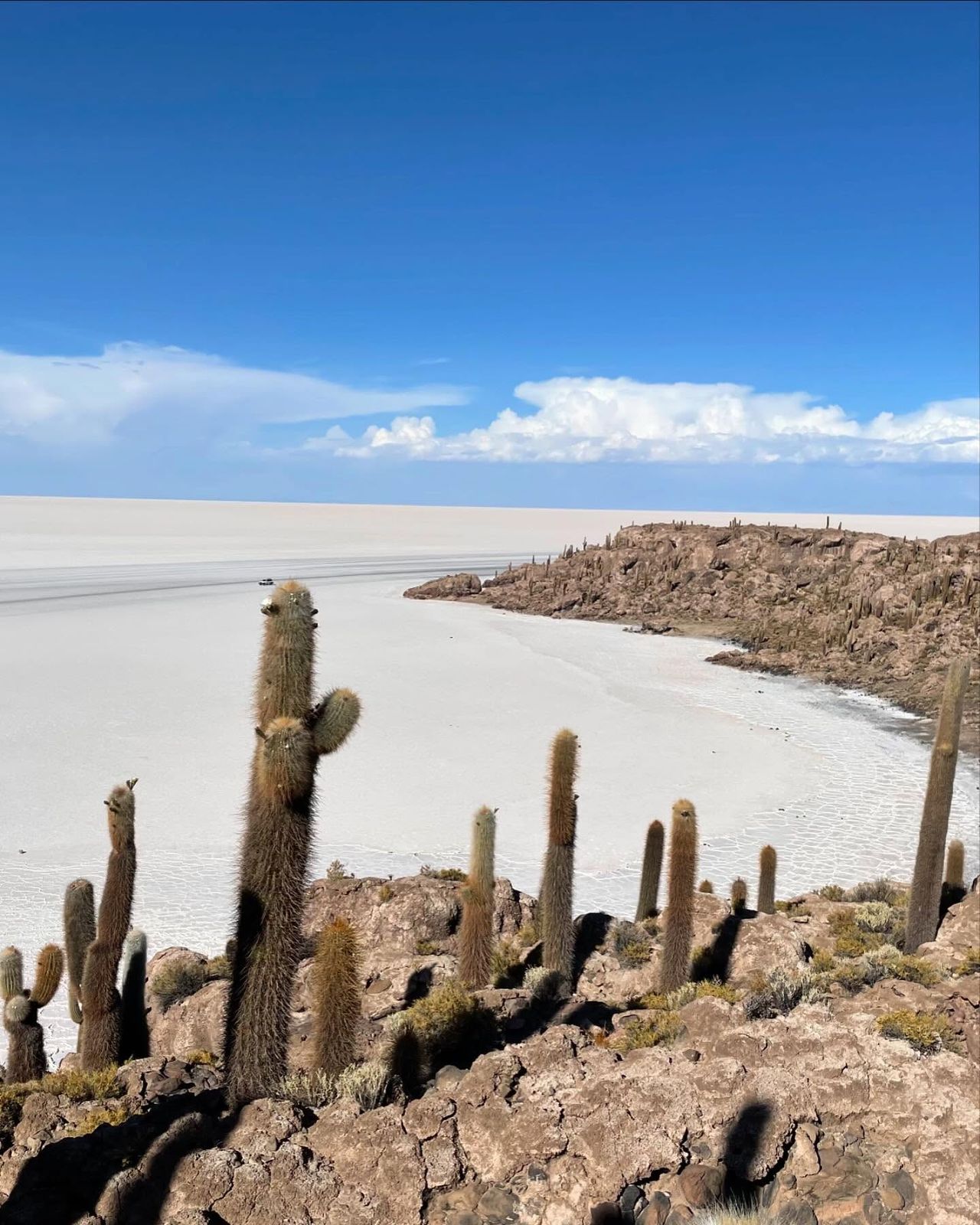
A rocky outcrop in the middle of the salt flats covered in giant cacti, climbed on a short trail for a view across the white. Many tours stop here for lunch, so arrive early or late for quiet.

WildlifeF

The southwest lagoons

On the longer tour, the route south passes Laguna Colorada, stained red by algae and dotted with flamingos, steaming geysers at dawn and a green lagoon below Licancabur volcano. It is high, remote and freezing at night, and worth every layer you pack.

HistoryG

Potosí's colonial mint

Potosí, higher even than La Paz, grew rich on the silver of Cerro Rico, and its colonial mint is now a museum of coins, paintings and machinery. Tours into the working mines exist, but they are cramped, dusty and a hard look at working conditions, so think carefully first.

Food and drink

What to eat and drink

  • Salteñas

    Baked pastries filled with a sweet, juicy stew of meat, potato and olive, eaten mid-morning. Hold them upright, bite a corner first, and go early, as the best bakeries sell out by lunch.

  • Api con pastel

    A hot, thick drink of purple corn and cinnamon with a crisp fried pastry of cheese dusted with sugar, a cold-morning breakfast in La Paz markets.

  • Sopa de maní

    Peanut soup with vegetables and pasta, topped with a handful of chips, the most common starter on a set lunch.

  • Titicaca trout

    Trout from the lake, fried or grilled and served in the lakeside kitchens of Copacabana with rice, chips and salad.

  • Singani

    Bolivia's grape brandy from the high southern valleys, drunk neat or as a chuflay with ginger ale and lime.

  • Mate de coca

    Coca leaf tea, offered in hotels to ease the altitude. It is legal and normal in Bolivia, but coca leaves and tea bags must not be brought back to the UK.

Money

What Bolivia costs

Bolivia is one of the cheapest countries in South America day to day, so the real budget question is where not to save. The salt flats tour is the answer: a newer 4x4, an experienced driver, warmer lodgings and a small group make three cold, remote days safer and far more comfortable. Internal flights cost more than buses but replace long overnight journeys on rough roads. Good warm layers and sun protection matter more here than almost anywhere else we send people.

Flights and transfers

Getting to Bolivia from the UK

There is no direct UK flight: Bolivia is reached with one or two stops, typically through Madrid or a US hub into La Paz. Arriving in La Paz means arriving very high indeed, so we build the first days deliberately gentle, and where the route allows we approach the altitude gradually rather than all at once.

Flights from UK airports

La Paz El Alto LPB

  • ManchesterWith a connection, about 17h 40m
  • London HeathrowWith a connection, about 17h 55m
  • London GatwickWith a connection, about 17h 10m

Route check September 2026. Some routes are seasonal and schedules change, so we confirm the live options when we quote.

Practical details

Know before you go

Time

4 hours behind the UK in winter, 5 hours in summer

Currency

Boliviano (Bs)

Language

Spanish, with Aymara and Quechua widely spoken

Plugs

Type A and C, 230V

Driving

On the right

Tap water

Not safe to drink; use bottled or filtered water

Tipping

Around 10 percent in restaurants is appreciated; tip salt flats drivers and cooks at the end of a tour

Entry for British passport holders

Visa. No visa needed for up to 90 days in a year, even though border officials stamp 30 days at a time.

Passport. Valid for at least 6 months after you arrive, with 2 blank pages.

The FCDO advises against all but essential travel to the Chapare region of Cochabamba Department, including Villa Tunari and highway routes 4 and 24 through it. The places we suggest on this page were outside those areas when we checked, and we check the advice again before every booking.

Summarised from the FCDO travel advice on gov.uk, checked 29 September 2026. Rules change: read the current entry requirements and the full travel advice before you go.

Questions we get asked

Bolivia FAQs

When can you see the mirror effect on the Uyuni salt flats?+

Usually from about January to March, when rain leaves a thin layer of water on the salt and still air turns it into a mirror. It is never guaranteed: too little rain and there is no reflection, too much and tracks flood and tours are shortened. December and April can give patches of both white salt and water.

How many days do you need for the Uyuni salt flats?+

One full day on the salt shows you the classic sights, but we recommend the three-day tour, which continues south through the red and green lagoons, geysers and high deserts to the Chilean border. It is basic and cold, so a good operator and warm kit matter more than the number of days.

How do you cope with arriving in La Paz at altitude?+

Slowly. The airport at El Alto sits above 4,000 metres and the city centre at around 3,600, so almost everyone feels it: headaches, breathlessness and broken sleep are common for a day or two. Rest on day one, drink water, go easy on alcohol, try coca tea and ask a doctor before you go about tablets for altitude. Heading down to the Yungas early in the trip helps.

Is the Death Road safe to cycle?+

With a good operator most riders finish without trouble, but the risk is real: the old road is narrow and unsurfaced with long drops, and cyclists have died on it. It carries little traffic now that a newer road has taken over, which helps. Pay for well-maintained bikes, experienced guides and a support vehicle, and ride within your limits.

Do strikes and road blockades affect travel in Bolivia?+

Sometimes, yes. Protests and road blockades are a regular part of Bolivian life and can close routes for a day or longer with little warning. We build slack into the itinerary, prefer flights for the longest journeys and check with local operators on the day.

Can we combine Bolivia with Peru or Chile?+

Easily. Lake Titicaca joins Bolivia to Peru, with a road crossing between Copacabana and Puno, so a route can run from Cusco to La Paz or the other way. At the far end, the three-day salt flats tour can finish at the Chilean border for San Pedro de Atacama.

Your world, your way

Thinking about Bolivia?

Tell us roughly what you have in mind. We will compare the flights, hotels, routes and operators, explain the trade-offs and build the version that works for you.

Start your trip