Argentina

Central & South America · Touring guide

Argentina

Iguazu Falls, vast landscapes and a country that rewards proper route planning across serious distances.

We’ve been hereSteak and winePatagoniaTango
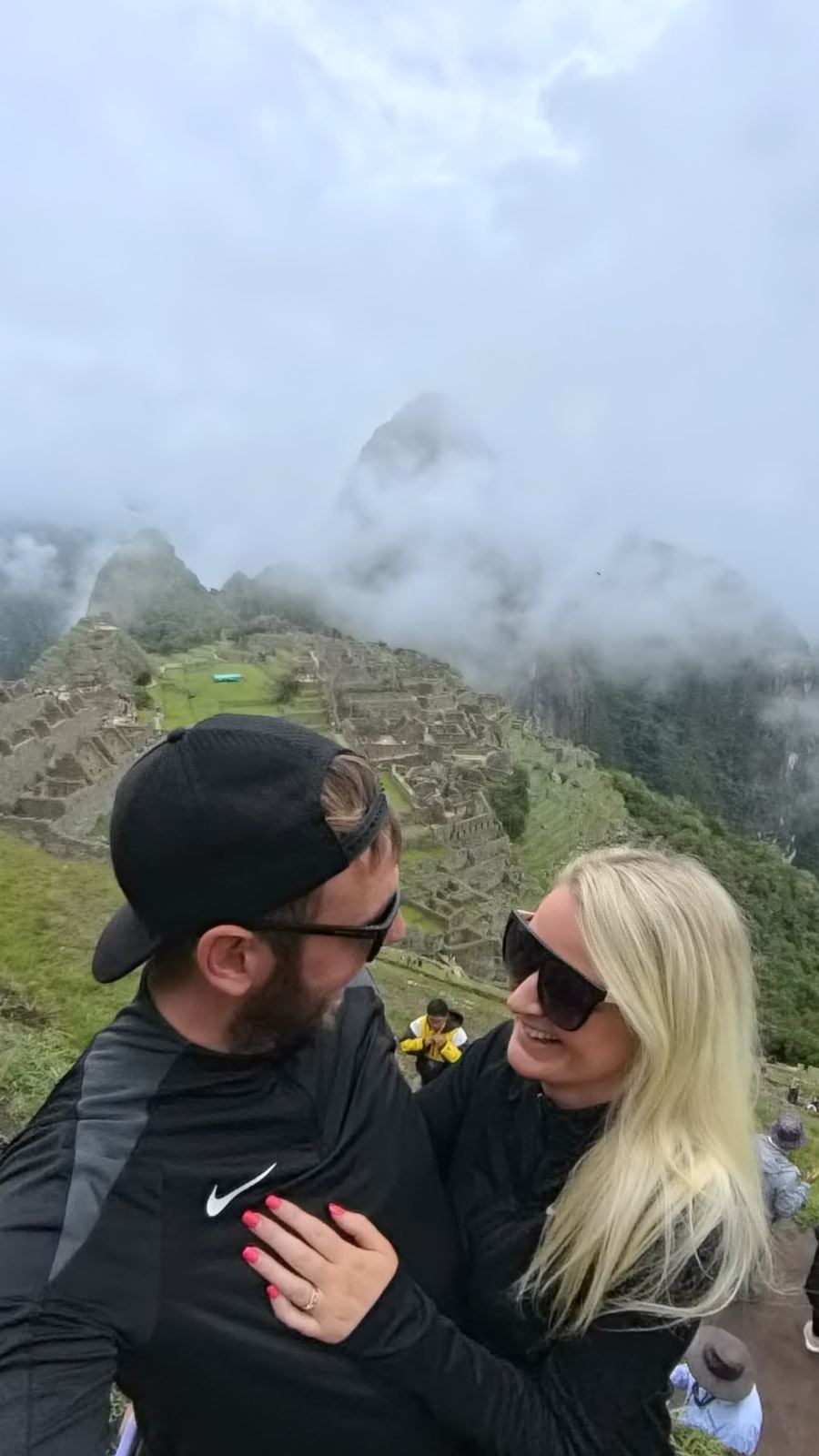
Photo: Si & Beth
Journey15h with a stopfrom London Gatwick
Time3 hours behind the UK in winter, 4 hours in summer
Typical stay12 to 16 nights
CurrencyArgentine peso (AR$)
How we book itBuilt by us

Is it right for you?

Who Argentina suits

A strong fit for

Waterfalls, wildlife, culture and longer multi-centre trips.

We would think twice for

Short trips and small appetites, because Argentina's distances are enormous and its dinners start at ten, and both demand commitment.

What we would want you to know

The country is huge, so distances between regions need realistic flight and drive time.

We’ve been here

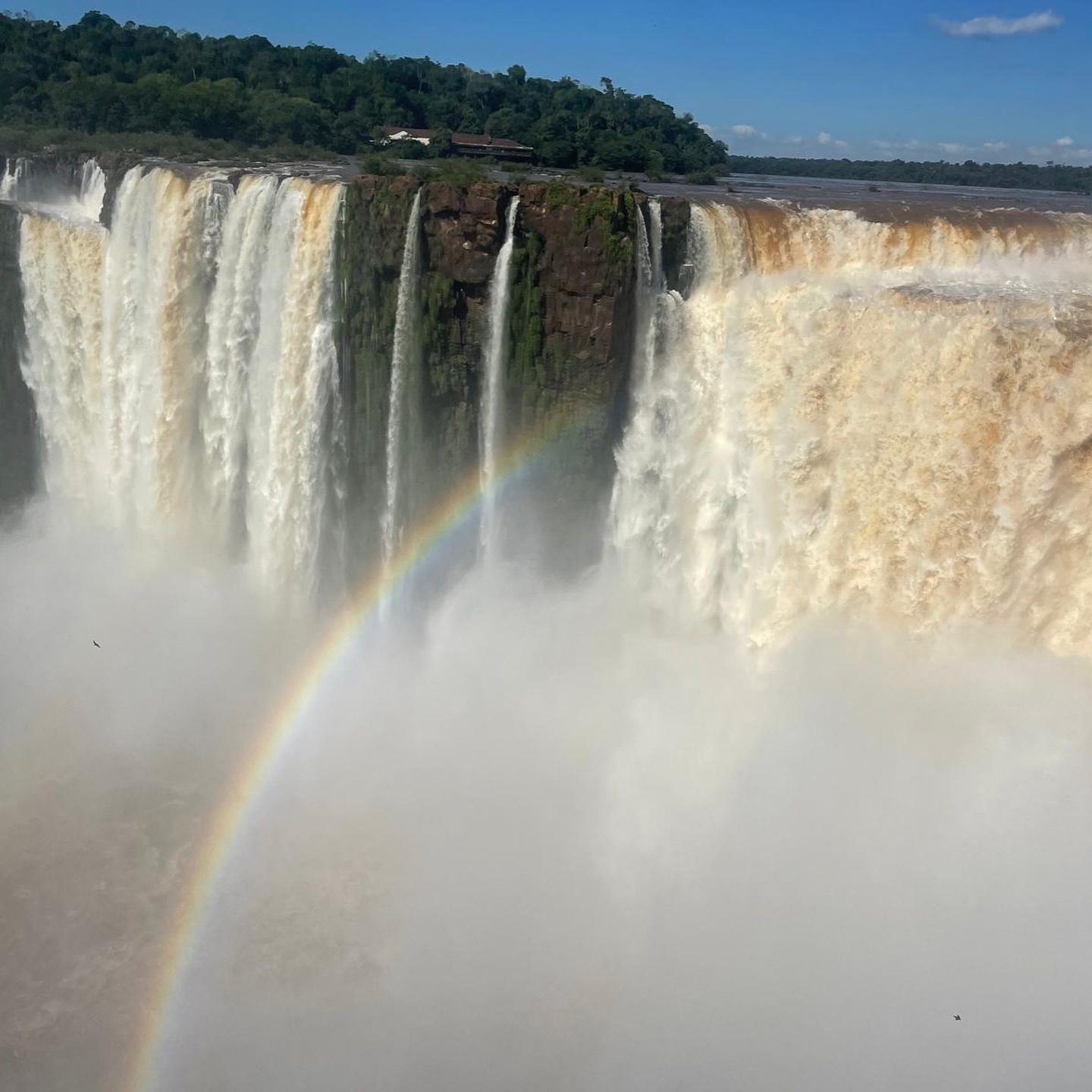
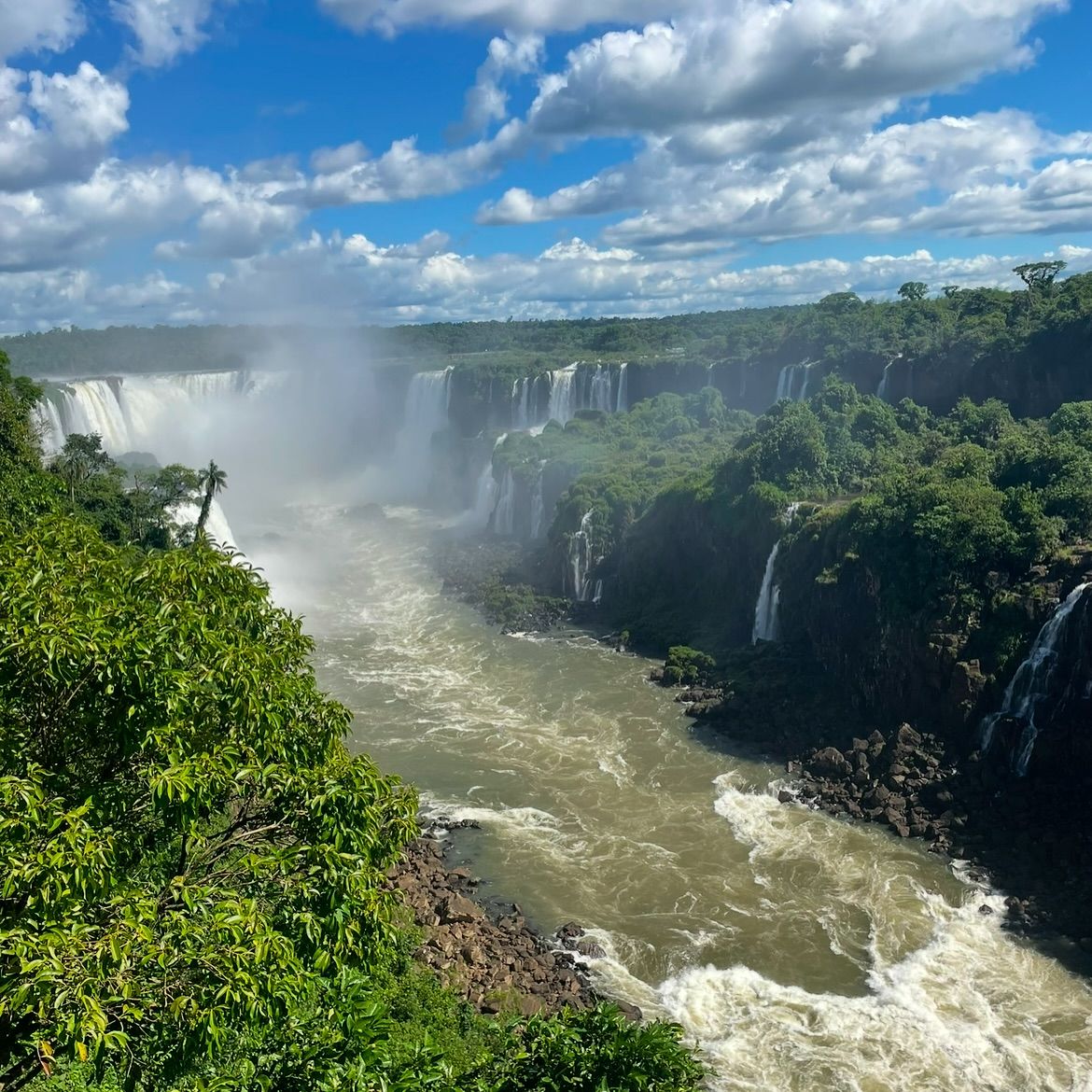
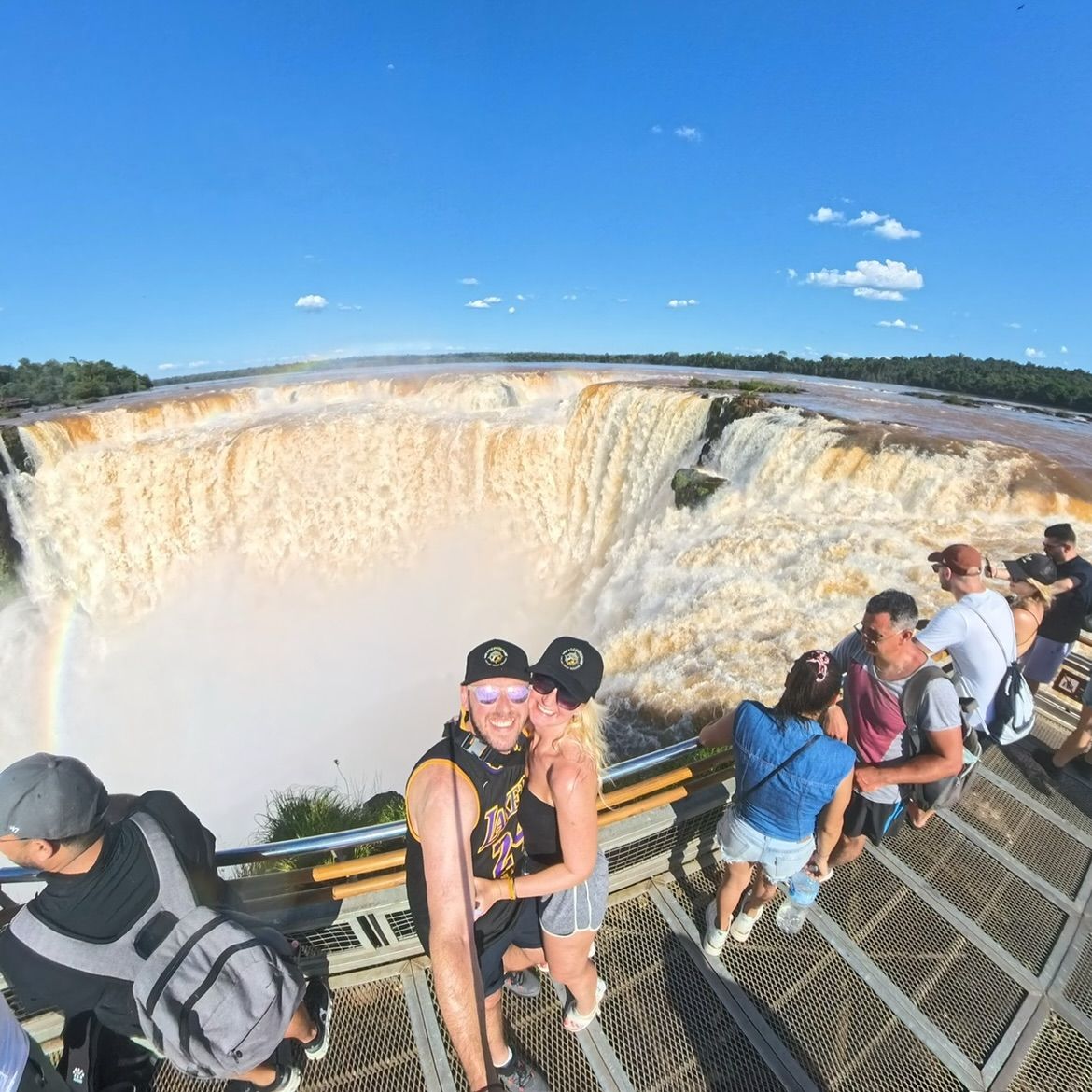
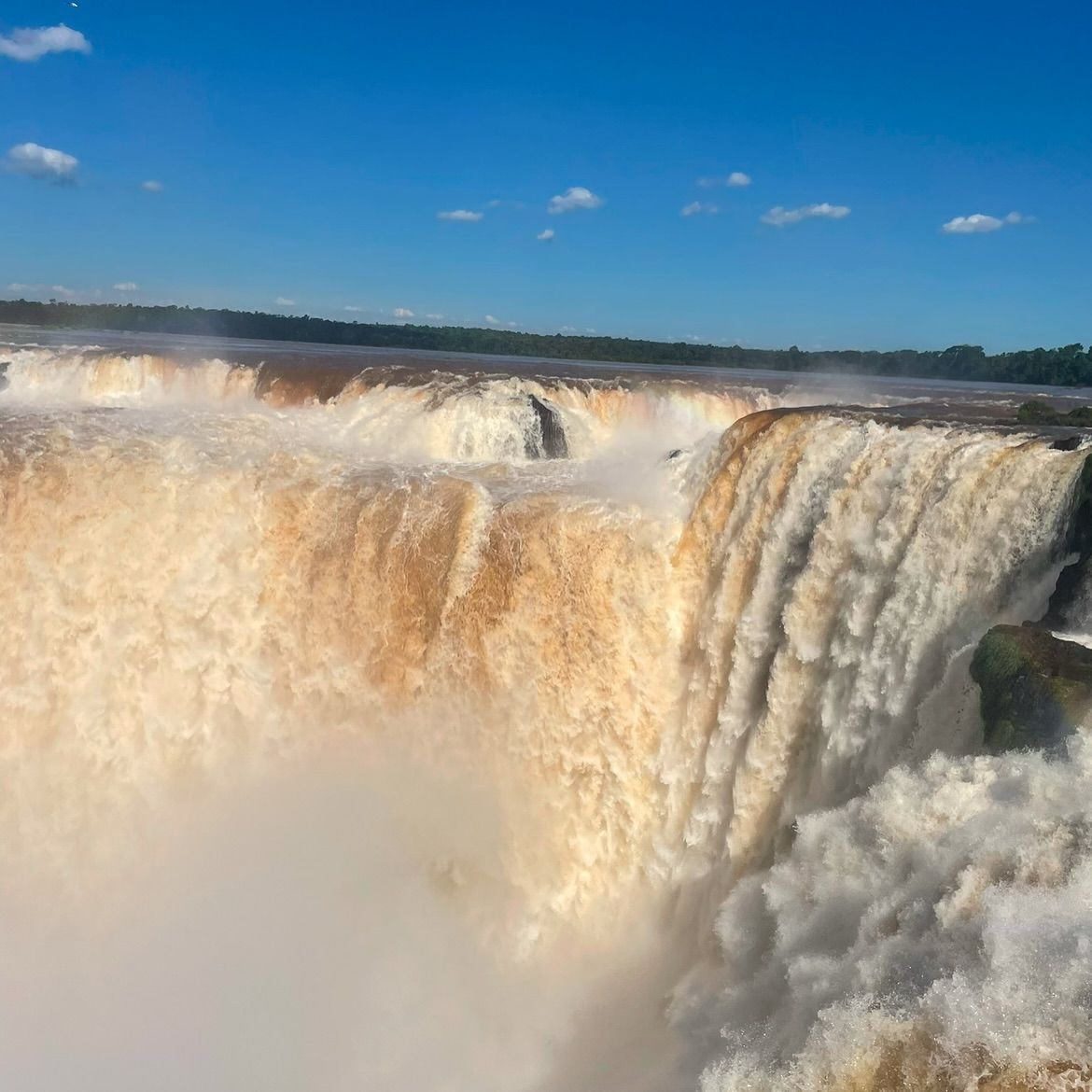
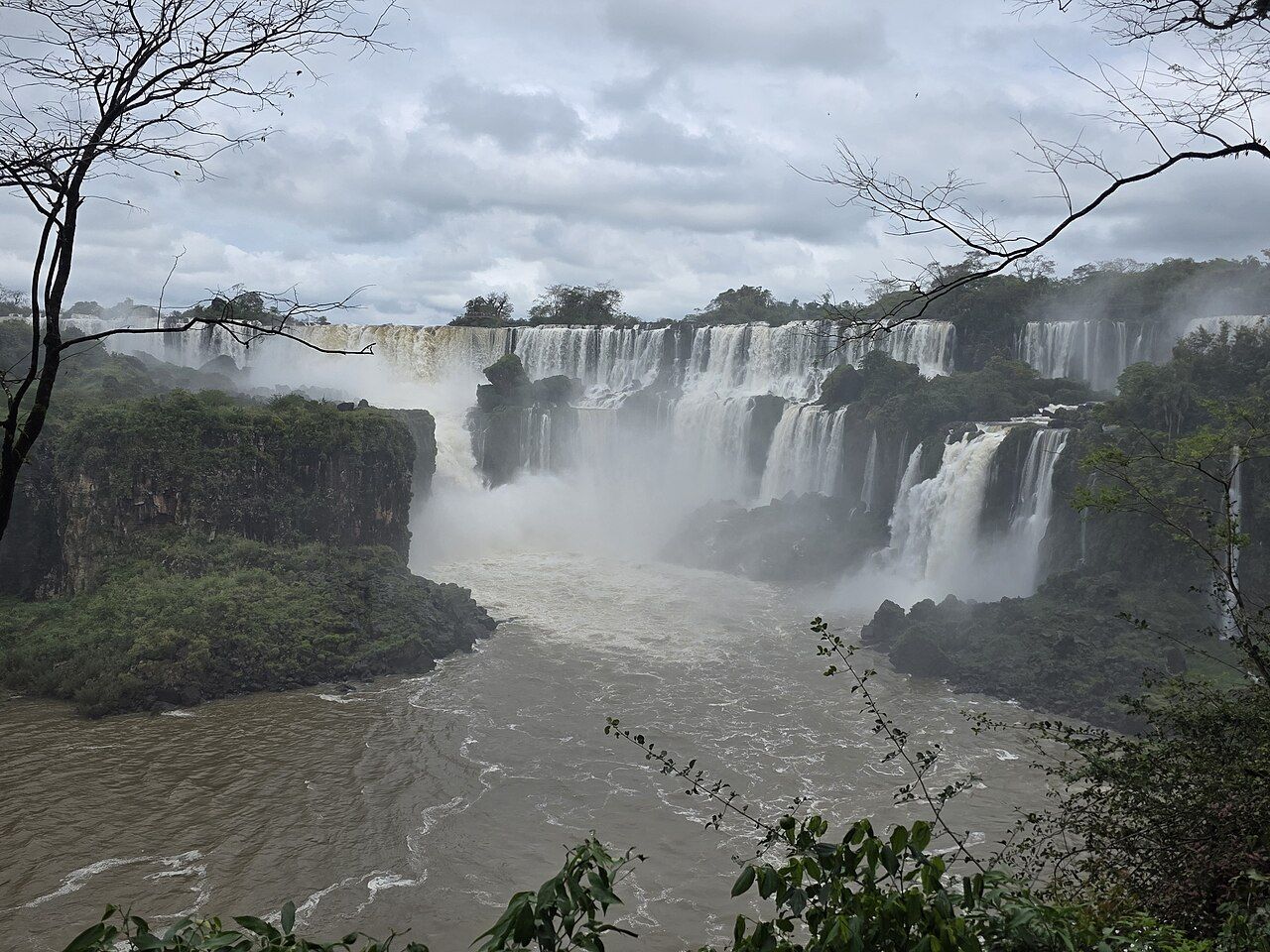
Our own time in Argentina was spent at Puerto Iguazú, on the Argentine side of the falls, where the trails take you along the top, down towards the base and out over the river to the edge of the Devil's Throat. That visit is why we always give Iguazú two nights rather than a flying day. Our advice on Buenos Aires, Mendoza and Patagonia is research-led.

From our trips

Argentina, as we filmed it

Iguazú from above the jungle
Close to the falls

Filmed by us on the trip itself and shown without sound. No stock footage.

The route

Two weeks of city, falls and ice

  1. Nights 1 to 3

    Buenos Aires

    Settle in with long walks through Recoleta and Palermo, the San Telmo fair if a Sunday falls in your stay, a night at a milonga and a steak dinner that starts at ten.

  2. Nights 4 and 5

    Puerto Iguazú

    Fly north to the falls. Give the first full day to the Argentine side, taking the early train to the Devil's Throat before the upper and lower circuits; the second morning suits a boat into the spray or a few hours on the Brazilian side.

  3. Nights 6 to 8

    El Calafate

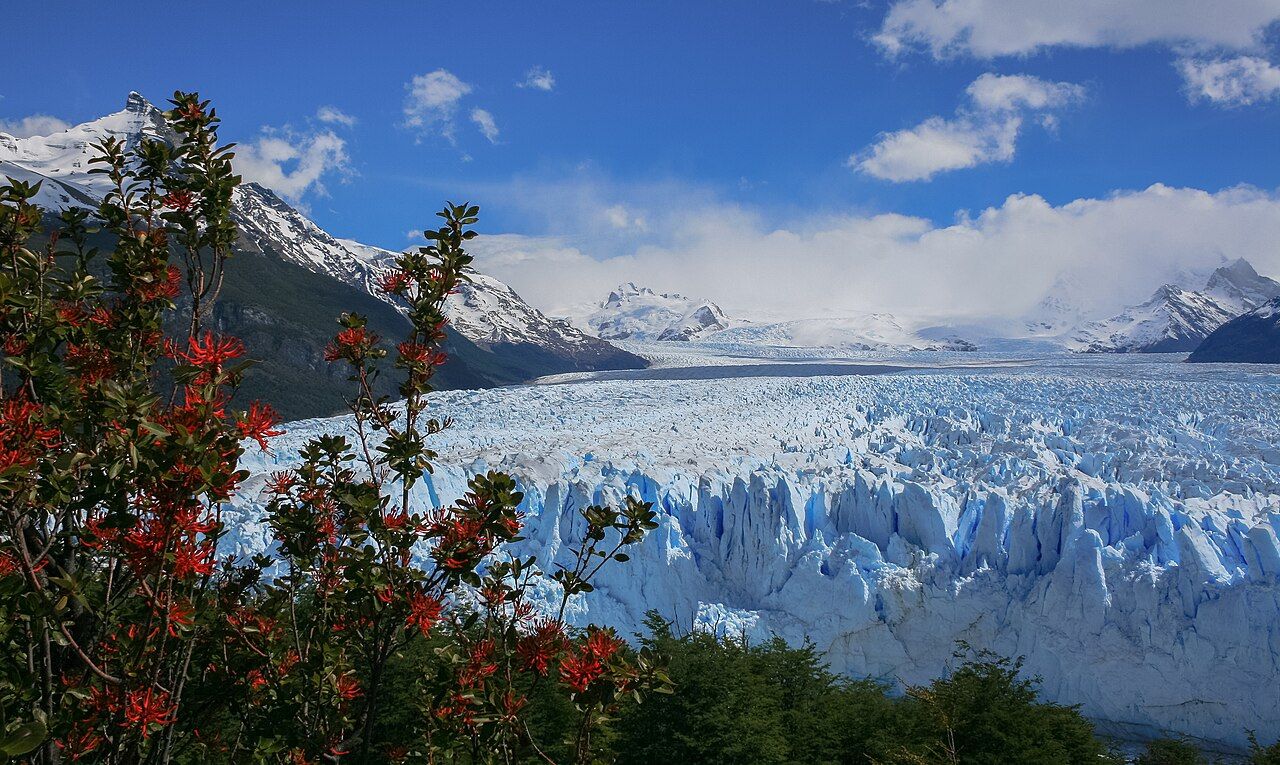
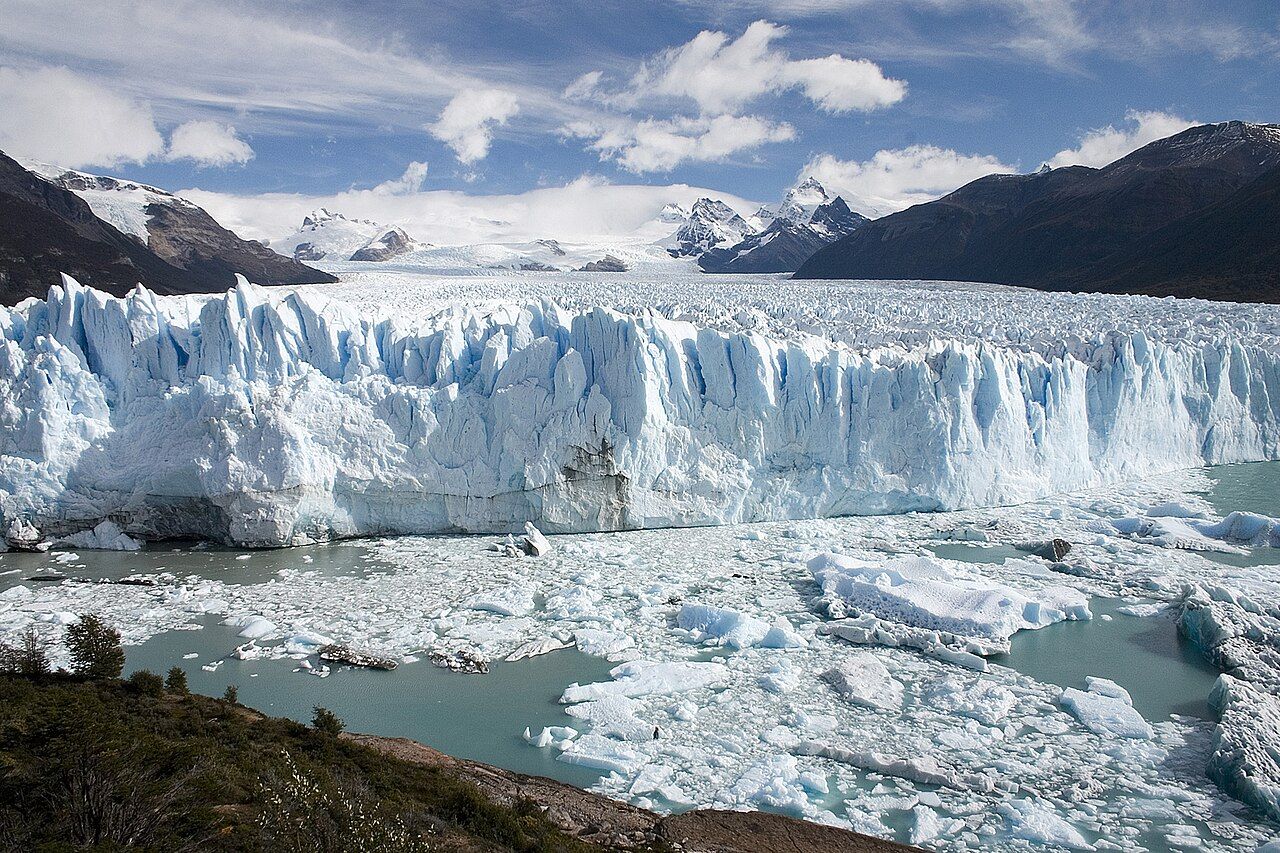
    Fly south to Patagonia and spend a day facing the Perito Moreno Glacier from the walkways, adding a boat trip to the ice face or a guided walk on the glacier itself.

  4. Nights 9 to 11

    El Chaltén

    Drive north across the steppe to El Chaltén for three days of hiking, keeping one spare for the weather. Laguna de los Tres is the big day; Laguna Torre is the gentler alternative.

  5. Nights 12 and 13

    Buenos Aires

    Back to the capital for a last lazy lunch and a final evening out before the flight home. With a third week, go on to Mendoza for the vineyards or Bariloche for the lakes instead.

An idea to react to, not a fixed package. We shape the real thing around your dates, your pace and what the flights are doing that season.

Map and stops

The places on the route

1

Buenos Aires

Food and wineTangoCity breaks

A big, European-feeling capital best taken neighbourhood by neighbourhood. Palermo has leafy streets, parks and the liveliest eating and drinking; Recoleta is grand, calm and close to the famous cemetery; San Telmo keeps its cobbles, antiques and tango, with a rougher edge at night. Give it three nights at least, and remember that dinner rarely starts before nine.

2

Puerto Iguazú

WaterfallsRainforest walksShort stays

The small, low-rise town on the Argentine side of the falls, where the Iguazú meets the Paraná and a viewpoint looks across the rivers to Brazil and Paraguay. Hotels sit in town and in the forest along the park road, with one inside the national park itself. Evenings are quiet, the humidity rarely lets up, and good air conditioning matters from December to March.

3

Mendoza and the Uco Valley

WineAndes viewsLong lunches

A shady, tree-lined city at the foot of the Andes, surrounded by the vineyards of Luján de Cuyo and Maipú, with the higher Uco Valley further south. Wine lodges among the vines make the most memorable stays, while the city suits shorter visits and cyclists touring Maipú. The bodegas are spread out, so a driver matters, and some close on Sundays.

4

Salta and the north-west

Colonial townsColoured canyonsHigh-altitude wine

A colonial city of arcaded squares and churches, and the gateway to the Andean north-west: the striped hills of the Quebrada de Humahuaca to the north and the vineyards of Cafayate to the south. The food, crafts and music feel closer to Bolivia than to Buenos Aires. Roads climb high on the passes, where altitude catches some people out, and distances between towns are long.

5

Bariloche and the Lake District

LakesForest walksSkiing in winter

An alpine-style town on the shore of Lake Nahuel Huapi, with chocolate shops, lake cruises and forest walks, and skiing at Cerro Catedral in the southern winter. Lakeside hotels outside town are the peaceful choice. It works as a gentler Patagonian chapter between Buenos Aires and the far south, though the centre is busy and traffic builds along the lake road.

6

El Calafate

GlaciersBoat tripsPatagonian steppe

A small town on the milky turquoise shore of Lago Argentino, built around visits to the Perito Moreno Glacier. Its hotels, restaurants and airport make it the practical base for southern Patagonia. The town itself is modest and the steppe around it dry and windswept, so the scenery starts when you leave.

7

El Chaltén

HikingMountain viewsActive couples

A young village at the foot of Fitz Roy and Cerro Torre, founded in 1985 as a trekking base, with trails leaving straight from its streets. It suits walkers who can wait out the weather, because cloud and wind can hide the peaks for days. Rooms are simpler than in El Calafate, and much of the village shuts in winter.


Weather and seasons

When to go to Argentina

Argentina's seasons run opposite to ours, and its regions pull in different directions. Buenos Aires is hot and sticky in January, around 30°C, when many locals leave for the coast; spring brings the easiest walking weather and purple jacaranda blossom in November, while July nights fall to about 8°C. Patagonia's walking season runs roughly November to March, with long daylight and fierce wind, and many hotels and restaurants in El Chaltén close for the winter. At Iguazú the heat and humidity peak from December to March, and the falls' flow depends on rain upstream, so they can roar or run thinner in any month. Mendoza's grape harvest fills February and March with festivities.

Worth timing a trip around

Late February to early March

Fiesta Nacional de la Vendimia, Mendoza

Mendoza's harvest festival brings parades of decorated floats, the blessing of the grapes and a grand night show in an open-air amphitheatre, where a harvest queen is crowned. Hotels fill, so book early.

Monthly, around the full moon

Full moon walks at Iguazú

On a few nights around each full moon, small guided groups ride the park train after dark to see the Devil's Throat by moonlight. Places are limited, walks are cancelled in cloud and are sometimes suspended, so treat them as a lucky extra.

August

Buenos Aires Tango Festival

Around two weeks of concerts, classes and milongas across the city, many of them free, ending with the finals of the world tango championship.

November

Fiesta de la Tradición, San Antonio de Areco

Around 10 November, the gaucho town of San Antonio de Areco, a couple of hours from Buenos Aires, fills with riders in traditional dress, folk music, horsemanship displays and asado.

Daytime high to night-time low Rainfall
January: 122 mm of rainFebruary: 140 mm of rainMarch: 82 mm of rainApril: 109 mm of rainMay: 94 mm of rainJune: 42 mm of rainJuly: 82 mm of rainAugust: 39 mm of rainSeptember: 83 mm of rainOctober: 78 mm of rainNovember: 95 mm of rainDecember: 94 mm of rainJanuary: highs 30°C, lows 21°CFebruary: highs 29°C, lows 21°CMarch: highs 27°C, lows 19°CApril: highs 23°C, lows 16°CMay: highs 19°C, lows 12°CJune: highs 17°C, lows 9°CJuly: highs 16°C, lows 8°CAugust: highs 18°C, lows 10°CSeptember: highs 19°C, lows 12°COctober: highs 22°C, lows 14°CNovember: highs 26°C, lows 17°CDecember: highs 28°C, lows 19°C30°21°J29°21°F27°19°M23°16°A19°12°M17°9°J16°8°J18°10°A19°12°S22°14°O26°17°N28°19°D
See the numbers
MonthHighLowRain
January30°C21°C122 mm
February29°C21°C140 mm
March27°C19°C82 mm
April23°C16°C109 mm
May19°C12°C94 mm
June17°C9°C42 mm
July16°C8°C82 mm
August18°C10°C39 mm
September19°C12°C83 mm
October22°C14°C78 mm
November26°C17°C95 mm
December28°C19°C94 mm

Temperatures are 2015 to 2024 averages from NOAA records for Aeroparque Jorge Newbery, 6 km away at 6 m. Rainfall is from the GPCC rain-gauge analysis (Deutscher Wetterdienst) for 2010 to 2019 and shows the typical (median) month, so one freak storm does not skew it.

Things to do

Things to do in Argentina

NatureA

The Devil's Throat walkway

A small train runs through the forest to a walkway that crosses the wide upper river to the lip of the Garganta del Diablo, where much of the river plunges into a horseshoe of spray. Take the first train of the day, and expect to get wet.

Family

The upper and lower circuits

Two loops of trails and catwalks inside the Argentine park: the upper runs along the top of the falls and is mostly level, the lower drops by steps to viewpoints near the base and the jetty for boats into the spray. Coatis patrol the paths, so keep food out of sight.

HistoryB

Recoleta Cemetery

A city of marble mausoleums where Argentina's grandest families are buried, including Eva Perón in the Duarte family tomb. Go with a guide or a map, because the lanes are a maze.

Music

A night at a milonga

Tango shows are polished and pricey, but the milongas, dance halls where locals dance late into the night, show tango as it is lived. Take a lesson earlier in the evening, dress smartly and learn the etiquette of glances before anyone asks you to dance.

ShoppingC

San Telmo Sunday fair

On Sundays Calle Defensa fills with stalls of antiques, crafts and leather, with tango dancers and musicians around Plaza Dorrego. Keep bags zipped in the crowds, and finish with lunch at a traditional parrilla nearby.

SportD

Football at La Bombonera

Watching Boca Juniors in their steep stadium in La Boca is loud, emotional and not for the faint hearted. Tickets go mostly to members, so visitors need an organised package with a host; on other days the stadium museum and the painted houses of Caminito fill a morning.

Food

A wine day in Mendoza

Cycle between bodegas in flat Maipú, or take a driver up to the Uco Valley for Malbec tastings and a long lunch with the Andes behind the vines. Book tastings ahead and leave plenty of time between visits.

NatureE

Perito Moreno Glacier

Walkways face the glacier's jagged front across a narrow channel, close enough to hear the ice crack and watch towers of it fall into the lake. Boats run up to the face, and guided ice walks with crampons put you on top, with age limits.

AdventureF

Laguna de los Tres

The classic day hike from El Chaltén climbs through forest and past streams to a glacial lake at the foot of Fitz Roy. The last hour is a steep, loose scramble; start early, carry layers for the wind and check the forecast, as cloud can hide the peak completely.

Day tripsG

Quebrada de Humahuaca

A UNESCO-listed valley north of Salta where hills streaked red, green and purple frame adobe villages. Purmamarca's Hill of Seven Colours is best in the morning sun, and the road climbs high, so an overnight beats a rushed day trip.

Food and drink

What to eat and drink

  • Asado at a parrilla

    Beef cooked slowly over wood embers: ask for bife de chorizo (sirloin) or vacío (flank), with provoleta, grilled provolone, to start and chimichurri on the side.

  • Empanadas

    Baked or fried pastries filled with beef, chicken, cheese or sweetcorn, each crimped differently so you can tell them apart. Salta and Tucumán argue hardest over whose are best.

  • Locro

    A thick stew of maize, beans, pumpkin and pork, eaten on the national holidays of 25 May and 9 July, and on cold days in the north.

  • Mate

    Dried yerba mate leaves steeped in a gourd and sipped through a metal straw, passed round a group. Most of the leaf is grown in Misiones, the province around Iguazú.

  • Malbec and Torrontés

    Mendoza's rich Malbec is the red to drink with steak; Torrontés, a fragrant white from the high vineyards of Cafayate, is the one to try in the north.

  • Alfajores

    Two soft biscuits sandwiching dulce de leche, dipped in chocolate or rolled in coconut. Every region has its own, and a box makes an easy present to take home.

Money

What Argentina costs

Distance sets Argentina's price more than anything else. Each region is a flight apart, so internal flights and the lodges of Patagonia make up much of the cost, while Buenos Aires, its steakhouses and its wine are often good value. The glacier and the vineyards are worth doing well: a boat or an ice walk at Perito Moreno, and a driver for a day in the Uco Valley. At Iguazú, a second night buys an early start on the walkways before the crowds. Peso prices change quickly, so we price close to travel.

Flights and transfers

Getting to Argentina from the UK

Direct flights link London with Buenos Aires; from the north of England it is one stop. Internal flights are unavoidable for Patagonia and Iguassu, and they shape the route more than any other single factor.

Flights from UK airports

Buenos Aires Ezeiza International EZE

  • ManchesterWith a connection, about 18h 45m
  • London HeathrowWith a connection, about 16h 30m
  • London GatwickWith a connection, about 15h

Route check September 2026. Some routes are seasonal and schedules change, so we confirm the live options when we quote.

Practical details

Know before you go

Time

3 hours behind the UK in winter, 4 hours in summer

Currency

Argentine peso (AR$)

Language

Spanish

Plugs

Type C and I, 220V

Driving

On the right

Tap water

Safe to drink in Buenos Aires and most cities; bottled is sensible in remote areas

Tipping

Around 10 percent in restaurants, ideally in cash; a small per-person cover charge (cubierto) is common

Entry for British passport holders

Visa. No visa needed for tourist stays of up to 90 days.

Passport. Valid for your whole stay.

Summarised from the FCDO travel advice on gov.uk, checked 29 September 2026. Rules change: read the current entry requirements and the full travel advice before you go.

Questions we get asked

Argentina FAQs

Which side of Iguazú Falls is better, Argentina or Brazil?+

Argentina, if you only have time for one. We have been on the Argentine side, which holds most of the falls, with trails along the top, down towards the base and out over the river to the Devil's Throat; it fills a whole day. The Brazilian side gives the wide panorama in a morning, so with two nights you can see both.

Is one day enough for Iguazú Falls?+

Not really. One full day covers the Argentine side if you catch the first train, but two nights let you add the Brazilian side or a boat trip and reach the walkways before the tour groups. Flights in and out eat into a single day, and cloud or very high water can close parts of the park at short notice.

When is the best time to visit Patagonia?+

Roughly November to March, the southern summer, when days are long, the trails around El Chaltén are open and boats run on Lago Argentino. December to February is the busiest and dearest stretch. The wind blows hardest in spring and summer, so pack a windproof layer whatever the month. In winter much of El Chaltén closes, though the Perito Moreno Glacier can be visited all year.

Can you fit Buenos Aires, Iguazú and Patagonia into two weeks?+

Yes, with internal flights and no more than four bases: three nights in Buenos Aires, two at Iguazú and six split between El Calafate and El Chaltén. Adding Mendoza or Bariloche as well needs a third week, because every region is a flight apart and connections often route through Buenos Aires.

Is Buenos Aires safe for tourists?+

Largely, with big-city care. Phone snatching and pickpocketing are the common problems, in crowds, on public transport and at pavement café tables, so keep phones out of reach of passers-by. Palermo and Recoleta are comfortable to walk at night; La Boca and parts of San Telmo are daytime places, and taxis or app cars make sense after dark.

What time do people eat dinner in Argentina?+

Late. Restaurants open around eight, but most locals sit down between nine and eleven, even on weeknights, and a merienda of coffee and pastries around five keeps everyone going. Book an early table if you prefer, and expect the dining room to fill just as you finish.

Should we pay with cash or cards in Argentina?+

Use both. Cards and contactless payments are widely accepted in cities, hotels and restaurants, but taxis, markets, small shops and tips often need pesos. Exchange rules and inflation have changed a lot in recent years, so we check the latest position before you travel, including whether card or cash gives the better rate.

Your world, your way

Thinking about Argentina?

Tell us roughly what you have in mind. We will compare the flights, hotels, routes and operators, explain the trade-offs and build the version that works for you.

Start your trip