
Brazil

Central & South America · Touring guide

Brazil

Cities, coast and huge scale, requiring confident flight and route planning.

We’ve been hereIconsBeachesWaterfalls
Photo: Si & Beth
Flight11h 25m directfrom London Heathrow
Time3 hours behind the UK in winter, 4 hours in summer
Typical stay10 to 16 nights
CurrencyBrazilian real (R$)
How we book itBuilt by us

Is it right for you?

Who Brazil suits

A strong fit for

Culture, adventure and longer multi-centres.

We would think twice for

Travellers who want everything within one transfer, because Brazil is vast, and even the classic highlights sit a flight apart from one another.

What we would want you to know

Distances are vast and each internal flight changes the pace.

We’ve been here

Rio de Janeiro was one of our own stops in Brazil, and we have also booked a group trip for clients that pairs Brazil with Colombia. Knowing Rio on the ground, which beach suits whom and which streets empty at night, is what we build the rest of a Brazilian route around.

The route

Rio, the falls and the green coast

  1. Nights 1 to 4

    Rio de Janeiro

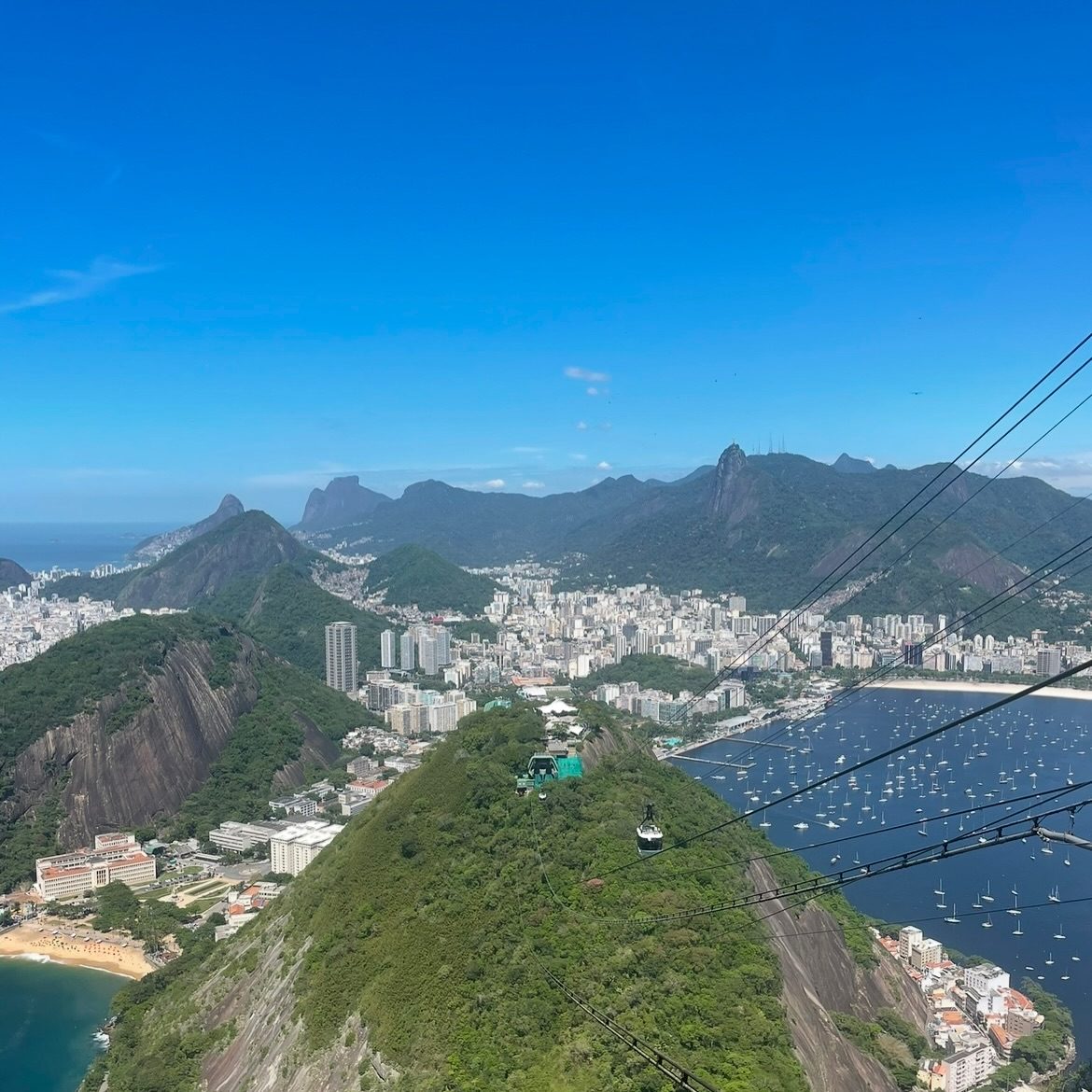
    Settle into Ipanema, see Christ the Redeemer early and Sugarloaf at sunset, and give an afternoon each to Santa Teresa and the beach. Save a Friday night for Lapa.

  2. Nights 5 and 6

    Foz do Iguaçu

    Fly to the falls. Walk the Brazilian trail on the first afternoon, then cross into Argentina for a full day on the walkways and a boat ride into the spray.

  3. Nights 7 to 9

    Paraty

    Fly back to Rio and take the coast road to Paraty for cobbled evenings, a schooner day in the bay and a trip up into the hills.

  4. Nights 10 and 11

    Ilha Grande

    A transfer and a boat ride take you to the island for rainforest trails and a day at Lopes Mendes, before returning to Rio for the flight home.

An idea to react to, not a fixed package. We shape the real thing around your dates, your pace and what the flights are doing that season.

Map and stops

The places on the route

1

Rio de Janeiro

BeachesCity sightsNightlife

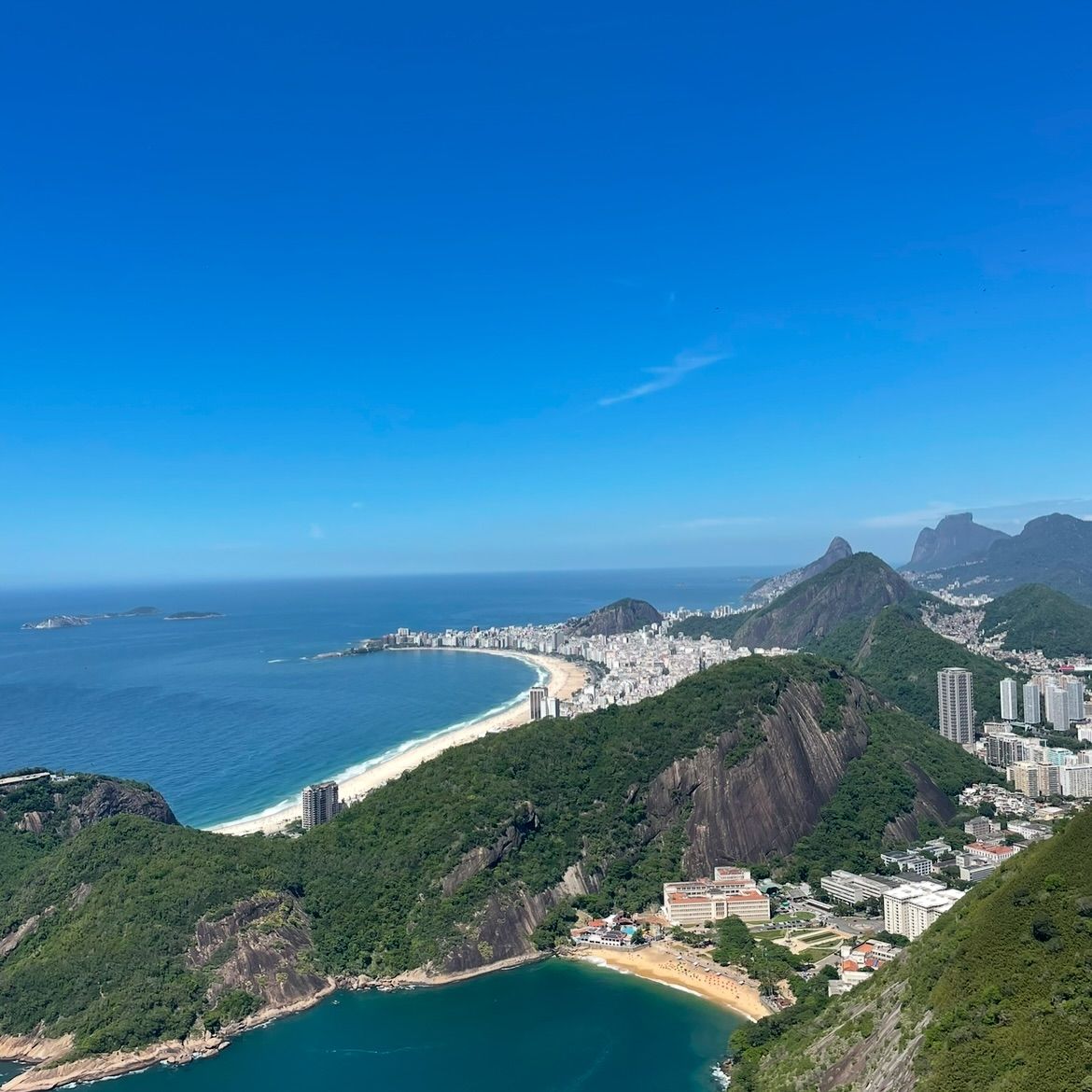
We have been to Rio, and where you stay shapes the trip. Ipanema and Leblon have the smarter beach streets, cafés and the easiest evenings on foot; Copacabana has more hotels and a busier, rougher edge at night; Santa Teresa's hillside guesthouses have charm but steep streets and fewer taxis. Wherever you stay, keep phones and valuables out of sight on the beach.

2

Foz do Iguaçu

WaterfallsNatureShort stays

The Brazilian town for the falls, functional rather than pretty, with hotels in town and a few along the national park road. Two nights lets you see the Brazilian side's panorama and cross the border for a full day on the Argentine walkways. Humidity is high all year and the spray will soak you, so pack light layers that dry fast.

3

Paraty

CouplesColonial charmBoat days

A colonial port of whitewashed houses and painted doors on the Costa Verde, with car-free streets of huge, uneven cobbles and a bay full of islands. Days go on wooden schooners and trips to waterfalls and cachaça distilleries in the hills. The cobbles are hard on ankles and wheels, and the lowest streets take on seawater at the highest tides.

4

Ilha Grande

BeachesWalkersNo cars

A mountainous, car-free island of rainforest and beaches, reached by boat, with simple guesthouses in the village of Abraão. Trails and boats lead to Lopes Mendes, a long sweep of white sand, and to quieter coves. It is humid and often rainy in summer, and facilities are basic, so it suits travellers who want nature over comfort.

5

Salvador

MusicAfro-Brazilian cultureHistory

Brazil's first capital, where the Pelourinho's cobbled squares of pastel mansions and gilded churches sit on a clifftop above the bay. Drumming, capoeira and Bahian cooking make it the country's Afro-Brazilian heart. Stay in the historic centre or Santo Antônio for character, or Barra for the beach, and take taxis after dark.

6

The Pantanal

WildlifePhotographyJaguars

A vast seasonal wetland where caiman, capybara, giant otters and hyacinth macaws are easy to see from open tracks and boats. Lodges sit along the Transpantaneira road, and jaguars are most reliably seen on the rivers at its southern end in the dry months. Heat, mosquitoes and long dirt-road drives are the trade-off.

Weather and seasons

When to go to Brazil

Rio's summer, December to March, is hot and sticky, with highs around 31°C, short tropical downpours and the beaches at their fullest. It is also when New Year and Carnival push hotel rates to their peak. The southern winter, June to August, brings drier days of about 26°C that suit sightseeing on foot, though the Atlantic cools to around 21°C and cold fronts can bring grey spells. The same dry months are the season for jaguars in the Pantanal. For a first visit to Rio we like April, May, September and October, warm without the summer crowds.

Worth timing a trip around

February or early March

Rio Carnival

Samba schools parade through the Sambadrome over several nights, while hundreds of free street parties called blocos fill the city for days. Rates, minimum stays and crowds peak together.

2 February

Festa de Iemanjá, Salvador

Crowds dressed in white gather in Rio Vermelho to send flowers and gifts out to sea for the goddess of the ocean, followed by music late into the night.

June

Festas Juninas

Harvest festivals across Brazil, biggest in the north east, with bonfires, forró dancing, corn dishes and mock country weddings.

31 December

Réveillon on Copacabana

Millions gather on the beach in white for fireworks at midnight, jumping seven waves for luck and leaving flowers for Iemanjá. Hotels facing the beach sell out far ahead with long minimum stays.

Daytime high to night-time low Sea temperature Rainfall
January: 109 mm of rainFebruary: 77 mm of rainMarch: 167 mm of rainApril: 81 mm of rainMay: 57 mm of rainJune: 39 mm of rainJuly: 27 mm of rainAugust: 31 mm of rainSeptember: 38 mm of rainOctober: 51 mm of rainNovember: 104 mm of rainDecember: 113 mm of rainJanuary: highs 31°C, lows 25°CFebruary: highs 31°C, lows 24°CMarch: highs 30°C, lows 24°CApril: highs 29°C, lows 23°CMay: highs 27°C, lows 21°CJune: highs 26°C, lows 20°CJuly: highs 26°C, lows 19°CAugust: highs 26°C, lows 19°CSeptember: highs 27°C, lows 21°COctober: highs 28°C, lows 22°CNovember: highs 28°C, lows 22°CDecember: highs 29°C, lows 23°CJanuary: sea 25°CFebruary: sea 25°CMarch: sea 25°CApril: sea 25°CMay: sea 24°CJune: sea 23°CJuly: sea 22°CAugust: sea 21°CSeptember: sea 21°COctober: sea 22°CNovember: sea 22°CDecember: sea 24°C31°25°J31°24°F30°24°M29°23°A27°21°M26°20°J26°19°J26°19°A27°21°S28°22°O28°22°N29°23°D
See the numbers
MonthHighLowSeaRain
January31°C25°C25°C109 mm
February31°C24°C25°C77 mm
March30°C24°C25°C167 mm
April29°C23°C25°C81 mm
May27°C21°C24°C57 mm
June26°C20°C23°C39 mm
July26°C19°C22°C27 mm
August26°C19°C21°C31 mm
September27°C21°C21°C38 mm
October28°C22°C22°C51 mm
November28°C22°C22°C104 mm
December29°C23°C24°C113 mm

Temperatures are 2015 to 2024 averages from NOAA records for Santos Dumont, 1 km away at 3 m. Rainfall is from the GPCC rain-gauge analysis (Deutscher Wetterdienst) for 2010 to 2019 and shows the typical (median) month, so one freak storm does not skew it. Sea temperatures: NOAA OISST, 1991 to 2020.

Things to do

Things to do in Brazil

CultureA

Christ the Redeemer

The statue on Corcovado is reached by a rack railway through the Tijuca forest. Take one of the first trains of the day for fewer people and the best chance of a clear view, as cloud often wraps the summit later.

NatureB

Sugarloaf by cable car

Two cable cars climb via Morro da Urca to the top of Sugarloaf for views over Guanabara Bay and the beaches. Late afternoon into sunset is the favourite time, so expect queues; fit walkers can hike the first stage instead.

AdventureC

Hang-gliding from Pedra Bonita

Tandem flights launch from a ramp high in the Tijuca forest and glide down to land on São Conrado beach. Flights depend on the wind, so leave some flexibility in the plan.

CultureD

Santa Teresa and the Selarón Steps

A hillside neighbourhood of old mansions and artists' studios, reached by a restored tram, with a staircase down to Lapa covered in tiles from around the world. Go by day, and take a taxi between the two if you are carrying a camera.

MusicE

Samba in Lapa

On Friday and Saturday nights the streets under the old aqueduct arches fill with music, and samba clubs play until the early hours. Carry little, go with others and use a taxi or app car home.

SportF

A match at the Maracanã

Seeing Flamengo or Fluminense at home is loud, joyful and very Rio. Go with a local host who handles tickets and the journey, or take the stadium tour on a non-match day.

NatureG

The Brazilian side of Iguaçu

A paved trail runs along the canyon edge facing the Argentine falls, ending on a walkway out into the spray below the Devil's Throat. It takes half a day, and the bird park opposite the entrance fills the rest.

On the water

A schooner day in Paraty Bay

Wooden schooners spend the day hopping between islands and beaches in the bay, with stops to swim and snorkel. Choose a smaller boat for a quiet day, as some of the big ones play loud music.

HistoryH

The Pelourinho with a guide

Salvador's colonial core is best walked with a guide who can explain the churches, the slave-trade history behind the wealth and the music on every corner. The gilded interior of the São Francisco church is the highlight.

Wildlife

Jaguar boat trips

From the end of the Transpantaneira, boats search the rivers for jaguars resting on the banks, with the best odds from about July to October. Allow several days to give yourself a good chance of a sighting.

Food and drink

What to eat and drink

  • Feijoada

    Black beans slow-cooked with cuts of pork, served with rice, farofa, greens and orange slices. In Rio it is a Saturday lunch that runs well into the afternoon.

  • Moqueca baiana

    Bahia's stew of fish or prawns in coconut milk and red dendê palm oil, served bubbling in a clay pot. Rich, so share one.

  • Pão de queijo

    Small, chewy cheese breads from Minas Gerais, eaten warm with coffee at any hour.

  • Açaí

    Frozen purple palm-berry pulp blended thick and topped with banana and granola, a beach-day staple in Rio. In the Amazon it is eaten unsweetened with fish.

  • Caipirinha

    Cachaça, a sugar cane spirit, muddled with lime, sugar and ice. Beach kiosks make them strong.

  • Churrasco

    A rodízio steakhouse brings skewer after skewer of grilled meat to the table until you turn your card to red. Go hungry, and skip breakfast.

Money

What Brazil costs

Brazil's price is set by distance and dates. Each extra region usually means another internal flight, so a tight route that runs in one direction saves more than a cheaper hotel. New Year and Carnival in Rio come with minimum stays and steep premiums, while the rest of the year the city is moderately priced. We would spend more on a hotel in Ipanema or Leblon, a private guide for Rio's big sights and a Pantanal lodge with its own boats.

Flights and transfers

Getting to Brazil from the UK

Direct flights link London with São Paulo and Rio; from the north it is one stop. Internal flights stitch the country together, and we route them so the trip flows in one direction rather than criss-crossing a continent-sized map.

Flights from UK airports

Rio de Janeiro Galeão GIG

  • ManchesterWith a connection, about 14h 20m
  • London HeathrowDirect, about 11h 40m
  • London GatwickWith a connection, about 13h 45m

São Paulo Guarulhos GRU

  • ManchesterWith a connection, about 14h 40m
  • London HeathrowDirect, about 11h 25m
  • London GatwickWith a connection, about 13h 55m

Route check September 2026. Some routes are seasonal and schedules change, so we confirm the live options when we quote.

Practical details

Know before you go

Time

3 hours behind the UK in winter, 4 hours in summer

Currency

Brazilian real (R$)

Language

Portuguese

Plugs

Type N and C; voltage varies by city, 127V in Rio and 220V in some other cities

Driving

On the right

Tap water

Treated in the cities, but most visitors and many locals drink filtered or bottled water

Tipping

A 10 percent service charge is usually added to restaurant bills, so extra tipping is not expected

Entry for British passport holders

Visa. No visa needed for tourist stays of up to 90 days. Make sure your passport is stamped on arrival.

Passport. Valid for at least 6 months after you arrive.

The FCDO advises against all but essential travel to river areas in the west of Amazonas State, well away from Manaus. The places we suggest on this page were outside those areas when we checked, and we check the advice again before every booking.

Summarised from the FCDO travel advice on gov.uk, checked 29 September 2026. Rules change: read the current entry requirements and the full travel advice before you go.

Questions we get asked

Brazil FAQs

Is Rio de Janeiro safe for tourists?+

Most visitors have no problems, but petty theft is common, so we plan around it. Keep phones out of sight on the street and the beach, take only what you need to the sand, and use app cars or taxis at night rather than walking. Visit favelas only with a guide from the community.

When is Carnival in Rio, and is it worth going?+

It falls in February or early March, set by the date of Easter, and it is extraordinary if you love crowds, music and late nights. Book early, as hotels set minimum stays at high rates and Sambadrome seats sell fast. If you prefer calm, visit in the months before and catch a samba school rehearsal instead.

Is four nights in Rio enough?+

Yes. Four nights gives you three full days, enough for Christ the Redeemer, Sugarloaf, Santa Teresa, a night of samba and time on the beach without rushing. Cloud can hide the views, so a spare day gives you a second chance at the big sights.

Can you swim at Copacabana and Ipanema?+

Yes, with care. These are open Atlantic beaches with strong waves and rip currents, especially after storms, so swim near a lifeguard post and heed the flags. For calmer water, Praia Vermelha, the small beach below Sugarloaf, is sheltered.

Is the Pantanal better than the Amazon for wildlife?+

For seeing animals, usually yes. The Pantanal is open wetland, so caiman, capybara, giant otters and birds are in plain view, and from about July to October there is a good chance of jaguars on the rivers. The Amazon is more about the forest itself, where animals are harder to spot.

Do we need internal flights in Brazil?+

For anything beyond a few hours' drive, yes. Brazil is continent-sized, so we route the trip in one direction, keep flights to a minimum and use private transfers for the coastal stretches, such as Rio to Paraty.

How far is Rio from the UK by air?+

Around 11 hours 25 minutes from London Heathrow. Rio is three or four hours behind the UK depending on the season, so jet lag is milder than the distance suggests, and most people are on the beach the next morning.

Your world, your way

Thinking about Brazil?

Tell us roughly what you have in mind. We will compare the flights, hotels, routes and operators, explain the trade-offs and build the version that works for you.

Start your trip