
Colombia

Central & South America · Touring guide

Colombia

Cities, coast and coffee country in a route with strong contrast.

We’ve been hereCitiesCoffeeCaribbean coast
Photo: Si & Beth
Flight11h 05m directfrom London Heathrow
Time5 hours behind the UK in winter, 6 hours in summer
Typical stay10 to 14 nights
CurrencyColombian peso (COL$)
How we book itBuilt by us

Is it right for you?

Who Colombia suits

A strong fit for

Culture, food and adventurous multi-centres.

We would think twice for

Travellers who cannot leave old headlines behind, because modern Colombia is welcoming, spectacular and busy reinventing itself, and it deserves visitors who arrive curious rather than braced.

What we would want you to know

Internal geography rewards careful sequencing.

We’ve been here

We have been to Medellín, Cartagena and Santa Marta ourselves, and we have booked a group trip combining Brazil and Colombia for clients. Seeing a city that has changed so much in a generation is why we plan Colombia around its landscapes and climate zones rather than its old reputation.

The route

Cold to hot, mountains to Caribbean

  1. Nights 1 and 2

    Bogotá

    Land, rest and let the altitude settle. On the second day, spend the morning in the Gold Museum, walk La Candelaria and ride up Monserrate if the sky is clear.

  2. Nights 3 to 5

    Salento and the coffee country

    A short internal flight and a drive into the hills. Walk the Cocora Valley early, spend a morning on a coffee farm and leave one afternoon for doing nothing on a finca veranda.

  3. Nights 6 to 8

    Medellín

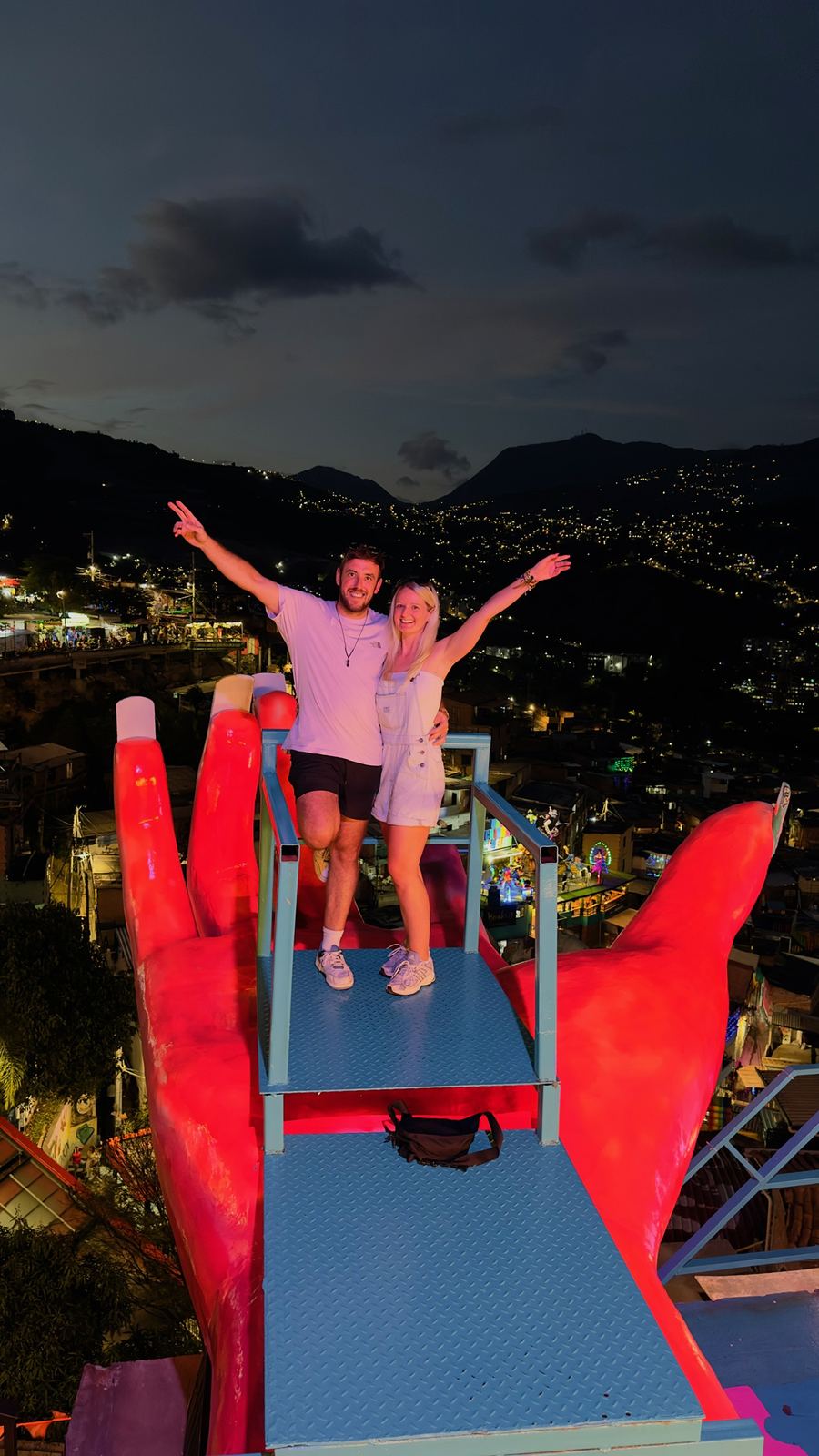
    A long scenic drive or a quick flight north. Ride the Metrocable, walk Comuna 13 with a local guide and give a full day to the rock and painted streets of Guatapé.

  4. Nights 9 to 12

    Cartagena

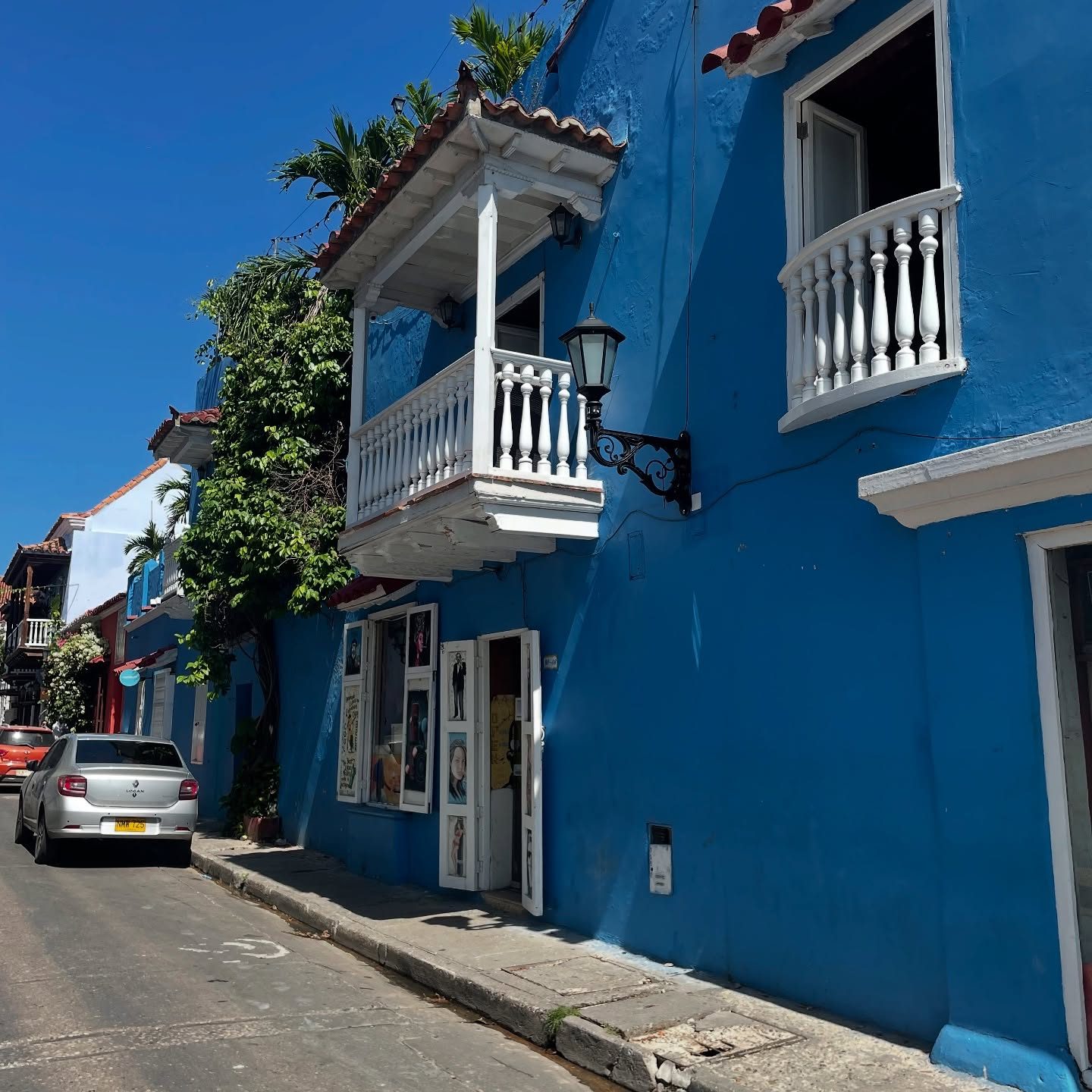
    Finish on the Caribbean. Walk the walls at sunset, eat in Getsemaní and take one day out by boat to the Rosario Islands.

  5. Nights 13 and 14

    Tayrona and the Santa Marta coast

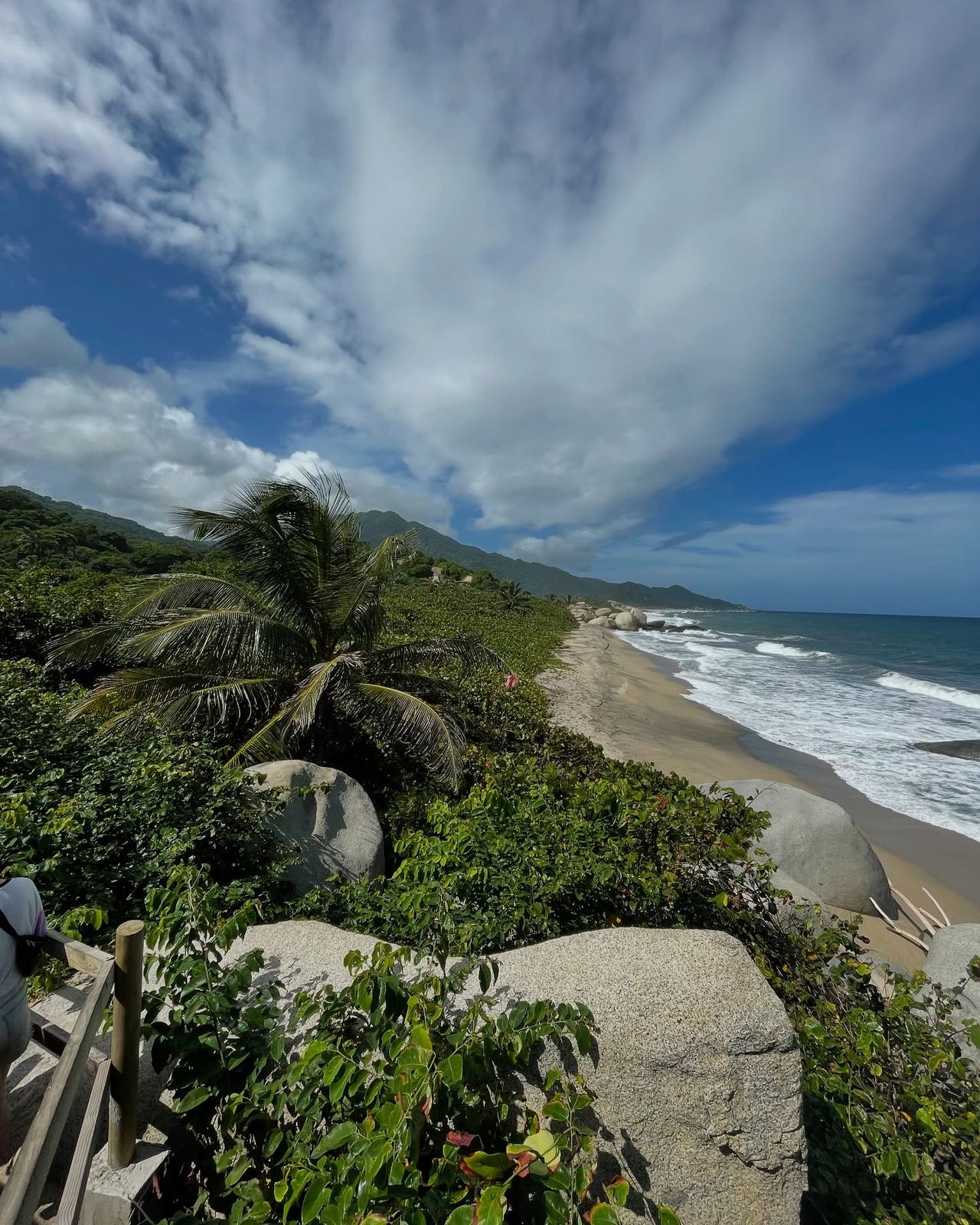
    With two more nights, head up the coast for jungle trails and wild beaches, checking first that the park is open on your dates.

An idea to react to, not a fixed package. We shape the real thing around your dates, your pace and what the flights are doing that season.

Map and stops

The places on the route

1

Bogotá

MuseumsFoodArrival nights

A high, sprawling capital that most visitors see in two days. La Candelaria, the colonial core, holds the Gold Museum and the Plaza de Bolívar but goes quiet after dark, so we usually base clients further north in Chapinero or Usaquén, where the restaurants and evening life are. At over 2,600 metres, the first afternoon should be a slow one.
2

Salento and the coffee country

WalkersCoffee loversSlow days

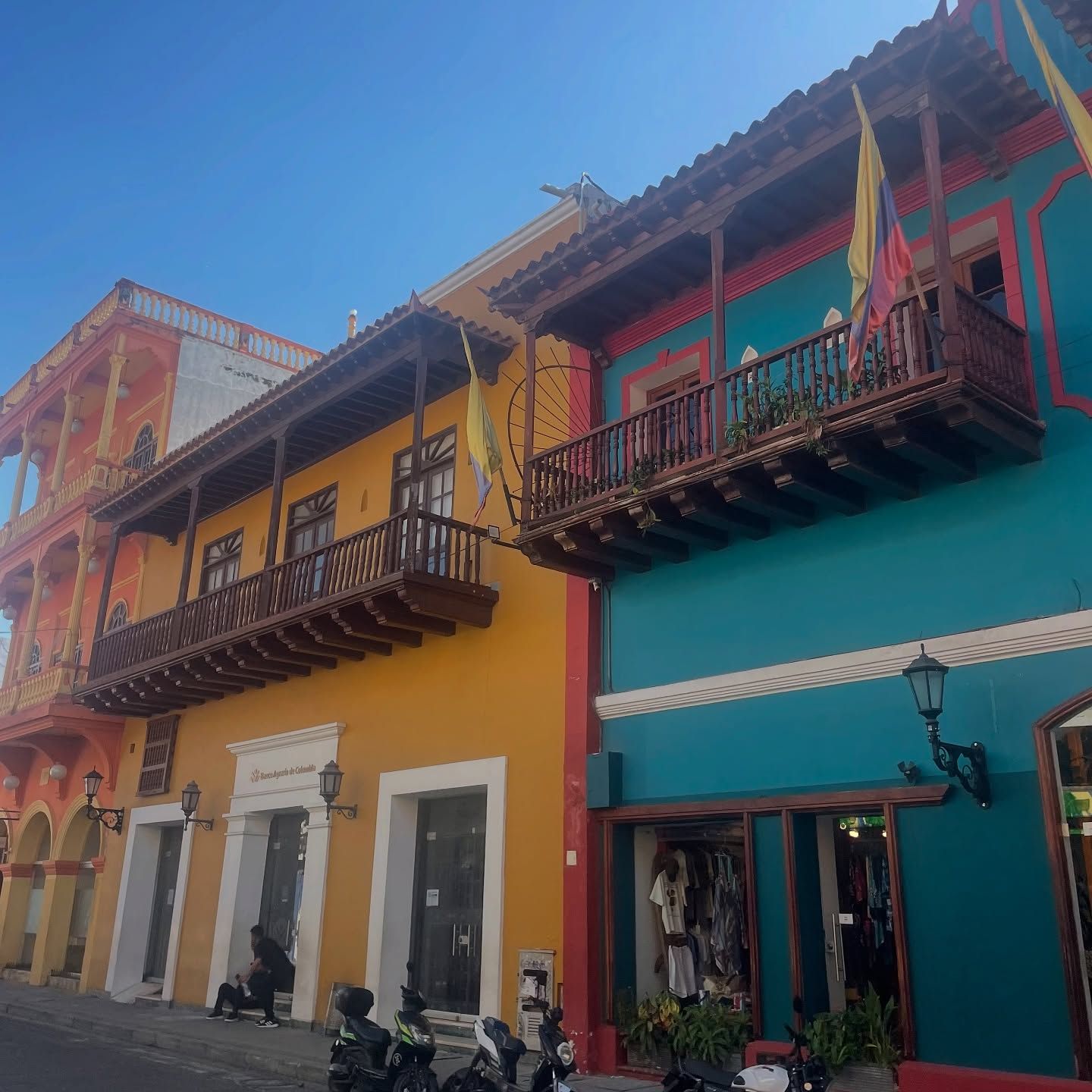
Green ridges, bamboo groves and coffee farms fill the hills between Pereira and Armenia, and Salento is the easy base: a small town of painted doors and balconies at the head of the Cocora Valley. Beds here are in farm hotels and guesthouses rather than resorts. Expect heavy afternoon showers for much of the year, and weekend crowds from Colombia's cities.

3

Medellín

City lifeFoodMild climate

Colombia's second city fills a steep valley, and the way it rebuilt itself around cable cars, libraries and hillside escalators is the story visitors come to hear. El Poblado holds most of the hotels and restaurants but gets loud at weekends; Laureles is flatter, calmer and more local. The mild climate makes it an easy city to walk in any month.

4

Cartagena

CouplesArchitectureEvenings out

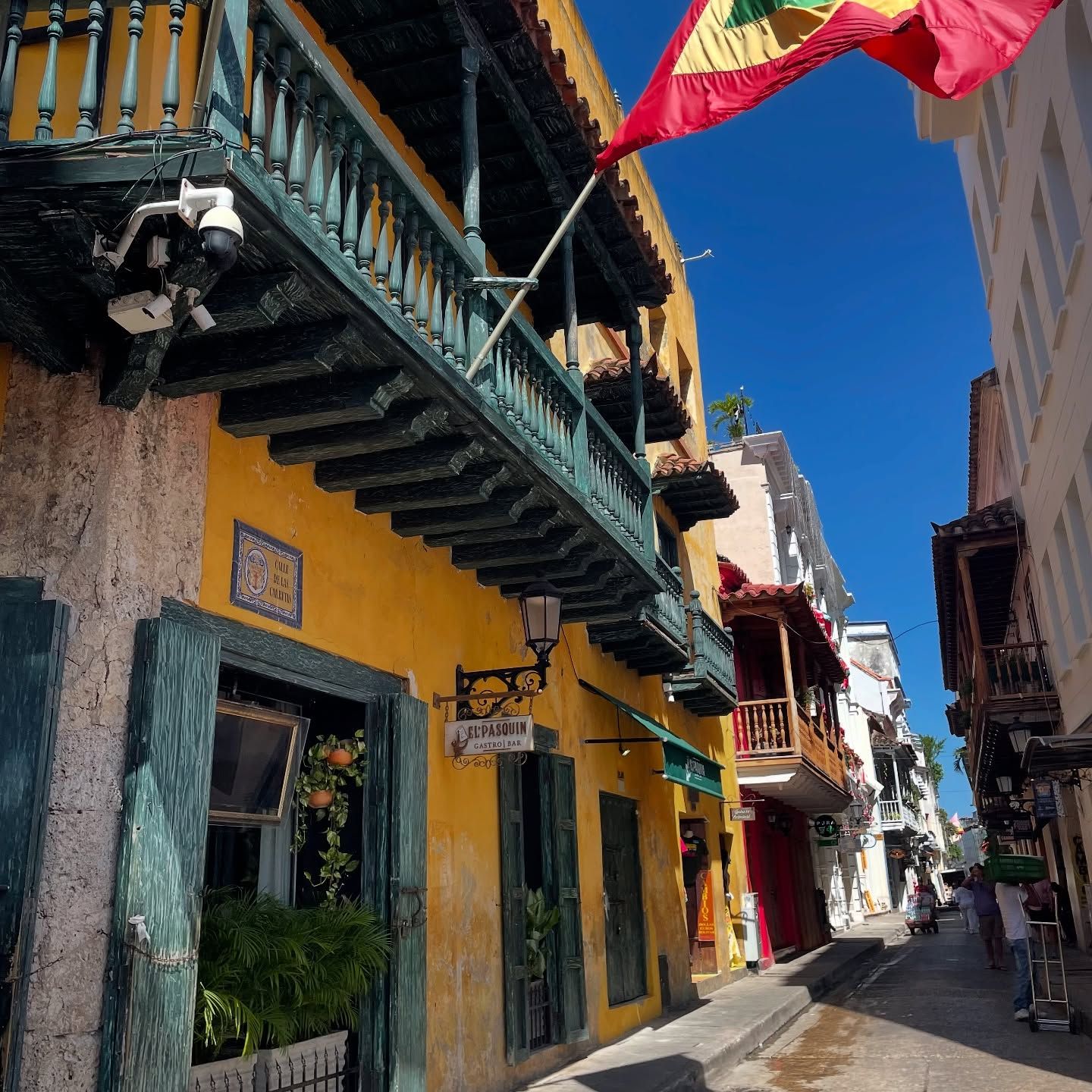
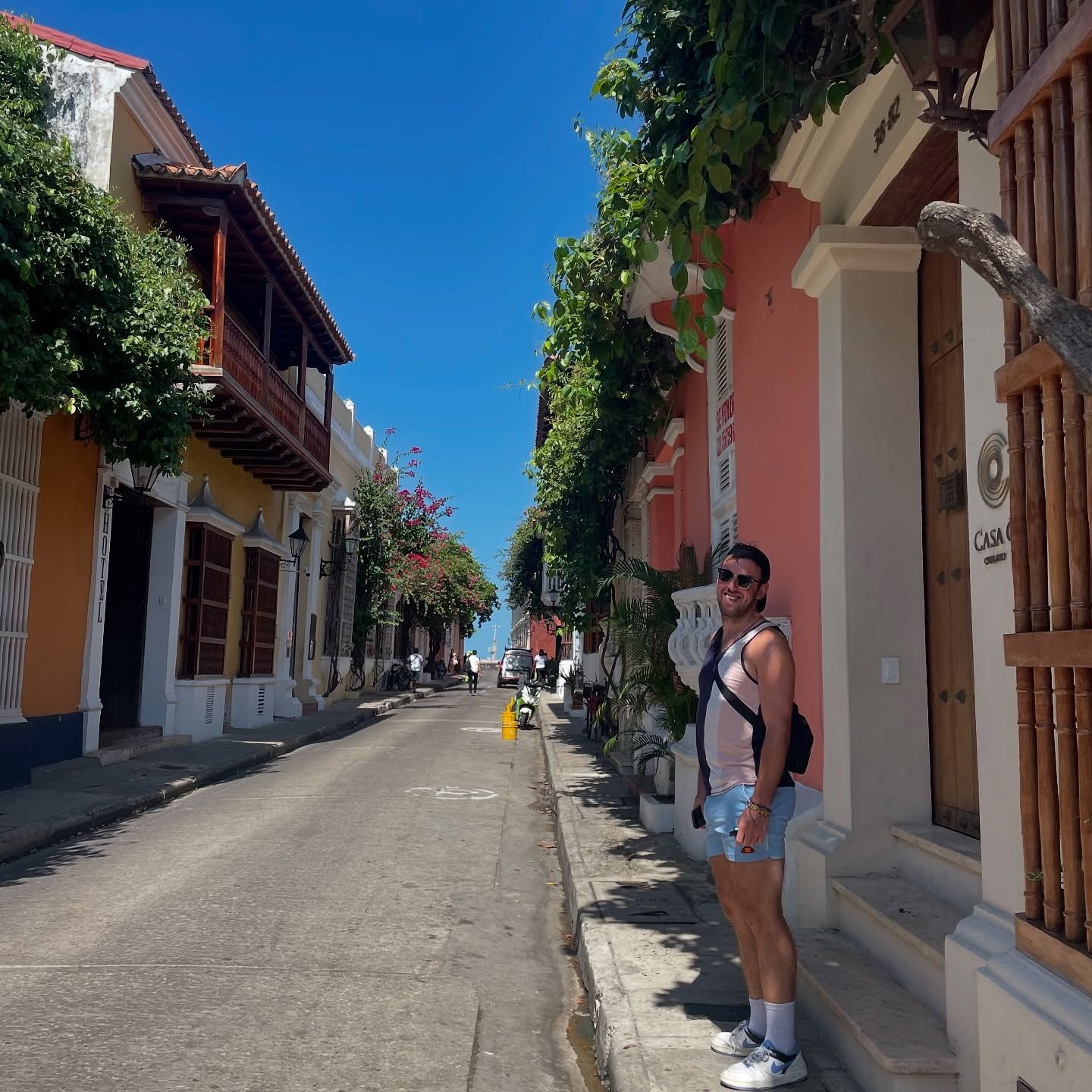
The walled old town is why people come: balconies spilling with flowers, shaded plazas and churches, all small enough to cross on foot. Getsemaní, just outside the walls, is livelier and cheaper, with street art and crowds in its squares at night. Bocagrande has the tower hotels on a greyish city beach. The heat is the catch, so we plan sightseeing for early morning and late afternoon.

5

Tayrona and the Santa Marta coast

NatureWild beachesWalkers

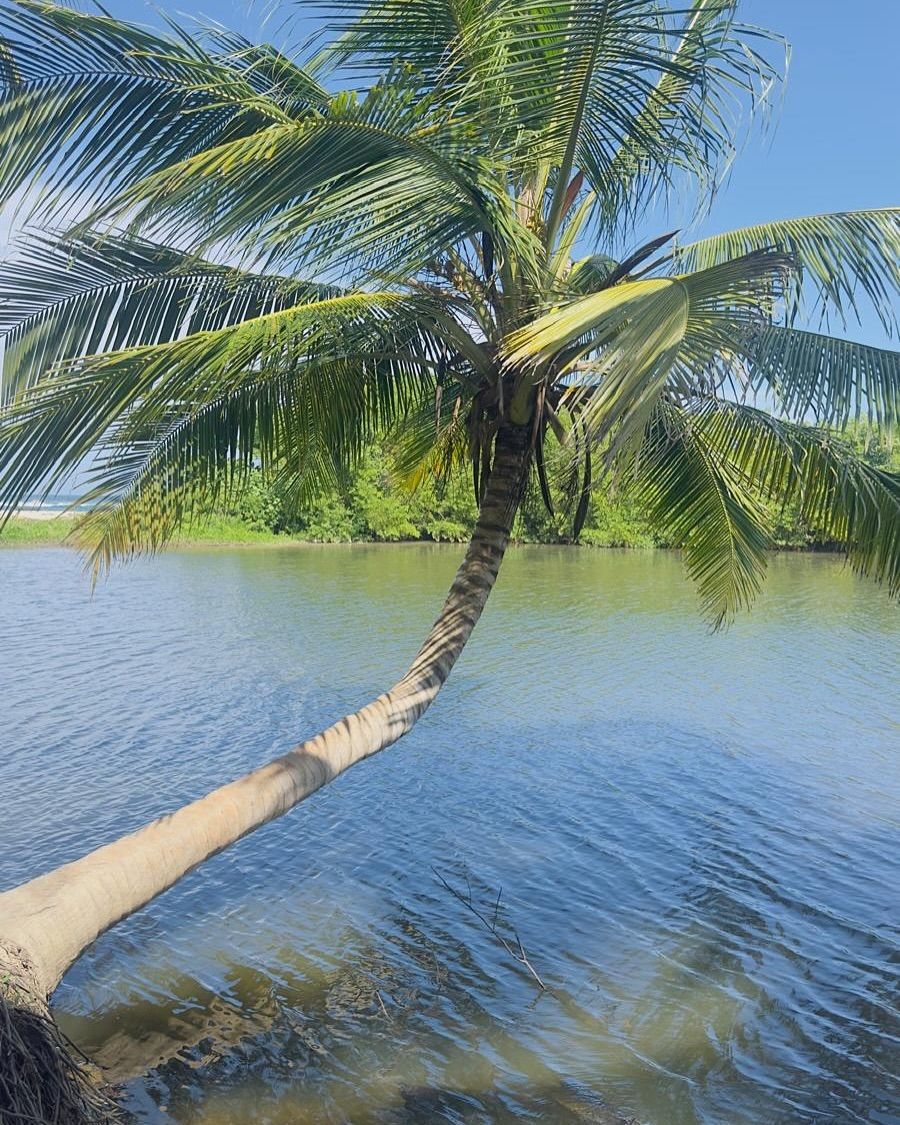
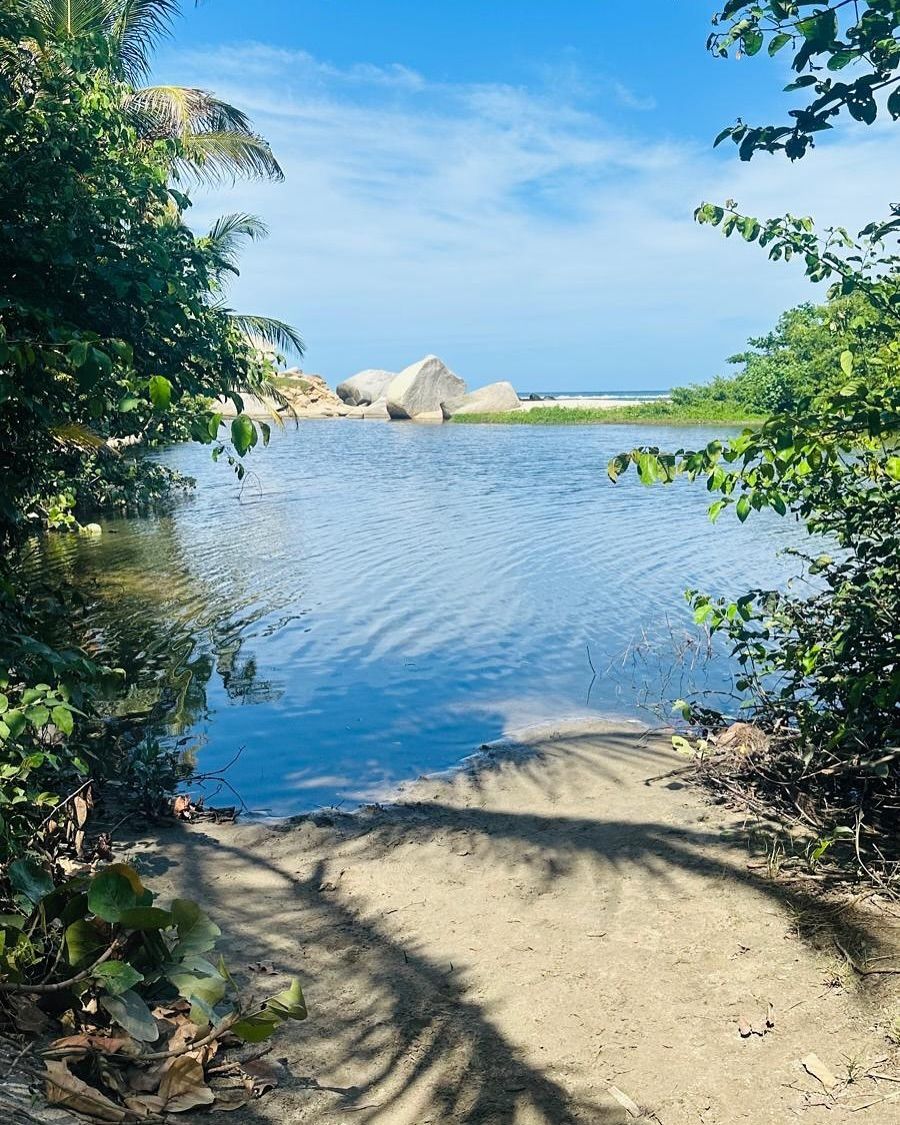
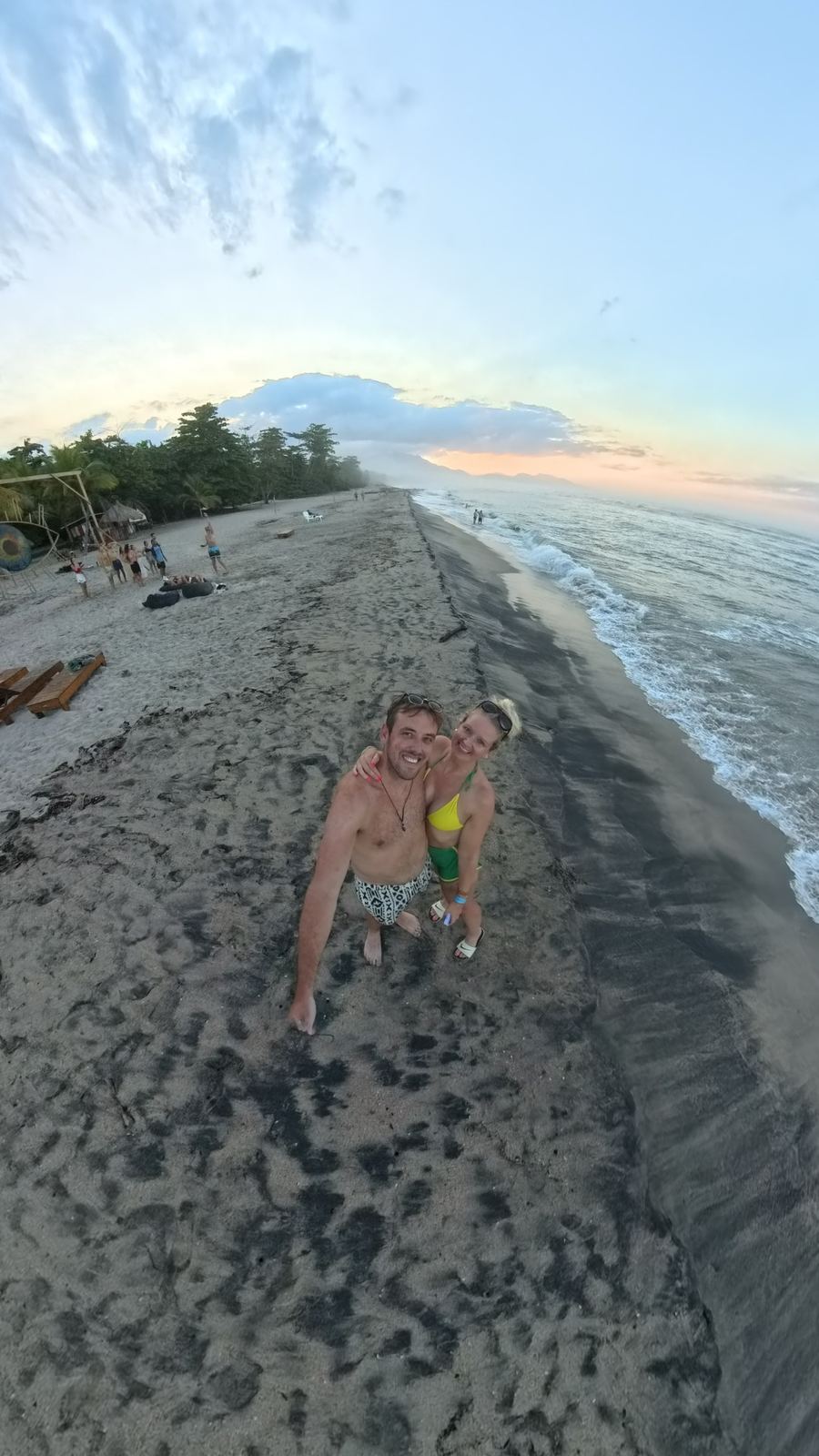
Here the Sierra Nevada de Santa Marta drops straight into the Caribbean, with jungle trails to coves backed by palms and boulders. Most stays are eco-lodges and cabins on the edge of the park rather than inside it. Strong currents make many of the beaches unsafe for swimming, and the park closes for set periods each year for indigenous ceremonies and recovery, so we check dates before building it in.

Weather and seasons

When to go to Colombia

Colombia has no single season, because altitude does more than the calendar. Cartagena and the Caribbean coast are hot all year, with January highs around 32°C and a sea close to 27°C in March. The coast is driest from late December to April, then the rain builds to a peak in October, around 246mm. Up in the Andes, Bogotá, Medellín and the coffee region have two gentler wet spells, roughly April to May and October to November. The catch in the dry months is demand: Colombians travel at Christmas, New Year and Easter, when coastal hotels fill and prices jump.

Worth timing a trip around

Late January

Hay Festival Cartagena

The literary festival's Colombian edition brings writers, talks and music to Cartagena's old town. Rooms inside the walls are scarce that week.

February or early March

Barranquilla Carnival

Four days of parades, costumes and music before Lent in the Caribbean port of Barranquilla, recognised by UNESCO. Coastal hotels, including Cartagena's, get busier around it.

Early August

Feria de las Flores, Medellín

Medellín's flower festival ends with the silleteros parade, when growers from the hills carry huge floral displays on their backs through the city.

November

Cartagena Independence festivities

Parades and street parties around 11 November mark the day in 1811 when Cartagena declared independence from Spain. Lively and loud, and hotel rates rise with them.

December to early January

Medellín's Christmas lights

Millions of lights along the river and in the city's parks turn December evenings in Medellín into a local event, and families come out in their thousands.

Daytime high to night-time low Sea temperature Rainfall
January: 0 mm of rainFebruary: 2 mm of rainMarch: 3 mm of rainApril: 21 mm of rainMay: 84 mm of rainJune: 62 mm of rainJuly: 83 mm of rainAugust: 84 mm of rainSeptember: 97 mm of rainOctober: 246 mm of rainNovember: 84 mm of rainDecember: 35 mm of rainJanuary: highs 32°C, lows 24°CFebruary: highs 32°C, lows 24°CMarch: highs 32°C, lows 25°CApril: highs 32°C, lows 26°CMay: highs 32°C, lows 26°CJune: highs 32°C, lows 26°CJuly: highs 33°C, lows 26°CAugust: highs 33°C, lows 26°CSeptember: highs 32°C, lows 26°COctober: highs 32°C, lows 25°CNovember: highs 31°C, lows 25°CDecember: highs 32°C, lows 25°CJanuary: sea 28°CFebruary: sea 27°CMarch: sea 27°CApril: sea 28°CMay: sea 29°CJune: sea 29°CJuly: sea 29°CAugust: sea 29°CSeptember: sea 29°COctober: sea 29°CNovember: sea 29°CDecember: sea 29°C32°24°J32°24°F32°25°M32°26°A32°26°M32°26°J33°26°J33°26°A32°26°S32°25°O31°25°N32°25°D
See the numbers
MonthHighLowSeaRain
January32°C24°C28°C0 mm
February32°C24°C27°C2 mm
March32°C25°C27°C3 mm
April32°C26°C28°C21 mm
May32°C26°C29°C84 mm
June32°C26°C29°C62 mm
July33°C26°C29°C83 mm
August33°C26°C29°C84 mm
September32°C26°C29°C97 mm
October32°C25°C29°C246 mm
November31°C25°C29°C84 mm
December32°C25°C29°C35 mm

Temperatures are 2015 to 2024 averages from NOAA records for Rafael Nunez, 6 km away at 1 m. Rainfall is from the GPCC rain-gauge analysis (Deutscher Wetterdienst) for 2010 to 2019 and shows the typical (median) month, so one freak storm does not skew it. Sea temperatures: NOAA OISST, 1991 to 2020.

Things to do

Things to do in Colombia

CultureA

Comuna 13 with a local guide

A hillside neighbourhood of Medellín once known for violence, now linked to the city by outdoor escalators and covered in murals. Go with a guide who grew up there: the stories are the point, and your fee stays in the neighbourhood.

NatureB

Metrocable to Parque Arví

Medellín's cable cars are part of its public transport, and one line carries on over the ridge to a large forest park with walking trails. The views back over the city on the way up are half the reason to go.

Day tripsC

Guatapé and El Peñol

A day out from Medellín to a granite monolith with a staircase built up its side, looking over a reservoir scattered with green islands. The nearby town of Guatapé decorates the lower walls of its houses with painted reliefs. Go on a weekday, as weekends bring long queues on the steps.

NatureD

Cocora Valley

Wax palms, Colombia's national tree, rise from grassy slopes above cloud forest just outside Salento. Jeeps leave from the town square; set off early, before the afternoon cloud rolls in, and wear boots, as the loop trail turns to mud after rain.

Food

A morning on a coffee farm

Pick, sort and roast your way from cherry to cup on a family farm around Salento, and learn why the best beans were traditionally exported. It explains why the whole region looks the way it does.

HistoryE

Gold Museum, Bogotá

Tens of thousands of pre-Hispanic gold pieces, from tiny nose rings to the Muisca raft linked to the El Dorado legend. Allow a good half day, and pair it with a slow walk around La Candelaria.

NatureF

Monserrate

The church-topped peak above Bogotá, reached by cable car or funicular, with the whole city laid out below. Go on a clear morning, as cloud often closes in later, and leave it until your second day so the altitude has had time to settle.

HistoryG

Cartagena's walls and San Felipe fortress

Walk the old city walls at sunset, when the heat breaks and locals come out to sit on them, then visit San Felipe de Barajas, the Spanish fortress on the hill just outside town. Its tunnels are cool; its ramparts are not, so go first thing.

On the waterH

Rosario Islands by boat

A marine national park of small coral islands off Cartagena, with far clearer water than the city beaches. The crossing can be bumpy when the wind picks up, and a day at a quieter island beach beats the busiest party boats.

NightlifeI

Evenings in Getsemaní

When the old town empties of day visitors, Getsemaní fills up: street food around the Plaza de la Trinidad, salsa spilling out of doorways and live music late into the night. Keep valuables out of sight and use a taxi late at night.

Food and drink

What to eat and drink

  • Bandeja paisa

    Medellín's heaped platter of beans, rice, minced beef, crisp pork belly, chorizo, fried egg, plantain, arepa and avocado. Order one to share, and have it at lunch rather than dinner.

  • Ajiaco

    Bogotá's chicken and potato soup, thickened by a small yellow potato that melts into it and scented with a local herb called guascas. Capers, cream and avocado come on the side.

  • Arepa de huevo

    A Caribbean coast snack: a maize arepa fried, split, filled with an egg and fried again. Best eaten hot from a street stall in Cartagena.

  • Tinto

    Colombia's everyday small black coffee, sold from flasks on street corners. It is often sweet and weak, which surprises people who know the country's coffee from the farms.

  • Limonada de coco

    Lime juice blended with coconut cream and ice, the drink of choice on Cartagena's hottest afternoons.

  • Aguardiente

    An anise-flavoured cane spirit, drunk in small shots at Colombian parties, especially in Antioquia around Medellín. Pace yourself.

Money

What Colombia costs

The cost of Colombia comes down to how many internal flights the route needs, whether you travel in the Christmas and Easter peaks, and where you sleep in Cartagena. A small hotel inside the old walls, with a plunge pool for the midday heat, costs far more than a tower in Bocagrande but changes how the city feels. Elsewhere, food, taxis and guides are modest, so we put the saving into local guides in Medellín and a private driver in coffee country.

Flights and transfers

Getting to Colombia from the UK

One stop from the UK into Bogotá, Medellín or Cartagena, via Madrid, Amsterdam or a US hub. Internal flights are cheap and frequent, and they are how a two-week route covers a country this size without wasting days on roads.

Flights from UK airports

Bogotá El Dorado BOG

  • ManchesterWith a connection, about 13h
  • London HeathrowDirect, about 11h 05m
  • London GatwickWith a connection, about 14h 55m

Route check September 2026. Some routes are seasonal and schedules change, so we confirm the live options when we quote.

Practical details

Know before you go

Time

5 hours behind the UK in winter, 6 hours in summer

Currency

Colombian peso (COL$)

Language

Spanish

Plugs

Type A and B, 110V

Driving

On the right

Tap water

Drinkable in Bogotá and Medellín; most visitors use bottled or filtered water on the coast and in rural areas

Tipping

Restaurants usually ask whether to add a voluntary 10 percent service charge; small tips for guides and drivers are appreciated

Entry for British passport holders

Visa. No visa needed for stays of up to 90 days, at the officer's discretion. Carry proof of an onward or return ticket.

Passport. Valid on entry, although the authorities recommend 6 months beyond the day you leave.

The FCDO advises against all but essential travel to parts of the borders with Venezuela, Panama and Ecuador, much of the Pacific coast and parts of central Colombia. The places we suggest on this page were outside those areas when we checked, and we check the advice again before every booking.

Summarised from the FCDO travel advice on gov.uk, checked 29 September 2026. Rules change: read the current entry requirements and the full travel advice before you go.

Questions we get asked

Colombia FAQs

Is Colombia safe to visit?+

On the classic route, yes, with the care you would take in any big city. Keep phones out of sight on the street, use taxis booked by app or by your hotel, and avoid quiet areas late at night. The Foreign Office warns against travel to some rural and border regions, none of them on the usual Bogotá, coffee country, Medellín and Cartagena route, and we plan every trip around its current advice.

When is the rainy season in Colombia?+

It depends on the altitude. In the Andes, including Bogotá, Medellín and the coffee region, there are two wetter spells, roughly April to May and October to November, usually showers rather than all-day rain. On the Caribbean coast the rains run from about May to November, heaviest in October, and the months from December to April are reliably dry.

How long should a first trip to Colombia be?+

Ten to fourteen nights covers Bogotá, the coffee region, Medellín and Cartagena without rushing, using internal flights between them. With less time, we would drop Bogotá and start in Medellín; with more, add Tayrona or a second, quieter stretch of coast.

Does the altitude in Bogotá affect visitors?+

Many people feel it a little. Bogotá sits at over 2,600 metres, so the first day can bring a headache, breathlessness on stairs and poor sleep. We keep day one light, avoid a big night out and leave the climb up Monserrate until you have adjusted. Medellín, much lower, is easy by comparison.

Is Medellín worth visiting?+

Yes, and we have been ourselves. The cable cars, the escalators of Comuna 13 and the story of how the city changed make it a rewarding stop, and the mild climate makes it easy to explore on foot. Two or three nights is about right, with one day given to Guatapé.

Can you swim at the beaches in Cartagena?+

You can, but the city beaches in Bocagrande have greyish sand, murky water and plenty of vendors. For clear water and white sand, take a boat to the Rosario Islands or go to Playa Blanca on the Barú peninsula, which gets crowded at midday. Along the coast at Tayrona, many beaches are unsafe for swimming because of currents.

How do you get around Colombia?+

Mostly by internal flight. The Andes make road journeys slow, and a drive that looks short on the map can take most of a day on mountain roads. We use flights between regions and private drivers within them, for coffee country and the Guatapé day out.

Your world, your way

Thinking about Colombia?

Tell us roughly what you have in mind. We will compare the flights, hotels, routes and operators, explain the trade-offs and build the version that works for you.

Start your trip