
Travellers who want their whole holiday within one walkable postcard resort, because Gran Canaria's strengths are spread out, and its best moments involve moving around.
What we would want you to know
The south coast resorts have very different gradients and atmospheres.
Our research-led view
Gran Canaria comes to us through planning work rather than holidays of our own: we compare its resorts from mapping, hotel detail and the enquiries clients bring. The thing we check hardest is gradient, because in Puerto Rico and parts of Playa del Inglés a hotel that looks close to the beach can mean a steep climb back.
We have not been here ourselves yet and will never pretend otherwise. This advice comes from the operator, mapping, hotel and transfer research we do for real enquiries.
Map and areas
Where to stay in Gran Canaria
Places to stay Things to do Airports
1
Maspalomas
FamiliesBeach walkersAdults-only stays
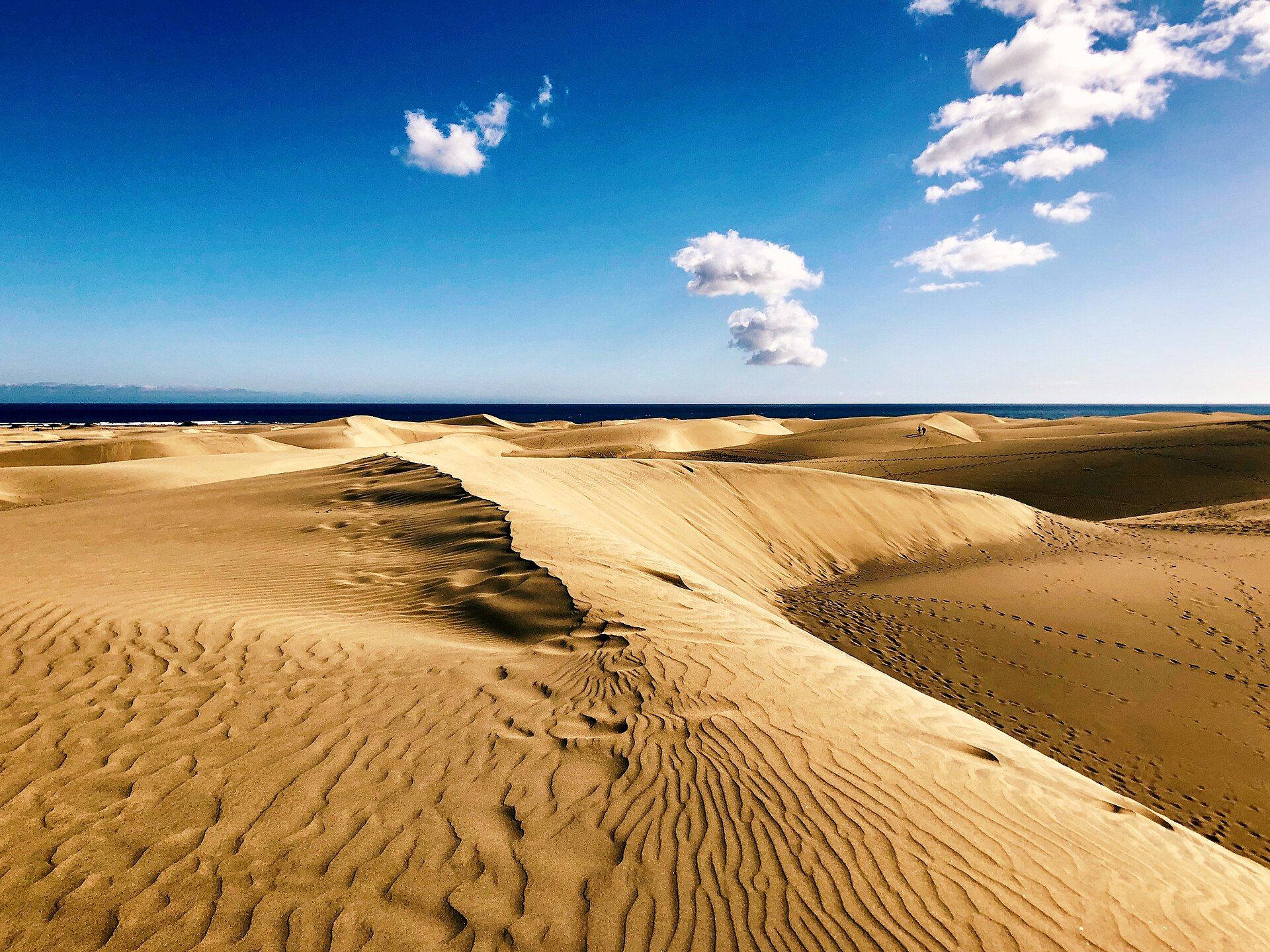
The resort behind the famous dunes, a spread of low-rise bungalows and large hotels around the lagoon and the lighthouse. The beach is huge and the setting is striking, but distances are long on foot, so families should pick a hotel with its own pools and a shuttle to the sand.
The polished western end of Maspalomas, with big resort hotels, a golf course and a seafront promenade of restaurants running to the lighthouse. Evenings are relaxed and a little dressed up. Its own beach is small, so most guests use the pools or walk along to the main Maspalomas sand.
The big, sociable heart of the south, largely built in the 1960s and 1970s, with shopping centres, bars, clubs and a long beach running into the dunes. The Yumbo centre is the focus of the island's gay scene. Some blocks look tired and streets near the centres stay noisy late, so hotel position matters.
A steep valley packed with apartments above a sheltered, man-made beach, in one of the island's sunniest corners. Next door, Amadores has a calmer crescent of sand and newer hotels. The catch is the gradient: many hotels sit high on the slopes, so check for a lift or a shuttle before you book, especially with a pushchair or limited mobility.
A low-rise harbour village of canals, footbridges and bougainvillea, often called Little Venice, with a small beach behind the harbour wall. The Friday market brings coach parties, but evenings are quiet. Hotel choice is limited and books early, and it sits at the far western end of the resort coast.
The island's capital and a real working Spanish city, with a long urban beach at Las Canteras, the old quarter of Vegueta and better-value eating than the resorts. It is cloudier than the south, especially in summer, so it works best as a few nights added to a beach week.
On Gran Canaria, which side of the island you sleep on matters more than the month. The south coast averages 22°C in January and 29°C in August, and the south-west corner around Puerto Rico and Mogán holds on to winter sunshine best. Las Palmas, in the north, spends many summer mornings under a lid of grey cloud that locals call the panza de burro, the donkey's belly. The sea is at its coolest in late winter, around 19°C in March. Carnival fills the capital in February or March, Pride takes over Playa del Inglés in May, and Spanish families arrive in force in August.
Worth timing a trip around
February or March
Carnival of Las Palmas
Weeks of parades, costume contests and street parties centred on Santa Catalina park, with the Drag Queen Gala as the most famous night. Hotels in the capital book up early.
May
Maspalomas Pride
A week of parades, concerts and parties centred on Playa del Inglés, drawing crowds from all over Europe. Book early if you are going for it, and choose another week if you want peace.
4 August
Bajada de la Rama, Agaete
Crowds dance behind a band as they carry pine branches from the Tamadaba forest through Agaete to the sea at Puerto de las Nieves and beat the water with them, a custom linked to ancient rain rituals.
January or February
Almond blossom fiestas, Tejeda
When the almond trees flower in the central mountains, Tejeda and Valsequillo hold fiestas of local food, music and crafts, and the terraced hillsides turn pink and white.
Daytime high to night-time low Sea temperature Rainfall
See the numbers
Month
High
Low
Sea
Rain
January
22°C
16°C
20°C
29 mm
February
22°C
16°C
19°C
36 mm
March
22°C
16°C
19°C
23 mm
April
23°C
17°C
19°C
14 mm
May
25°C
18°C
20°C
4 mm
June
26°C
20°C
21°C
2 mm
July
28°C
21°C
22°C
0 mm
August
29°C
22°C
23°C
0 mm
September
27°C
22°C
23°C
3 mm
October
27°C
21°C
23°C
23 mm
November
25°C
19°C
22°C
40 mm
December
23°C
17°C
21°C
29 mm
Temperatures are 2015 to 2024 averages from NOAA records for Gran Canaria, 27 km away at 24 m. Rainfall is from the GPCC rain-gauge analysis (Deutscher Wetterdienst) for 2010 to 2019 and shows the typical (median) month, so one freak storm does not skew it. Sea temperatures: NOAA OISST, 1991 to 2020.
See the numbers
Month
High
Low
Sea
Rain
January
22°C
16°C
19°C
9 mm
February
22°C
16°C
19°C
8 mm
March
22°C
16°C
19°C
10 mm
April
23°C
17°C
19°C
2 mm
May
25°C
18°C
20°C
0 mm
June
26°C
20°C
21°C
0 mm
July
28°C
21°C
22°C
0 mm
August
29°C
22°C
23°C
0 mm
September
27°C
22°C
23°C
1 mm
October
27°C
21°C
23°C
6 mm
November
25°C
19°C
22°C
10 mm
December
23°C
17°C
21°C
14 mm
Temperatures are 2015 to 2024 averages from NOAA records for Gran Canaria, 22 km away at 24 m. Rainfall is from the same station and shows the typical (median) month, so one freak storm does not skew it. Sea temperatures: NOAA OISST, 1991 to 2020.
Sand, shingle and swimming
Beaches in Gran Canaria
Maspalomas beach
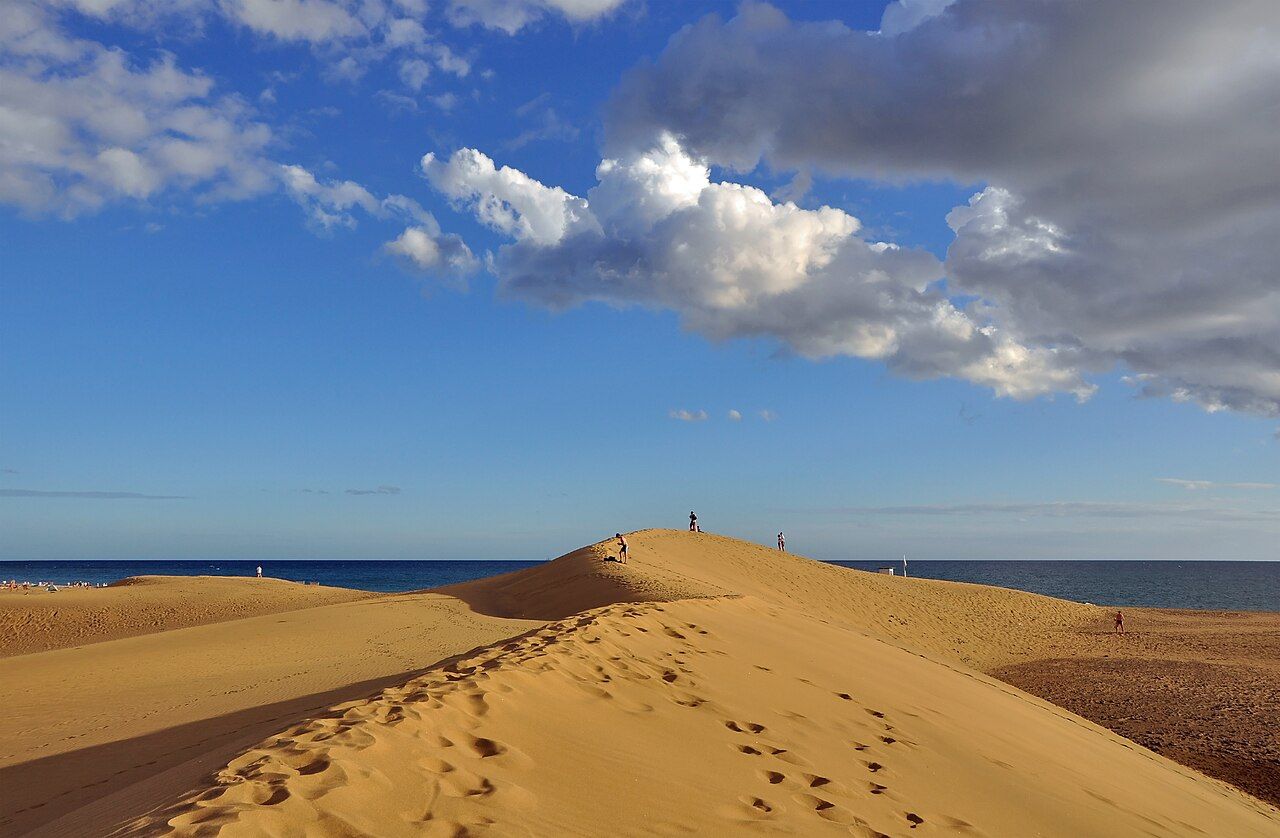
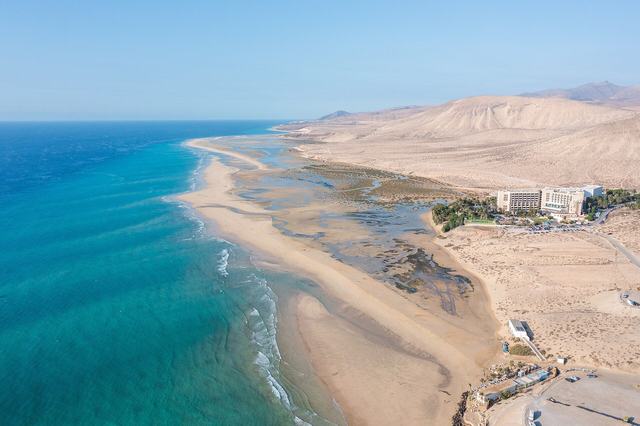
Pale golden sand backed by the protected dunes, running east towards Playa del Inglés. It shelves gently and the sea is mostly calm, with sunbeds and kiosks at intervals. A central stretch is used by naturists, and the dunes should only be crossed on the marked paths.
Playa de Amadores
A sheltered crescent of pale sand behind a breakwater, with calm, clear water that suits young children and nervous swimmers. Sunbeds fill early, and a seafront path links it to Puerto Rico.
Las Canteras
The capital's city beach, a long sweep of golden sand with a natural reef offshore, La Barra, that calms the water at low tide and makes for good snorkelling. The promenade is busy with locals all day, and the southern end gets waves for surfers.
Playa de Güigüí
A long, wild beach on the empty west coast, reached only on a hard, shadeless hike over the mountains or by boat. There are no facilities at all, so it suits fit walkers carrying plenty of water, not a family beach day.
Things to do
Things to do in Gran Canaria
NatureA
Roque Nublo
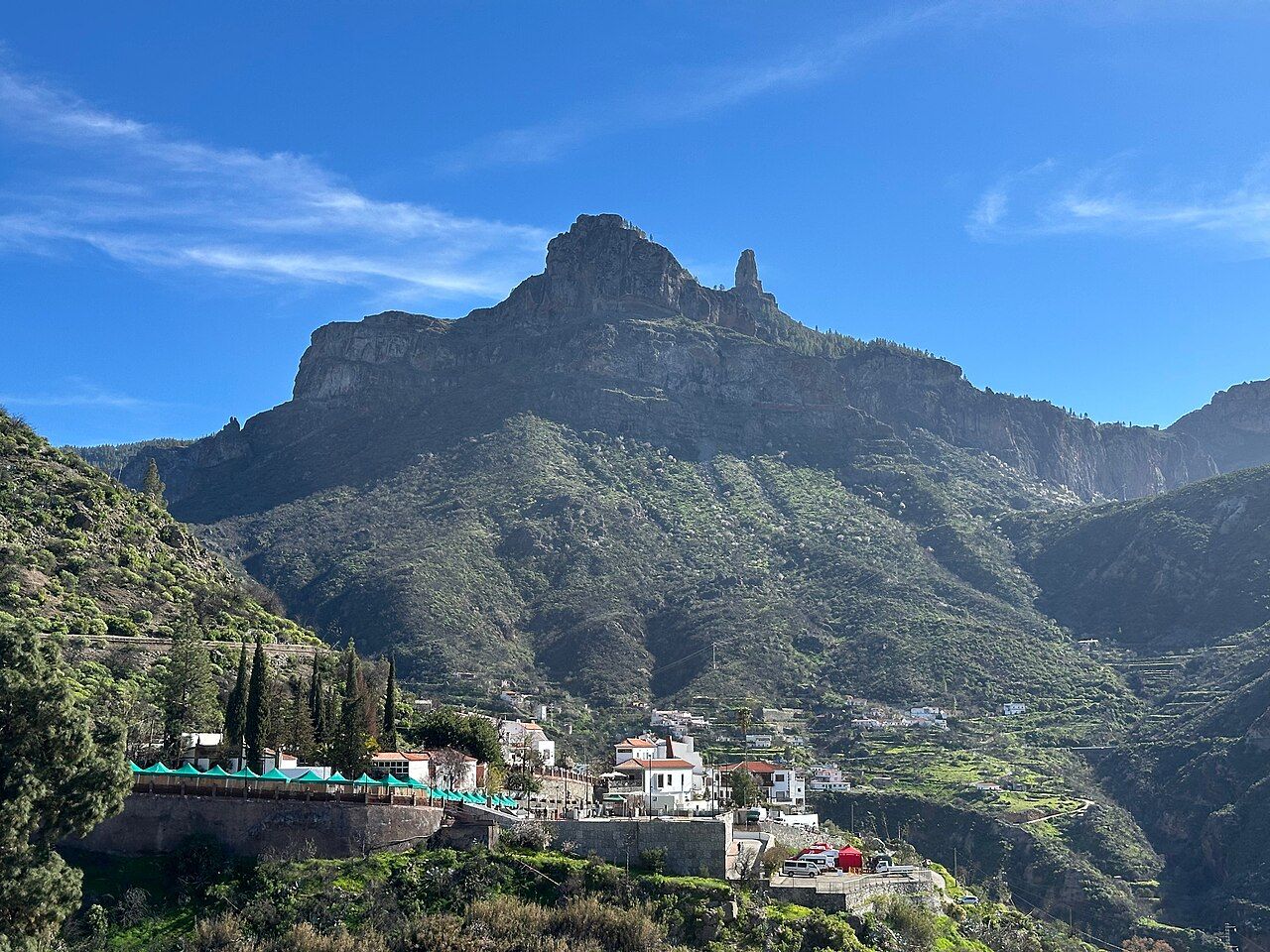
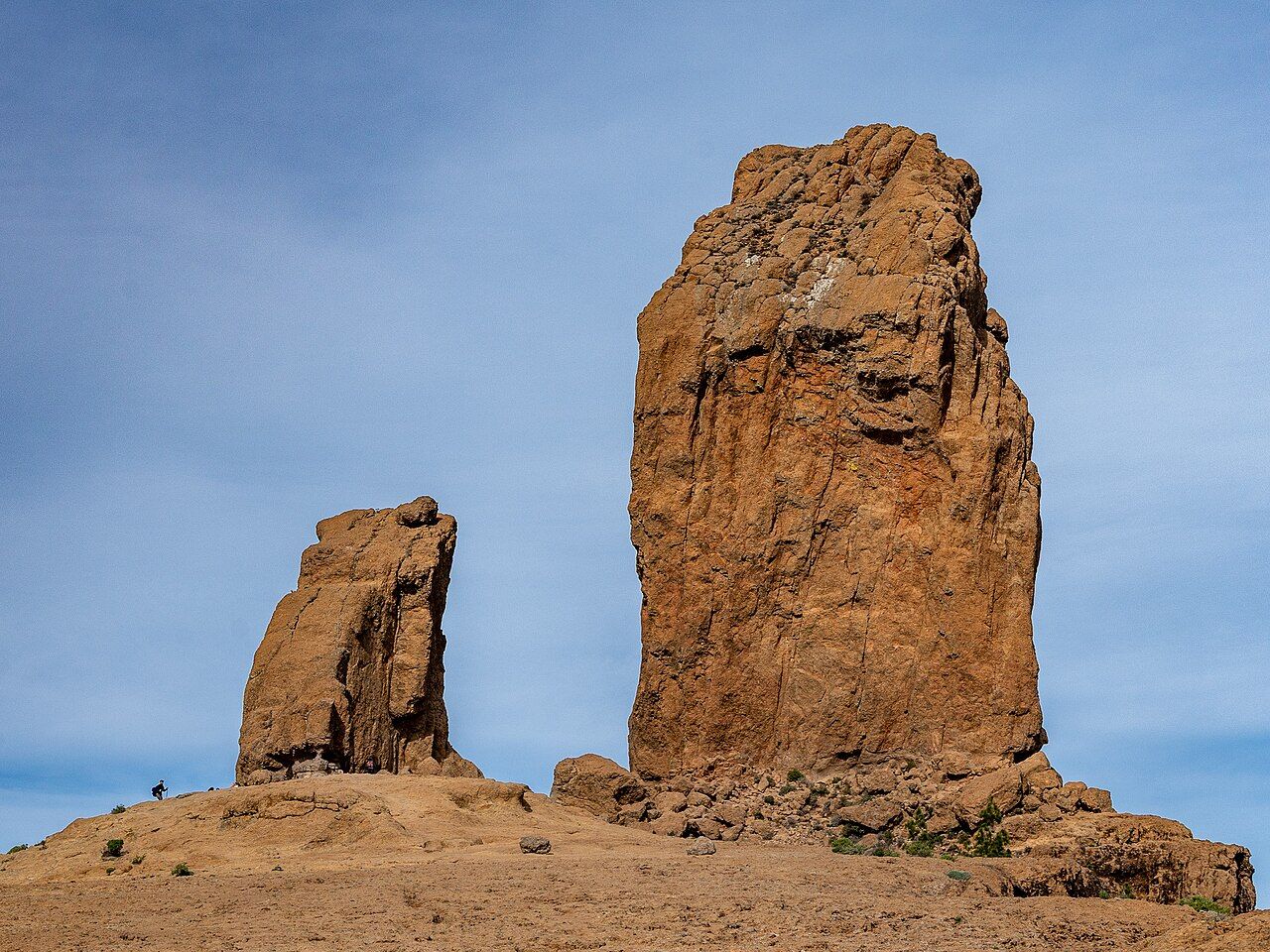
A volcanic rock pillar on the island's central ridge, reached by a short but rocky walk from the roadside at La Goleta. The small car park fills early, especially at weekends, so go first thing and bring a layer, because it can be cold up there.
HistoryB
Vegueta, Las Palmas
The old quarter where Las Palmas began, with the Cathedral of Santa Ana, cobbled lanes and the Casa de Colón, a museum on Columbus's stops in the islands. It is flat and compact, easy to see on foot in a morning.
HistoryC
Cueva Pintada, Gáldar
A painted cave and excavated village left by the island's pre-Hispanic people, protected under a modern roof in the town of Gáldar. Visits run at set times, partly guided, so check the schedule and book ahead.
CultureD
Barranco de Guayadeque
A deep ravine in the east where people still live in cave houses and even the chapel is carved into the rock. The road ends at cave restaurants serving grilled meat, a good lunch after a walk along the valley.
CultureE
Arucas
A town in the banana-growing north, built around a church of dark volcanic stone in neo-Gothic style that looks far too grand for its streets. It is an easy stop on a drive to Teror or the north-west coast.
NatureF
Caldera de Bandama
A near-perfect volcanic crater on the edge of Las Palmas. Drive up to the viewpoint on the Pico de Bandama to look into it, or take the steep path down to the crater floor, an hour or more there and back.
NatureG
Jardín Botánico Canario
A large garden spread down a ravine side near Las Palmas, devoted to the plants of the Canaries and the other Atlantic islands, from dragon trees to cactus slopes. Entry is free, and it pairs well with a morning at Bandama.
FamilyH
Palmitos Park
A botanical and animal park in a palm-filled ravine inland from Maspalomas, known for its bird shows, butterfly house and aquarium. Allow half a day with children, and go early, before the heat builds in the valley.
On the water
The coast boat to Mogán
Boats run along the coast between Arguineguín, Puerto Rico and Puerto de Mogán, a relaxed way to see the cliffs and reach Mogán's Friday market without driving or hunting for a parking space.
Food and drink
What to eat and drink
Chorizo de Teror
A soft, spreadable pork sausage coloured with paprika, from the northern town of Teror. It is eaten in a warm bread roll, especially on Sundays, when the town fills with market stalls.
Café de Agaete
Coffee grown in the Agaete valley in the north-west, a rarity in Europe. Small farms sell it by the cup or the bag, and a tasting makes a good stop on a northern drive.
Almond sweets from Tejeda
The mountain village turns almonds from the surrounding terraces into marzipan and other sweets, sold in paper bags across the island and good for taking home.
Arepas
Stuffed cornmeal pockets brought back by islanders who emigrated to Venezuela and returned, now a Las Palmas favourite for a quick lunch or a late snack.
Shape of the trip
Ten nights of south-west sun, mountains and the capital
Days 1 to 3
Puerto Rico and Amadores
Settle into the sunny south-west with beach days at Amadores and a boat along the coast to Puerto de Mogán for a harbourside dinner.
Day 4
Roque Nublo
Hire a car for the mountains: walk to Roque Nublo early, lunch in Tejeda and come back down through the Fataga valley.
Days 5 and 6
Maspalomas
Walk the dunes at sunrise, spend the afternoon on the beach and stroll the Meloneras promenade to the lighthouse for dinner.
Days 7 to 10
Las Palmas
Move north for the city: Vegueta and the Casa de Colón, snorkelling over the reef at Las Canteras, and a morning looking into the Bandama crater.
An idea to react to, not a fixed package. We shape the real thing around your dates, your pace and what the flights are doing that season.
Money
What Gran Canaria costs
The south-west costs more in January and February because its sunshine is the most dependable, and Meloneras holds the resort coast's grandest hotels. Playa del Inglés apartments and bungalows are the cheapest beds in the south, though many are simple and some are adults-only. Money is well spent on a hotel with a lift or a shuttle in hilly Puerto Rico, and on car hire for the mountain day, since buses to the interior are slow.
What things cost there
Coffee (cortado) in a café€1.20 to €2
Small beer (caña)€2 to €3.50
Menu of the day in Las Palmas€10 to €15
Arepa for lunch€3 to €6
Two sunbeds and a parasol on Maspalomas beacharound €12 to €16
Intercity bus from Las Palmas to the southern resorts, singlearound €4 to €7
Taxi from the airport to Playa del Inglésaround €35 to €45
Small hire car per dayaround €25 to €50
Palmitos Park, adultaround €30 to €38
Las Palmas is noticeably cheaper for eating out than Meloneras or Puerto de Mogán, where you pay for the setting.
Typical prices in tourist areas, checked September 2026. A guide to budget with, not a quote.
Flights and transfers
Getting to Gran Canaria from the UK
Direct flights run year-round from Leeds Bradford, Manchester and Newcastle. Transfers to the southern resorts are straightforward, and the island's bus network is unusually good if you like independence without a hire car.
Flights from UK airports
Gran Canaria LPA
Leeds BradfordDirect, about 4h 45m
ManchesterDirect, about 4h 30m
NewcastleDirect, about 4h 45m
Route check September 2026. Some routes are seasonal and schedules change, so we confirm the live options when we quote.
Practical details
Know before you go
Time
Same time as the UK
Currency
Euro (€)
Language
Spanish
Plugs
Type C and F, 230V
Driving
On the right
Tap water
Safe to drink in most places, but largely desalinated in the south, so most visitors buy bottled
Tipping
Not expected; round up in bars and leave around 5 to 10 percent for good restaurant service
Entry for British passport holders
Visa. No visa needed for tourist stays of up to 90 days in any 180-day period across the Schengen area.
Passport. Issued less than 10 years before you arrive, and valid for at least 3 months after the day you leave the Schengen area.
The EU Entry/Exit System is now in use, so you may be asked to register your fingerprints and photo at the border on your first visit. It is free.
Where is the sunniest place to stay on Gran Canaria?+
The south-west, around Puerto Rico, Amadores and Puerto de Mogán, is the most reliable for winter sun, with Maspalomas and Playa del Inglés close behind. The north, including Las Palmas, is noticeably cloudier, especially on summer mornings. If sunshine matters more than nightlife, start your search in the south-west.
Maspalomas or Playa del Inglés, which should we choose?+
Playa del Inglés for nightlife, shopping centres and the cheapest beds; Maspalomas and Meloneras for bigger, smarter hotels and quieter evenings. They share the same long beach, so the sand is not the deciding factor. Families usually do better in Maspalomas or Meloneras, while groups and LGBTQ+ travellers often prefer Playa del Inglés.
Is Gran Canaria good for LGBTQ+ travellers?+
Yes. Playa del Inglés has a long-established gay scene centred on the Yumbo centre, and the island as a whole is relaxed and welcoming. Maspalomas Pride in May is the busiest week of the year for it, and adults-only hotels in the south suit couples who want a quiet base close to the bars.
Can you get around Gran Canaria without a car?+
Yes, more easily than on most islands. Frequent intercity buses link the airport, the southern resorts and Las Palmas, and local services reach Mogán and the northern towns. The mountains are the exception: buses to Tejeda and Roque Nublo are slow and infrequent, so hire a car for the interior.
Is Puerto Rico in Gran Canaria very hilly?+
Yes. The resort fills a steep valley, and many apartment blocks climb the slopes on both sides, some with long flights of steps down to the beach. Hotels near the valley floor or in Amadores are easier, and some hillside hotels run shuttles. Anyone with limited mobility or a pushchair should check the hotel's position before booking.
Is Las Palmas worth a stay?+
For a few nights, yes. It is a real working city with the old quarter of Vegueta, a long city beach at Las Canteras and tapas bars full of locals rather than tourists. It is cloudier than the south, so pair it with a beach base rather than spending the whole holiday there.
Photographs
Gran Canaria in pictures
Photo: Rvr, CC BY-SA 4.0 sourcePhoto: MiljenkoSuljic, CC BY-SA 4.0 sourcePhoto: Marc Ryckaert (MJJR), CC BY 3.0 source
Tell us roughly what you have in mind. We will compare the flights, hotels, routes and operators, explain the trade-offs
and build the version that works for you.