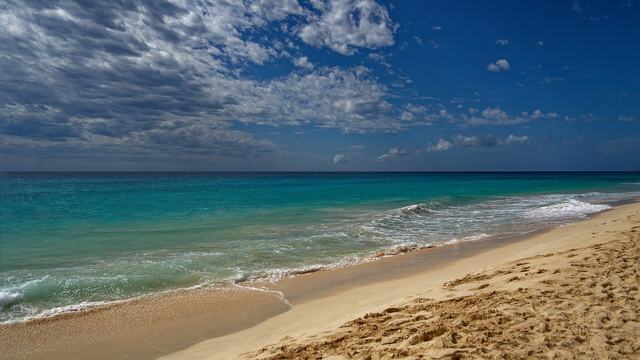
Winter sun, families, couples and accessible resort holidays.
We would think twice for
Travellers chasing lush Mediterranean scenery and historic towns, because these are volcanic Atlantic islands, and their beauty is dramatic rather than pretty.
What we would want you to know
Microclimate, resort and hotel position all affect the experience.
We’ve been here
We were married on Tenerife, so the Canaries mean more to us than a line in a brochure, and they are also the islands we book most often for winter sun. The other islands on these pages come from research and client enquiries, and our first question is always the same: which island, because they differ far more than the brochures suggest.
Weather and seasons
When to go to the Canary Islands
These are Atlantic islands off the coast of West Africa, which is why they are the most reliable winter sun within about four hours of the UK. On Tenerife's south coast January still averages around 23°C, and even August rarely feels oppressive at about 30°C, because the trade winds keep the air moving. The sea is the catch in winter: around 19°C in February, bracing rather than balmy. North coasts are cloudier and greener than the south on every island. A few times a year the calima, dust blown from the Sahara, brings hazy skies and a spike in heat for a day or two. School holidays set the price here: the festive weeks and February half term cost the most.
Worth timing a trip around
5 January
Cabalgata de Reyes
On the evening of 5 January towns hold a parade in which the Three Kings throw sweets to children, and families open presents the next morning.
30 May
Día de Canarias
The islands' own national day, with folk music, traditional dress and food fairs in towns across the archipelago. Many shops and offices close.
Summer
Romerías
Village pilgrimages with decorated carts, folk costume, music and food shared in the street. Each town has its own date, so ask locally when you arrive.
Daytime high to night-time low Sea temperature Rainfall
See the numbers
Month
High
Low
Sea
Rain
January
23°C
15°C
20°C
1 mm
February
23°C
15°C
19°C
9 mm
March
23°C
15°C
19°C
6 mm
April
24°C
16°C
19°C
0 mm
May
25°C
18°C
20°C
1 mm
June
26°C
19°C
21°C
0 mm
July
29°C
21°C
22°C
0 mm
August
30°C
22°C
23°C
0 mm
September
28°C
21°C
24°C
2 mm
October
28°C
20°C
24°C
8 mm
November
26°C
18°C
22°C
2 mm
December
24°C
17°C
21°C
7 mm
Temperatures are 2015 to 2024 averages from NOAA records for Tenerife Sur, 15 km away at 64 m. Rainfall is from the same station and shows the typical (median) month, so one freak storm does not skew it. Sea temperatures: NOAA OISST, 1991 to 2020.
See the numbers
Month
High
Low
Sea
Rain
January
22°C
16°C
20°C
29 mm
February
22°C
16°C
19°C
36 mm
March
22°C
16°C
19°C
23 mm
April
23°C
17°C
19°C
14 mm
May
25°C
18°C
20°C
4 mm
June
26°C
20°C
21°C
2 mm
July
28°C
21°C
22°C
0 mm
August
29°C
22°C
23°C
0 mm
September
27°C
22°C
23°C
3 mm
October
27°C
21°C
23°C
23 mm
November
25°C
19°C
22°C
40 mm
December
23°C
17°C
21°C
29 mm
Temperatures are 2015 to 2024 averages from NOAA records for Gran Canaria, 27 km away at 24 m. Rainfall is from the GPCC rain-gauge analysis (Deutscher Wetterdienst) for 2010 to 2019 and shows the typical (median) month, so one freak storm does not skew it. Sea temperatures: NOAA OISST, 1991 to 2020.
See the numbers
Month
High
Low
Sea
Rain
January
22°C
14°C
19°C
3 mm
February
22°C
14°C
18°C
16 mm
March
23°C
15°C
18°C
10 mm
April
24°C
16°C
19°C
2 mm
May
26°C
18°C
20°C
0 mm
June
27°C
19°C
21°C
0 mm
July
29°C
21°C
22°C
0 mm
August
31°C
22°C
22°C
0 mm
September
29°C
21°C
23°C
0 mm
October
28°C
20°C
23°C
4 mm
November
25°C
17°C
21°C
7 mm
December
22°C
15°C
20°C
7 mm
Temperatures are 2015 to 2024 averages from NOAA records for Lanzarote, 6 km away at 14 m. Rainfall is from Lanzarote/Aeropuerto, 7 km away and shows the typical (median) month, so one freak storm does not skew it. Sea temperatures: NOAA OISST, 1991 to 2020.
Things to do
Things to do in the Canary Islands
Day trips
Island-hopping by ferry and short flight
Fast ferries and short inter-island flights link all eight inhabited islands, so a fortnight can split between two of them. Book the crossing with the holiday, because winter weekends and school holidays fill the popular sailings.
NatureA
La Palma
The steepest and greenest island, with the Caldera de Taburiente national park and some of the darkest skies in Europe, protected for the observatories on its highest ridge. It suits walkers rather than sunbathers, and is reached by ferry or a short flight.
On the waterB
Diving at La Restinga, El Hierro
The smallest and quietest island has a protected marine reserve off La Restinga in the far south, where calm, clear water and volcanic reefs draw divers from across Europe. It takes a flight or ferry via Tenerife, so plan it as a stay of two nights or more.
Sport
Canarian wrestling
Lucha canaria, the islands' own wrestling, is fought in sand rings called terreros, where two teams send out one wrestler at a time. Local matches are cheap to watch and very Canarian; ask at a tourist office for the season's fixtures.
Food
Weekend farmers' markets
Most towns hold a mercadillo or agricultural market at weekends, selling island cheeses, mojo, honey, tropical fruit and bread still warm from the oven. Go in the morning for the best choice, and bring cash for the smaller stalls.
On the water
Swimming in natural rock pools
Where lava meets the sea the islands have charcos, natural pools filled by the tide and often fitted with steps and ladders. They make the Atlantic swimmable on rough days, but never swim when waves are breaking over the rocks.
Nature
Walking the old royal roads
Stone mule paths called caminos reales cross most of the islands and make good half-day walks between villages. Carry water and a layer, because the weather changes quickly as you climb.
Food and drink
What to eat and drink
Gofio
Toasted grain flour that fed the islands' first inhabitants, now stirred into soups, kneaded with stock into a dough or whipped into a dessert.
Sancocho canario
Salted fish boiled with potatoes and sweet potato, served with mojo and a scoop of gofio. A classic for a long Sunday lunch.
Ropa vieja
A stew of chickpeas, shredded meat, peppers and potatoes: rich, filling and the Canarian take on a dish found across the Spanish-speaking world.
Bienmesabe
A sticky almond dessert whose name means "tastes good to me", often spooned over ice cream.
Island goat's cheese
Every island makes its own, from mild fresh cheeses to aged rounds rubbed with paprika, and some carry protected designations. A market stall is the place to taste first.
Ron miel
Honey rum, the sweet liqueur often brought to the table at the end of a meal.
Shape of the trip
Two islands in a fortnight
Nights 1 to 7
Tenerife
Start on Tenerife's sunny south coast, with the island's widest choice of hotels and a day or two inland on the mountain roads.
Day 8
The crossing
A short inter-island flight takes you east to Lanzarote. The ferry route between the two is long and usually involves a change, so flying is the easier choice.
Nights 8 to 14
Lanzarote
Finish somewhere calmer and more design-led, where volcanic landscapes and quieter beaches slow the second week down.
An idea to react to, not a fixed package. We shape the real thing around your dates, your pace and what the flights are doing that season.
Money
What the Canary Islands costs
Winter is the Canaries' high season, so the calendar moves the price more than the island does: the same hotel can cost far more in February half term than in late November. All inclusive suits the big southern resorts; in towns with good local restaurants, half board often costs less overall. Adding a second island costs a short flight or ferry, and it is money well spent if you want both a beach and a landscape.
What things cost there
Inter-island ferry, one wayaround €35 to €70
Inter-island flight, one wayaround €40 to €100
Set lunch in a village restaurantaround €12 to €18
Island goat's cheese at a market, per kiloaround €15 to €25
Bottle of local beer in a bar€1.50 to €3
Hire car per day in winteraround €25 to €50
Bottle of island wine in a shoparound €8 to €20
The islands' sales tax is lower than mainland Spain's, so drink and tobacco are often cheaper here than in the Spanish resorts.
Typical prices in tourist areas, checked September 2026. A guide to budget with, not a quote.
Flights and transfers
Getting to the Canary Islands from the UK
Direct flights run year-round from Leeds Bradford, Manchester and Newcastle, and the flight is around the four-hour mark rather than a short Mediterranean hop, so an early start earns a full first day. There is no meaningful seasonality to the route itself, which is exactly what makes a January week possible.
Flights from UK airports
Tenerife South TFS
Leeds BradfordDirect, about 4h 35m
ManchesterDirect, about 4h 30m
NewcastleDirect, about 4h 40m
Gran Canaria LPA
Leeds BradfordDirect, about 4h 45m
ManchesterDirect, about 4h 30m
NewcastleDirect, about 4h 45m
Lanzarote ACE
Leeds BradfordDirect, about 4h 25m
ManchesterDirect, about 4h 20m
NewcastleDirect, about 4h 30m
Route check September 2026. Some routes are seasonal and schedules change, so we confirm the live options when we quote.
Practical details
Know before you go
Time
Same time as the UK
Currency
Euro (€)
Language
Spanish
Plugs
Type C and F, 230V
Driving
On the right
Tap water
Safe on most islands, but much of it is desalinated and tastes of it, so most visitors drink bottled
Tipping
Not expected; around 5 to 10 percent for good restaurant service is appreciated
Entry for British passport holders
Visa. No visa needed for tourist stays of up to 90 days in any 180-day period across the Schengen area.
Passport. Issued less than 10 years before you arrive, and valid for at least 3 months after the day you leave the Schengen area.
The EU Entry/Exit System is now in use, so you may be asked to register your fingerprints and photo at the border on your first visit. It is free.
The differences are small, but the southern resorts of Tenerife and Gran Canaria are usually the sunniest, with January averaging around 23°C on Tenerife's south coast. Lanzarote and Fuerteventura run a touch cooler and windier, and every island's north side is cloudier than its south.
Which Canary Island is best for a first visit?+
Tenerife, for most people. It has the widest choice of hotels and resorts, the most flights and plenty to do beyond the beach. Lanzarote is the better first choice if you want somewhere smaller and calmer, and Fuerteventura if the beach is all you want.
Can you visit two Canary Islands in one holiday?+
Yes, and it is one of our favourite ways to see them. Inter-island flights take under an hour and the ferries between neighbouring islands are straightforward, so a fortnight splits easily between two. We arrange the crossing as part of the trip so the timings line up.
Are the Canary Islands windy?+
More than most people expect. The trade winds blow for much of the year and are strongest in summer, which keeps the heat comfortable but can sandblast an exposed beach. Fuerteventura and Lanzarote catch the most wind; the sheltered southern resorts of Tenerife and Gran Canaria catch the least.
How long is the flight to the Canary Islands?+
About 4 hours 20 minutes from Manchester, depending on the island. Lanzarote and Fuerteventura are the shortest flights from the UK and the western islands the longest, so the island you choose changes your travel day as well as your holiday.
When is the sea warmest in the Canaries?+
In September and October, when Tenerife's south coast reaches around 24°C. It is coolest in February and March, at about 19°C, which winter swimmers find fresh rather than cold. Wetsuits are common for snorkelling and longer swims.
Photographs
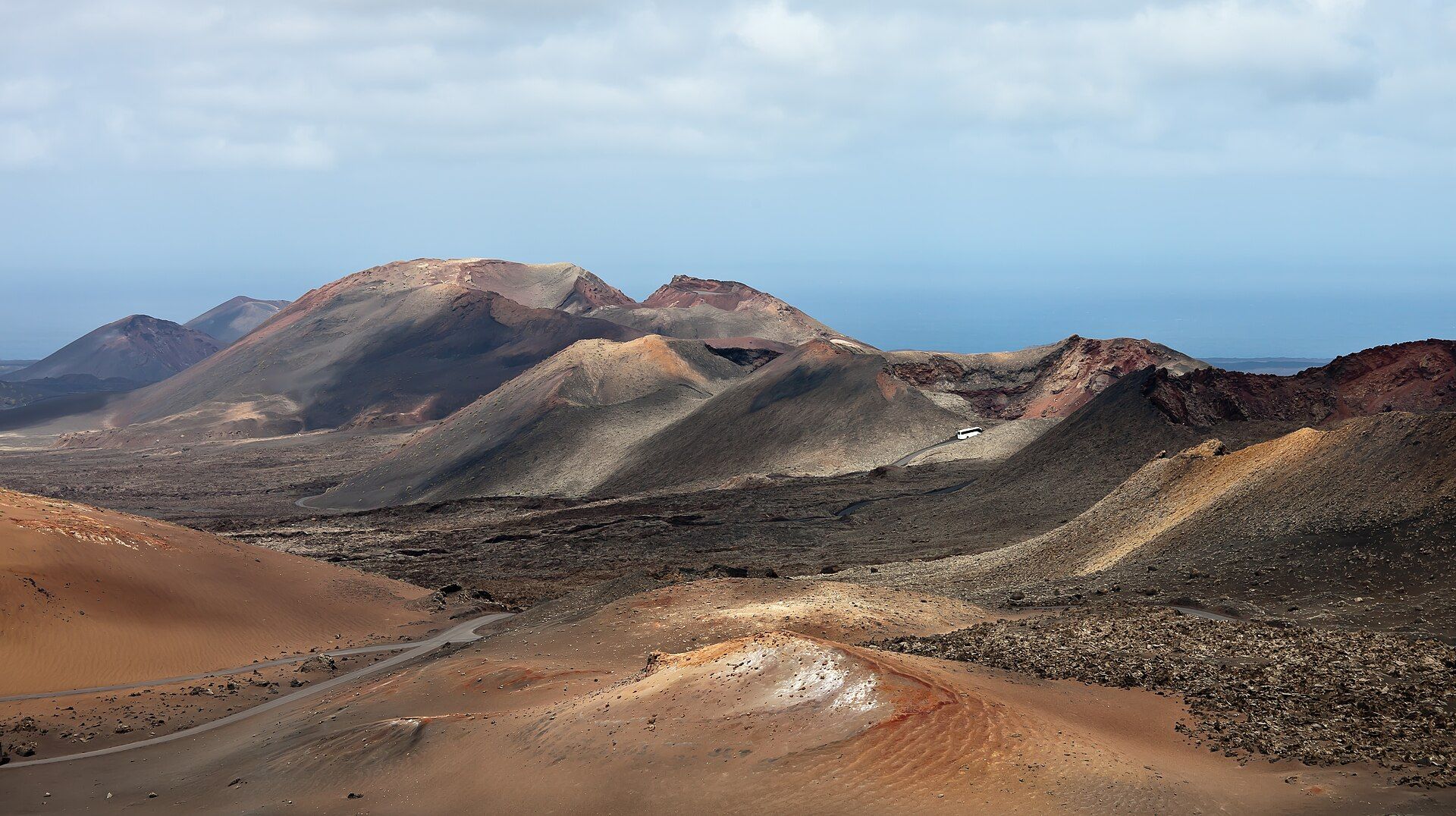
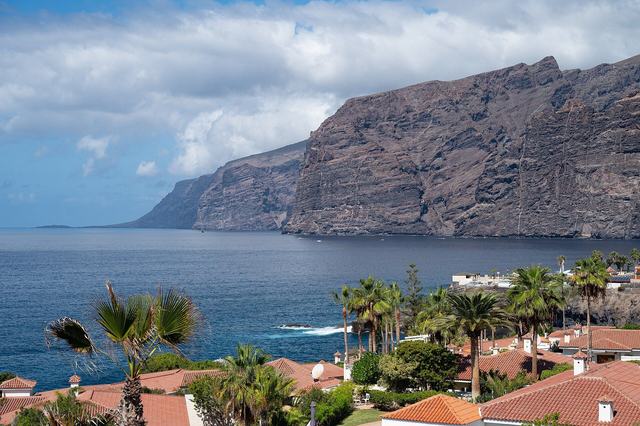
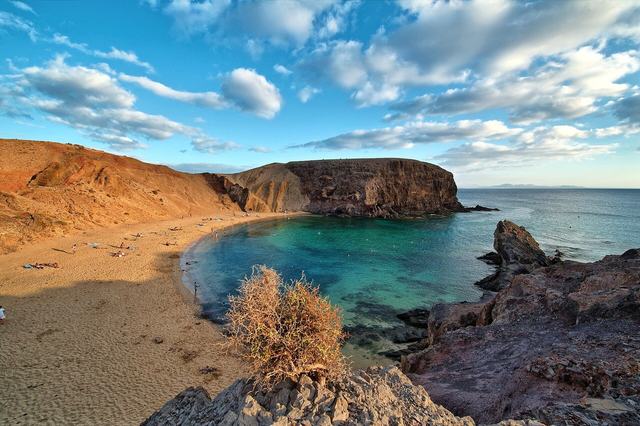
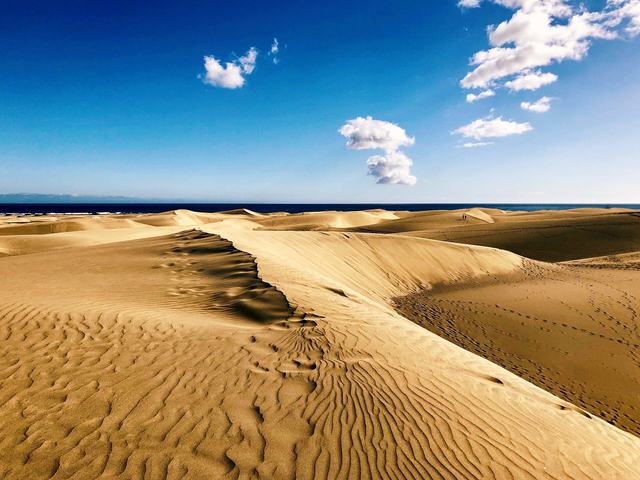
The Canary Islands in pictures
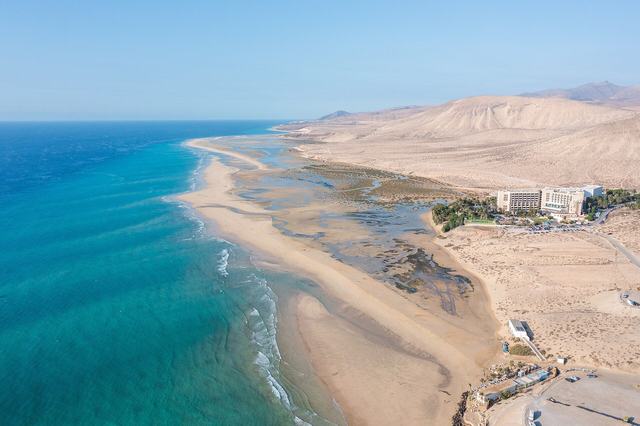
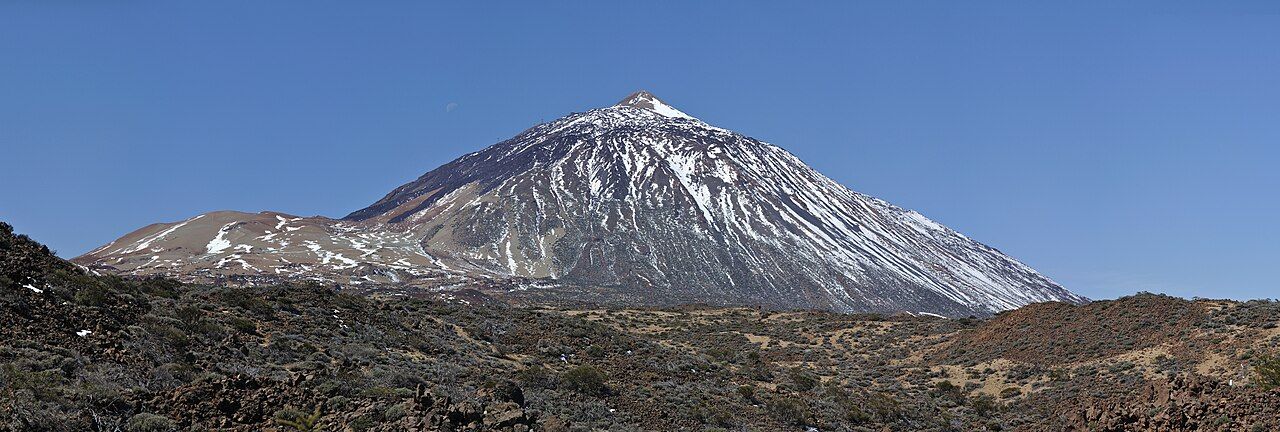
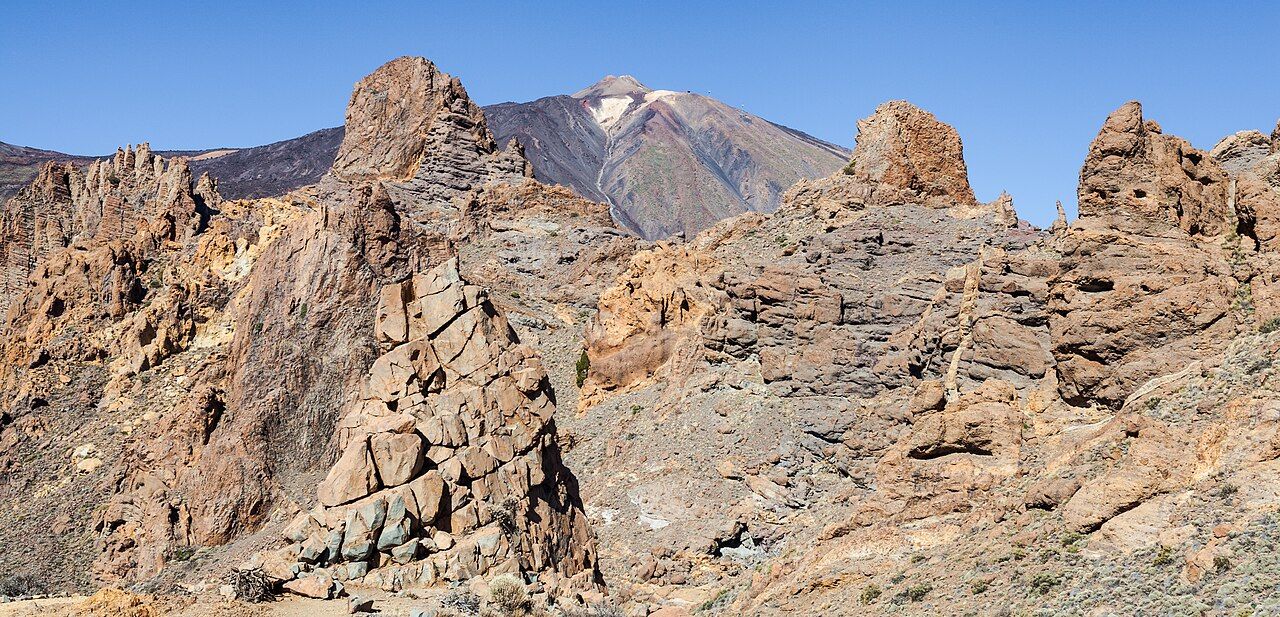
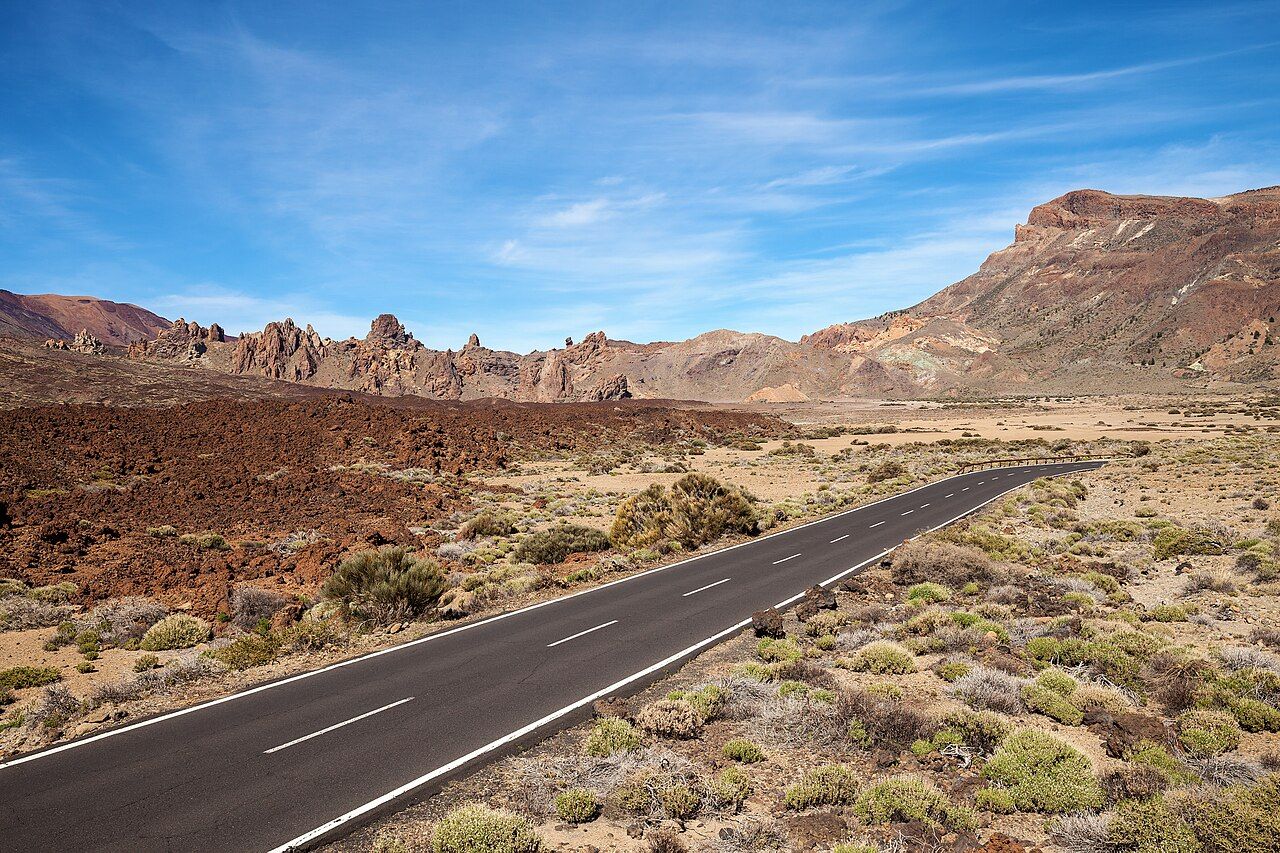
Photo: Quartl, CC BY-SA 3.0 sourcePhoto: Diego Delso, CC BY-SA 3.0 sourcePhoto: Thomas Wolf, www.foto-tw.de, CC BY-SA 3.0 de source
Tell us roughly what you have in mind. We will compare the flights, hotels, routes and operators, explain the trade-offs
and build the version that works for you.