
Switzerland

Europe · Mountain guide

Switzerland

Lakes, mountains and precision-run trains, in one of Europe's more expensive but most reliable destinations.

We’ve been hereScenic trainsMountainsUnhurried touring
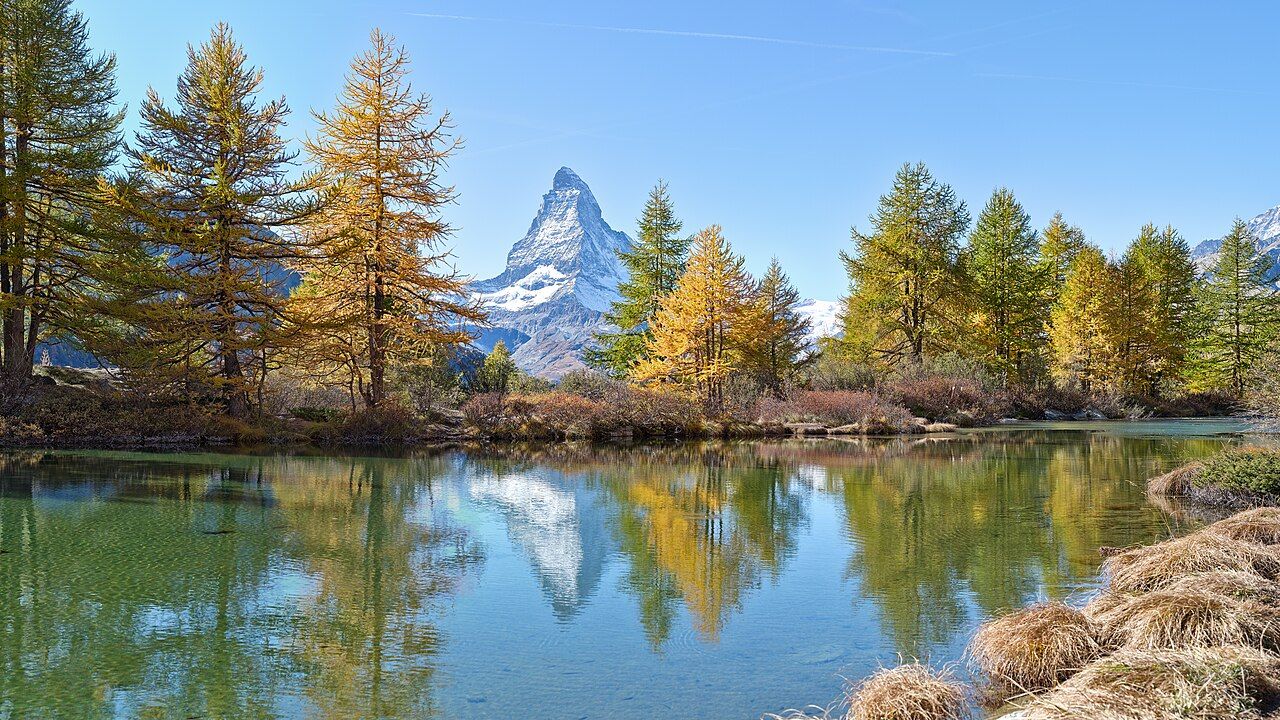
Photo: Roy Egloff, CC BY-SA 4.0 source
Flight1h 45m directfrom Leeds Bradford
Time1 hour ahead of the UK
Typical stay5 to 8 nights
CurrencySwiss franc (CHF)
How we book itBuilt by us

Is it right for you?

Who Switzerland suits

A strong fit for

Scenery, ski and premium touring.

We would think twice for

Tight budgets, because Switzerland is the most expensive country we sell in Europe, and pretending otherwise would be the opposite of our job.

What we would want you to know

Costs add up fast, so budget realistically before you book.

We’ve been here

Our own travels in Switzerland taught us to treat the train as the holiday rather than the way to reach it. We build Swiss trips as rail journeys between two or three bases, with a travel pass doing the sums, because hire cars and taxis only add to what is already the dearest trip we sell in Europe.

Weather and seasons

When to go to Switzerland

The Swiss calendar is set by the mountain lifts. Most run their full summer timetables from mid June to mid October, when Lucerne's July days average 26°C, the high paths are clear of snow and the passes are open; the crowds and the highest fares arrive in July and August. Winter sport runs from December to Easter, and on the glacier above Zermatt skiing continues all year. January nights in Lucerne drop to about -1°C. In May, early June and November many lifts stop for maintenance and some resort hotels close, so a between-season trip suits the lakes and cities better than the peaks.

Worth timing a trip around

Mid January

Lauberhorn races, Wengen

The longest downhill on the World Cup circuit runs from below the Lauberhorn down to Wengen, watched by tens of thousands who ride the train up. Village rooms go a year or more ahead.

February or March

Fasnacht in Lucerne and Basel

Lucerne's carnival starts with a bang at five in the morning on the Thursday before Ash Wednesday, with masked Guggenmusik bands playing for days. Basel's, on UNESCO's list, begins at four on the Monday after Ash Wednesday, when the city lights go out for the lantern parade.

Third Monday of April

Sechseläuten, Zurich

Zurich's guilds parade in costume, then burn the Böögg, a snowman packed with fireworks, on a bonfire; the faster its head explodes, the better the summer is meant to be.

1 August

Swiss National Day

Bonfires on the hilltops, fireworks over the lakes, lantern walks and brunches on farms mark the founding of the Confederation. Mountain resorts put on their own shows, so book dinner ahead.

Mid August to mid September

Lucerne Festival

Leading orchestras and soloists play the lakeside concert hall for around five weeks of summer concerts, with tickets for the big names on sale months before.

Daytime high to night-time low Rainfall
January: 67 mm of rainFebruary: 50 mm of rainMarch: 66 mm of rainApril: 81 mm of rainMay: 110 mm of rainJune: 123 mm of rainJuly: 95 mm of rainAugust: 77 mm of rainSeptember: 71 mm of rainOctober: 68 mm of rainNovember: 60 mm of rainDecember: 79 mm of rainJanuary: highs 5°C, lows -1°CFebruary: highs 8°C, lows 0°CMarch: highs 11°C, lows 2°CApril: highs 16°C, lows 5°CMay: highs 19°C, lows 9°CJune: highs 24°C, lows 14°CJuly: highs 26°C, lows 16°CAugust: highs 25°C, lows 15°CSeptember: highs 20°C, lows 12°COctober: highs 15°C, lows 8°CNovember: highs 9°C, lows 3°CDecember: highs 5°C, lows 0°C5°-1°J8°0°F11°2°M16°5°A19°9°M24°14°J26°16°J25°15°A20°12°S15°8°O9°3°N5°0°D
See the numbers
MonthHighLowRain
January5°C-1°C67 mm
February8°C0°C50 mm
March11°C2°C66 mm
April16°C5°C81 mm
May19°C9°C110 mm
June24°C14°C123 mm
July26°C16°C95 mm
August25°C15°C77 mm
September20°C12°C71 mm
October15°C8°C68 mm
November9°C3°C60 mm
December5°C0°C79 mm

Temperatures are 2015 to 2024 averages from NOAA records for Luzern, 2 km away at 456 m. Rainfall is from Mosen, 23 km away and shows the typical (median) month, so one freak storm does not skew it.

Map and areas

Resorts and regions

Places to stay Things to do Airports
1

Lucerne

First visitsLake steamersEasy walking

A handsome medieval town on a lake ringed by mountains, with the covered Chapel Bridge, painted squares and old paddle steamers at the quay. Pilatus and Rigi are both easy day trips, and the station sits right in town. It is busy with coach groups by day, and rooms with a lake view carry a premium.
2

Interlaken

ActivitiesRail connectionsGroups

A resort town on the flat land between Lake Thun and Lake Brienz, and the gateway to the Jungfrau railways. It is practical rather than pretty, with plenty of hotels, restaurants and adventure sports, and prices a little below the mountain villages. Stay here for convenience and choice; stay higher up for the views.

3

Grindelwald

FamiliesMountain viewsYear-round stays

A spread-out mountain village facing the north face of the Eiger, with gondolas up to First and Männlichen and the Eiger Express towards the Jungfraujoch. It has the largest stock of hotels and chalets in the region and can be reached by car, but summer day visitors crowd the main street.

4

Wengen and Mürren

Car-free peaceWalkersSkiers

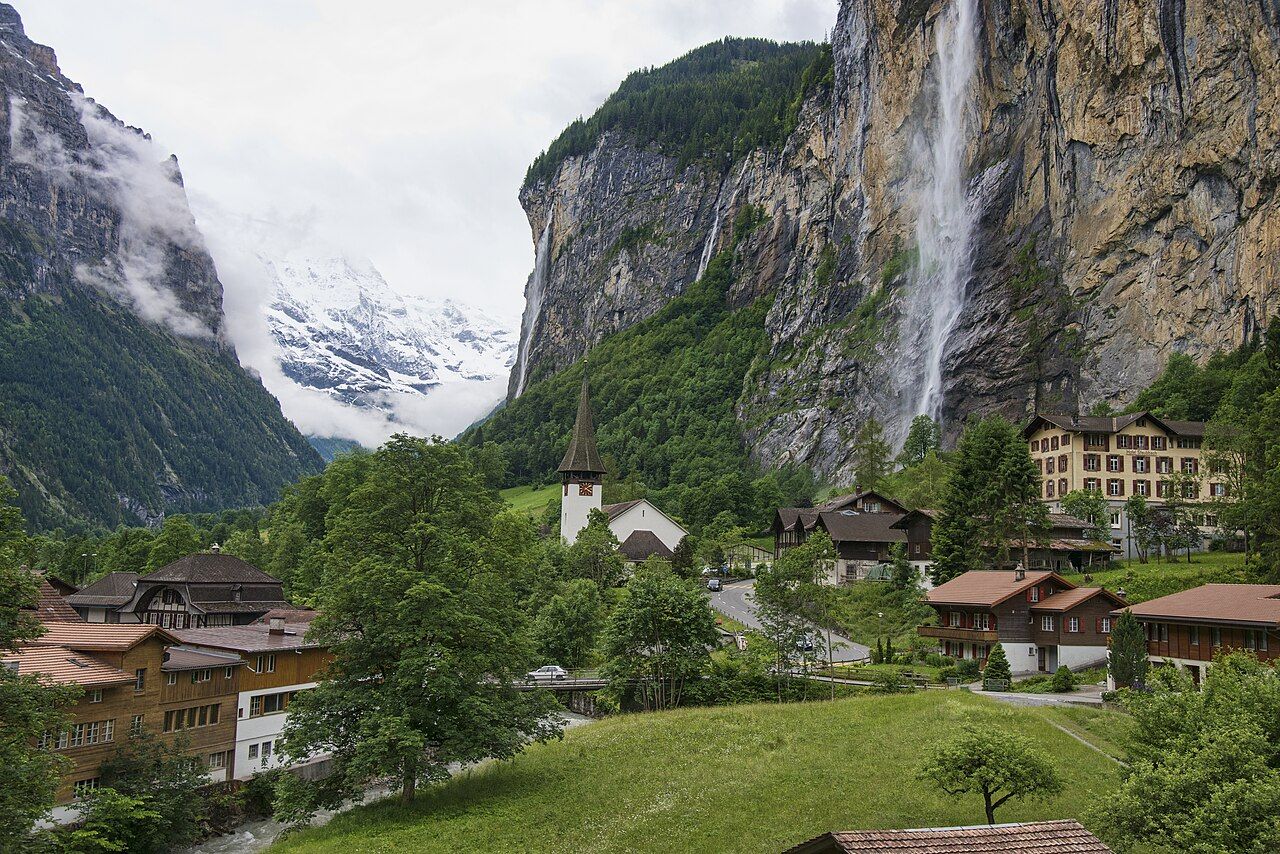
Two car-free villages on opposite shelves above the Lauterbrunnen valley, reached only by railway or cable car. Wengen looks up at the Jungfrau and hosts the Lauberhorn races; Mürren faces the Eiger, Mönch and Jungfrau from across the valley and leads up to the Schilthorn. Both are quiet at night and slower going with luggage.

5

Zermatt

Matterhorn viewsSkiingCouples

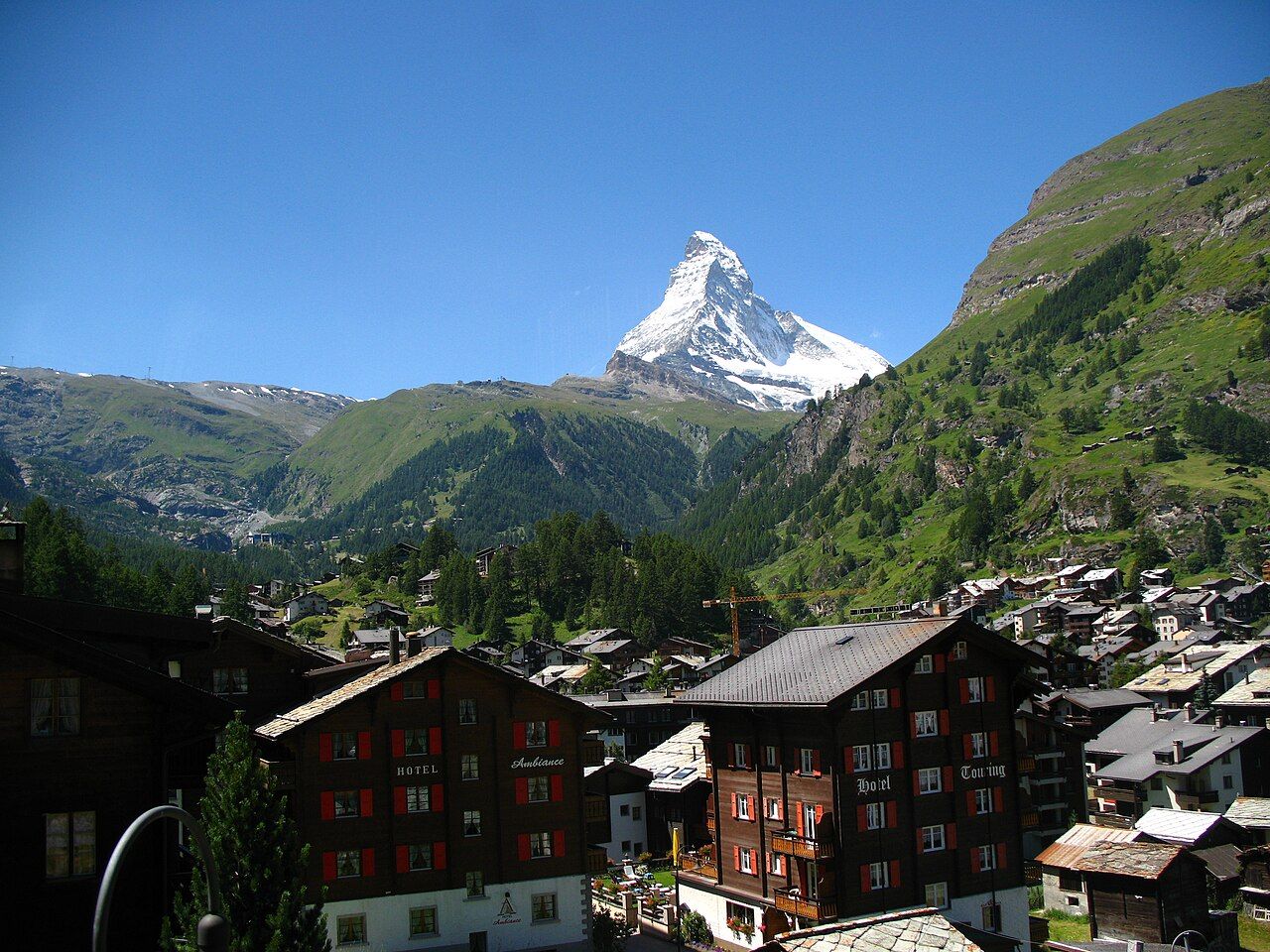
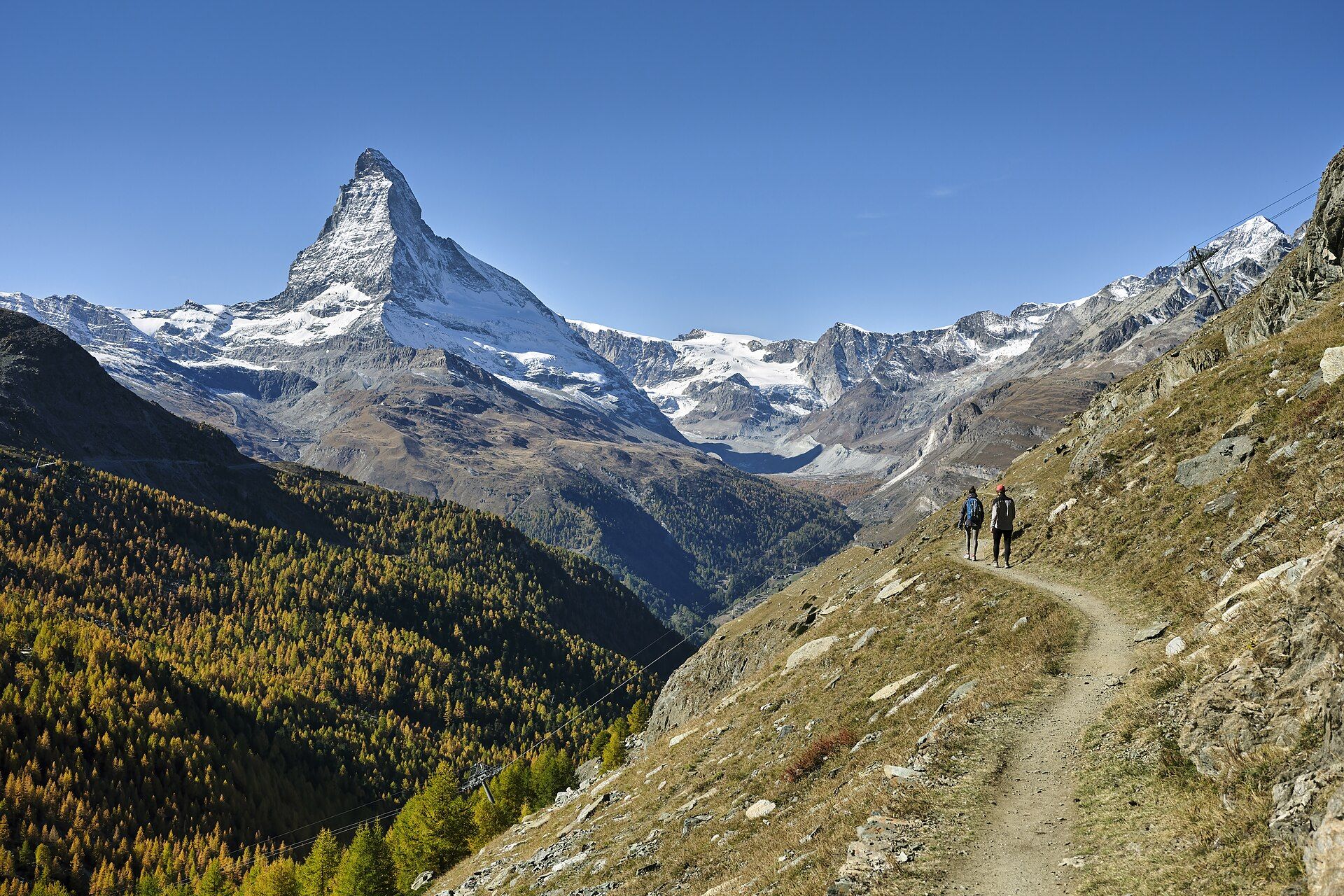
The car-free village beneath the Matterhorn, reached by train, with electric taxis waiting at the station. Rooms facing the mountain cost more and are worth it. Skiing runs all year on the glacier above, summer brings some of the Alps' great walks, and it is among the dearest resorts in the country.

6

St Moritz

Glacier ExpressWinter sportLuxury

The Engadine's famous resort, on a lake that freezes hard enough for horse racing and polo in most winters, and the eastern end of the Glacier Express. The high valley is sunnier and drier than the northern Alps. The town itself is glossy and very expensive; nearby Pontresina and Celerina make calmer bases.

Things to do

Things to do in Switzerland

AdventureA

Jungfraujoch

The cog railway tunnels through the Eiger and Mönch to a station at 3,454 metres, the highest in Europe, above the Aletsch Glacier. Go on the clearest morning you have, as cloud hides everything, and move slowly once there; the thin air affects many people.

NatureB

Gornergrat railway

A cogwheel railway climbs from Zermatt to 3,089 metres for a head-on view of the Matterhorn and a ring of glaciers and four-thousand-metre peaks. Sit on the right going up, and take one of the first trains of the day to beat the crowds.

Day trips

Glacier Express

The slow panoramic train between Zermatt and St Moritz takes about eight hours over 291 bridges and through 91 tunnels, crossing the Oberalp Pass. Seat reservations are compulsory and sell out in summer, so we secure them the day your dates are fixed.

AdventureC

Pilatus

From Alpnachstad the steepest cogwheel railway in the world climbs to Pilatus Kulm at gradients of up to 48 percent; return by cable car to Kriens to make a loop with the lake boat. The cogwheel line does not run in winter.

On the water

Lake Lucerne by paddle steamer

Five historic paddle steamers still work Lake Lucerne alongside the motor ships, and sailings are covered by the Swiss Travel Pass. Sit on deck for the stretch towards Flüelen, where the mountains close in around the water.

NatureD

Trümmelbach Falls

Ten glacier waterfalls thunder inside the mountain above Lauterbrunnen, reached by a tunnel lift and lit paths. Open from April to early November only, wet and chilly inside, and children under four are not admitted.

AdventureE

Schilthorn

Cable cars climb from the valley floor via Mürren to a summit whose revolving restaurant was made famous by a James Bond film, and the panorama takes in the Eiger, Mönch and Jungfrau. Check the webcam before you buy; there is little to see in cloud.

CultureF

Bern's old town and the Aare

The capital's arcaded old town is UNESCO-listed, with the clock tower's figures performing every hour. In summer, locals float down the fast, clear Aare to cool off; strong swimmers only, and get out at the marked exits.

FamilyG

Swiss Museum of Transport

Trains, planes, cable cars and ships fill a big lakeside museum in Lucerne, with a planetarium and plenty for children to climb into. It is the obvious choice when the mountains are hidden in cloud.

Food and drink

What to eat and drink

  • Rösti

    Grated potato fried slowly into a crisp golden cake, once a Bernese farmer's breakfast and now served with almost everything, often topped with a fried egg or melted cheese.

  • Zürcher Geschnetzeltes

    Thin strips of veal in a cream, white wine and mushroom sauce, served with rösti: Zurich's classic, rich and filling.

  • Älplermagronen

    Herdsmen's pasta baked with potatoes, cheese, cream and fried onions, served with apple sauce on the side in mountain huts across central Switzerland.

  • Bündnerfleisch

    Air-dried beef from Graubünden, sliced paper thin and eaten with bread and pickles, often on a board of mountain meats and cheese.

  • Birchermüesli

    Oats soaked with grated apple, nuts and yoghurt, created around 1900 by the Zurich doctor Maximilian Bircher-Benner for his patients, and on every Swiss breakfast buffet since.

  • Swiss wine

    Little of it is exported, so drink it here: Chasselas from the Lavaux terraces above Lake Geneva, and Petite Arvine and Cornalin from the sunny Valais.

Shape of the trip

Lakes to the Matterhorn by train

  1. Nights 1 to 3

    Lucerne

    A paddle steamer on the lake, the cogwheel railway up Pilatus on the first clear morning, and evenings on the old town's bridges and squares.

  2. Nights 4 to 6

    Grindelwald

    Over the Brünig Pass by train to Interlaken and up to Grindelwald: the Jungfraujoch on the clearest day, the First Cliff Walk, and the panoramic trail from Männlichen to Kleine Scheidegg.

  3. Nights 7 to 9

    Zermatt

    South through the Lötschberg tunnel to Zermatt: the Gornergrat railway on the first clear morning, the Five Lakes Walk from Blauherd and a slow evening among the old larch-wood barns.

  4. Day 10

    St Moritz

    The Glacier Express east to St Moritz, about eight hours over the Oberalp Pass in panoramic carriages, with a night or two in the Engadine before the train back to Zurich.

An idea to react to, not a fixed package. We shape the real thing around your dates, your pace and what the flights are doing that season.

Money

What Switzerland costs

Switzerland is the dearest country we sell in Europe, and every part of the bill shows it, from coffee to cable cars. A Swiss Travel Pass covers trains, lake boats and city transport and discounts many mountain railways, which usually beats buying tickets as you go. Half board in mountain hotels tames dinner, and supermarket picnics are what the Swiss do themselves. Save the big spends for one or two summit railways on clear days.

Flights and transfers

Getting to Switzerland from the UK

Direct flights link Manchester with Zurich and Geneva year-round. The country's real transport is its trains: punctual, panoramic and integrated to the minute, which is why our Swiss trips are built as rail journeys rather than transfers.

Flights from UK airports

Zurich ZRH

  • Leeds BradfordWith a connection, about 3h 35m
  • ManchesterDirect, about 1h 55m
  • NewcastleWith a connection, about 3h 50m

Geneva GVA

  • Leeds BradfordDirect, about 1h 45m
  • ManchesterDirect, about 1h 45m
  • NewcastleDirect, about 2h

Basel EuroAirport BSL

  • Leeds BradfordWith a connection, about 3h 25m
  • ManchesterDirect, about 1h 55m
  • NewcastleWith a connection, about 3h 30m

Route check September 2026. Some routes are seasonal and schedules change, so we confirm the live options when we quote.

Practical details

Know before you go

Time

1 hour ahead of the UK

Currency

Swiss franc (CHF)

Language

German, French, Italian and Romansh by region, with English widely spoken in the resorts

Plugs

Type J, 230V; slim two-pin European plugs fit, but chunkier round ones do not

Driving

On the right

Tap water

Excellent and safe to drink, including from most village fountains unless marked otherwise

Tipping

Service is included by law; rounding up or a few francs for good service is plenty

Entry for British passport holders

Visa. No visa needed for tourist stays of up to 90 days in any 180-day period across the Schengen area.

Passport. Issued less than 10 years before you arrive, and valid for at least 3 months after the day you leave the Schengen area.

The EU Entry/Exit System is now in use, so you may be asked to register your fingerprints and photo at the border on your first visit. It is free.

Summarised from the FCDO travel advice on gov.uk, checked 29 September 2026. Rules change: read the current entry requirements and the full travel advice before you go.

Questions we get asked

Switzerland FAQs

Is the Swiss Travel Pass worth it?+

For most rail-based trips, yes. It covers trains, lake boats, buses and city transport, includes some mountain trips such as Rigi, and takes a good share off others, including the Jungfraujoch and the Gornergrat. On a trip that moves between two or three bases it usually costs less than separate tickets, and it saves queuing at every station.

Should we stay in Interlaken, Grindelwald or Wengen?+

Interlaken for choice, prices and connections, but with little view. Grindelwald for families who want space, a car and the Eiger outside the window. Wengen for a car-free village with the Jungfrau filling the view and quiet nights. All three reach the Jungfraujoch railway easily, so the choice comes down to how you want your evenings to feel.

Would a hire car help in Switzerland?+

No, and in several resorts you cannot use one: Zermatt, Wengen and Mürren are car-free. Trains, buses and boats connect almost everywhere on timetables that work to the minute, and luggage can be sent ahead between stations. A car only helps for remote valleys and some mountain passes.

What if it is cloudy on the day we planned for the Jungfraujoch?+

Wait if you can. Check the summit webcams first thing and go on the clearest day of your stay, which is why we leave a spare day in the Jungfrau region. On a cloudy day, lower trips such as the Trümmelbach Falls, the lake boats or Bern are a better use of the time and the money.

Is the Glacier Express worth it?+

For a day of scenery from a comfortable seat, yes, but it is a long, slow journey of about eight hours, and some of the finest stretches can be seen from ordinary regional trains too. We suggest it as the travel day between Zermatt and St Moritz, with lunch served at your seat.

Does Switzerland work for families in summer?+

Very well, if the family likes being outdoors. Trails are well signed and graded, lakes, playgrounds and toboggan runs fill the afternoons, and many resorts give guests cards for free or cheaper local buses and lifts. Children aged six to fifteen travel free on Swiss trains with a parent holding a Swiss Family Card, which keeps the rail sums manageable.

Your world, your way

Thinking about Switzerland?

Tell us roughly what you have in mind. We will compare the flights, hotels, routes and operators, explain the trade-offs and build the version that works for you.

Start your trip