
Austria

Europe · Mountain guide

Austria

Alpine scenery, polished cities and both winter and summer mountain travel.

We’ve been hereLakes and mountainsSkiVienna
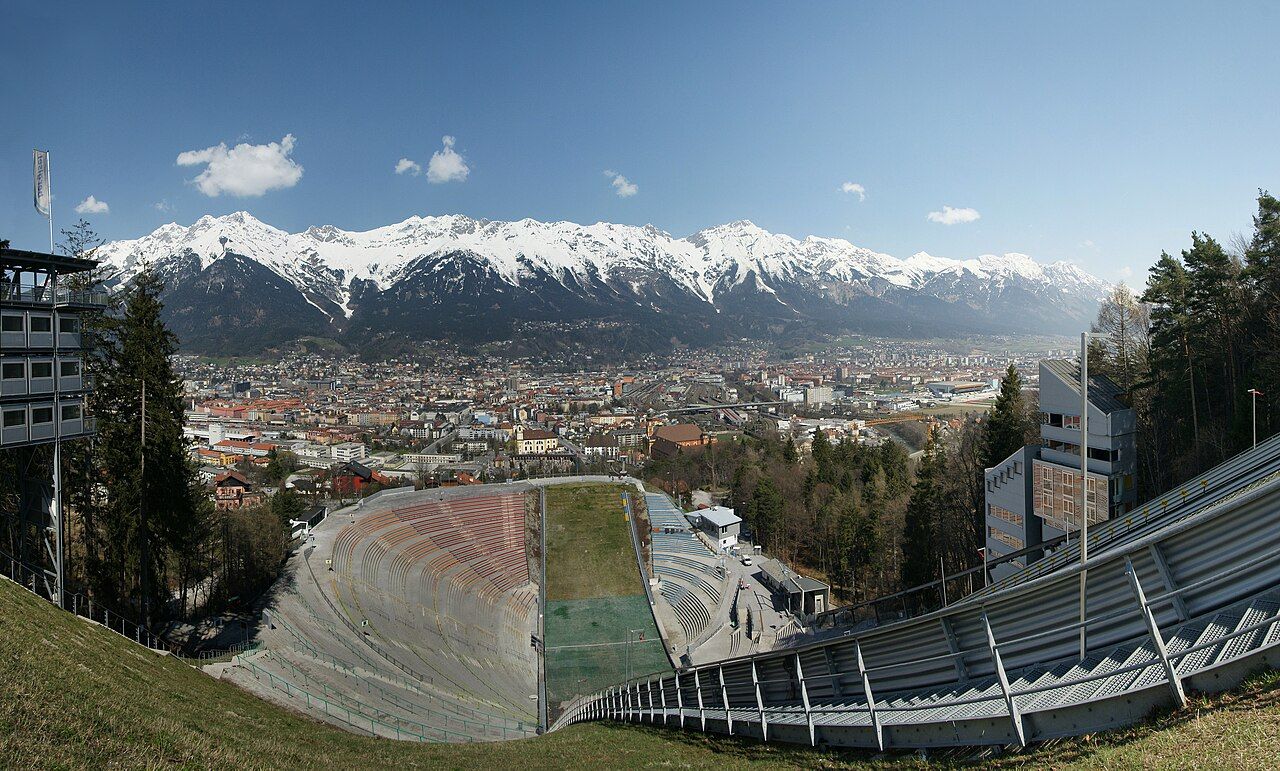
Photo: Raimond Spekking, CC BY-SA 4.0 source
Flight2h directfrom Manchester
Time1 hour ahead of the UK
Typical stay4 to 7 nights
CurrencyEuro (€)
How we book itOperator package

Is it right for you?

Who Austria suits

A strong fit for

Ski, city breaks and scenic touring.

We would think twice for

Heat-seekers, because Austria's summer is green mountains and warm days rather than baked beaches, and its lakes stay refreshing in the truest sense.

What we would want you to know

Resort altitude and transfer matter in ski planning.

We’ve been here

We have skied at Schladming several times, and those weeks shape how we plan an Austrian winter: a short transfer, a lively village and plenty of linked runs matter more to most groups than the biggest name. In summer the same valleys switch to lakes, walking trails and open cable cars, and for those trips our advice comes from research.

Weather and seasons

When to go to Austria

Austria runs two seasons. The ski winter lasts from December to April, with Innsbruck's January days around 5°C, dropping to -3°C overnight in the valley and colder higher up; February half term is the busiest and dearest week, and lower villages can struggle for snow in a mild spell. The summer mountain season runs from June to September, when Innsbruck reaches 28°C, the lakes warm up and the hiking lifts turn again, though afternoon thunderstorms are common in July. Late April, May, October and November are the in-between weeks when many mountain hotels close.

Worth timing a trip around

January and February

Vienna ball season

Hundreds of formal balls fill the winter, from the grand Opera Ball to those run by professions and clubs. Visitors can buy tickets to many of them, and a dance class helps first-timers with the waltz.

Late January

Hahnenkamm races, Kitzbühel

The World Cup downhill on the Streif draws huge crowds and turns Kitzbühel into a party town for the weekend. Rooms for miles around book up long in advance.

Late July and August

Salzburg Festival

Opera, drama and concerts fill Salzburg for six weeks every summer, with Jedermann performed on the cathedral square. Tickets and rooms go early and prices rise across the city.

September

Almabtrieb

Cattle come down from the high summer pastures wearing flowers and bells, with village festivals across the Tyrol to welcome them home.

Mid November to Christmas

Vienna's Christmas markets

Markets fill the squares in front of the Rathaus, Schönbrunn and the Karlskirche, with hot punch, gingerbread and handmade decorations.

Daytime high to night-time low Rainfall
January: 60 mm of rainFebruary: 30 mm of rainMarch: 47 mm of rainApril: 56 mm of rainMay: 76 mm of rainJune: 87 mm of rainJuly: 105 mm of rainAugust: 140 mm of rainSeptember: 85 mm of rainOctober: 60 mm of rainNovember: 49 mm of rainDecember: 52 mm of rainJanuary: highs 5°C, lows -3°CFebruary: highs 10°C, lows -1°CMarch: highs 14°C, lows 2°CApril: highs 18°C, lows 5°CMay: highs 21°C, lows 9°CJune: highs 27°C, lows 14°CJuly: highs 28°C, lows 15°CAugust: highs 27°C, lows 15°CSeptember: highs 22°C, lows 11°COctober: highs 18°C, lows 7°CNovember: highs 10°C, lows 2°CDecember: highs 6°C, lows -2°C5°-3°J10°-1°F14°2°M18°5°A21°9°M27°14°J28°15°J27°15°A22°11°S18°7°O10°2°N6°-2°D
See the numbers
MonthHighLowRain
January5°C-3°C60 mm
February10°C-1°C30 mm
March14°C2°C47 mm
April18°C5°C56 mm
May21°C9°C76 mm
June27°C14°C87 mm
July28°C15°C105 mm
August27°C15°C140 mm
September22°C11°C85 mm
October18°C7°C60 mm
November10°C2°C49 mm
December6°C-2°C52 mm

Temperatures are 2015 to 2024 averages from NOAA records for Innsbruck, 1 km away at 577 m. Rainfall is from the same station and shows the typical (median) month, so one freak storm does not skew it.

Map and areas

Resorts and regions

1

St Anton am Arlberg

Strong skiersAprèsOff-piste

The home of the Arlberg's steep, high skiing, linked with Lech and Zürs, and famous for rowdy après on the slopes above the village. It is superb for confident skiers and a daunting first week for beginners, with few easy runs back down. Rooms near the lifts are dear.

about 1h 06m from INN Open in Google Maps
2

Kitzbühel

GlamourMixed groupsTown life

A medieval old town of smart shops and cafés, with a big ski area around the Hahnenkamm, home of the Streif downhill. The town has life in every season, which suits mixed groups of skiers and non-skiers. The catch is altitude: the slopes are relatively low, so cover can be patchy in mild winters.

about 1h 20m from SZG Open in Google Maps
3

Obergurgl

Snow-sure skiingFamiliesQuiet evenings

One of the highest villages in Austria, at the head of the Ötztal, with snow from November to late April. The skiing is mostly wide, cruising reds and blues, ideal for families and intermediates. Evenings are quiet, and the long drive up the valley rules it out for a short break.

about 1h 20m from INN Open in Google Maps
4

Söll and the SkiWelt

BeginnersValueVillage charm

Söll, long popular with British skiers, is one of the bases for the SkiWelt, a large linked area strung between pretty villages such as Ellmau and Scheffau. Good-value hotels and gentle, tree-lined slopes suit beginners and families. The villages sit low, so snow can be marginal in mild spells, though snowmaking is extensive.

about 1h 24m from SZG Open in Google Maps
5

Salzkammergut lakes

LakesSummer walkingPhotographers

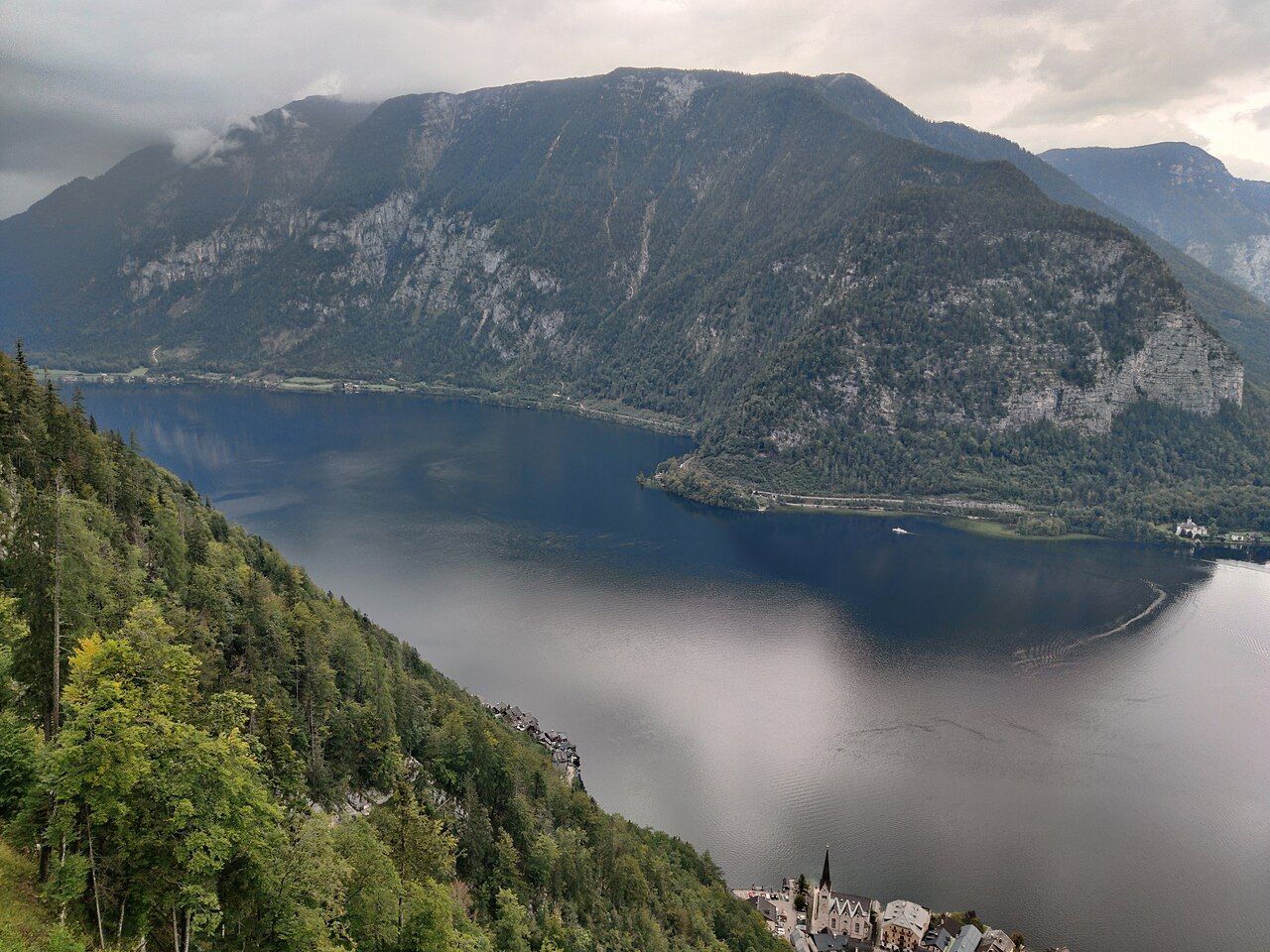
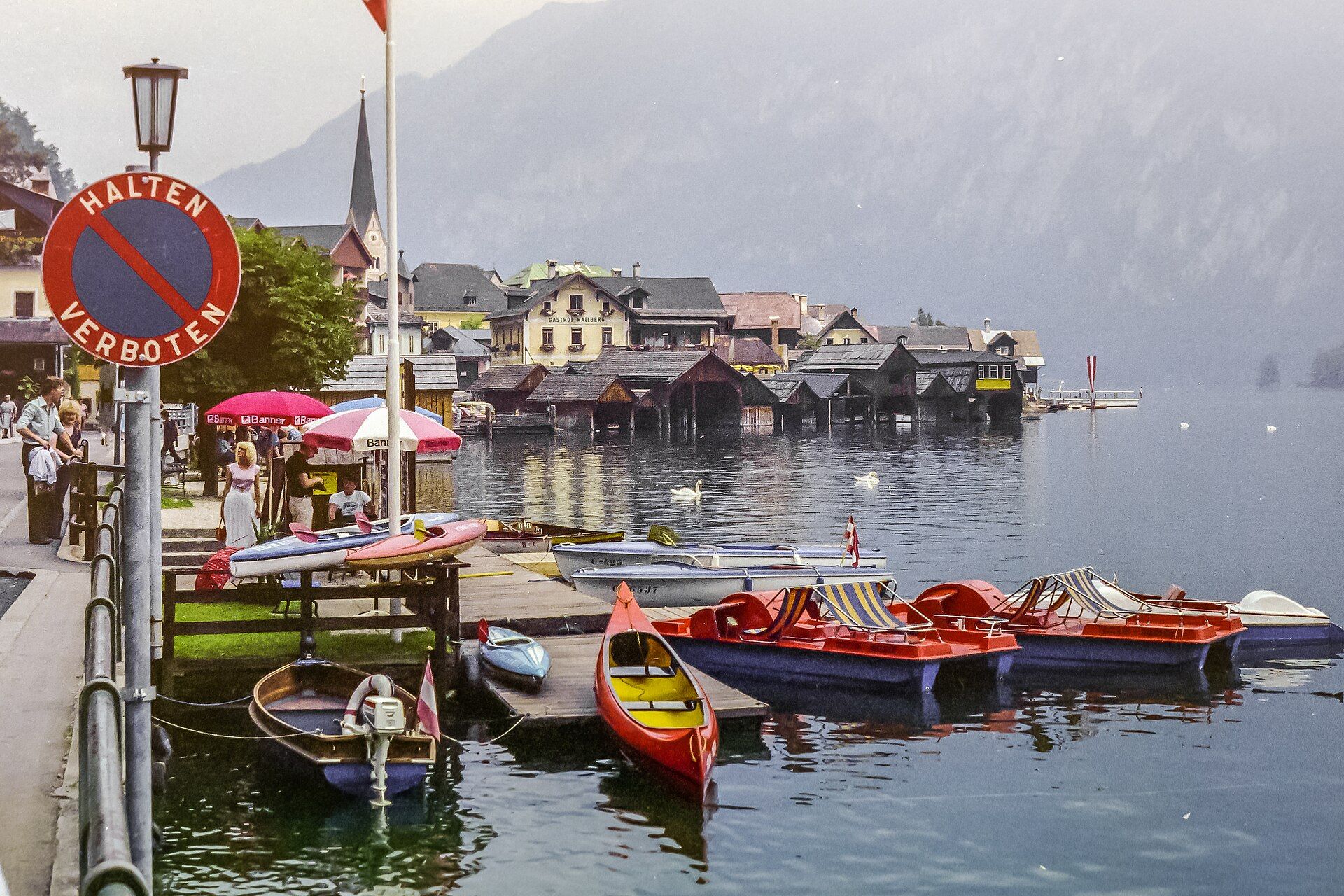
The lake district east of Salzburg, where Hallstatt's pastel houses cling to a steep shore and St Wolfgang and St Gilgen sit on warmer, swimmable water. Hallstatt itself is crowded by day with coach groups; staying overnight, or basing yourself on the Wolfgangsee, gives calmer evenings.

about 1h 12m from SZG Open in Google Maps
6

Vienna

City breaksMusicChristmas markets

The grand capital of palaces, museums and coffee houses, with the Innere Stadt the walkable heart inside the Ringstrasse. Trams and the U-Bahn make it easy, and concerts and opera run almost nightly in season. Hotel prices climb in December and through the winter ball season.

about 26 min from VIE Open in Google Maps

Things to do

Things to do in Austria

HistoryA

Schönbrunn Palace

The Habsburgs' summer palace on the edge of Vienna, with state rooms on a timed ticket, formal gardens and the Gloriette on the hill above. Book the tour online and arrive early; the gardens are free to wander.

Food

A Viennese coffee house

Marble tables, newspapers on wooden holders and waiters in black tie. An hour over coffee and cake is part of the city's culture, nobody will rush you, and a glass of water comes with every coffee.

MusicB

Opera and concerts in Vienna

The State Opera and the city's concert halls give Vienna a performance almost every night of a season that runs from September to June. Book the big names well ahead, and pack something smart for the evening.

Day tripsC

Salzburg

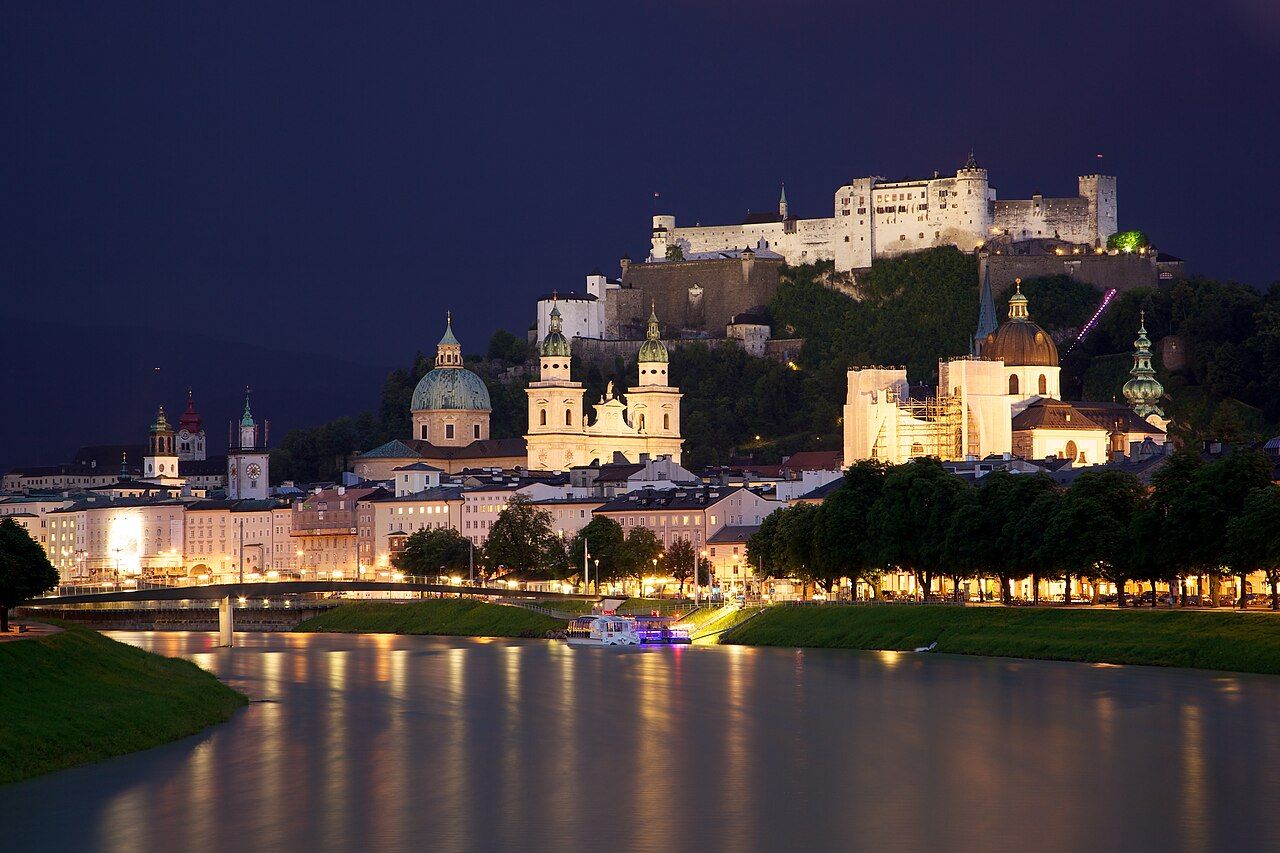
Mozart's birthplace, a baroque old town under the Hohensalzburg fortress and the backdrop for The Sound of Music. It is an easy day from the Salzkammergut lakes, and the funicular up to the fortress saves a steep climb.

NatureD

Grossglockner High Alpine Road

A summer-only mountain road that climbs in hairpins past glaciers to views of Austria's highest peak. It opens roughly from May to early November, depending on snow, and charges a toll per car; go early to find space at the viewpoints.

NatureE

Krimml Waterfalls

Austria's highest waterfalls drop in three stages in the Hohe Tauern, with a path climbing beside them. The lower falls are a short walk from the car park; the full climb takes a couple of hours and rewards good shoes.

AdventureF

Eisriesenwelt ice cave

A vast ice cave in the mountains above Werfen, seen on a guided tour by lamplight. It opens only from spring to autumn, stays below freezing inside even in August and involves hundreds of steps, so bring a warm layer and good shoes.

AdventureG

The Nordkette from Innsbruck

A funicular and two cable cars climb from the middle of Innsbruck to a ridge high above the city, with views down the Inn valley. It is the quickest way from a café table to real mountains.

On the water

Lake swimming in the Salzkammergut

The Wolfgangsee, Mondsee and Attersee warm up enough for swimming in July and August, and lakeside lidos have jetties, lawns and changing huts. The deep Hallstätter See stays colder.

Food and drink

What to eat and drink

  • Wiener Schnitzel

    Veal beaten thin, breadcrumbed and fried until the coating puffs up, served with potato salad and a wedge of lemon. If it is pork, the menu should say Wiener Art.

  • Sachertorte

    Vienna's dense chocolate cake with a thin layer of apricot jam under dark icing, served with unsweetened whipped cream.

  • Kaiserschmarrn

    A thick pancake torn into pieces, dusted with icing sugar and served with plum compote, the classic lunch at a mountain hut.

  • Käsespätzle

    Soft egg noodles layered with mountain cheese and crisp fried onions, the western Alps' answer to macaroni cheese.

  • Grüner Veltliner

    Austria's signature white wine, peppery and fresh, from the Wachau and the vineyards around Vienna, poured by the glass in the city's Heuriger wine taverns.

Money

What Austria costs

Winter prices follow the school holidays and the size of the lift system: a week in a big linked area like the Arlberg costs far more than one in a smaller Tyrolean village. Austrian ski hotels often include generous half board, which tames the evening bill. In summer, the guest card from your hotel frequently covers local lifts, buses and lake lidos, so ask before you buy tickets. Vienna prices like the capital it is, and December costs most.

Flights and transfers

Getting to Austria from the UK

Direct flights link Manchester with Vienna and, in the seasons, Salzburg and Innsbruck; ski transfers in Austria run shorter than France's because the resorts sit lower down the valleys. That lower altitude is also the snow caveat in warm winters.

Flights from UK airports

Innsbruck INN

  • Leeds BradfordWith a connection, about 4h 40m
  • ManchesterDirect, about 2h 15m
  • NewcastleWith a connection, about 4h 50m

Salzburg SZG

  • Leeds BradfordDirect, about 2h 10m
  • ManchesterDirect, about 2h
  • NewcastleWith a connection, about 6h

Vienna VIE

  • Leeds BradfordDirect, about 2h 35m
  • ManchesterDirect, about 2h 25m
  • NewcastleDirect, about 2h 35m

Route check September 2026. Some routes are seasonal and schedules change, so we confirm the live options when we quote.

Practical details

Know before you go

Time

1 hour ahead of the UK

Currency

Euro (€)

Language

German

Plugs

Type C and F, 230V

Driving

On the right

Tap water

Excellent and safe to drink; Vienna's is piped from Alpine springs

Tipping

Round up or add around 10 percent, telling the server the total as you pay rather than leaving it on the table

Entry for British passport holders

Visa. No visa needed for tourist stays of up to 90 days in any 180-day period across the Schengen area.

Passport. Issued less than 10 years before you arrive, and valid for at least 3 months after the day you leave the Schengen area.

The EU Entry/Exit System is now in use, so you may be asked to register your fingerprints and photo at the border on your first visit. It is free.

Summarised from the FCDO travel advice on gov.uk, checked 29 September 2026. Rules change: read the current entry requirements and the full travel advice before you go.

Questions we get asked

Austria FAQs

Is Austria or France better for a ski holiday?+

Austria for pretty villages, a friendly hotel culture with half board and lively après; France for the biggest linked areas and the highest, most snow-sure resorts. Austrian resorts tend to sit lower, so in a warm winter we steer towards high places like Obergurgl or the Arlberg.

Do you need a vignette to drive in Austria?+

Yes. Every motorway and expressway needs one, bought as a digital vignette linked to your number plate or as a sticker from petrol stations near the border. A digital vignette bought online only becomes valid 18 days later, so order it well before you travel. Some tunnels and mountain roads charge a separate toll.

Can you visit Hallstatt without the crowds?+

Only early or late. Coach groups and day visitors fill the village from mid-morning to late afternoon in summer and at weekends. Stay the night, or arrive on the first boat from the railway station across the lake, and the lanes are quiet enough to enjoy.

When does the ski season start and end in Austria?+

Glacier areas such as Sölden open as early as October, and high villages like Obergurgl run into late April. Most village resorts open in early or mid December and close around Easter. For reliable snow in a lower village, January to mid March is the safest window.

How many days do you need in Vienna?+

Three nights suits most first visits: one day for the old town and the Hofburg, one for Schönbrunn and one for galleries, coffee houses and a concert. Add a fourth for a day out along the Danube in the Wachau wine valley.

Is Austria good for a summer holiday?+

Very, if your idea of summer is lakes, walking and mountain air rather than beaches and heat. Many regions give hotel guests a card covering lifts, buses and lake lidos, which makes days out easy, and family-run hotels with half board keep costs predictable.

Your world, your way

Thinking about Austria?

Tell us roughly what you have in mind. We will compare the flights, hotels, routes and operators, explain the trade-offs and build the version that works for you.

Start your trip