
Costa Blanca

Europe · Beach and resort guide

Costa Blanca

Reliable sun, good-value packages and very different resort personalities along one coastline.

Research-led guideFamiliesValueWinter sun
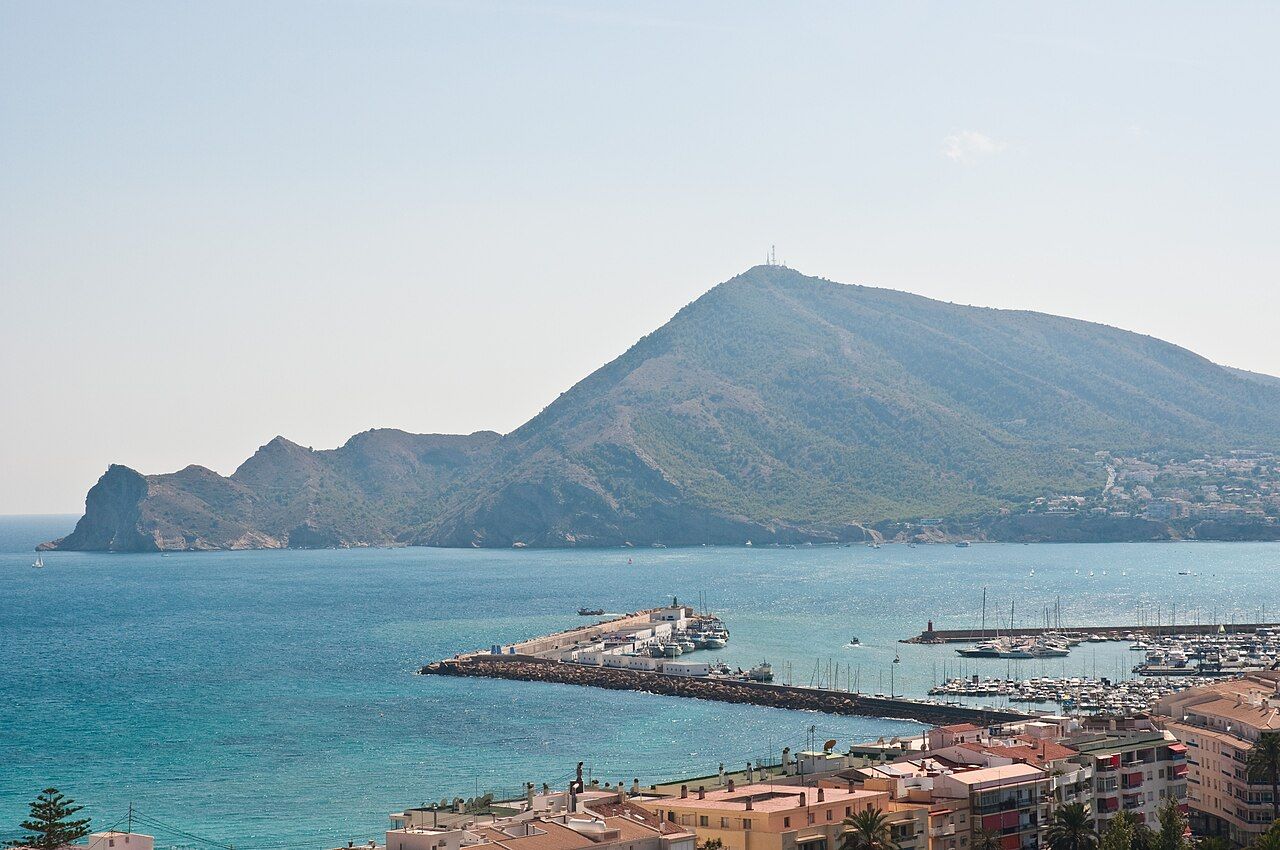
Photo: Diego Delso, CC BY-SA 4.0 source
Flight2h 45m directfrom Leeds Bradford
Time1 hour ahead of the UK
Typical stay7 to 14 nights
CurrencyEuro (€)
How we book itOperator package

Is it right for you?

Who the Costa Blanca suits

A strong fit for

Value-led sun, groups and family packages.

We would think twice for

Travellers wanting rustic, undiscovered Spain, because this coast is built for volume, and its strengths are convenience, value and reliability rather than romance.

What we would want you to know

Airport, resort and transfer choice need to be matched together.

Our research-led view

Nobody really books the Costa Blanca: they book Albir, Altea, Calpe or Jávea, and those towns feel very different once the sun goes down. We have not stayed on this coast ourselves, so our advice comes from resort research and what clients ask us about it, and we match the town to the evenings you want before we look at a single hotel.

We have not been here ourselves yet and will never pretend otherwise. This advice comes from the operator, mapping, hotel and transfer research we do for real enquiries.

Map and areas

Where to stay in the Costa Blanca

1

Alicante

City and beachFoodShort breaks

The provincial capital and the closest base to the airport, with the castle of Santa Bárbara above the old quarter, a palm-lined waterfront and a city beach at El Postiguet. Most beach hotels sit along the much longer Playa de San Juan, a tram ride north. Evenings are Spanish and late, which suits couples more than young families.

about 39 min from ALC Open in Google Maps
2

Albir

Older travellersCouplesLevel walking

Benidorm's calm neighbour on the far side of the Serra Gelada: a flat, tidy resort with a car-free promenade of restaurants and a large community of Northern European residents, Norwegians especially. It is quiet after ten and easy to walk. The catch is the beach, which is pebbles rather than sand, so pack water shoes.

about 1h 13m from ALC Open in Google Maps
3

Altea

CouplesEvening strollsArt and food

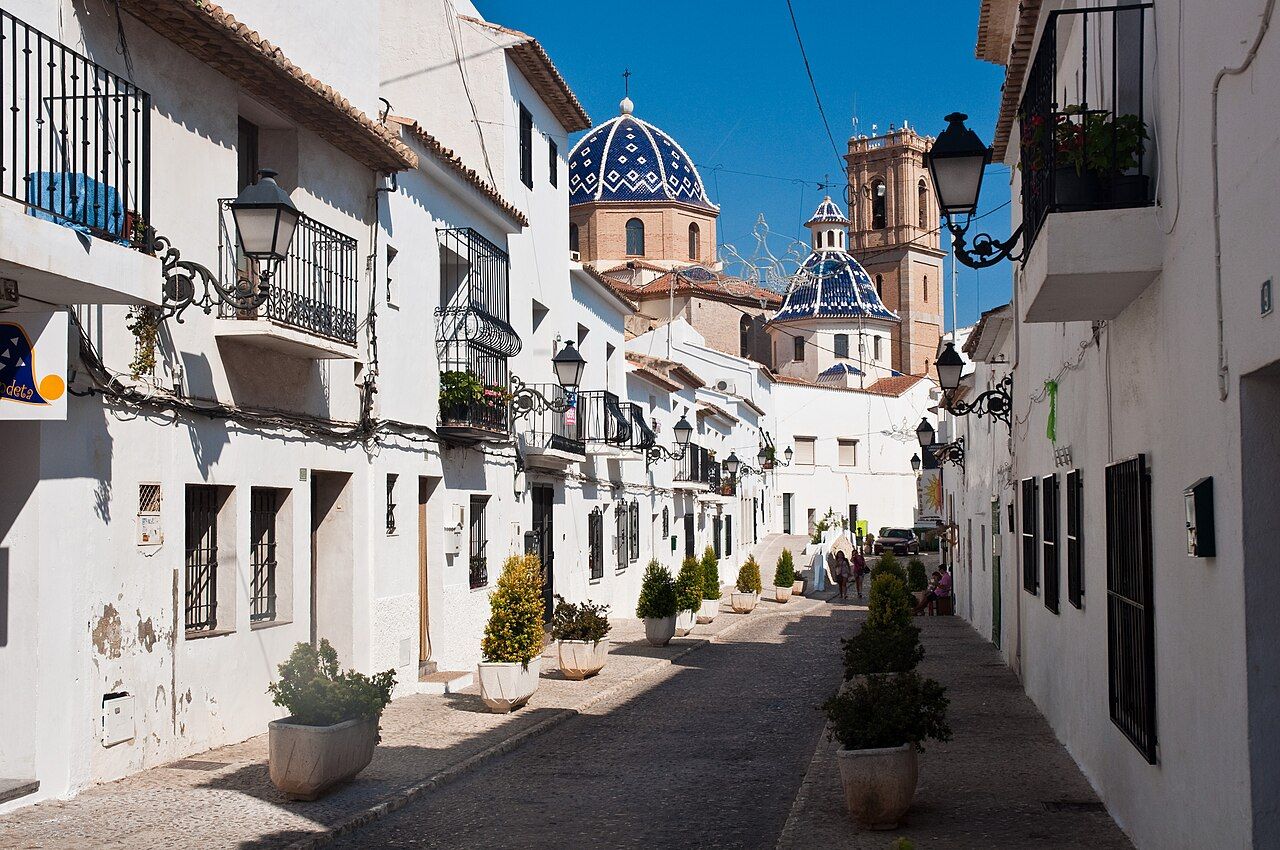
A white old town climbing a hill to a church with blue and white tiled domes, with galleries, craft shops and restaurants in the lanes around it. The seafront below is lined with cafés, but the beaches are pebble and the old town is steep, with plenty of steps. It rewards couples who value atmosphere over sand.

about 1h 15m from ALC Open in Google Maps
4

Calpe

FamiliesSandy beachesValue

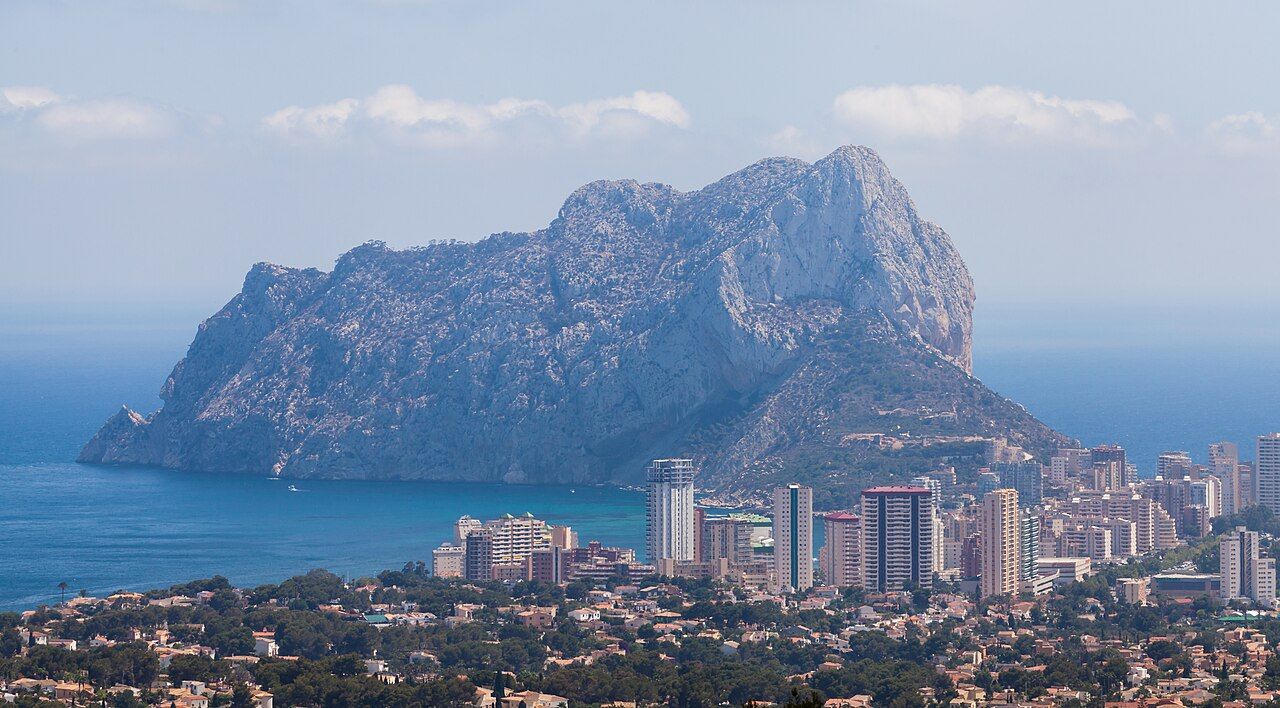
A working town built around the Penyal d'Ifac, the great rock rising from the sea, with a sandy beach on either side of it and a fishing port where the catch is auctioned on weekday afternoons. The seafront is lined with tall apartment blocks rather than grand hotels, but prices are fair and the beaches suit children.

about 1h 24m from ALC Open in Google Maps
5

Jávea (Xàbia)

VillasFamilies with a carSnorkelling

Three places in one: a stone old town inland, a fishing port, and the sandy Arenal bay lined with restaurants, all under the bulk of Montgó. It is greener and more Spanish than the resorts further south. Most accommodation is villas and apartments, so it suits independent families and couples with a car rather than anyone wanting a big hotel.

about 1h 41m from ALC Open in Google Maps

Weather and seasons

When to go to the Costa Blanca

Spring arrives early on this coast: April already reaches around 22°C, which suits walkers on the Penyal d'Ifac and Montgó long before the beaches fill. The sea is slower, only about 18°C in May, so swimmers do better from late June to early October. July and August are hot, humid and crowded, with Spanish families on holiday and every rice restaurant booked at weekends. Autumn brings the gota fría, short and violent storms that can close roads for a day, most often between September and November; October averages 63mm. Jávea and Dénia are greener for a reason: the northern end of the coast catches more of that rain than Alicante.

Worth timing a trip around

20 to 24 June

Hogueras de San Juan, Alicante

Alicante's bonfire festival fills the city with papier-mâché monuments, daily firecracker barrages in Plaza de los Luceros and street parties, ending at midnight on 24 June, when a firework palm tree above the castle signals the burning.

Late July

Moros y Cristianos, Villajoyosa

Villajoyosa's Moors and Christians festival, held for Santa Marta, is famous for a mock sea landing on the town beach, with boats, gunpowder and hundreds of people in costume.

14 and 15 August

Misteri d'Elx

A medieval sung drama of the Assumption, performed inside Elche's Basilica of Santa María and recognised by UNESCO. Rooms in Elche and Alicante fill for it, so book early.

August

Castell de l'Olla, Altea

A night of fireworks over the small island in the bay of l'Olla, south of Altea, watched from the beach and from boats. Roads jam hours beforehand, so arrive early or stay within walking distance.

Daytime high to night-time low Sea temperature Rainfall
January: 38 mm of rainFebruary: 16 mm of rainMarch: 53 mm of rainApril: 34 mm of rainMay: 25 mm of rainJune: 6 mm of rainJuly: 3 mm of rainAugust: 21 mm of rainSeptember: 44 mm of rainOctober: 63 mm of rainNovember: 80 mm of rainDecember: 39 mm of rainJanuary: highs 18°C, lows 7°CFebruary: highs 19°C, lows 8°CMarch: highs 20°C, lows 10°CApril: highs 22°C, lows 12°CMay: highs 25°C, lows 15°CJune: highs 29°C, lows 19°CJuly: highs 32°C, lows 22°CAugust: highs 32°C, lows 23°CSeptember: highs 29°C, lows 20°COctober: highs 26°C, lows 15°CNovember: highs 22°C, lows 11°CDecember: highs 19°C, lows 8°CJanuary: sea 15°CFebruary: sea 14°CMarch: sea 14°CApril: sea 16°CMay: sea 18°CJune: sea 22°CJuly: sea 25°CAugust: sea 26°CSeptember: sea 25°COctober: sea 22°CNovember: sea 19°CDecember: sea 16°C18°7°J19°8°F20°10°M22°12°A25°15°M29°19°J32°22°J32°23°A29°20°S26°15°O22°11°N19°8°D
See the numbers
MonthHighLowSeaRain
January18°C7°C15°C38 mm
February19°C8°C14°C16 mm
March20°C10°C14°C53 mm
April22°C12°C16°C34 mm
May25°C15°C18°C25 mm
June29°C19°C22°C6 mm
July32°C22°C25°C3 mm
August32°C23°C26°C21 mm
September29°C20°C25°C44 mm
October26°C15°C22°C63 mm
November22°C11°C19°C80 mm
December19°C8°C16°C39 mm

Temperatures are 2015 to 2024 averages from NOAA records for Alicante, 47 km away at 82 m. Rainfall is from the GPCC rain-gauge analysis (Deutscher Wetterdienst) for 2010 to 2019 and shows the typical (median) month, so one freak storm does not skew it. Sea temperatures: NOAA OISST, 1991 to 2020.

Sand, shingle and swimming

Beaches in the Costa Blanca

Playa de San Juan

A long, wide sweep of fine sand north of Alicante, with a promenade, lifeguards and space even in August, reached from the city by tram. It shelves gently, and at weekends it is where Alicante's own families go.

Arenal-Bol, Calpe

Calpe's main town beach of golden sand in the shadow of the rock, with cafés along the promenade behind. It slopes gently into calm water, which makes it a safe choice for young children.

Playa del Albir

A long pebble beach beside the car-free promenade, with clear water that deepens fairly quickly. It suits confident swimmers and snorkellers more than toddlers, and water shoes make getting in far more comfortable.

Playa del Arenal, Jávea

Jávea's main sandy beach, a sheltered bay of fine sand with shallow water and restaurants along the front. It is the family choice in town, and the car parks fill early in summer.

Cala de la Granadella

A small pebble cove at the foot of pine-covered cliffs south of Jávea, with some of the clearest water on the coast for snorkelling. The road down is steep and parking is very limited in summer, so arrive early.

Things to do

Things to do in the Costa Blanca

NatureA

Penyal d'Ifac

The limestone rock towering over Calpe is a natural park, with a path that climbs through a short tunnel towards the summit. The upper section is steep and polished smooth, so trainers beat sandals, and at busy times numbers are capped, so check whether you need to book.

NatureB

Albir lighthouse path

A paved track runs from Albir along the cliffs to the lighthouse on the point, passing the tunnels of old ochre mines. It is easy underfoot but exposed to the sun, so walk it early or late in summer.

HistoryC

Santa Bárbara Castle, Alicante

A fortress on Mount Benacantil high above Alicante, reached by a lift cut into the rock near Postiguet beach or by a hot uphill walk. The castle itself is free to enter, and the views over the port are best late in the day.

Day tripsD

Tabarca

A small walled island off Santa Pola, fortified in the 18th century and ringed by a marine reserve that is good for snorkelling. Boats run from Alicante and Santa Pola; go on a weekday, because summer weekends are crowded.

CultureE

The Palmeral of Elche

Elche's palm groves, first planted in Moorish times, form a UNESCO World Heritage Site. Walk the signed palm route or visit the Huerto del Cura garden. Elche is close to Alicante airport, which makes it a good first or last afternoon.

CultureF

Villajoyosa

A fishing town just south of Benidorm whose old quarter faces the sea in brightly painted houses, said to have been coloured so fishermen could pick out their homes. It also has a long chocolate-making tradition, with factory museum visits.

AdventureG

Montgó Natural Park

The great mountain between Jávea and Dénia has trails for every level, from the easy stroll to the Cap de Sant Antoni viewpoint to a long, rocky climb to the summit. Start early, because there is very little shade.

ShoppingH

Jalón valley

Inland from Jávea, the town of Jalón (Xaló) hosts a large flea market on Saturday mornings, and its bodegas sell local wine straight from the barrel. Combine the two and let someone else drive.

WildlifeI

Salinas de Calpe

A salt lagoon in the middle of Calpe, between the town centre and the beaches, where flamingos often feed, mostly outside the summer months. A path around the edge makes an easy stroll with binoculars.

Food and drink

What to eat and drink

  • Gambas rojas de Dénia

    Deep red prawns from the waters off Dénia, grilled with nothing more than salt. They are sold by weight and never cheap, so check the price before ordering a plate.

  • Arroz con costra

    Elche's baked rice with sausage, chickpeas and meat, finished in the oven under a crust of beaten egg. A hearty dish for a cool evening more than a hot beach lunch.

  • Turrón

    Almond and honey nougat from Xixona, in the hills north of Alicante, made soft and smooth or hard and studded with whole nuts. Spaniards eat it at Christmas, but shops sell it all year.

  • Moscatel and mistela

    Sweet wines from muscat grapes grown in the Marina Alta around Teulada and the Jalón valley, served chilled as an aperitif or with dessert.

  • Fideuà

    Like a seafood paella, but made with short, thin noodles instead of rice and served with alioli. It began in Gandia, just north of the Costa Blanca, and features on most seafront menus.

Money

What the Costa Blanca costs

Choose the town before the hotel. The same standard of room costs more in Altea or Albir, where hotels are few and small, than in Calpe, where apartments and larger hotels keep prices keen. Jávea has little package hotel stock at all, so a villa or apartment often gives families the best value. Winter stays of a month or more are priced very kindly. The two extras worth paying for are a sea-view room in Altea, for the evening light over the bay, and a hire car for the coves and inland valleys.

Flights and transfers

Getting to the Costa Blanca from the UK

Alicante is served directly from Leeds Bradford, Manchester and Newcastle for most of the year, and transfers to the main resorts are short. This is one of the simplest door-to-sunlounger journeys we sell, which is exactly why it suits first-time flyers, older travellers and short-notice breaks.

Flights from UK airports

Alicante ALC

  • Leeds BradfordDirect, about 2h 45m
  • ManchesterDirect, about 2h 45m
  • NewcastleDirect, about 2h 55m

Route check September 2026. Some routes are seasonal and schedules change, so we confirm the live options when we quote.

Practical details

Know before you go

Time

1 hour ahead of the UK

Currency

Euro (€)

Language

Spanish and Valencian; many towns sign both names, such as Calpe and Calp

Plugs

Type C and F, 230V

Driving

On the right

Tap water

Safe to drink but hard and heavily treated; most people buy bottled

Tipping

Not expected; round up or leave 5 to 10 percent for good service

Entry for British passport holders

Visa. No visa needed for tourist stays of up to 90 days in any 180-day period across the Schengen area.

Passport. Issued less than 10 years before you arrive, and valid for at least 3 months after the day you leave the Schengen area.

The EU Entry/Exit System is now in use, so you may be asked to register your fingerprints and photo at the border on your first visit. It is free.

Summarised from the FCDO travel advice on gov.uk, checked 29 September 2026. Rules change: read the current entry requirements and the full travel advice before you go.

Questions we get asked

Costa Blanca FAQs

Which Costa Blanca resort is quietest?+

Albir, for most people: it is flat, compact and asleep by late evening, with a pedestrian promenade and few bars. Altea is almost as calm but steeper, with a pretty old town for dinner. Jávea is quiet too, though its villas and apartments suit people with a car. Calpe is livelier, and Benidorm is a different holiday altogether.

Are the beaches on the Costa Blanca sandy?+

Some are and some are not, which catches people out. Calpe, Playa de San Juan and Jávea's Arenal have soft sand that suits children. Albir, Altea and many of the coves around Jávea are pebble or shingle, with clearer water for snorkelling. If sand matters, choose the town by its beach first.

Do we need a car on the Costa Blanca?+

Not if you stay in Alicante, Albir, Altea or Calpe, which are linked by the coastal tram and by buses. For the coves around Jávea, the Jalón valley and the mountain villages, a hire car for a few days makes life much easier, and parking at the popular coves fills early in summer.

Which airport is best for the Costa Blanca?+

Alicante for almost everywhere, from the city itself up to Calpe. For Jávea and Dénia at the northern end, Valencia can be about as convenient, so we compare both on flight times and prices. The southern Costa Blanca around Torrevieja is also within reach of Murcia's airport.

Is October a good month for the Costa Blanca?+

Usually, yes: the sea is still warm, the beaches are calmer and prices fall after the school holidays. The risk is the gota fría, autumn storms that can drop more rain in a day than falls in a normal month and flood roads. They pass quickly, but it is worth having a plan for an indoor day, such as Alicante's museums.

Is Altea good for families?+

For families with older children who enjoy wandering and eating out, yes. For toddlers, less so: the beaches are pebble, the old town is steep with many steps, and hotel choice is small. Families wanting sand and a gentle slope into the sea are usually happier in Calpe or at Jávea's Arenal.

Your world, your way

Thinking about the Costa Blanca?

Tell us roughly what you have in mind. We will compare the flights, hotels, routes and operators, explain the trade-offs and build the version that works for you.

Start your trip