Nicaragua

Central & South America · Touring guide

Nicaragua

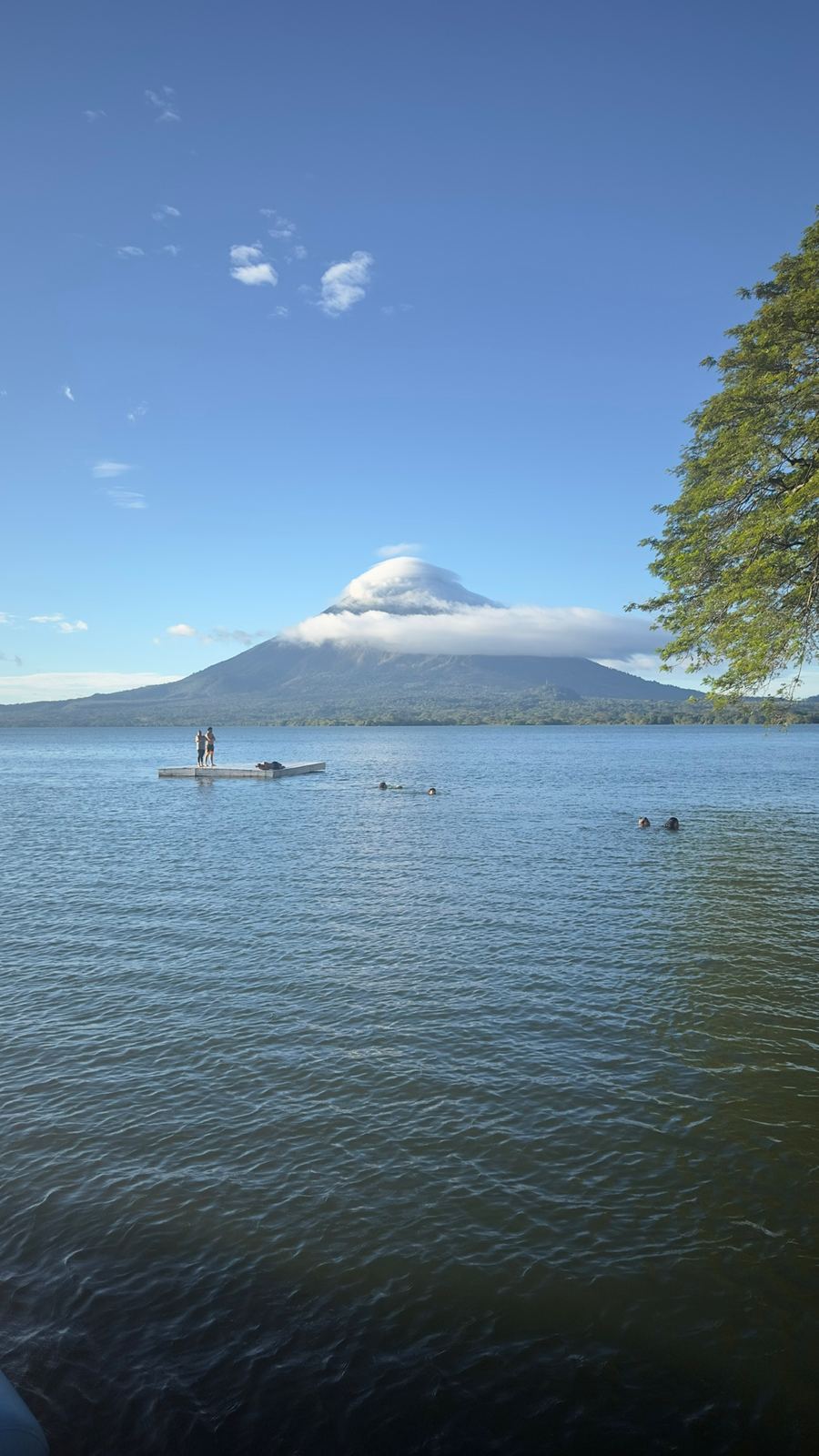
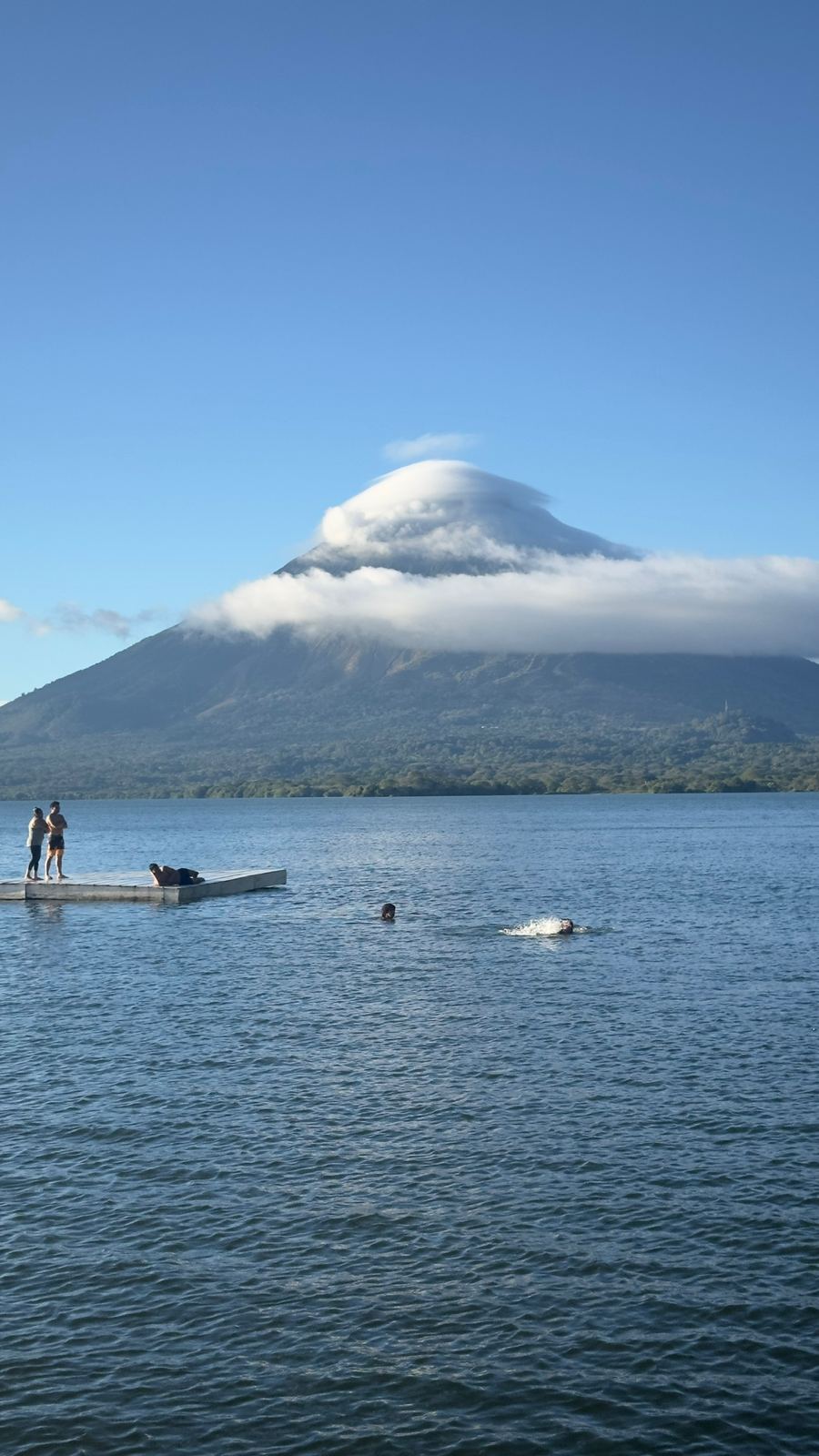
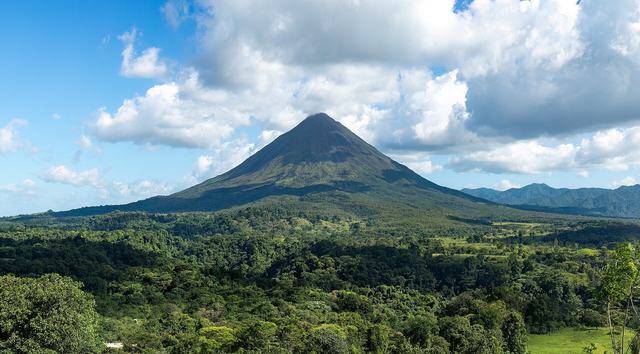
Ometepe's twin volcanoes rising from Lake Nicaragua, and a coastline that still feels undiscovered.

We’ve been hereVolcanoesColonial townsValue
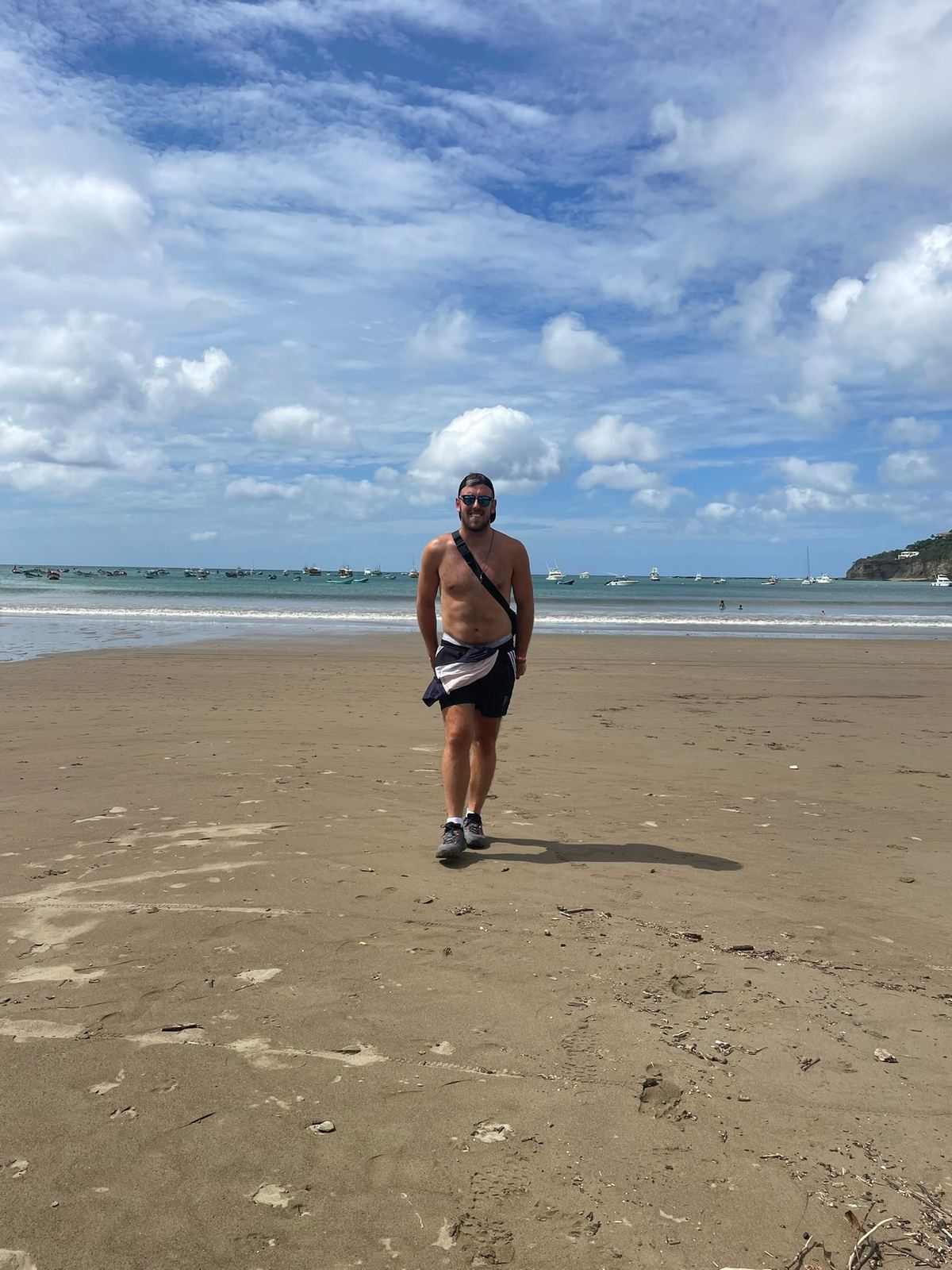
Photo: Si & Beth
Journey13h 20m with a stopfrom London Heathrow
Time6 hours behind the UK in winter, 7 hours in summer
Typical stay7 to 10 nights
CurrencyNicaraguan córdoba (C$); US dollars widely accepted in tourist areas
How we book itBuilt by us

Is it right for you?

Who Nicaragua suits

A strong fit for

Adventure, volcanoes and travellers who want somewhere less obvious.

We would think twice for

Travellers who need resort infrastructure and instant comfort, because Nicaragua is the raw version of Central America, and its rewards go to those happy with simpler hotels and looser plans.

What we would want you to know

Internal transport is slower than the map suggests, so build in the time.

We’ve been here

Our Nicaragua runs in a tight triangle: colonial Granada, the two volcanoes of Ometepe, where we were at both Moyogalpa and Altagracia, and the surf bay of San Juan del Sur. They sit close together on the map, yet the ferry and the island roads take longer than they look, which is why we give Ometepe more nights than most people expect. León, Masaya and the Corn Islands come from research.

The route

Lake, island, surf and a crater lake to finish

  1. Nights 1 to 3

    Granada

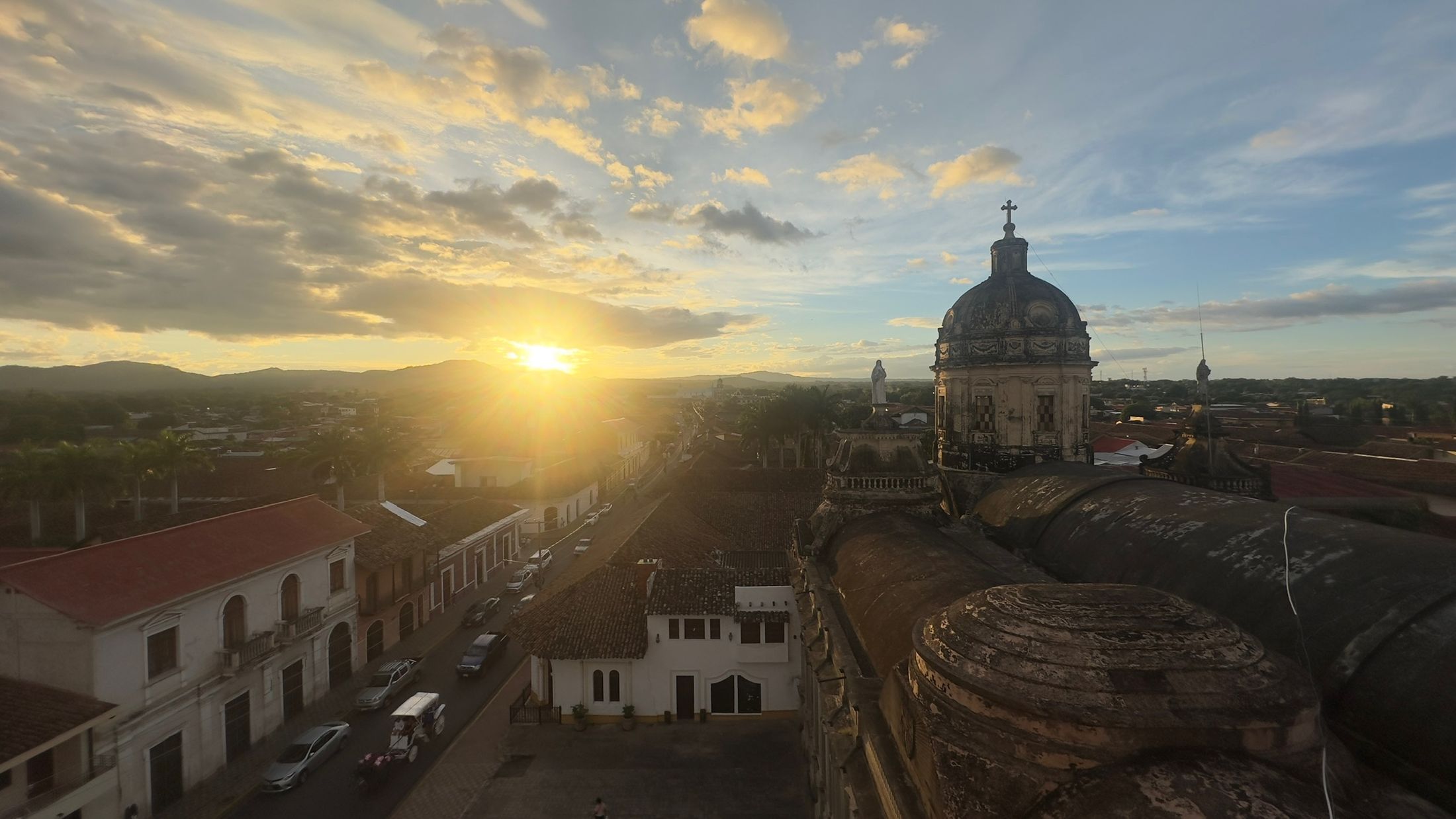
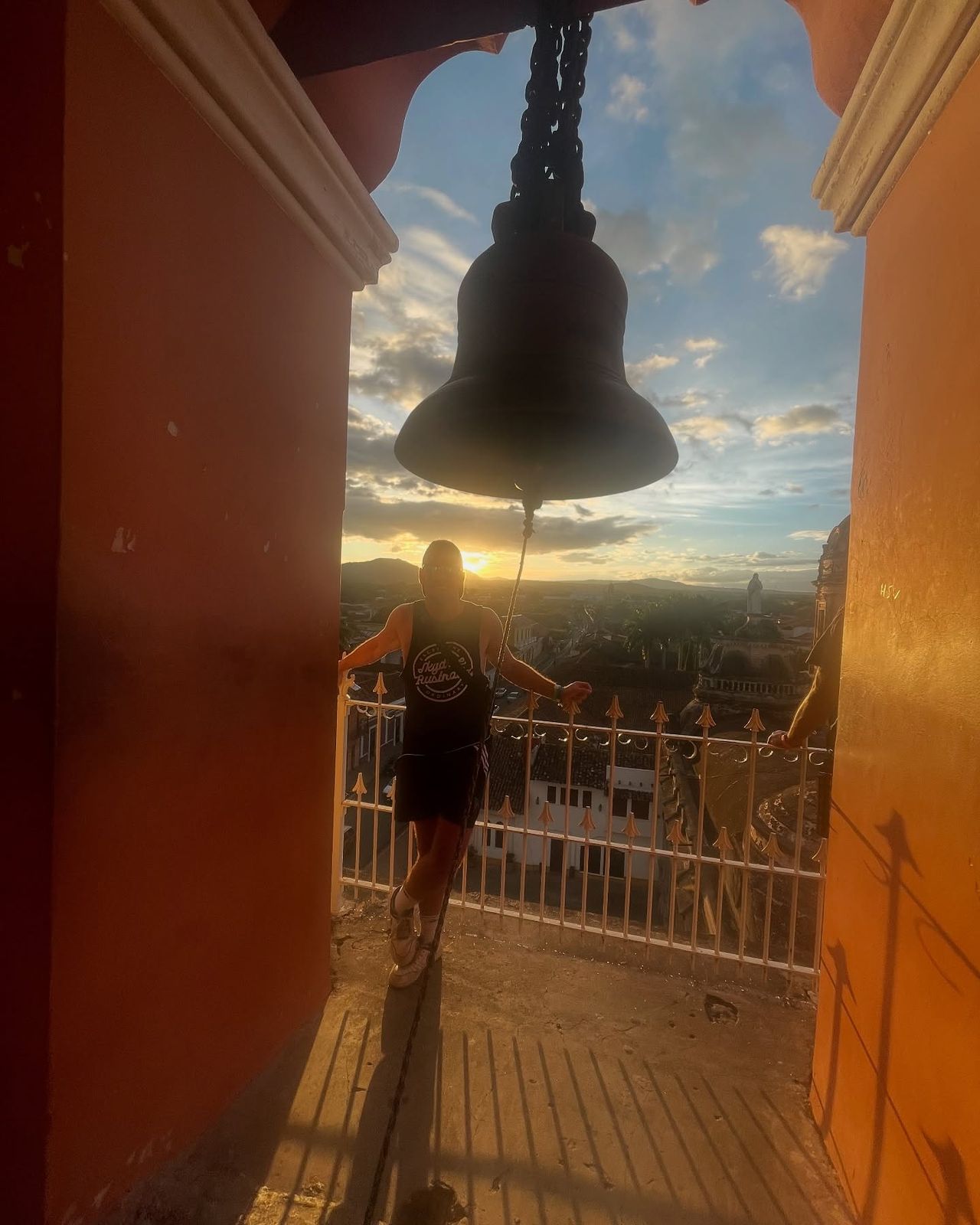
    Drive from Managua airport to Granada. Walk the old town early and late, climb the bell tower of La Merced for the view over the roofs, and spend a morning among Las Isletas by boat. Keep one evening free for the Masaya volcano, if the park is open.

  2. Nights 4 to 6

    Ometepe

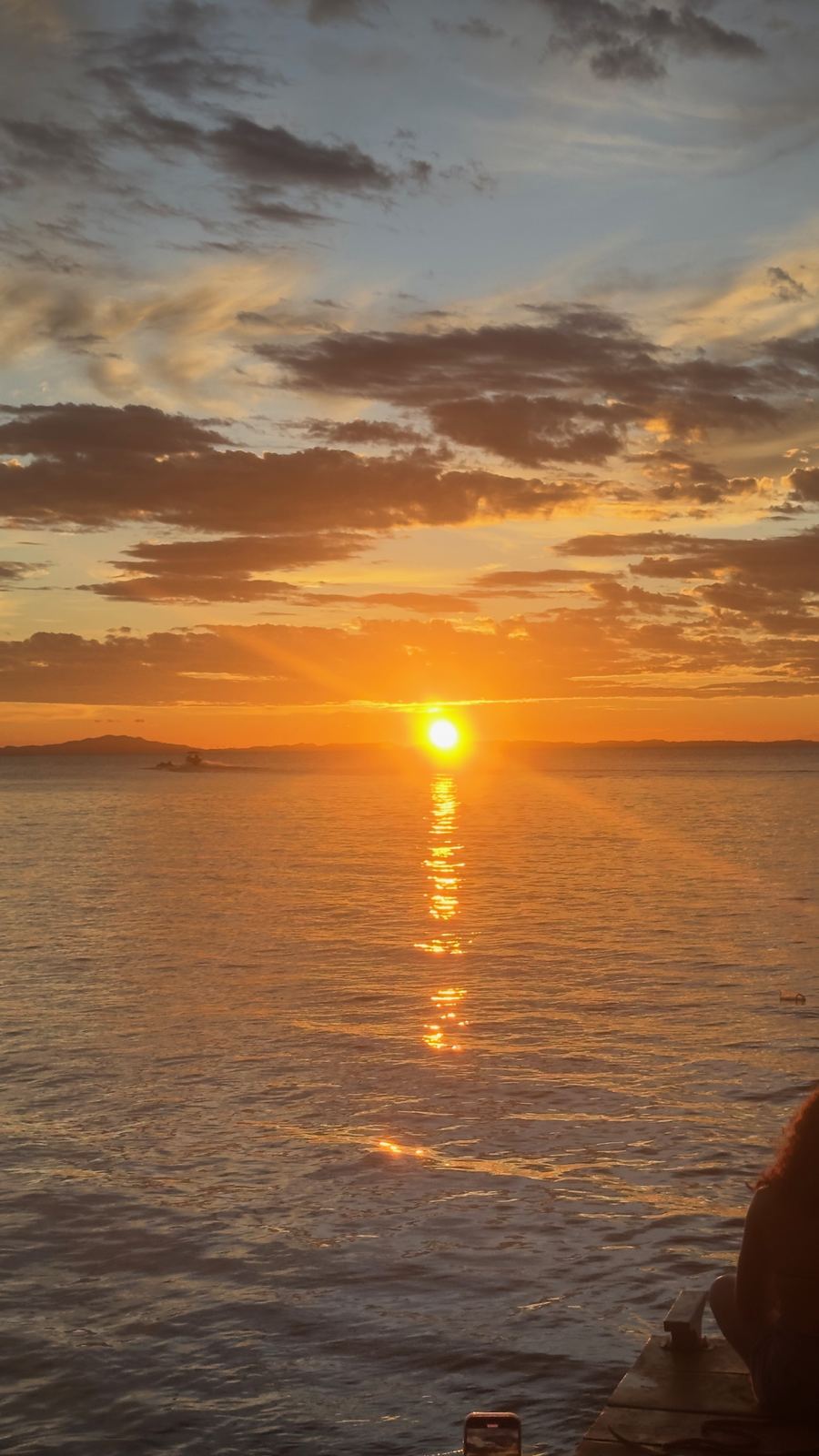
    A driver takes you to San Jorge for the morning ferry to Moyogalpa. Move round the island by scooter or with a driver: the spring pool at Ojo de Agua, the statues and carvings around Altagracia, a guided climb on Maderas and sunset on the sandbar at Punta Jesús María.

  3. Nights 7 to 9

    San Juan del Sur

    Ferry back to the mainland and drive to the Pacific for surf lessons, beach days and sunset from the Christ statue above the bay. From August to December, a guided night at La Flor may bring nesting turtles.

  4. Nights 10 and 11

    Laguna de Apoyo

    Finish with two slow days on the crater lake, swimming and kayaking in warm, clear water, within easy reach of Managua airport for the flight home.

An idea to react to, not a fixed package. We shape the real thing around your dates, your pace and what the flights are doing that season.

Map and stops

The places on the route

1

Granada

Colonial streetsLake tripsFirst nights

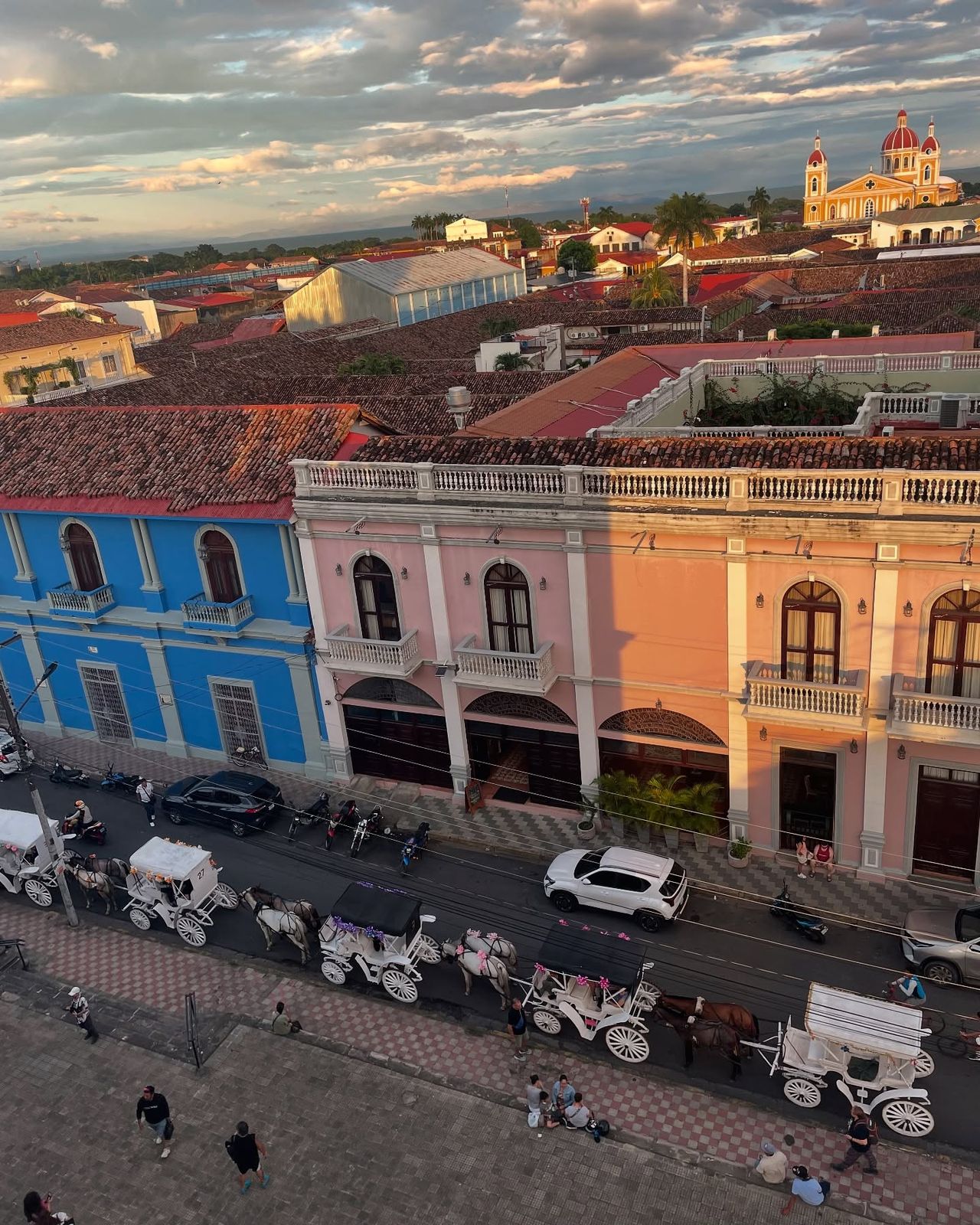
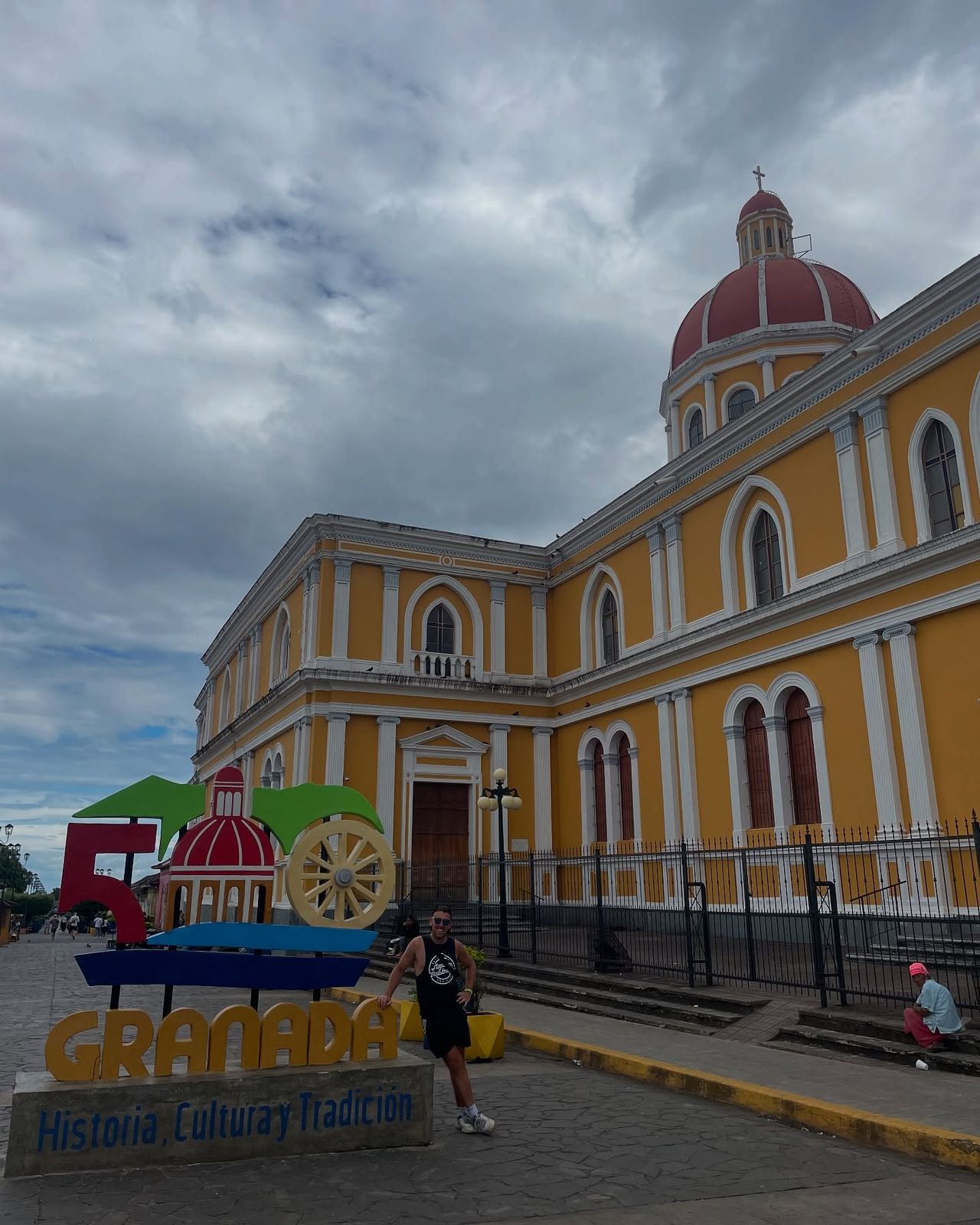
Founded in 1524 on the shore of Lake Nicaragua, Granada is a grid of colonial houses painted ochre, blue and red around a yellow cathedral, with horse-drawn carriages still working the streets. The pedestrian Calle La Calzada fills with tables in the evening. The centre is flat and walkable, but the midday heat is fierce, so a hotel with a pool and a shady courtyard makes a real difference.

2

Laguna de Apoyo

SwimmingKayakingQuiet nights

A crater lake between Granada and Masaya, ringed by forested walls, with clean, warm water for swimming and kayaking. A handful of small lodges sit on the shore at the bottom of a steep road. It makes a peaceful alternative to a city hotel and a good last stop before the airport, but evenings are very quiet and there is little within walking distance.

3

Ometepe

Volcano hikesScooter daysIsland calm

Two volcanoes rising out of Lake Nicaragua, joined by a low neck of land, with Moyogalpa as the ferry port and Altagracia as the quieter town on the other side of Concepción. Stays are mostly small lodges and farm stays, and the Maderas half is greener and wilder. Getting around means a scooter, bicycle or driver on roads that are only partly paved, and power and wifi can be erratic.

4

San Juan del Sur

SurfSunsetsBeach bars

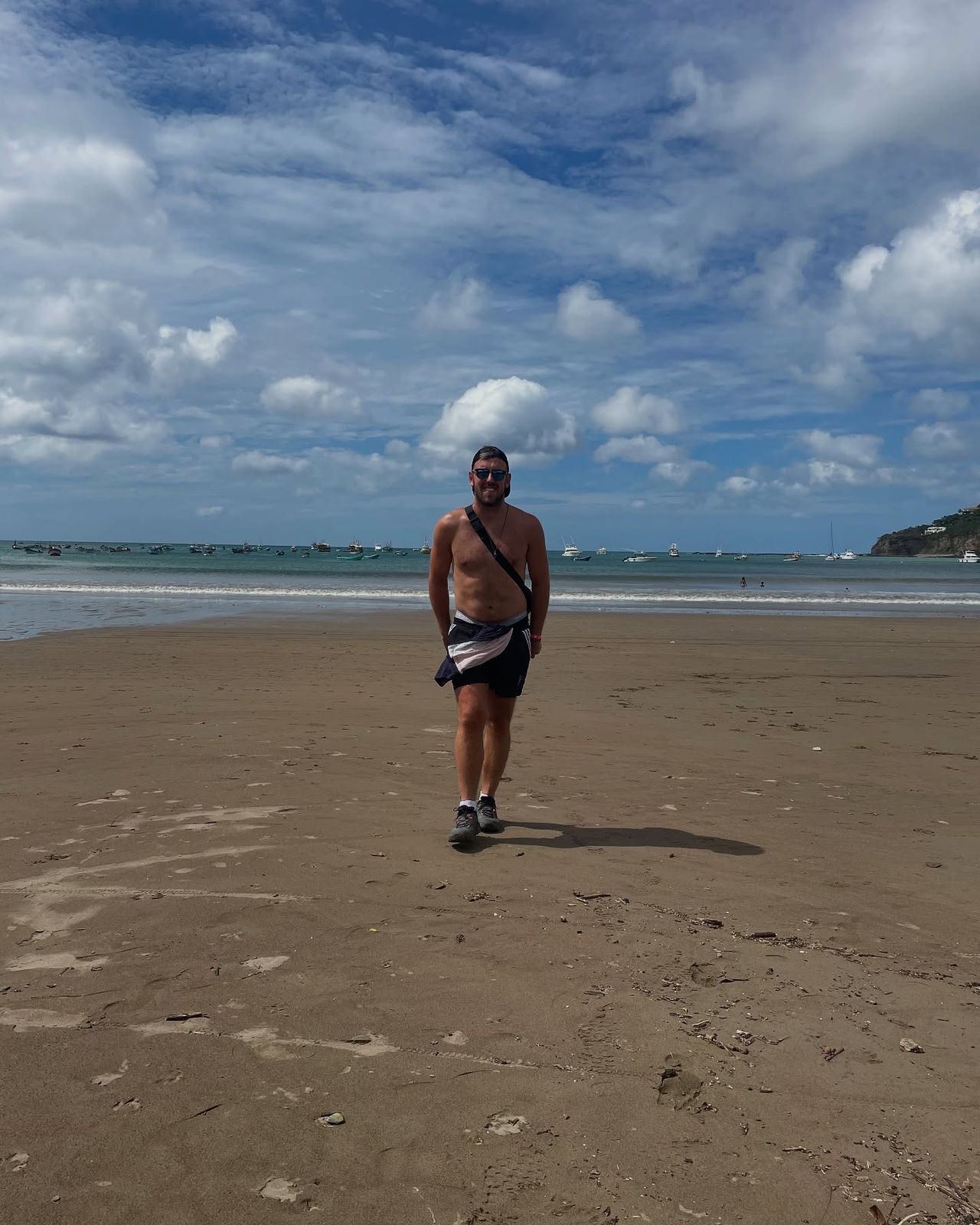
A small fishing town on a horseshoe bay that has grown into Nicaragua's liveliest beach base, with a statue of Christ watching from the northern headland. The town beach is calm enough for a swim, while the surf beaches lie north and south along dirt roads. Weekends and backpacker parties can make the centre loud, so couples wanting peace often stay in the hills or out at the surf beaches.

5

León

Revolutionary historyStudent lifeVolcano boarding

Granada's old rival, a university city of churches, murals and revolutionary history, with less polish and more everyday life. Its white cathedral is a UNESCO World Heritage Site, and the Maribios volcanoes on its doorstep offer some of the country's toughest hikes. León is hotter than Granada, and the Pacific beach at Las Peñitas is the usual escape from the heat.

6

Corn Islands

Reef snorkellingBarefoot island lifeCaribbean detours

Two small Caribbean islands far off the east coast, reached by a domestic flight from Managua to Big Corn and a small boat across to car-free Little Corn. Reefs, white sand and an English Creole culture feel a world away from the Pacific side. The crossing to Little Corn can be rough and wet, rain is heavier than in the west, and everything is simple.

Weather and seasons

When to go to Nicaragua

Nicaragua's Pacific side, home to Granada, Ometepe and San Juan del Sur, is dry from about December to April, but it is a hot, dusty kind of dry: April afternoons in Granada average 35°C, and León is hotter still. Strong winds off the lake blow for much of that season, giving surfers clean waves and roughening the afternoon boats to Ometepe. The rains arrive in May and turn the hills green, with September and October the wettest months (October averages 298mm), though July and August usually bring a drier break. Holy Week fills every Pacific beach with Nicaraguan families, so San Juan del Sur books up early for Easter, while the Corn Islands have a shorter, less reliable dry spell, roughly February to April.

Worth timing a trip around

March or April

Semana Santa on the Pacific coast

Holy Week is the country's big holiday, when Nicaraguan families pack the Pacific beaches, San Juan del Sur included, and buses and hotels fill. Book early, or plan Easter around Granada and Ometepe instead.

August to December

Olive ridley turtles at La Flor

Olive ridley turtles come ashore to nest at La Flor Wildlife Refuge, south of San Juan del Sur, sometimes in their thousands over a few nights. Visits are guided and at night, and nobody can promise a big arrival.

September to November

San Jerónimo festival, Masaya

Masaya's patron saint festival runs for weeks, with masked folk dances, marimba music and processions, and the satirical Torovenado parade in late October.

7 December

La Gritería

On the eve of the Immaculate Conception, crowds go from altar to altar calling out praise to the Virgin Mary, and households answer with sweets, fruit and small gifts. León's celebrations are the liveliest.

Daytime high to night-time low Sea temperature Rainfall
January: 5 mm of rainFebruary: 0 mm of rainMarch: 1 mm of rainApril: 8 mm of rainMay: 152 mm of rainJune: 165 mm of rainJuly: 103 mm of rainAugust: 153 mm of rainSeptember: 194 mm of rainOctober: 298 mm of rainNovember: 57 mm of rainDecember: 13 mm of rainJanuary: highs 33°C, lows 22°CFebruary: highs 33°C, lows 22°CMarch: highs 34°C, lows 23°CApril: highs 35°C, lows 25°CMay: highs 34°C, lows 25°CJune: highs 32°C, lows 24°CJuly: highs 33°C, lows 24°CAugust: highs 33°C, lows 24°CSeptember: highs 33°C, lows 24°COctober: highs 32°C, lows 24°CNovember: highs 32°C, lows 23°CDecember: highs 32°C, lows 22°C33°22°J33°22°F34°23°M35°25°A34°25°M32°24°J33°24°J33°24°A33°24°S32°24°O32°23°N32°22°D
See the numbers
MonthHighLowRain
January33°C22°C5 mm
February33°C22°C0 mm
March34°C23°C1 mm
April35°C25°C8 mm
May34°C25°C152 mm
June32°C24°C165 mm
July33°C24°C103 mm
August33°C24°C153 mm
September33°C24°C194 mm
October32°C24°C298 mm
November32°C23°C57 mm
December32°C22°C13 mm

Temperatures are 2015 to 2024 averages from NOAA records for Managua Intl / Augusto Cesar Sandino Intl, 33 km away at 59 m. Rainfall is from the GPCC rain-gauge analysis (Deutscher Wetterdienst) for 2010 to 2019 and shows the typical (median) month, so one freak storm does not skew it.

Things to do

Things to do in Nicaragua

On the waterA

Las Isletas by boat

Hundreds of small islands, formed by an ancient eruption of Mombacho, lie in Lake Nicaragua just south of Granada. An hour or two by boat passes island homes, fishing families, herons and egrets; the late afternoon light is the kindest.

NatureB

Mombacho Volcano

A very steep road climbs the volcano above Granada to cloud forest trails around misty craters, with orchids, steaming vents and howler monkeys. Take a layer, because the top is far cooler than the town.

NatureC

Masaya Volcano after dark

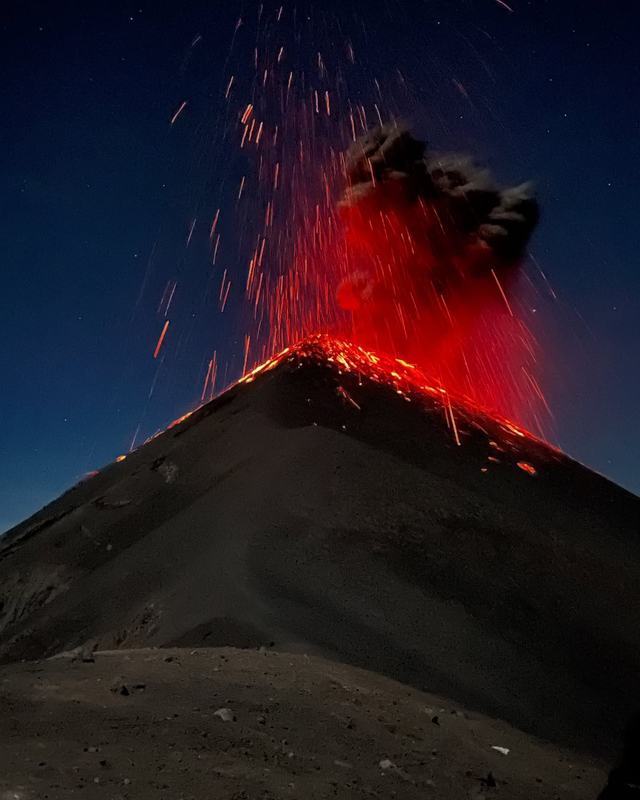
After dark you can drive almost to the rim of Santiago crater and, when conditions allow, look down on glowing lava. Visits are short because of the gas, and the park closes at short notice when activity rises, so treat it as a bonus rather than a promise.

Wellness

Ojo de Agua

A spring-fed natural pool in the forest near the neck of land between Ometepe's volcanoes, with clear, cool water that feels wonderful after a dusty scooter ride. Mornings are the quietest.

Adventure

Climbing Concepción or Maderas

Both of Ometepe's volcanoes must be climbed with a local guide. Maderas is a muddy scramble through cloud forest to a crater lagoon; Concepción, the near-perfect cone, is longer, steeper and exposed near the top, a full day for fit hikers only. Start at first light.

History

Ometepe's petroglyphs and statues

Pre-Columbian rock carvings of spirals, animals and figures are scattered across the island, with good groups on farms on the slopes of Maderas, and carved stone statues stand in the park beside Altagracia's church.

Sport

Surfing around San Juan del Sur

The beaches north and south of town, such as Maderas and Remanso, have steady waves and surf schools renting boards. Remanso's gentler break suits beginners; the town's own bay is for swimming rather than surfing.

CultureD

The Christ of Mercy viewpoint

A giant statue of Christ stands on the headland above San Juan del Sur, reached by a steep walk or a short drive, with the whole bay below. Go for sunset and expect a small entry fee at the gate.

AdventureE

Volcano boarding on Cerro Negro

Near León, a young volcano of black gravel is climbed on foot and then ridden down on a wooden board at speed. Protective suits are provided; it is hot, dusty and exhilarating, and best done in the morning.

HistoryF

León cathedral roof

Visitors can walk the whitewashed roof of León's cathedral among its small domes, with views to the volcanoes. Shoes come off to protect the surface, so wear socks and sunglasses, as the glare is intense.


Food and drink

What to eat and drink

  • Vigorón

    Granada's own street dish: boiled yuca and crisp pork crackling under a tangy cabbage salad, served on a banana leaf around the central park.

  • Nacatamal

    A big weekend tamale of maize dough with pork, rice, potato and mint, wrapped in plantain leaves and steamed, eaten for breakfast with black coffee.

  • Quesillo

    A warm tortilla wrapped round soft white cheese, topped with pickled onion and sour cream, traditionally sold in a plastic bag on the road between Managua and León.

  • Fried lake fish

    Whole guapote or tilapia from Lake Nicaragua, fried crisp and served with rice, salad and tostones, the classic lunch on Ometepe and along Granada's lakeshore.

  • Pinolillo

    A drink of toasted maize and cacao, stirred with water or milk. It is so bound up with national identity that Nicaraguans call themselves pinoleros.

  • Macuá

    White rum shaken with guava juice, lime and sugar, named after a tropical bird and chosen as the national cocktail.

Money

What Nicaragua costs

Day-to-day costs in Nicaragua are among the lowest in Central America, so the money is better spent on comfort and time than squeezed. A pool matters more than a view in Granada's heat, and a private driver who times the Ometepe ferry for you removes the most awkward link in the route. On the island a guide is required for either volcano, and staying on the quieter Maderas side puts you at the foot of the trails. Easter and Christmas are the weeks when prices jump.

Flights and transfers

Getting to Nicaragua from the UK

One or two stops from the UK, usually via Madrid or a US hub into Managua, and onward by road. Transfers are how Nicaragua works, and the distances between the highlights are mercifully short by regional standards.

Flights from UK airports

Managua Augusto C. Sandino International MGA

  • ManchesterWith a connection, about 16h 15m
  • London HeathrowWith a connection, about 13h 20m
  • London GatwickWith a connection, about 19h 08m

Liberia Guanacaste International (Costa Rica) LIR

  • ManchesterWith a connection, about 28h 45m
  • London HeathrowWith a connection, about 22h 15m
  • London GatwickWith a connection, about 30h 10m

Route check September 2026. Some routes are seasonal and schedules change, so we confirm the live options when we quote.

Practical details

Know before you go

Time

6 hours behind the UK in winter, 7 hours in summer

Currency

Nicaraguan córdoba (C$); US dollars widely accepted in tourist areas

Language

Spanish; English Creole and Miskito on the Caribbean coast

Plugs

Type A and B, 120V

Driving

On the right

Tap water

Not recommended for visitors; drink bottled or filtered water

Tipping

A 10 percent service charge is often added to restaurant bills; tip guides, boat crews and drivers separately

Entry for British passport holders

Visa. No visa needed for stays of up to 90 days. You may be refused entry without an onward ticket.

Passport. Valid for at least 6 months after you arrive.

Summarised from the FCDO travel advice on gov.uk, checked 29 September 2026. Rules change: read the current entry requirements and the full travel advice before you go.

Questions we get asked

Nicaragua FAQs

Is Nicaragua safe to visit?+

For most visitors, yes: the loop through Granada, Ometepe and San Juan del Sur is well travelled, and crime against tourists is mostly petty theft. The political climate since 2018 is the bigger consideration, so avoid demonstrations and political discussion, and read the latest FCDO advice before booking. Drones need prior permission, so leave them at home.

How do you get to Ometepe?+

By boat from San Jorge, near Rivas, to Moyogalpa on the island's west side. Car ferries and smaller launches cross several times a day and take about an hour. Go in the morning, because the wind often roughens the lake by afternoon, and pick the larger ferry if anyone is prone to seasickness. We can have a driver waiting at both ends.

How many nights do you need on Ometepe?+

Three at least, and four if you want to climb a volcano. The island is bigger than it looks, the roads are slow, and a volcano hike leaves little energy for anything else that day. You can split the stay between the Concepción side, near Moyogalpa or Altagracia, and the greener Maderas side, where the lodges are quieter.

Should we stay in Granada or León?+

Granada for a first visit: it is prettier and calmer, closer to Lake Nicaragua, Mombacho and Masaya, and has more choice of comfortable hotels. León is hotter, grittier and more political, a student city with murals, churches and volcano boarding nearby. With time for both, spend two nights in León before moving on to Granada.

Can you swim at San Juan del Sur?+

Yes, in the bay in front of town, which is sheltered and usually calm, though it is a working fishing harbour rather than a pristine beach. The open surf beaches north and south have powerful waves and rip currents, so swim where surf schools and other people are, and ask about the conditions before going in.

Can you cross from Nicaragua into Costa Rica by road?+

Yes. The main crossing is at Peñas Blancas, south of Rivas, which makes San Juan del Sur a natural link with the beaches of Guanacaste. Expect queues and paperwork on both sides and allow a few hours; we use drivers who meet you either side of the border.

Your world, your way

Thinking about Nicaragua?

Tell us roughly what you have in mind. We will compare the flights, hotels, routes and operators, explain the trade-offs and build the version that works for you.

Start your trip