
Costa Rica

Central & South America · Touring guide

Costa Rica

Wildlife, rainforest and coast, best approached as a route rather than one hotel.

We’ve been hereWildlifeFamiliesAdventure
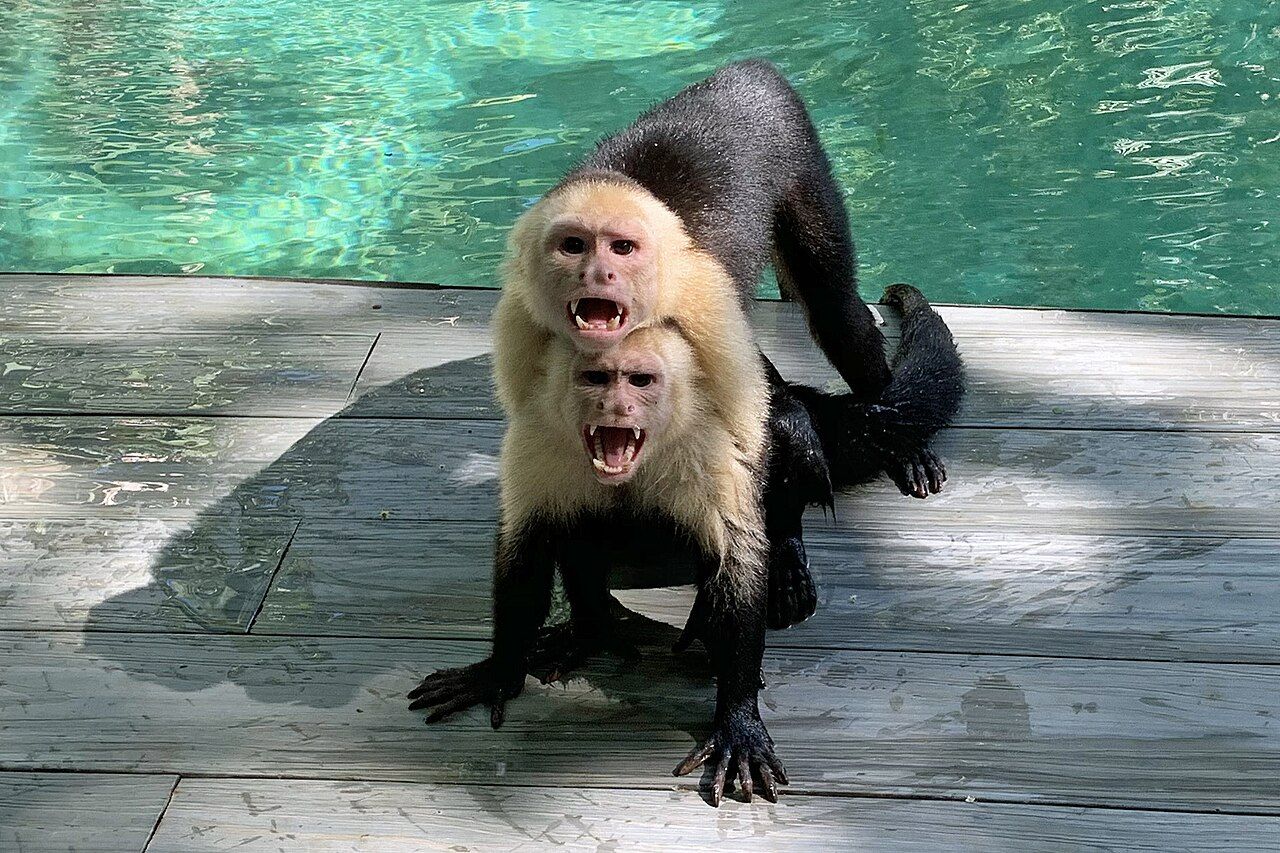
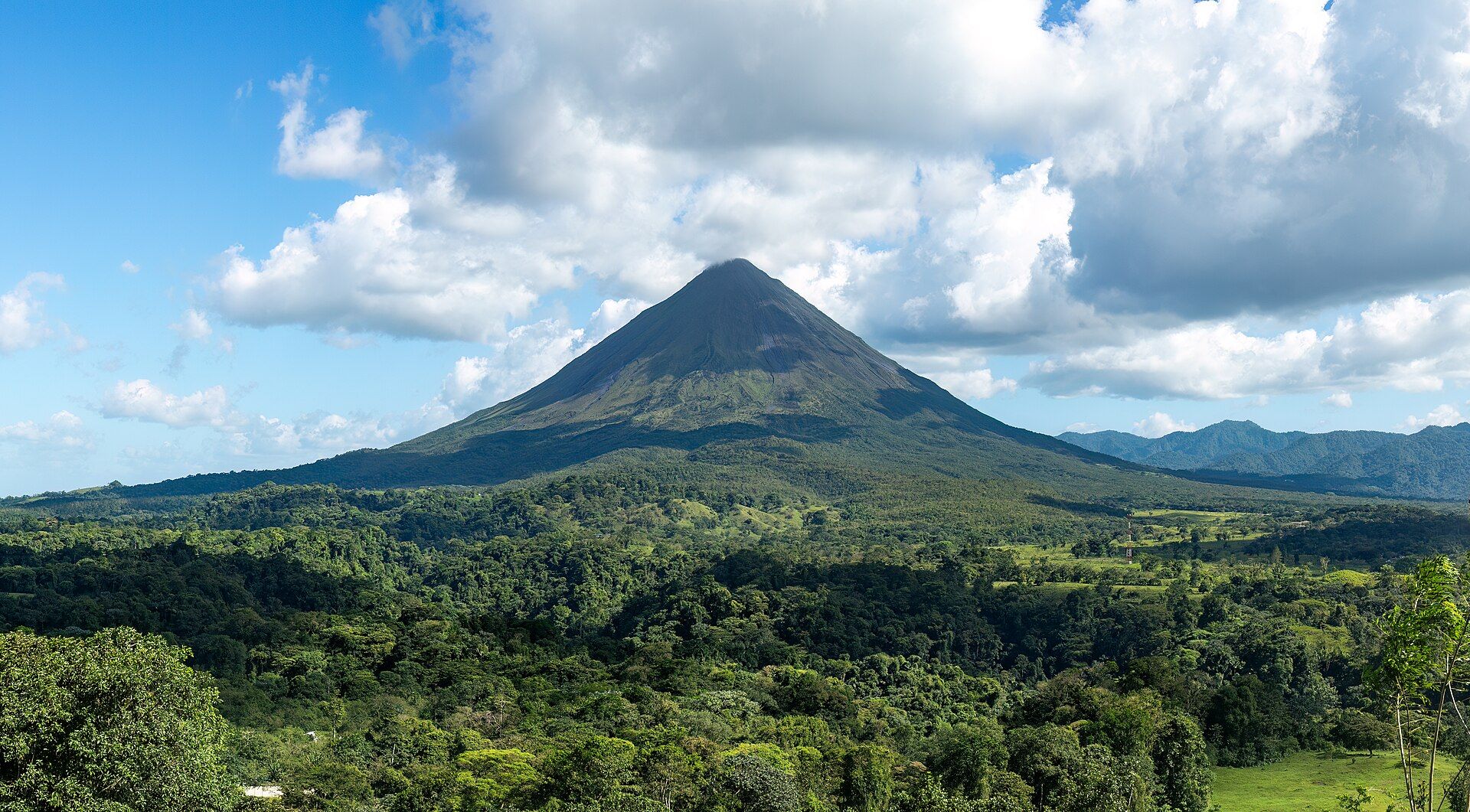
Photo: Rhododendrites, CC BY-SA 4.0 source
Flight11h 30m directfrom London Heathrow
Time6 hours behind the UK in winter, 7 hours in summer
Typical stay10 to 14 nights
CurrencyCosta Rican colón (₡); US dollars widely accepted
How we book itBuilt by us

Is it right for you?

Who Costa Rica suits

A strong fit for

Nature, adventure and families with older children.

We would think twice for

Travellers wanting polished beach resorts and predictable sunshine, because Costa Rica's weather is tropical and moody, and its best moments happen in rainforest rather than on sun loungers.

What we would want you to know

Road times and microclimates make rushed itineraries a mistake.

We’ve been here

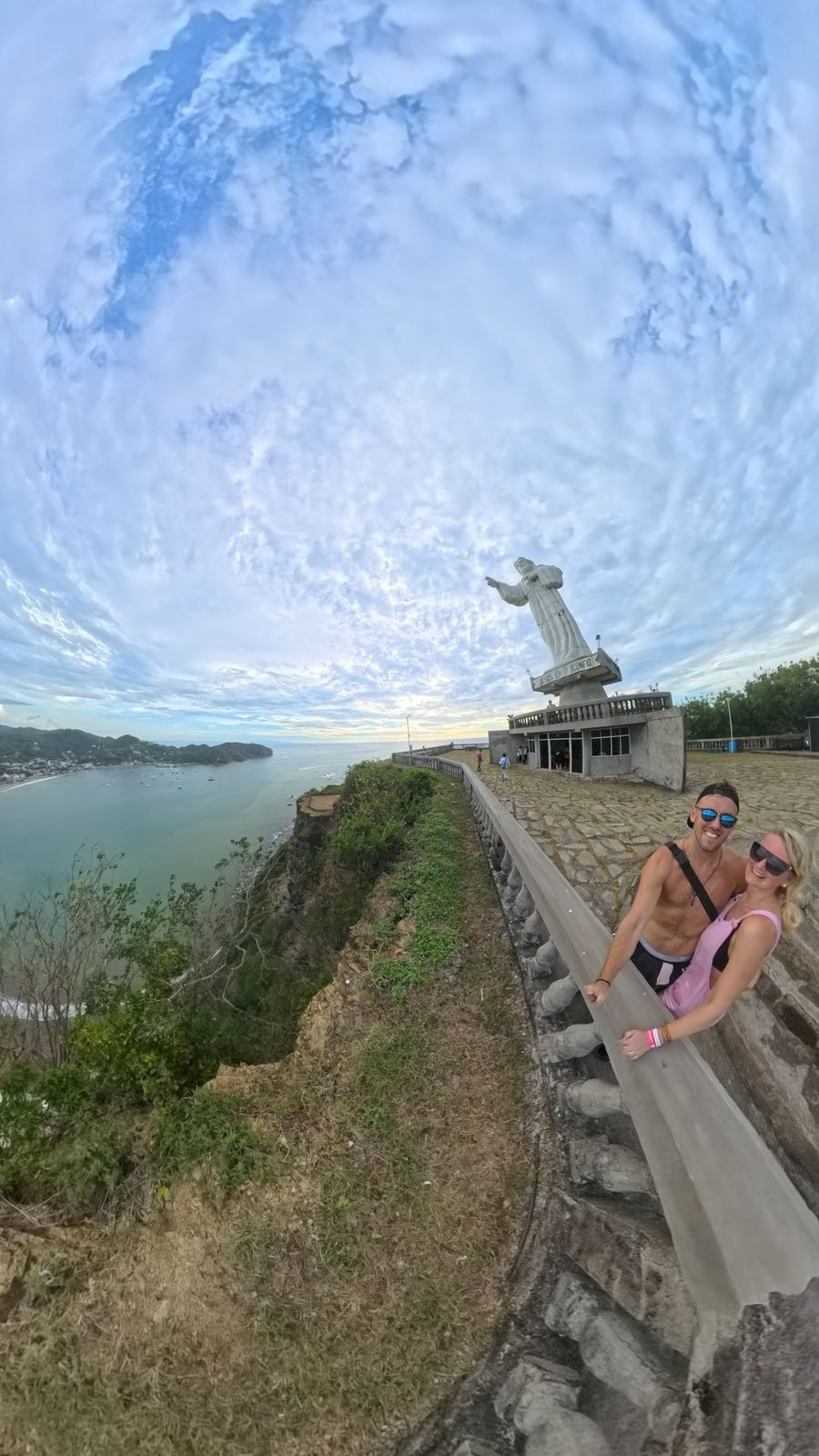
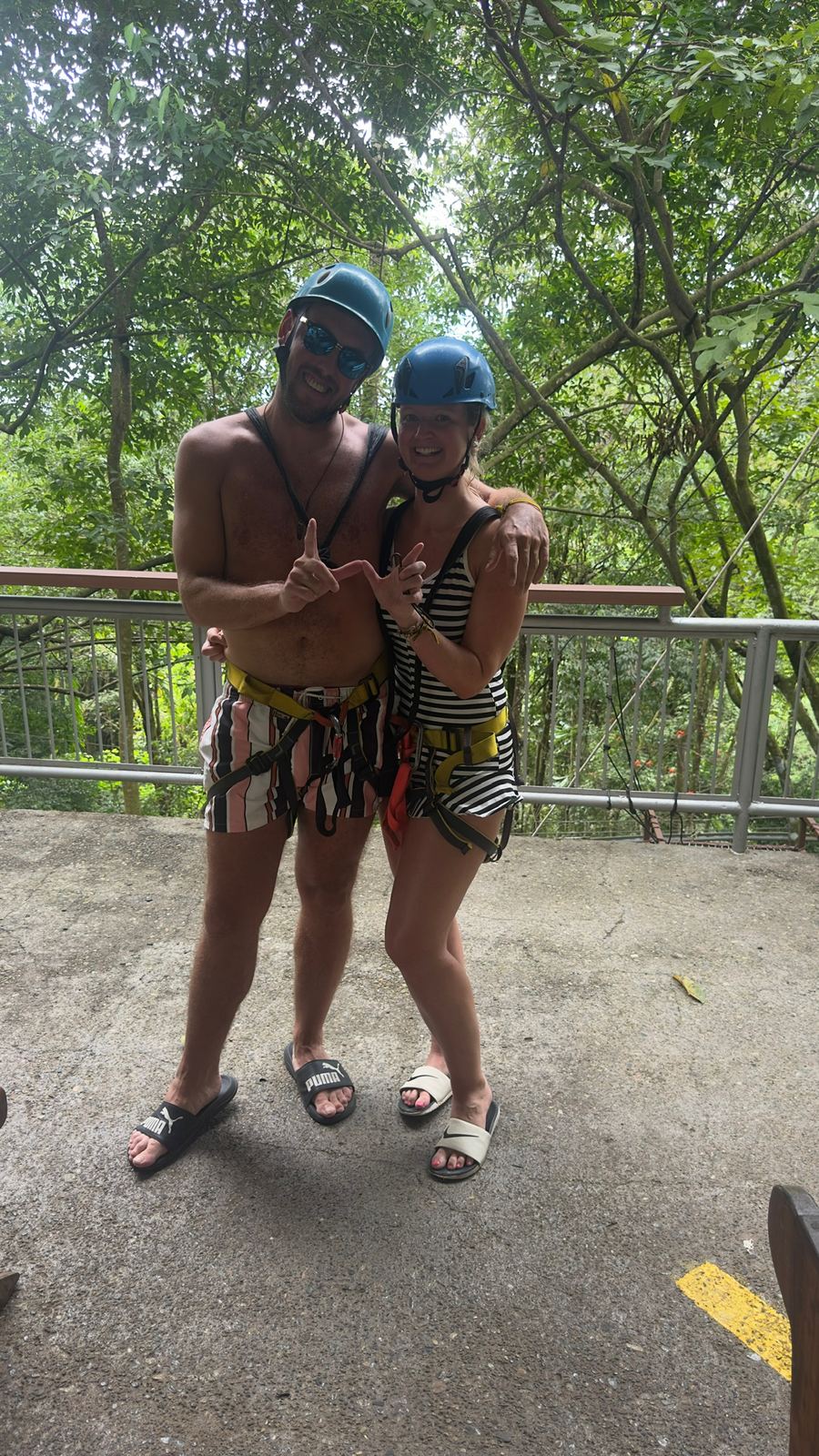
We have travelled in Costa Rica ourselves, and the lesson we brought home was about time. The map flatters the roads, so a route with fewer bases and longer stays gets far more out of the country than one that rushes to tick things off.

The route

Ten nights, three bases and room to breathe

  1. Night 1

    San José and the Central Valley

    Land, meet your driver or collect the car, and sleep near the airport rather than in central San José. A coffee farm visit fills the next morning if flights allow.

  2. Nights 2 to 4

    Arenal and La Fortuna

    Three nights around the volcano: a guided morning walk on the old lava trails, the hanging bridges, and an evening soak in the hot springs. Add rafting or canyoning for older children.

  3. Nights 5 and 6

    Monteverde

    Reach the cloud forest by road around Lake Arenal, or by jeep and boat across it. Walk a reserve early with a guide, and book a night walk for the first evening.

  4. Nights 7 to 10

    Manuel Antonio

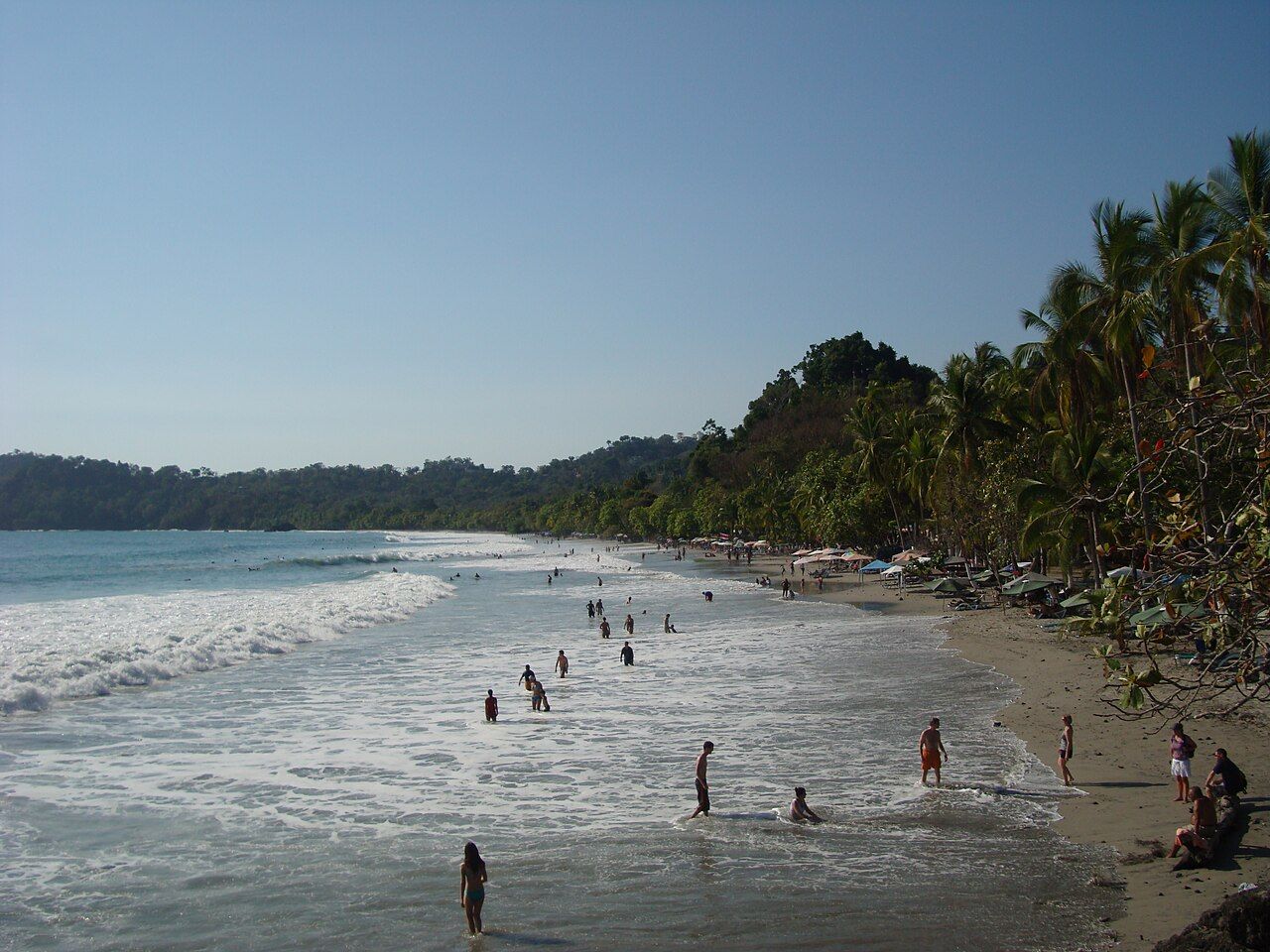
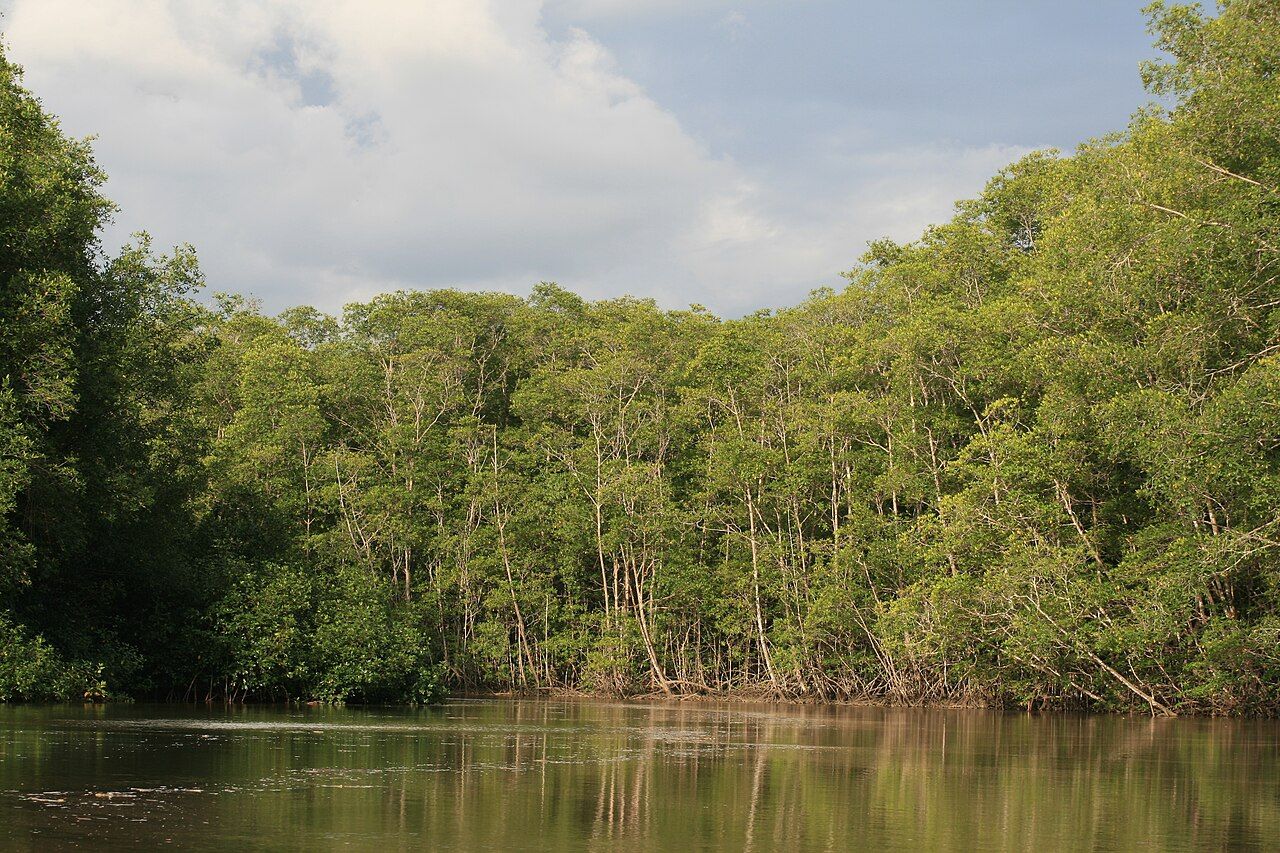
    Finish on the Pacific with an early guided walk in the national park, then beach days or kayaking in the mangroves. For a resort-style ending, swap this stop for the Guanacaste coast, closer to Liberia airport; from July to October, Tortuguero's turtles are the other tempting detour.

An idea to react to, not a fixed package. We shape the real thing around your dates, your pace and what the flights are doing that season.

Map and stops

The places on the route

1

San José and the Central Valley

Arrival nightsCoffee farmsVolcano views

The highland valley around the capital and the main airport, cooler and greener than the coasts, with coffee farms on the slopes. We use it for the first and last nights rather than as a destination, and staying near the airport in Alajuela avoids San José's rush-hour traffic.
2

Arenal and La Fortuna

Volcano viewsHot springsAdventure

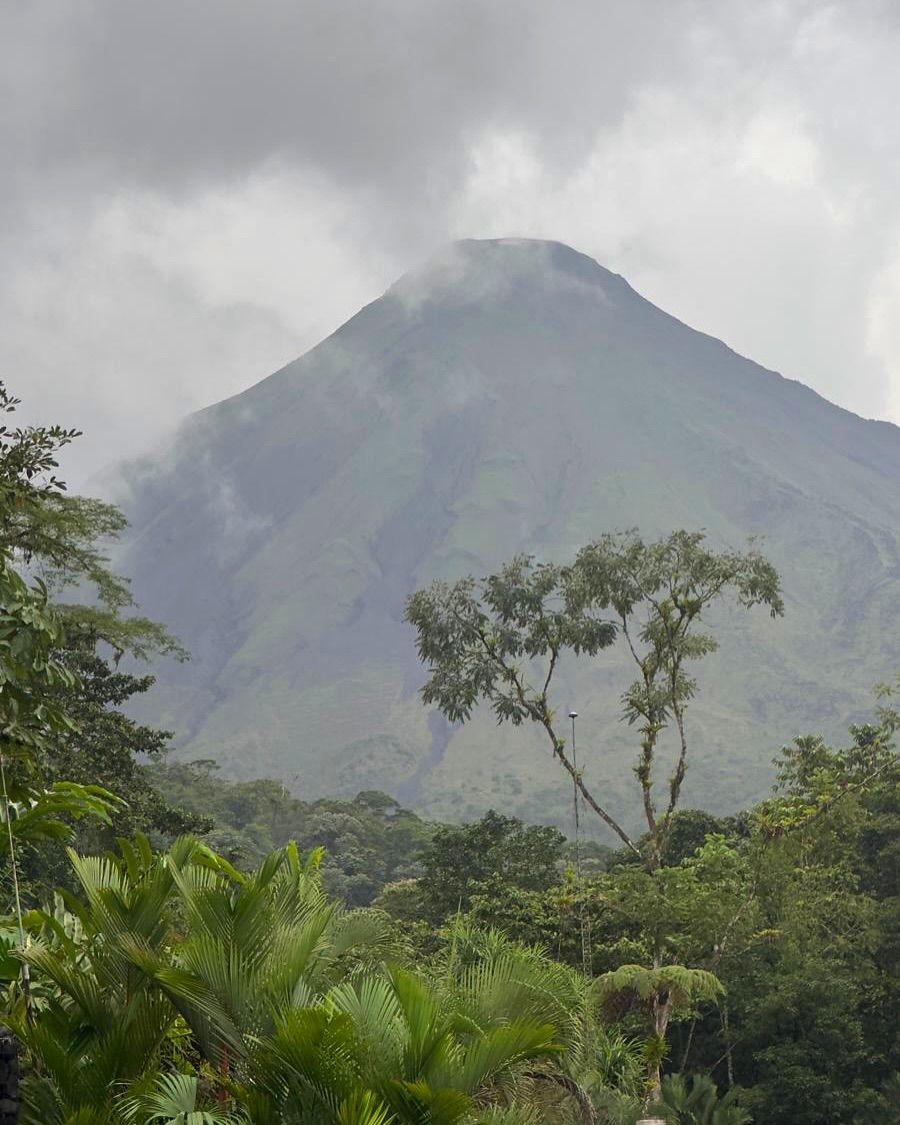
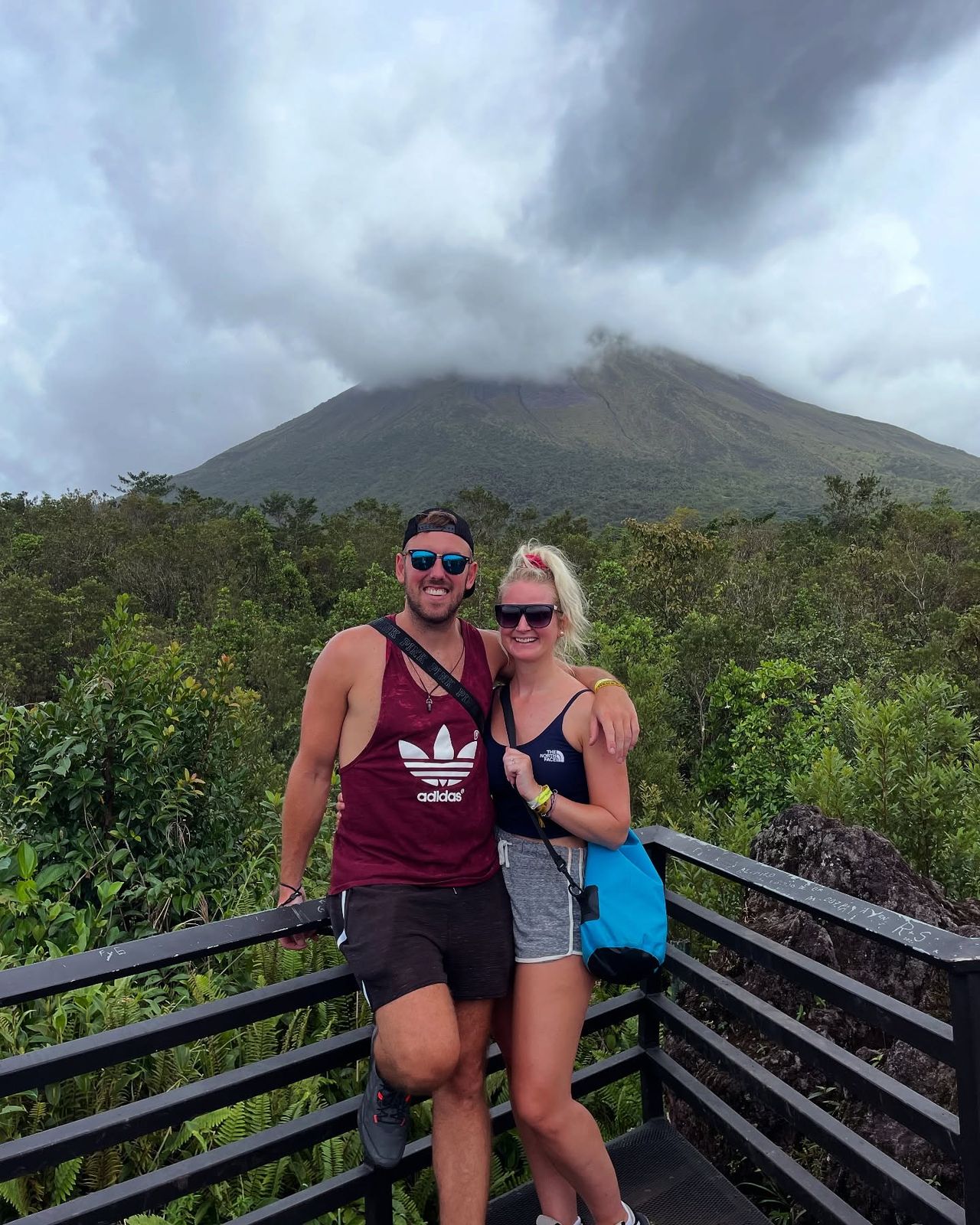
The town of La Fortuna sits beneath Arenal's cone, with hot springs, hanging bridges, waterfalls and every adventure sport going. It is the most rounded stop in the country and suits families. Cloud often hides the summit, and the area is geared to visitors, with prices to match.

3

Monteverde

Cloud forestNight walksBirdwatchers

A mountain community straddling the continental divide, with cloud forest reserves, hanging bridges and excellent night walks. Evenings are cool and often misty or windy. The road up is rough in places, and it is further from Arenal by road than the map suggests.

4

Manuel Antonio

Wildlife and beachFamiliesAn easy finish

A small national park where monkeys, sloths and white sand coves share the same trails, with hotels in the jungle hills between the park and Quepos. It is the classic finish for a first trip. It is busy in the dry season and the hill road is steep, so check hotel access if mobility is a concern.

5

Guanacaste coast

Beach resortsDry weatherSurfing

The dry north west, with the big beach resorts around the Papagayo peninsula and surf towns such as Tamarindo further south. It has the most reliable sunshine and is close to Liberia airport. The land turns brown in the dry season, and there is less wildlife drama than in the rainforest.

6

Tortuguero

TurtlesCanalsBirdlife

A village between canals and a wild Caribbean beach, reached only by boat or light aircraft. Lodges run boat trips along the canals for monkeys, caimans and birds, and turtles nest on the beach in season. It is humid and rainy, the sea is not for swimming, and two nights is usually enough.

Weather and seasons

When to go to Costa Rica

Costa Rica runs on two calendars. On the Pacific side, where most routes finish, December to April is dry, with March highs of 36°C in Guanacaste and almost no rain there in February; it is also the busiest and dearest time, especially at Christmas and Easter. The green season from May brings lush forests, lower prices and mornings that are often clear before afternoon storms, though September and October are the wettest, and October alone brings 352mm. The Caribbean side reverses the pattern, with September and October among its drier months, which makes it the answer for an autumn trip.

Worth timing a trip around

January

Fiestas de Palmares

Around two weeks of concerts, bull-running and horse parades in the town of Palmares, west of San José, drawing crowds from all over the country.

March

Día del Boyero

Brightly painted oxcarts, a symbol of the country's coffee-growing past, parade through Escazú on the western edge of San José.

14 and 15 September

Independence Day

On the evening of the 14th, children parade with handmade lanterns as the independence torch relay arrives in Cartago; the 15th brings school bands and parades.

December to April and July to November

Humpback whales at Marino Ballena

Humpbacks from both hemispheres visit the Pacific coast off Uvita at different times of year, and the park's sandbar forms the shape of a whale's tail at low tide.

Daytime high to night-time low Sea temperature Rainfall
January: 0 mm of rainFebruary: 0 mm of rainMarch: 3 mm of rainApril: 20 mm of rainMay: 244 mm of rainJune: 249 mm of rainJuly: 132 mm of rainAugust: 226 mm of rainSeptember: 293 mm of rainOctober: 352 mm of rainNovember: 114 mm of rainDecember: 17 mm of rainJanuary: highs 34°C, lows 20°CFebruary: highs 35°C, lows 20°CMarch: highs 36°C, lows 21°CApril: highs 36°C, lows 21°CMay: highs 34°C, lows 23°CJune: highs 32°C, lows 22°CJuly: highs 33°C, lows 22°CAugust: highs 33°C, lows 22°CSeptember: highs 32°C, lows 22°COctober: highs 31°C, lows 22°CNovember: highs 32°C, lows 21°CDecember: highs 33°C, lows 20°CJanuary: sea 28°CFebruary: sea 28°CMarch: sea 28°CApril: sea 29°CMay: sea 29°CJune: sea 29°CJuly: sea 29°CAugust: sea 29°CSeptember: sea 29°COctober: sea 28°CNovember: sea 28°CDecember: sea 28°C34°20°J35°20°F36°21°M36°21°A34°23°M32°22°J33°22°J33°22°A32°22°S31°22°O32°21°N33°20°D
See the numbers
MonthHighLowSeaRain
January34°C20°C28°C0 mm
February35°C20°C28°C0 mm
March36°C21°C28°C3 mm
April36°C21°C29°C20 mm
May34°C23°C29°C244 mm
June32°C22°C29°C249 mm
July33°C22°C29°C132 mm
August33°C22°C29°C226 mm
September32°C22°C29°C293 mm
October31°C22°C28°C352 mm
November32°C21°C28°C114 mm
December33°C20°C28°C17 mm

Temperatures are 2015 to 2024 averages from NOAA records for Daniel Oduber Quiros Intl, 46 km away at 82 m. Rainfall is from the GPCC rain-gauge analysis (Deutscher Wetterdienst) for 2010 to 2019 and shows the typical (median) month, so one freak storm does not skew it. Sea temperatures: NOAA OISST, 1991 to 2020.

Things to do

Things to do in Costa Rica

NatureA

Arenal Volcano National Park

Trails cross old lava flows and young forest below the cone, with views over Lake Arenal. The volcano has been quiet since 2010, so this is about scenery rather than glowing lava.

Wellness

Hot springs around La Fortuna

Volcanically heated rivers and pools, from free roadside spots to landscaped resorts selling day passes. An evening soak is the ideal end to a day of walking.

NatureB

Monteverde Cloud Forest Reserve

Moss-draped trees, orchids and the chance of a resplendent quetzal, best seen on a guided walk at opening. Book the guide the day before, because the good ones go early.

Wildlife

A guided night walk

After dark the forest belongs to tree frogs, tarantulas, roosting birds and the odd sloth on the move. Children love it; pack a torch and closed shoes.

WildlifeC

Manuel Antonio National Park

Trails lead through forest full of capuchin and squirrel monkeys and sloths to white sand coves. Tickets are sold online only and the park closes one day a week, so book ahead and go at opening with a guide.

Adventure

Rafting the Pacuare River

The Pacuare runs through a rainforest gorge on the Caribbean slope, with class III and IV rapids and waterfalls on the banks. Minimum ages apply, and gentler rivers near La Fortuna suit younger children.

NatureD

Río Celeste

A river turned vivid blue by minerals, reached on a forest trail in Tenorio Volcano National Park. After heavy rain the colour fades to grey, so it is best in the drier months.

On the waterE

Tortuguero's canals

Early-morning boat trips through the canals bring caimans, monkeys and herons, while green turtles nest on the beach from roughly July to October. Night turtle walks are guided and strictly controlled.

Food

A coffee farm tour

Farms on the volcanic slopes of the Central Valley show how coffee goes from cherry to cup, with a tasting at the end. A good way to fill a first or last morning near the airport.

Food and drink

What to eat and drink

  • Gallo pinto

    Rice and black beans fried together with onion, pepper and coriander, the national breakfast, usually with eggs, plantain and sour cream.

  • Casado

    The everyday lunch plate of rice, beans, salad, fried plantain and a choice of meat or fish. Sodas, the small family cafés, serve the best-value versions.

  • Salsa Lizano

    A tangy brown sauce on every table, splashed over gallo pinto and eggs. Plenty of visitors take a bottle home.

  • Chifrijo

    A bar snack of rice, beans, crisp pork and pico de gallo, scooped up with tortilla chips. Its name joins chicharrón and frijoles.

  • Café chorreado

    Coffee brewed the traditional way, poured through a cloth sock hung on a small wooden stand.

  • Guaro

    A clear sugar cane spirit, usually mixed into a guaro sour with lime and soda. Cheap, clear and easy to underestimate.

Money

What Costa Rica costs

Costa Rica costs more than most people expect, closer to North American prices than Latin American ones, and lodges in the best wildlife settings price their location accordingly. Where to spend: a private guide on the first walk at each stop, because a guide with a telescope finds the sloths and vipers you would walk straight past. A hire car is cheaper than private transfers, but only for confident drivers; otherwise shared shuttles are the value option.

Flights and transfers

Getting to Costa Rica from the UK

One stop from the UK, commonly via Madrid or a US hub, into San José. The country then works as a circuit by road: distances look small on the map and take longer than they look, which is why we plan drive times as carefully as hotels.

Flights from UK airports

San José Juan Santamaría International SJO

  • ManchesterWith a connection, about 13h 50m
  • London HeathrowDirect, about 11h 30m
  • London GatwickWith a connection, about 14h 45m

Liberia Guanacaste International LIR

  • ManchesterWith a connection, about 28h 45m
  • London HeathrowWith a connection, about 22h 15m
  • London GatwickWith a connection, about 30h 10m

Route check September 2026. Some routes are seasonal and schedules change, so we confirm the live options when we quote.

Practical details

Know before you go

Time

6 hours behind the UK in winter, 7 hours in summer

Currency

Costa Rican colón (₡); US dollars widely accepted

Language

Spanish; English widely spoken in tourism

Plugs

Type A and B, 120V

Driving

On the right

Tap water

Safe to drink in most towns, including San José; stick to bottled in remote areas

Tipping

A 10 percent service charge is added to restaurant bills by law; guides and drivers are usually tipped separately

Entry for British passport holders

Visa. No visa needed for tourist stays of up to 180 days, with the exact period set by the officer on arrival.

Passport. Valid for at least 1 day after you leave.

Summarised from the FCDO travel advice on gov.uk, checked 29 September 2026. Rules change: read the current entry requirements and the full travel advice before you go.

Questions we get asked

Costa Rica FAQs

How many days do you need in Costa Rica?+

Ten to fourteen nights for a first visit. That allows three bases, such as Arenal, Monteverde and the Pacific coast, with at least two nights in each and slack for the road journeys. With only a week, we would pick two stops rather than squeeze in a third.

Is the green season a good time to visit Costa Rica?+

Often, yes. From May to November the forests are at their greenest, prices drop and mornings are usually dry, with storms arriving in the afternoon. September and October are the wettest months on the Pacific side, so for those weeks we steer routes towards the Caribbean coast, which is drier then.

Do you need a 4x4 in Costa Rica?+

For some routes, yes. Main roads are paved, but stretches of the roads to Monteverde and many lodge tracks are steep and unsealed, and a 4x4 gives peace of mind in the green season. If you are not a confident driver, shared shuttles and private drivers link every main stop.

What age is best for a family trip to Costa Rica?+

From around seven or eight, children tend to get the most from it: they can manage the walks, enjoy spotting animals and usually meet the minimum ages for zip lines and rafting. Younger children are fine with a slower route and fewer bases, and the hot springs and Pacific beaches suit all ages.

Where are you most likely to see sloths?+

Manuel Antonio and the lowland forests around La Fortuna are reliable, and plenty of lodges have sloths in their gardens. They are hard to pick out high in the canopy, which is why a guide with a telescope makes all the difference.

Are Costa Rica's beaches safe for swimming?+

Take care. Many Pacific and Caribbean beaches have strong rip currents and few lifeguards. Swim in sheltered bays, such as the coves inside Manuel Antonio park or around the Papagayo peninsula, never swim alone, and ask locally before you go in.

Your world, your way

Thinking about Costa Rica?

Tell us roughly what you have in mind. We will compare the flights, hotels, routes and operators, explain the trade-offs and build the version that works for you.

Start your trip