
Time5 hours behind the UK in winter, 6 hours in summer
Typical stay7 to 14 nights
CurrencyMexican peso (MX$); US dollars accepted in resorts at poor rates
How we book itOperator package
Is it right for you?
Who Mexico’s Caribbean coast suits
A strong fit for
Families, adults-only and value-led long haul.
We would think twice for
Travellers seeking solitude on principle, because this is one of the most developed resort coasts on earth, and its quiet corners take money or effort to reach.
What we would want you to know
Resort scale and beach conditions vary along the coast.
We’ve been here
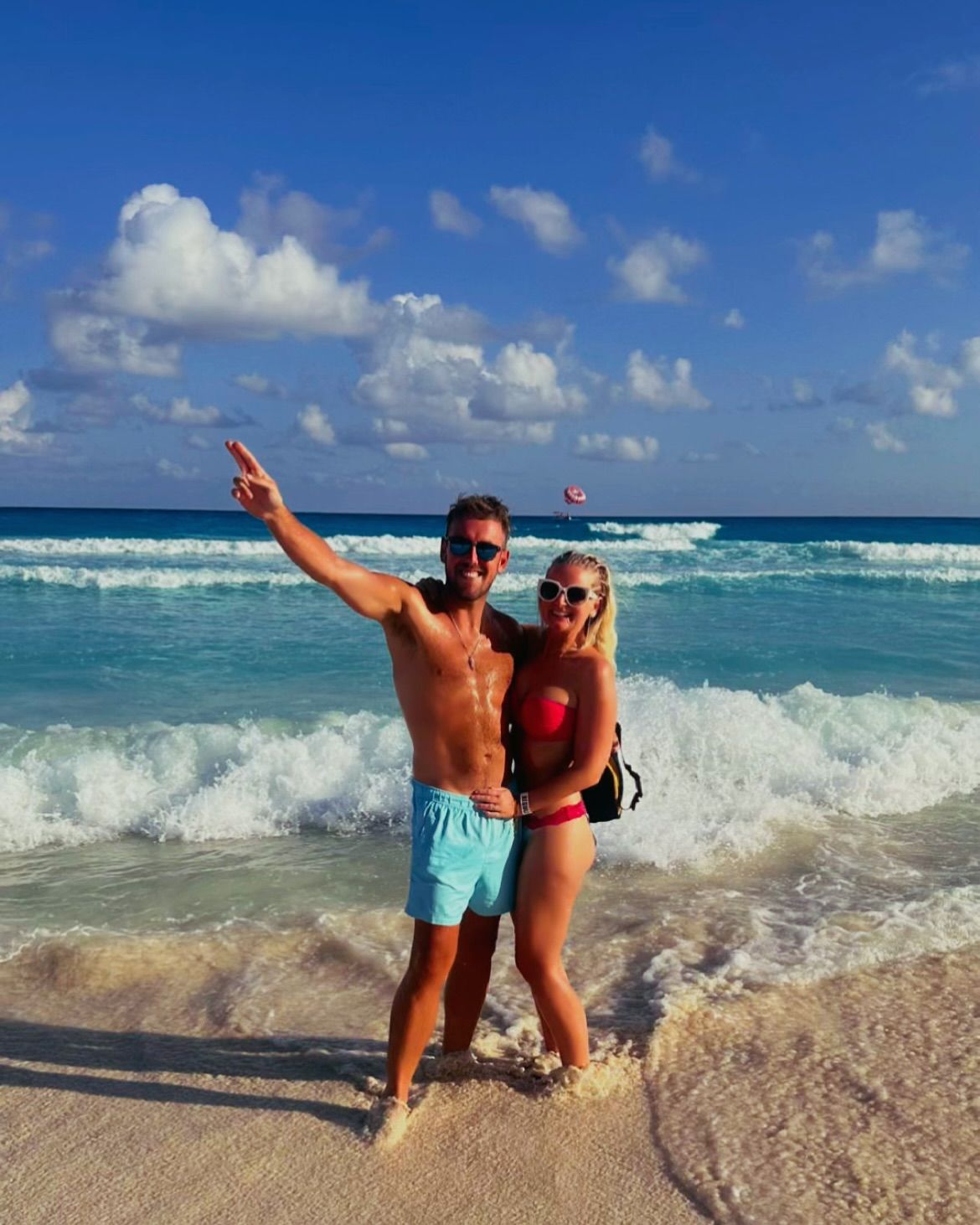
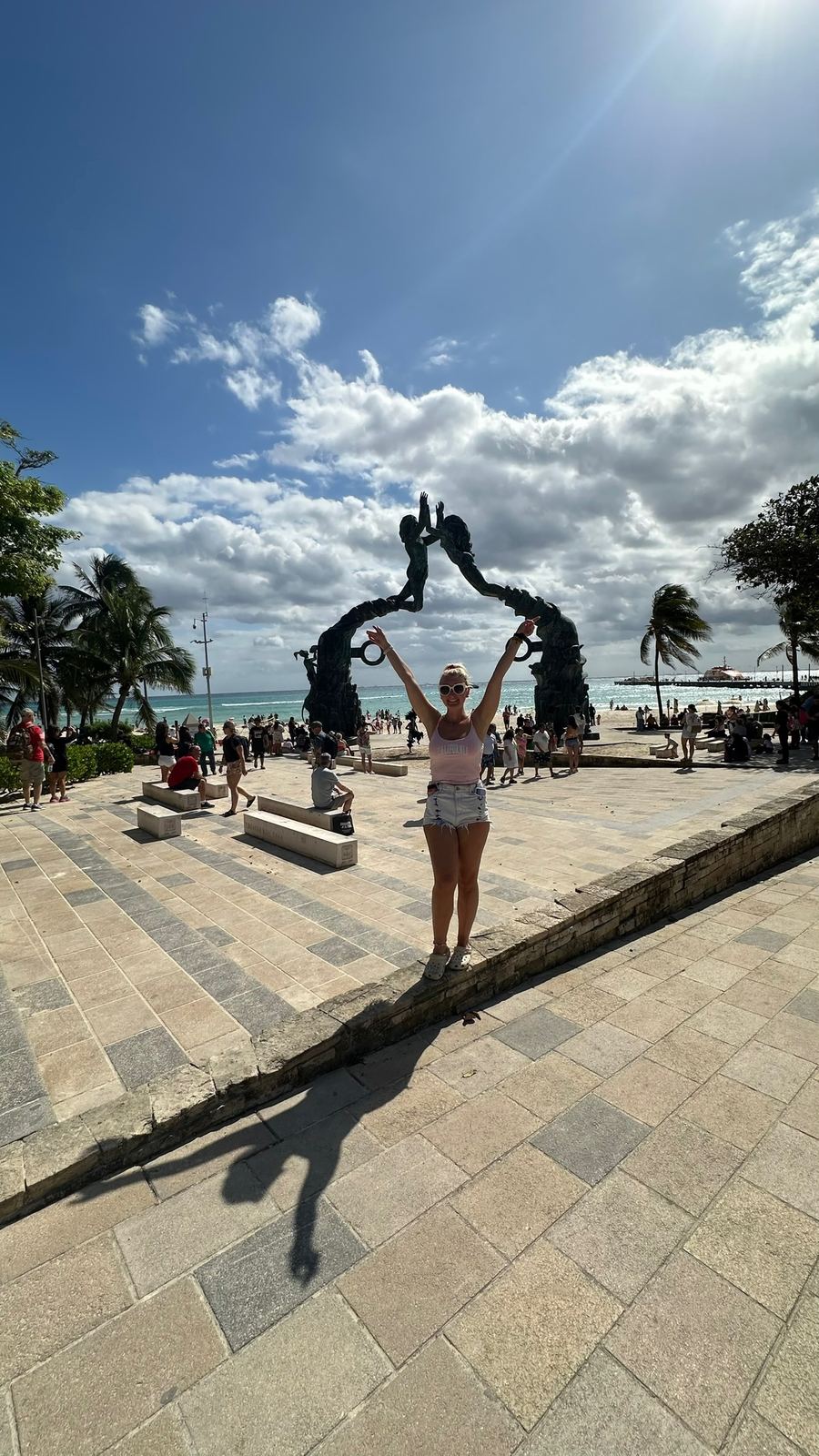
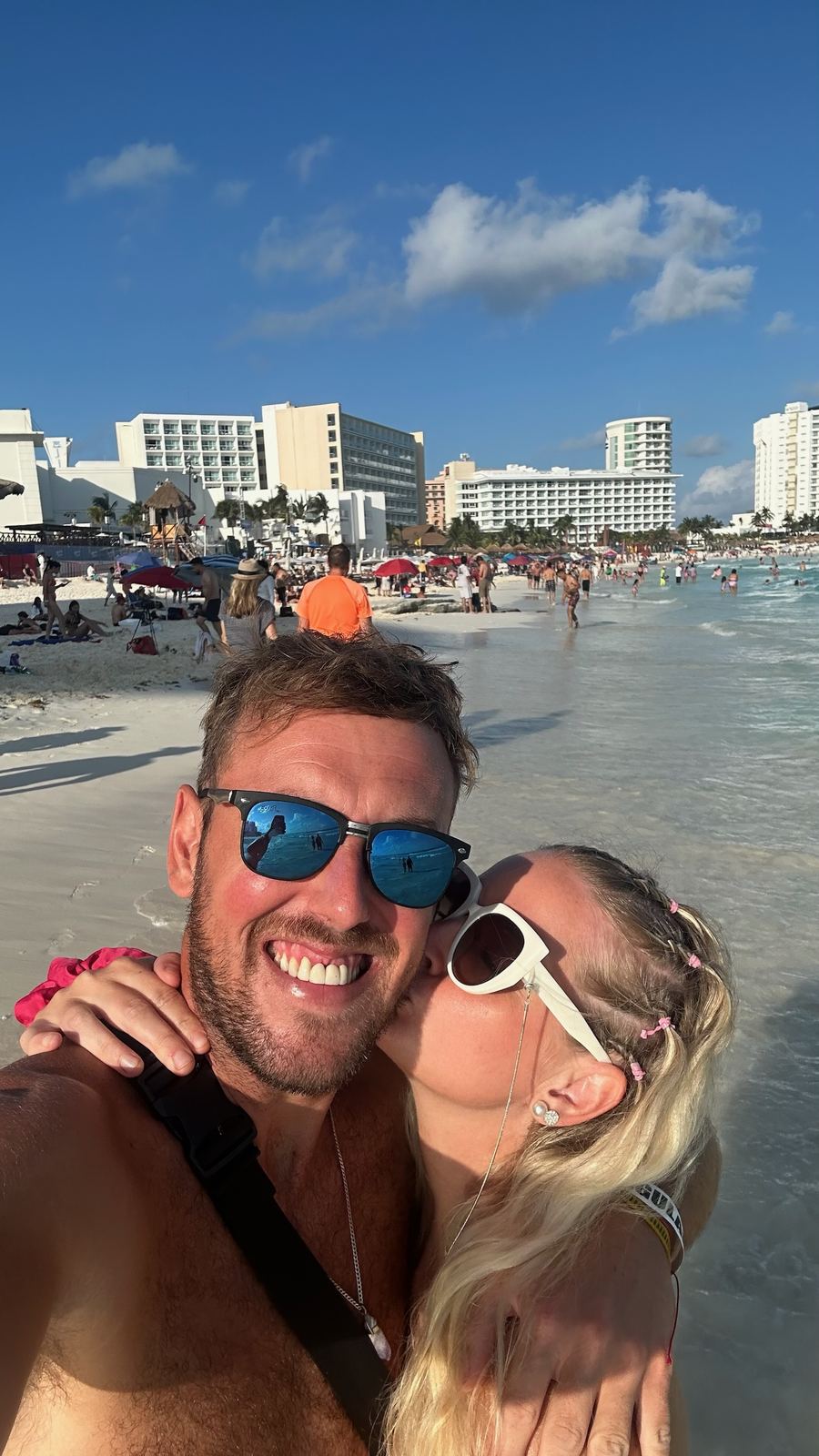
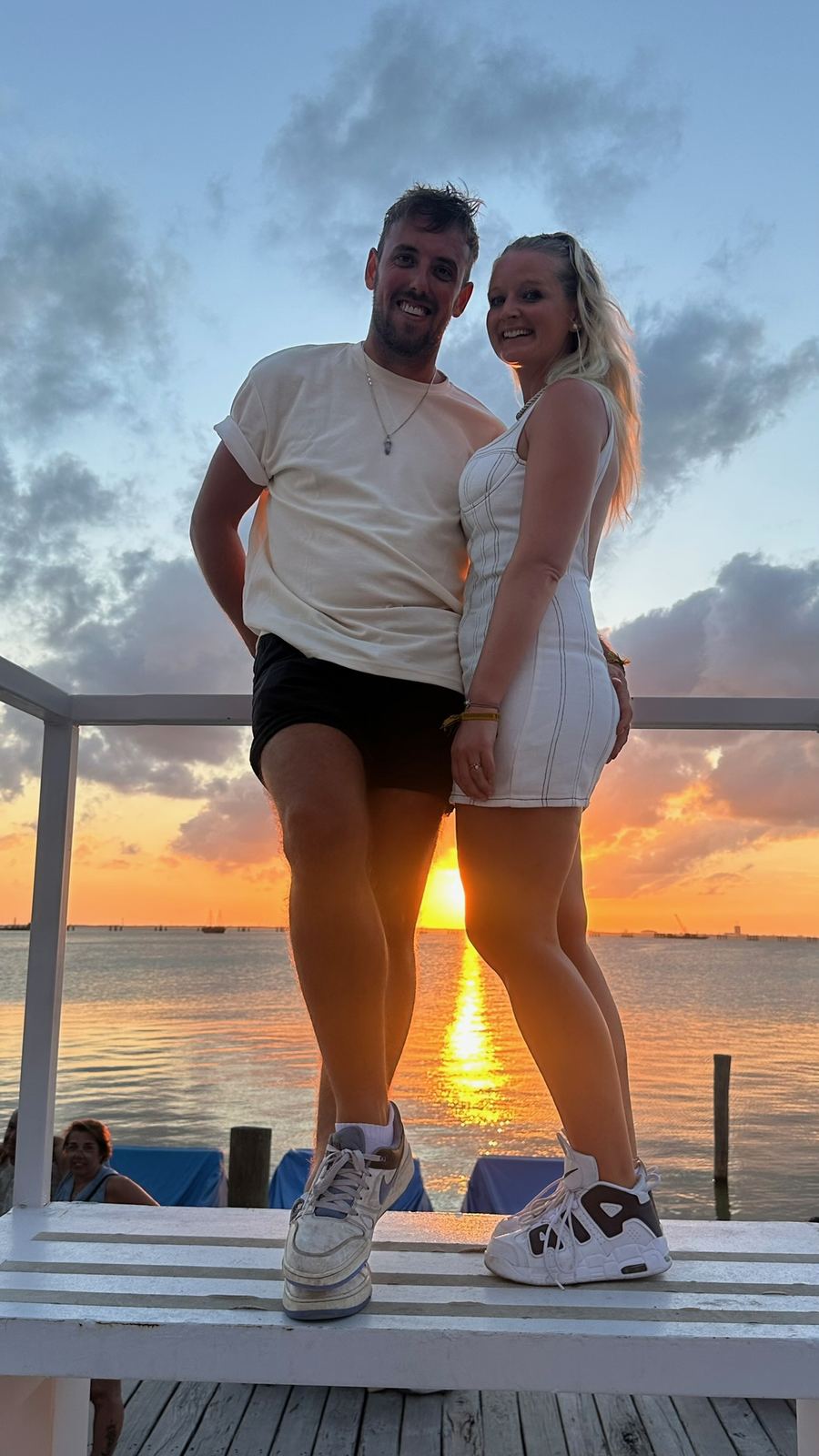
We have been to Cancún, Playa del Carmen and Isla Mujeres ourselves, and seeing the scale of the resort strip first-hand is why we match people to a stretch of this coast rather than to a hotel brand. Tulum and the quieter coast further south come from research and client enquiries.
Map and areas
Where to stay in Mexico’s Caribbean coast
Places to stay Things to do Airports
1
Cancún Hotel Zone
Short transfersNightlifeBig resorts
A 7-shaped strip of large hotels between the lagoon and the sea, with the northern side calmer and the long eastern side facing open water. Transfers are the shortest on the coast and the nightlife is the biggest. The eastern beaches have stronger waves, and the strip feels more like a resort city than Mexico.
A small island a short ferry ride from Cancún, where most visitors potter about by golf cart and the shallow, calm Playa Norte sits at the northern tip. It feels more like a village than a resort. Day-trippers crowd the town at midday, and the choice of large family resorts is limited.
A small fishing town between Cancún and Playa del Carmen, with a reef close offshore, a leaning lighthouse and a quiet central square. The big resorts sit along the coast either side of town. Nightlife is minimal, and the beach can collect seaweed in a bad year.
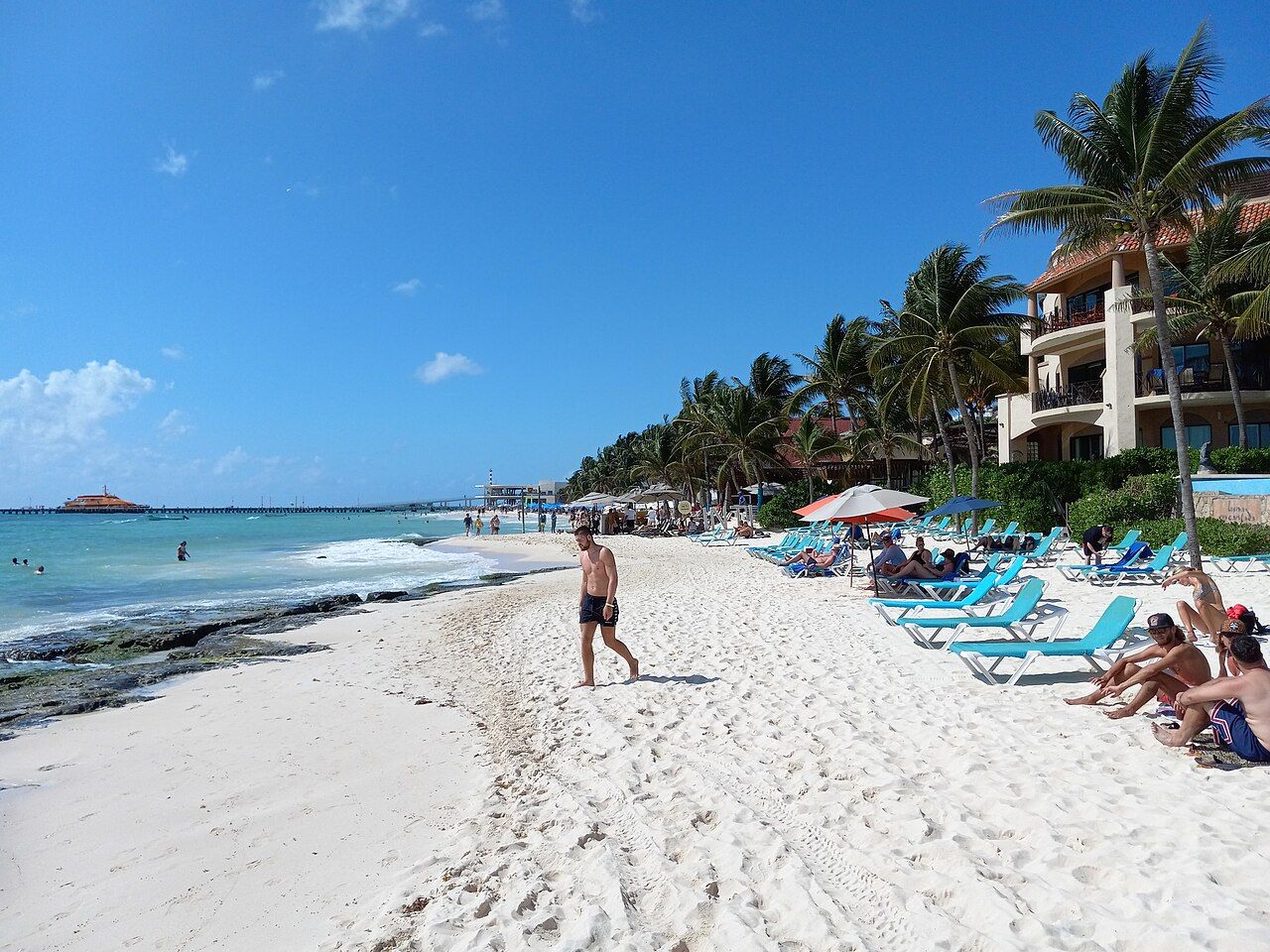
A real town with a long pedestrian street, Quinta Avenida, lined with restaurants and shops, and ferries across to Cozumel. Hotels range from small places in town to large resorts at Playacar. It is busy and commercial, and the town beaches can be crowded and narrow.
The heart of the Riviera Maya's estate resorts, big self-contained complexes set back in the jungle with their own beaches, plus the marina village of Puerto Aventuras and the turtle bay at Akumal. It suits families who want everything on site. Evening life beyond the resort is limited, and most outings need a taxi or tour.
An inland town plus a strip of boutique hotels along the beach road, close to the clifftop ruins and many of the finest cenotes. It appeals to couples who prefer design and yoga to buffets. It is the furthest from Cancún airport, prices are high for what you get, and the beach road clogs with traffic.
This coast has a fresher, drier winter and a hot, stormy summer, and the seaweed keeps its own timetable. From December to April the air is comfortable by Caribbean standards, with January highs of 28°C and evenings that can need a light layer. March brings American spring breakers to Cancún, which suits some and not others. May and June are hot and still, with the sea near 29°C. The rains build from June and peak in September and October, around 201mm in September, the heart of hurricane season. Sargassum seaweed tends to arrive between spring and late summer and varies from year to year, so we check the latest reports before recommending a stretch of beach.
Worth timing a trip around
Around 21 March
Spring equinox at Chichén Itzá
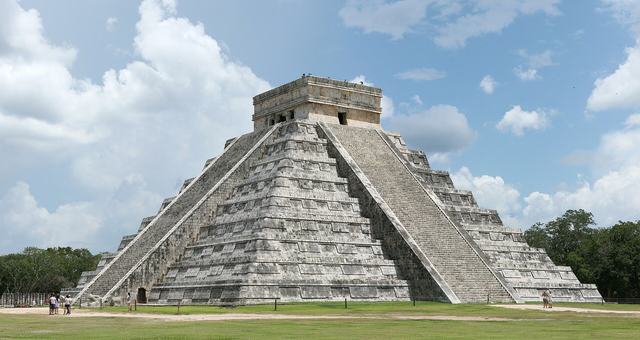
Late afternoon sunlight casts a serpent-like shadow down the steps of El Castillo. Huge crowds come for it, so arrive early or pick a day either side.
June to September
Whale shark season
The world's biggest fish gather to feed off the northern tip of the peninsula, with boat trips from Isla Mujeres, Cancún and Holbox. Choose a licensed boat that limits swimmers per shark.
May to October
Turtle nesting
Loggerhead and green turtles nest on Riviera Maya beaches, with hatchlings heading for the sea later in the season. Many resorts mark nests and dim beach lights at night.
Daytime high to night-time low Sea temperature Rainfall
See the numbers
Month
High
Low
Sea
Rain
January
28°C
20°C
27°C
66 mm
February
29°C
20°C
26°C
27 mm
March
30°C
20°C
27°C
42 mm
April
32°C
21°C
27°C
54 mm
May
33°C
23°C
28°C
87 mm
June
32°C
23°C
29°C
208 mm
July
33°C
23°C
29°C
97 mm
August
33°C
23°C
29°C
173 mm
September
32°C
24°C
29°C
201 mm
October
31°C
23°C
29°C
195 mm
November
30°C
22°C
28°C
103 mm
December
29°C
20°C
27°C
73 mm
Temperatures are 2015 to 2024 averages from NOAA records for Cozumel Intl, 19 km away at 9 m. Rainfall is from the GPCC rain-gauge analysis (Deutscher Wetterdienst) for 2010 to 2019 and shows the typical (median) month, so one freak storm does not skew it. Sea temperatures: NOAA OISST, 1991 to 2020.
Sand, shingle and swimming
Beaches in Mexico’s Caribbean coast
Playa Delfines
A wide, open beach on the Hotel Zone's eastern side with no hotels behind it and the colourful Cancún sign on the dune. Waves and currents can be strong, so watch the flags and the lifeguards.
Playa Norte, Isla Mujeres
Soft white sand and water that stays waist-deep a long way out, which makes it one of the easiest swims on the coast for children. Busy with day-trippers at midday, lovely at sunset.
Xpu-Ha
A long, pale beach south of Playa del Carmen with calm water, a few beach clubs and resorts set back from the sand. Good for a quieter beach day with loungers.
Akumal Bay
A sheltered bay where green turtles graze on seagrass close to shore. Snorkelling is regulated, with life jackets and guided zones to protect the turtles, so follow the rules.
Tulum beach
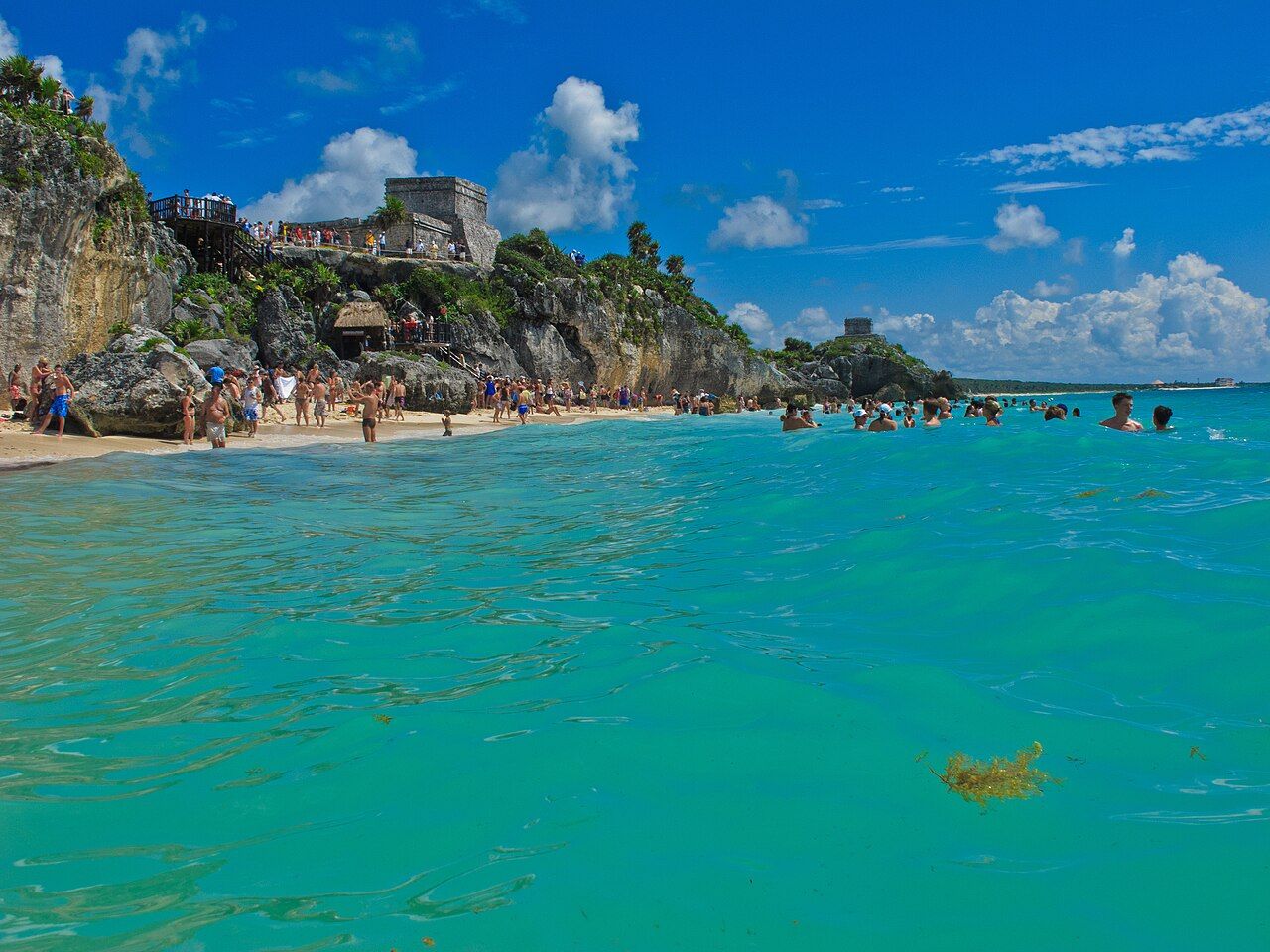
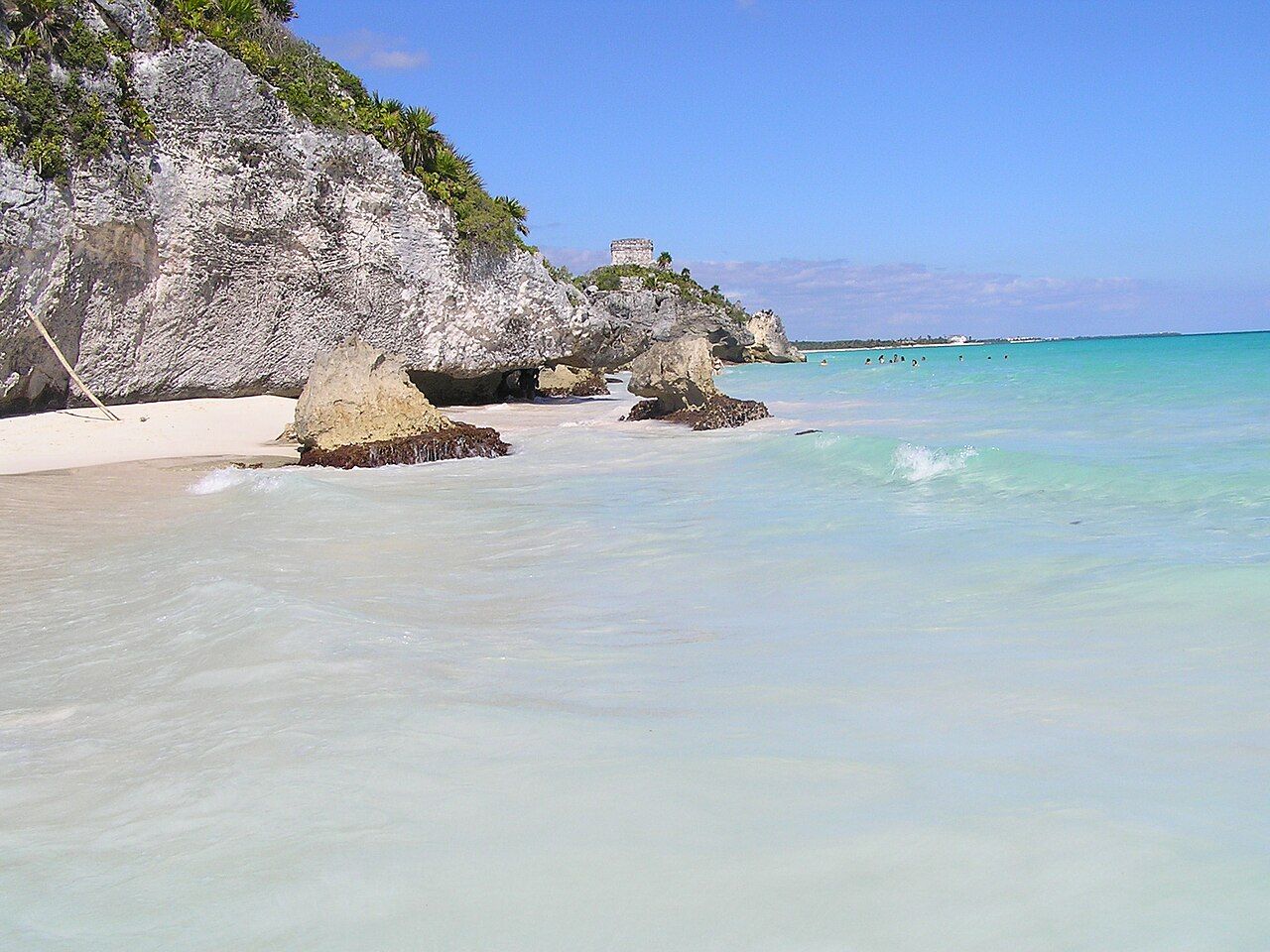
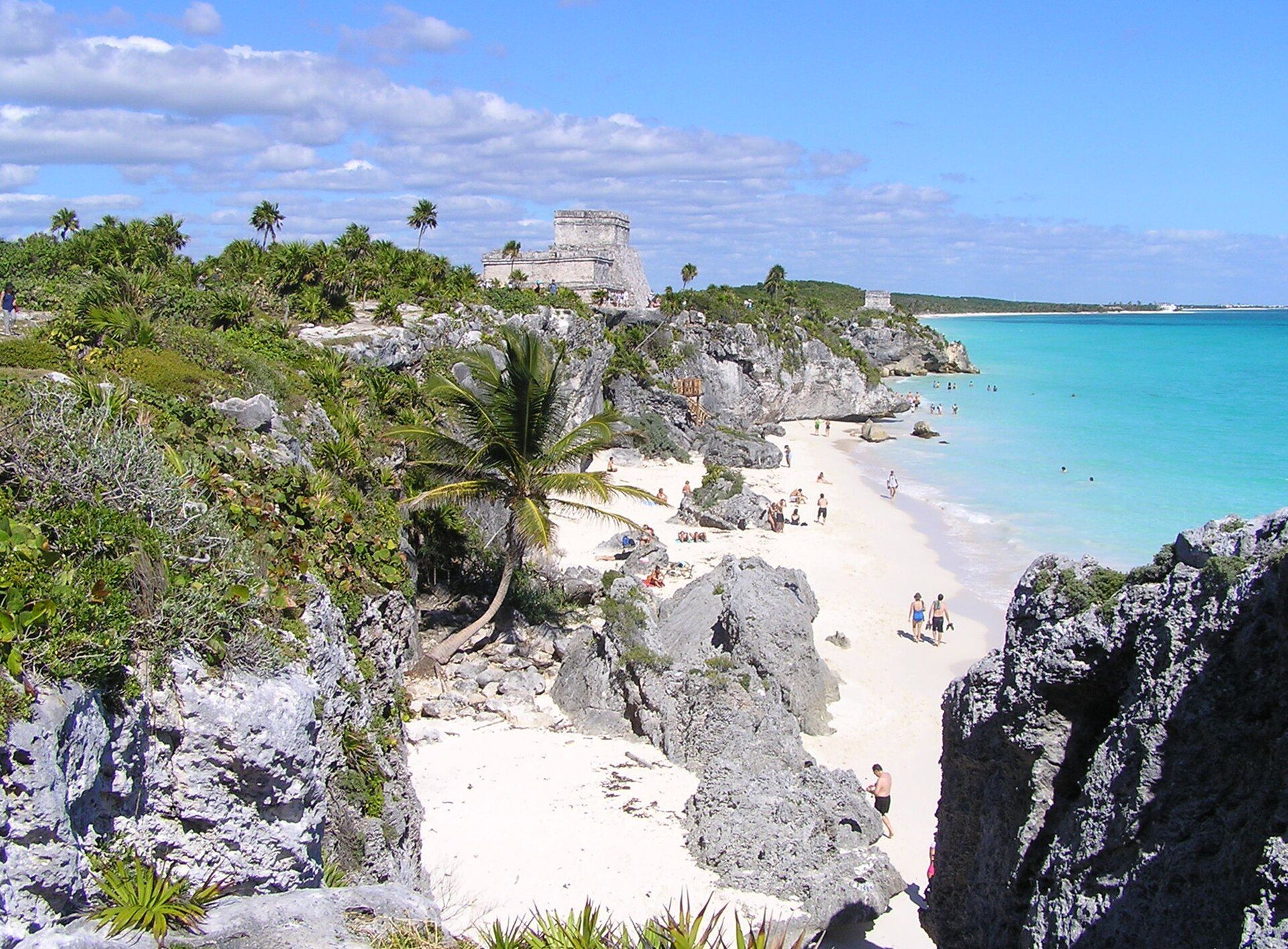
A long run of white sand below the beach road, backed by boutique hotels and beach clubs, with the ruins at the northern end. Beautiful on a clear day, but badly hit by seaweed in some summers.
Puerto Morelos beach
A wide town beach with calm water behind the reef, a pier and fishing boats pulled up on the sand. Seagrass near the shore makes it better for a gentle swim than a sandy paddle.
Things to do
Things to do in Mexico’s Caribbean coast
HistoryA
Chichén Itzá
The great Maya city and its stepped pyramid, El Castillo, a long day trip inland from the coast. Arrive for opening, ahead of the coach tours, and bring a hat and water, because there is little shade.
HistoryB
Tulum archaeological site
A walled Maya port perched on a cliff above the sea, smaller than Chichén Itzá but in a far more beautiful setting. Get there for opening, while it is still cool and quiet, and pair it with a cenote swim.
HistoryC
Cobá
Jungle ruins spread over a wide area and linked by old Maya roads, which you can cycle on hired bikes or ride in a pedal taxi. Climbing the tall pyramid is no longer allowed.
On the waterD
Cenotes near Tulum
Freshwater sinkholes in the limestone, some open to the sky and some deep in caves, with water clear enough to see fish and tree roots below. You must shower before swimming, and sunscreen is usually banned to protect the water.
On the waterE
Cozumel's reefs
Divers and snorkellers head for the island's western reefs, where the current carries you along walls of coral. The ferry from Playa del Carmen takes under an hour but can be rough on windy days.
WildlifeF
Sian Ka'an Biosphere Reserve
A UNESCO-protected sweep of lagoons, mangroves and reef south of Tulum, explored by boat with a guide. Look for dolphins and birdlife, and float down channels the Maya dug centuries ago.
CultureG
Valladolid
A colonial town between the coast and Chichén Itzá, with pastel streets, a cathedral on the main square and a cenote in the middle of town. Worth an overnight to reach the ruins at opening.
NatureH
Bacalar Lagoon
A long freshwater lagoon far to the south, known for its bands of blue. It is a long drive from the resorts, so it suits a night or two on a touring trip rather than a day out.
Food and drink
What to eat and drink
Cochinita pibil
Pork marinated in achiote and bitter orange, then slow-cooked in banana leaves until it falls apart. Best in tacos or tortas in the morning, with pickled red onion.
Sopa de lima
A clear chicken soup sharpened with the local sweet lime and topped with crisp tortilla strips.
Panuchos and salbutes
Small fried tortillas topped with shredded turkey or chicken, lettuce, tomato and pickled onion. Panuchos hide a layer of black beans; salbutes are puffy and plain.
Tikin xic
Fish rubbed with achiote paste and grilled in a banana leaf, a Maya recipe that beach cooks on Isla Mujeres claim as their own.
Marquesitas
A crisp rolled crêpe filled with grated Edam cheese and something sweet, sold from street carts in the evening. Stranger in print than on the tongue.
Xtabentún
An anise liqueur sweetened with honey from local bees, sipped after dinner or poured into coffee.
Money
What Mexico’s Caribbean coast costs
The all-inclusive ladder sets the price here, and the rungs are real: more restaurants, better drinks, room service and a front-row beach position all cost more as you climb. Adults-only is worth the premium for couples. Where you stay on the coast matters too, because Tulum's boutique hotels charge a great deal for simple luxury and sit furthest from the airport. Keep money back for the excursions that make the trip: a cenote swim and at least one Maya site.
What things cost there
Bottle of beer in a barMX$50 to MX$120
Cochinita pibil taco from a street standMX$25 to MX$50
Coffee in a caféMX$45 to MX$90
Dinner for two on Quinta Avenida with drinksMX$1,200 to MX$2,500
Cenote entryMX$150 to MX$500
Chichén Itzá entry, foreign adultaround MX$600 to MX$700
Bus from Cancún airport to Playa del Carmenaround MX$200 to MX$280
Colectivo minibus from Playa del Carmen to Tulumaround MX$60 to MX$100
Resort-area prices are often shown in US dollars at a poor rate, so paying in pesos, especially in towns and on colectivos, usually saves money.
Typical prices in tourist areas, checked September 2026. A guide to budget with, not a quote.
Flights and transfers
Getting to Mexico’s Caribbean coast from the UK
Direct flights from Manchester and London serve Cancun, and the coast then runs south as one long transfer corridor. The distance from the airport is a real variable: Cancun's hotel zone is close, Tulum is not, and we quote drive times as carefully as prices.
Flights from UK airports
Cancún International CUN
ManchesterDirect, about 10h 10m
London HeathrowDirect, about 10h 55m
London GatwickDirect, about 10h 20m
Cozumel International CZM
ManchesterWith a connection, about 20h 05m
London HeathrowWith a connection, about 22h 45m
London GatwickWith a connection, about 21h 30m
Route check September 2026. Some routes are seasonal and schedules change, so we confirm the live options when we quote.
Practical details
Know before you go
Time
5 hours behind the UK in winter, 6 hours in summer
Currency
Mexican peso (MX$); US dollars accepted in resorts at poor rates
Language
Spanish; English widely spoken in the resorts
Plugs
Type A and B, 127V
Driving
On the right
Tap water
Not safe to drink; use bottled or the purified water resorts provide
Tipping
10 to 15 percent in restaurants; small tips in pesos for resort staff, porters and guides are appreciated
Entry for British passport holders
Visa. No visa needed for tourists. The number of days you may stay is written on your entry stamp, so check it at the desk.
Passport. Valid for your whole stay. The Mexican Embassy recommends 6 months.
The FCDO advises against all but essential travel to all or parts of the states of Baja California, Chihuahua, Sinaloa, Tamaulipas, Zacatecas, Guanajuato, Michoacán, Jalisco, Colima, Guerrero and Chiapas. The places we suggest on this page were outside those areas when we checked, and we check the advice again before every booking.
Is sargassum seaweed a problem in Cancún and the Riviera Maya?+
In some years, yes. Sargassum drifts in from the Atlantic, usually between spring and late summer, and can pile up on beaches from Puerto Morelos down to Tulum. The northern side of Cancún's Hotel Zone and Playa Norte on Isla Mujeres are usually less affected. It changes week to week, so we check current reports and favour resorts that clear their beaches.
Should we stay in Cancún or Playa del Carmen?+
Cancún for the shortest transfer, the widest choice of big resorts and the liveliest nightlife; Playa del Carmen for a walkable town with restaurants and shops outside the hotel gates. Families often prefer the Riviera Maya's estate resorts between the two, where space is easier to find.
Is it safe to swim at Cancún's beaches?+
On the northern side of the Hotel Zone the sea is usually calm, but the long eastern side faces open water with waves and rip currents. Check the flag colours each day and swim near a lifeguard, and choose a hotel on the calmer side if you have young children or weak swimmers.
Is it worth renting a car on the Riviera Maya?+
For a couple of days, it can be. The main road is good, and a car gets you to cenotes and ruins at opening, before the tour coaches arrive. Watch for speed bumps, called topes, and use fuel stations where the pump is zeroed in front of you. Taxis, colectivo minibuses and long-distance buses cover the main towns.
How long does the flight to Cancún take?+
Plan on 10 hours 10 minutes from Manchester. Cancún airport sits south of the city, so the Hotel Zone is close, Playa del Carmen is a moderate drive, and Tulum is the longest transfer on the coast.
Which part of the coast suits young children?+
The Riviera Maya's large resorts between Puerto Morelos and Akumal, with kids' clubs, shallow pools and space to spread out, or the calm northern side of Cancún's Hotel Zone. Playa Norte on Isla Mujeres makes a perfect paddling day out. Tulum's boutique hotels are aimed mostly at adults.
Photographs
Mexico’s Caribbean coast in pictures
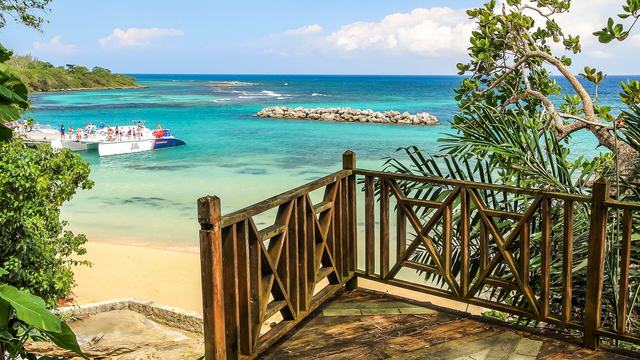
The Caribbean coast Photo: Si & BethPhoto: Si & BethPhoto: Si & BethPhoto: Si & BethPhoto: Si & BethPhoto: Scott S Bateman, CC BY-SA 4.0 sourcePhoto: Graeme Churchard from Bristol (51.473110 -2.625987), UK, CC BY 2.0 sourcePhoto: ogwen, CC BY-SA 3.0 source
Tell us roughly what you have in mind. We will compare the flights, hotels, routes and operators, explain the trade-offs
and build the version that works for you.