Mauritius

Africa · Beach and resort guide

Mauritius

A polished Indian Ocean option with beaches, mountains and more to explore than the resort.

Research-led guideHoneymoonsLuxuryCalm seas
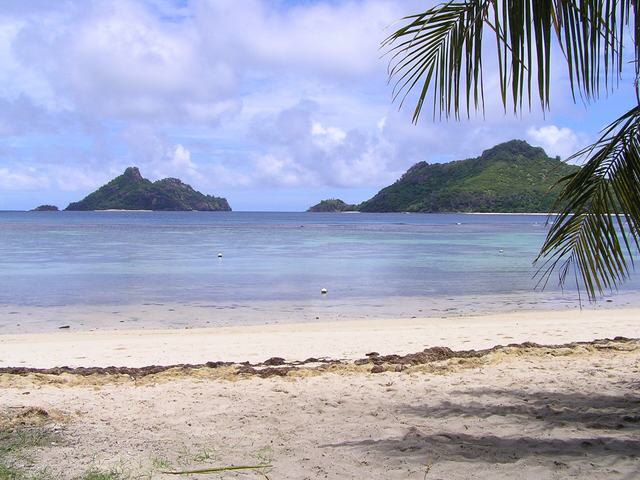
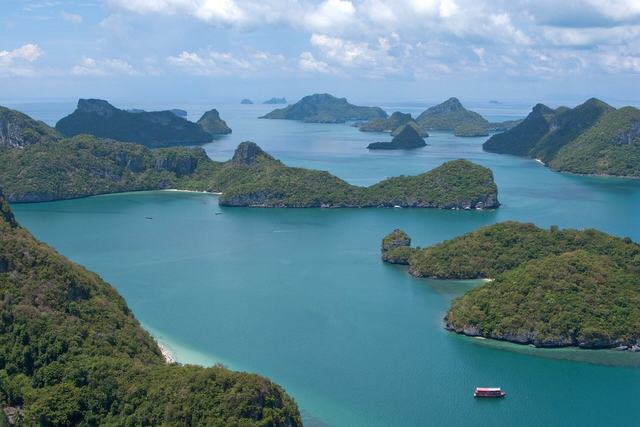
Photo: "dronepicr", CC BY 2.0 source
Flight11h 55m directfrom London Gatwick
Time4 hours ahead of the UK in winter, 3 hours in summer
Typical stay10 to 14 nights
CurrencyMauritian rupee (MUR, Rs)
How we book itOperator package

Is it right for you?

Who Mauritius suits

A strong fit for

Honeymoons, families and luxury.

We would think twice for

Travellers who get restless in resorts, because Mauritius is a lagoon island of self-contained luxury, and its sightseeing is pleasant rather than the point.

What we would want you to know

Coast and season influence wind, rain and sea conditions.

Our research-led view

We have not been to Mauritius ourselves, so this guide is drawn from research and our enquiry work. It centres on the question that decides most Mauritius holidays: which coast suits your month, because the trade winds that leave one side of the island calm can make the other choppy and cool.

We have not been here ourselves yet and will never pretend otherwise. This advice comes from the operator, mapping, hotel and transfer research we do for real enquiries.

Map and areas

Where to stay in Mauritius

1

Grand Baie

Eating outCouplesBoat trips

The island's liveliest resort, a sheltered bay of moored boats with restaurants, bars, shops and a supermarket within walking distance of many hotels. It works well for couples and families who like to eat out, and it is the base for catamaran trips to the northern islets. The town beach is small, so for sand most people head to Pereybère or Mont Choisy nearby.

about 57 min from MRU Open in Google Maps
2

Trou aux Biches and Mont Choisy

Young familiesCalm waterSunsets

A long run of white sand fringed by casuarina trees on the calm north-west coast, with shallow water that suits young children and sunsets over the sea. Hotels range from small guesthouses to large resorts, and Grand Baie's restaurants are a short taxi ride away. Weekends bring Mauritian families picnicking under the trees, which adds life rather than crowds.

about 55 min from MRU Open in Google Maps
3

Flic en Flac and Wolmar

Winter sunSunsetsValue

The west coast's main resort, a long beach and lagoon sheltered from the winter trade wind on the driest side of the island. Wolmar, at the southern end, holds the bigger hotels, while Flic en Flac village has cafés, supermarkets and food stalls. The public beach fills with local families at weekends, and summer afternoons can feel hot and still.

about 43 min from MRU Open in Google Maps
4

Le Morne

HoneymoonsLuxuryKitesurfing

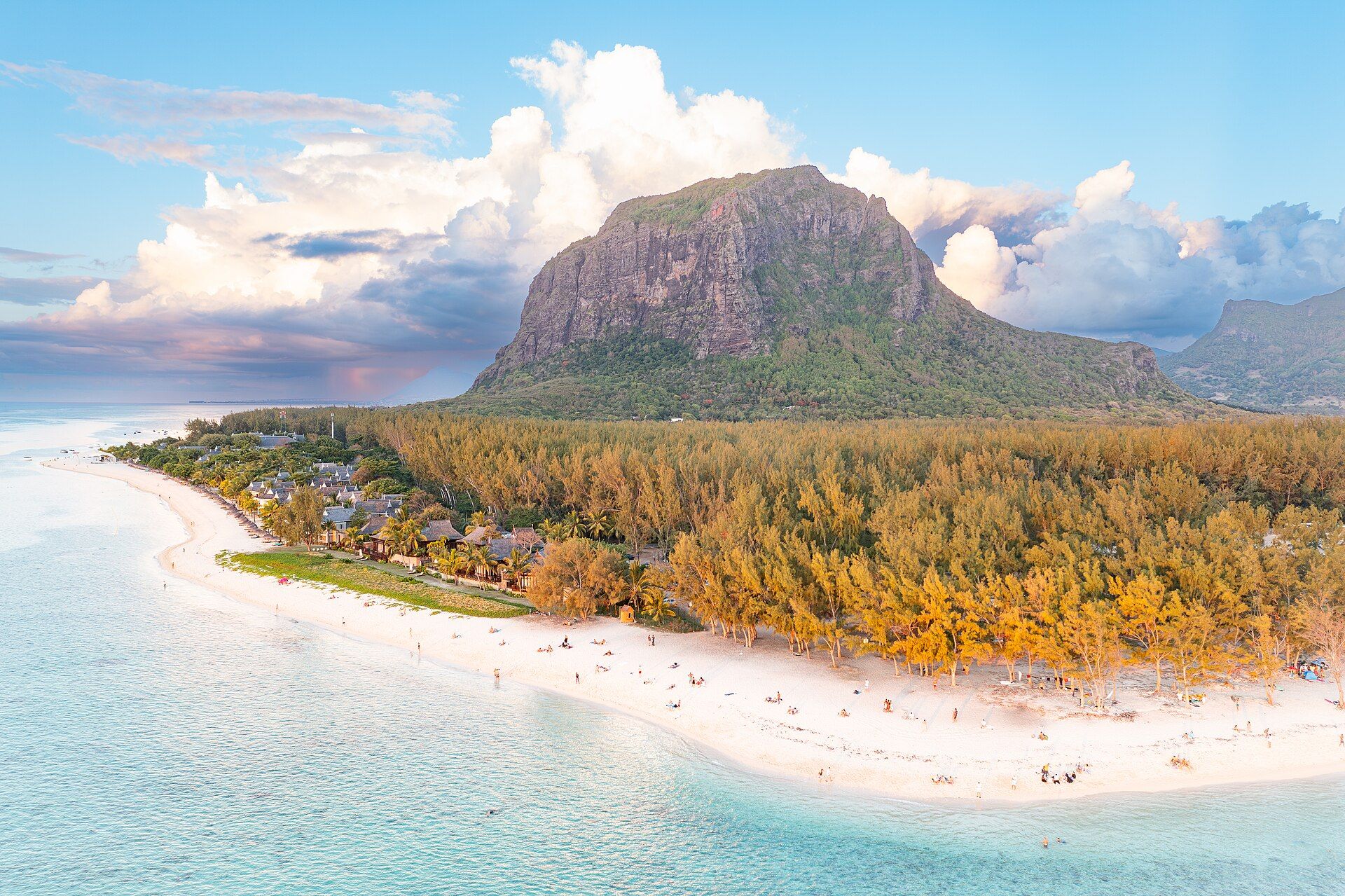
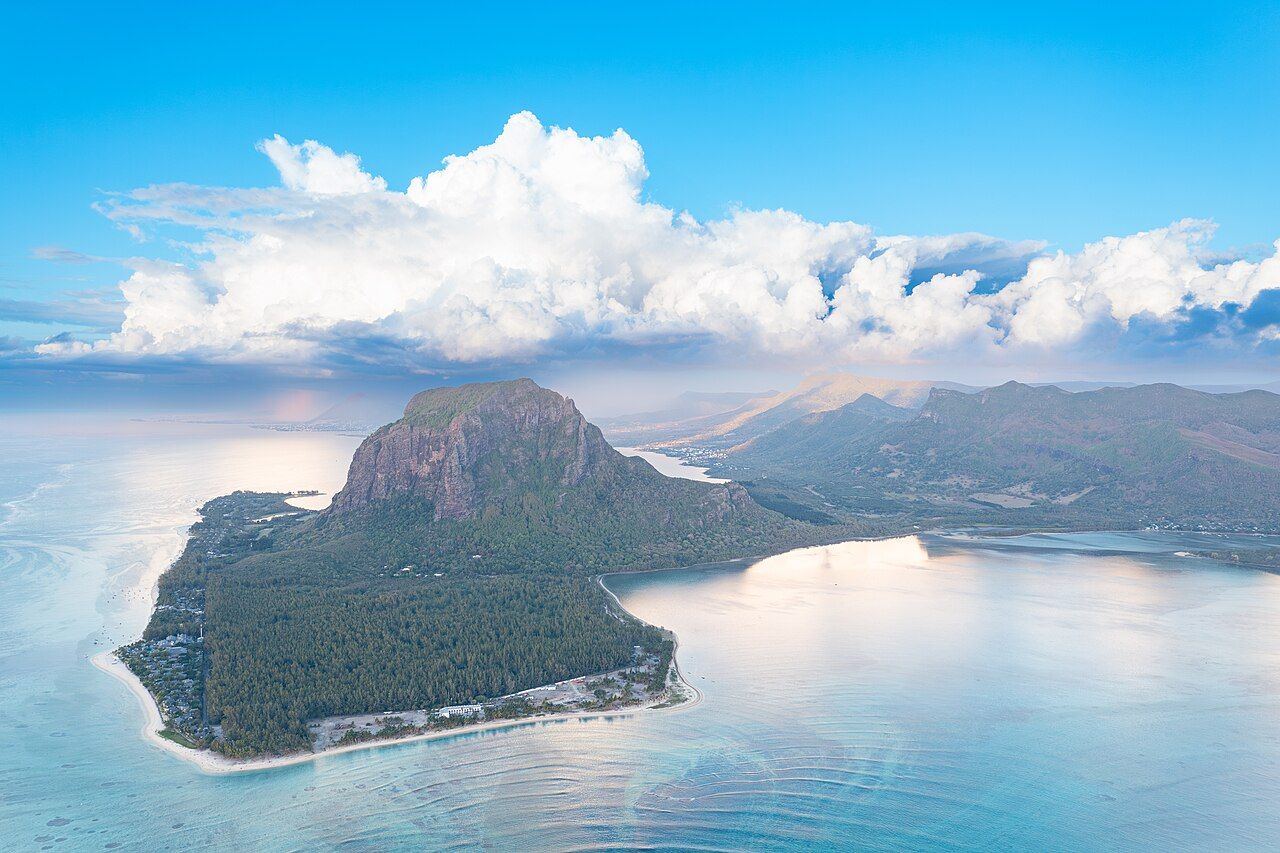
A peninsula beneath the basalt bulk of Le Morne Brabant, with a wide lagoon and long white beaches. The hotels are luxurious and self-contained, with only a few villages nearby, so you eat in the resort most nights. It is also the island's kitesurfing hub, which tells you the wind can blow hard here in the winter months.

about 1h 03m from MRU Open in Google Maps
5

Belle Mare

Grand resortsGolfLong beach walks

The east coast's long white beach and wide lagoon, home to many of the island's grandest resorts and several golf courses. In the southern winter the trade wind blows onshore, keeping it fresh but making the sea choppy and the beach breezy, so October to April is the time to choose it. Beyond the hotels there is little, so it suits people happy to stay put.

about 1h 01m from MRU Open in Google Maps
6

Blue Bay and Mahébourg

SnorkellingLocal lifeShort transfers

A quieter corner close to the airport, where the Blue Bay Marine Park protects a clear lagoon over coral, and the old fishing town of Mahébourg has a waterfront promenade and a Monday market. Hotels are fewer and smaller, and the south-east catches the trade wind in winter. It suits travellers who prefer island life to resort polish.

about 6 min from MRU Open in Google Maps

Weather and seasons

When to go to Mauritius

Mauritius turns the British calendar upside down. The southern winter, June to August, is dry and mild, with Grand Baie around 25°C by day and the sea near 23°C, but the south-east trade wind blows steadily onto the east and south coasts, stirring up the lagoons there. The best balance of warmth, sunshine and calm water comes from September to November and again in April and May. From December to March the island is hot and humid, with the sea at about 28°C and heavy tropical downpours. This is also cyclone season: most years pass without a direct hit, but a storm passing nearby can close beaches and cancel boat trips for several days. Christmas and New Year carry the highest prices of the year.

Worth timing a trip around

January or February

Chinese Spring Festival

Port Louis's Chinatown fills with lanterns, dragon dances and firecrackers, and families share wax cakes made with rice flour and honey.

February or March

Maha Shivaratri

Hundreds of thousands of Hindu pilgrims, many dressed in white, walk to Grand Bassin carrying decorated arches. Roads across the south are busy for several days.

8 and 9 September

Père Laval pilgrimage

Pilgrims of every faith walk through the night to the shrine of Father Laval at Sainte-Croix in Port Louis, a nineteenth-century missionary much loved on the island.

October or November

Diwali

Homes and streets across the island glow with clay oil lamps and fairy lights, and neighbours exchange plates of sweets.

Daytime high to night-time low Sea temperature Rainfall
January: 217 mm of rainFebruary: 191 mm of rainMarch: 221 mm of rainApril: 149 mm of rainMay: 80 mm of rainJune: 83 mm of rainJuly: 76 mm of rainAugust: 70 mm of rainSeptember: 34 mm of rainOctober: 30 mm of rainNovember: 59 mm of rainDecember: 113 mm of rainJanuary: highs 30°C, lows 24°CFebruary: highs 30°C, lows 24°CMarch: highs 30°C, lows 24°CApril: highs 29°C, lows 23°CMay: highs 27°C, lows 21°CJune: highs 26°C, lows 20°CJuly: highs 25°C, lows 19°CAugust: highs 25°C, lows 19°CSeptember: highs 26°C, lows 20°COctober: highs 27°C, lows 21°CNovember: highs 28°C, lows 22°CDecember: highs 30°C, lows 23°CJanuary: sea 27°CFebruary: sea 28°CMarch: sea 28°CApril: sea 27°CMay: sea 26°CJune: sea 25°CJuly: sea 24°CAugust: sea 23°CSeptember: sea 23°COctober: sea 24°CNovember: sea 25°CDecember: sea 27°C30°24°J30°24°F30°24°M29°23°A27°21°M26°20°J25°19°J25°19°A26°20°S27°21°O28°22°N30°23°D
See the numbers
MonthHighLowSeaRain
January30°C24°C27°C217 mm
February30°C24°C28°C191 mm
March30°C24°C28°C221 mm
April29°C23°C27°C149 mm
May27°C21°C26°C80 mm
June26°C20°C25°C83 mm
July25°C19°C24°C76 mm
August25°C19°C23°C70 mm
September26°C20°C23°C34 mm
October27°C21°C24°C30 mm
November28°C22°C25°C59 mm
December30°C23°C27°C113 mm

Temperatures are 2015 to 2024 averages from NOAA records for Sir Seewoosagur Ramgoolam Intl, 48 km away at 57 m. Rainfall is from the GPCC rain-gauge analysis (Deutscher Wetterdienst) for 2010 to 2019 and shows the typical (median) month, so one freak storm does not skew it. Sea temperatures: NOAA OISST, 1991 to 2020.

Sand, shingle and swimming

Beaches in Mauritius

Trou aux Biches

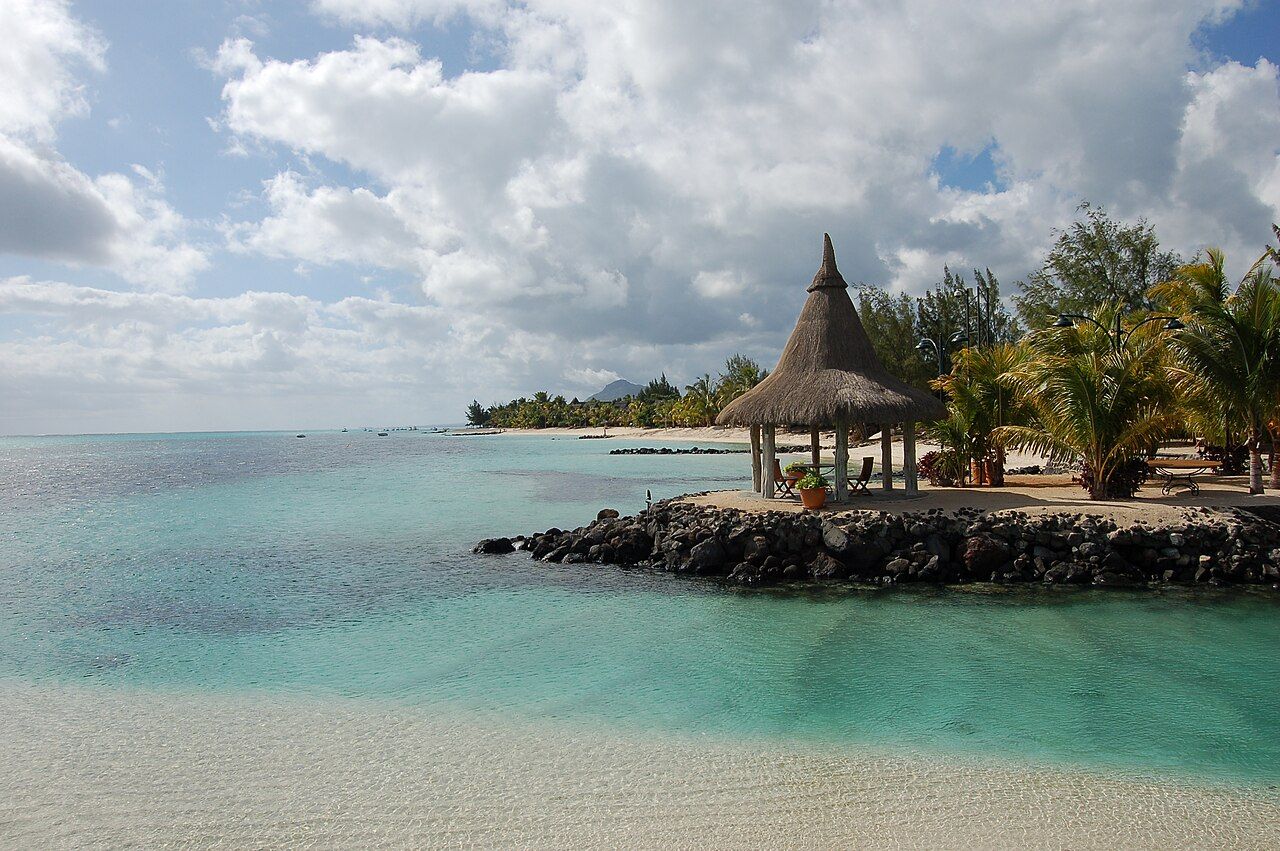
Soft white sand and a calm, shallow lagoon that stays clear, ideal for young children and nervous swimmers. Glass-bottomed boats leave from the beach, and the shore faces the sunset.

Pereybère

A small public cove just north of Grand Baie, with calm water, shade under the trees and snack vans behind the sand. Busy with Mauritian families at weekends, peaceful on weekday mornings.

Belle Mare

A long, gently shelving strip of powdery sand in front of the east coast's big resorts. Glassy and calm from October to April, breezy and choppy when the southern winter trade wind blows.

Le Morne

A wide sweep of pale sand beneath the mountain, with a sheltered lagoon for swimming on one side and kitesurfers racing across the water towards the reef on the other.

Blue Bay

A curving bay of shallow turquoise water over sand and coral inside a marine park, with good snorkelling close to the beach. Wear reef shoes, and take a boat out for the best coral.

Île aux Cerfs

An island off the east coast reached by boat, with sandbars and warm, shallow water. Lovely early in the day, but day-trippers crowd it by lunchtime, so go on the first boat.

Things to do

Things to do in Mauritius

NatureA

Black River Gorges National Park

The island's largest area of native forest, with trails through ravines to viewpoints over the west coast and a chance of spotting the rare Mauritius kestrel and pink pigeon. Paths turn muddy after rain, so wear walking shoes and start early, before cloud settles on the plateau.

Day tripsB

Chamarel Seven Coloured Earths

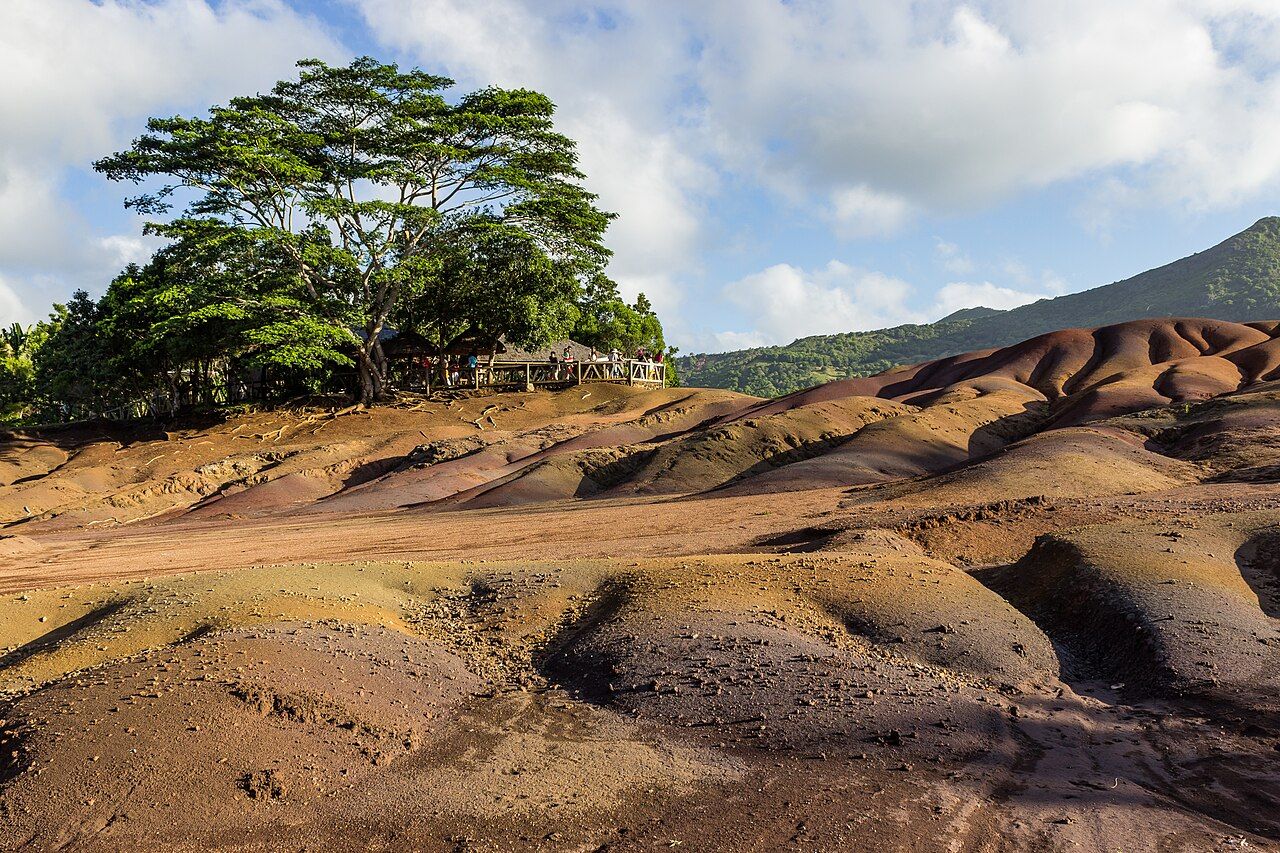
Rippled mounds of volcanic soil in shades of red, brown, violet and ochre, close to the Chamarel waterfall, which drops in a single plume into a forested gorge. The colours show best in bright sun, so aim for a clear morning.

HistoryC

Le Morne Brabant

The mountain where escaped slaves once hid, now on UNESCO's World Heritage list, with a memorial at its foot. A steep trail climbs to a cross with views over the lagoon, and the rocky upper section is best tackled with a guide. Start at dawn, before the heat.

CultureD

A morning in Port Louis

The capital's Central Market sells spices, tropical fruit and street snacks, and the Aapravasi Ghat, a UNESCO site, marks where indentured labourers from India first landed. Go on a weekday morning, and expect heat, traffic and crowds rather than polish.

WildlifeE

Île aux Aigrettes

A coral islet off Mahébourg restored as a nature reserve, where guides lead small groups past giant tortoises, pink pigeons and a remnant of the coastal ebony forest. Visits are by guided tour only, so book ahead.

NatureF

Pamplemousses Botanical Garden

Gardens laid out in the eighteenth century, with a pond of giant Amazon water lilies, towering palms and a pen of giant tortoises. An official guide from the gate explains what you are looking at far better than the signs.

CultureG

Grand Bassin

A sacred crater lake for Mauritian Hindus, watched over by giant statues of Shiva and Durga, with temples around the shore. Dress modestly and take your shoes off at the temples.

FamilyH

Casela Nature Parks

A wildlife and adventure park inland from Flic en Flac, with safari drives among zebras and giraffes, zip lines and a petting farm for younger children. Arrive at opening, as there is little shade by midday.

On the water

Catamaran to the northern islets

Day sails from Grand Baie head for Gabriel Island and Flat Island, with lunch on board and swims off the boat. Choose a smaller boat, since the big party catamarans can be loud, and expect cancellations when the sea is rough.


Food and drink

What to eat and drink

  • Dholl puri

    Thin flatbreads made with ground yellow split peas, wrapped around bean curry and chutney: the island's favourite street snack, sold from stalls and vans.

  • Rougaille

    A Creole tomato sauce with garlic, ginger, thyme and chilli, cooked with sausages, salted fish or seafood and served with rice.

  • Octopus curry

    Octopus slow-cooked with tomatoes, turmeric and spices, a Creole favourite along the coast and at family celebrations.

  • Gateaux piment

    Crisp fritters of split peas and chilli, eaten hot from street vendors, often squeezed into a buttered baguette.

  • Mauritian rum

    Rum made from local sugar cane, including agricultural rum distilled straight from the juice. Rhum arrangé, steeped with fruit and spices, turns up on every bar list.

Money

What Mauritius costs

The hotel and the board basis decide the price of a Mauritius holiday, and the gap between a good four-star and a famous five-star on the same lagoon is wide. Half board is the usual choice, because outside Grand Baie there are few restaurants within reach of the resorts. Honeymoon and anniversary offers can be generous, so always tell us if you are celebrating. A room that opens straight onto the beach is the upgrade we would pay for first.

Flights and transfers

Getting to Mauritius from the UK

Direct flights run from London, with one-stop options from Manchester via the Gulf. It is a twelve-hour journey into a small island of short transfers, which makes the arrival gentler than the flight time suggests.

Flights from UK airports

Mauritius (Sir Seewoosagur Ramgoolam) MRU

  • ManchesterWith a connection, about 15h 10m
  • London HeathrowWith a connection, about 14h 45m
  • London GatwickDirect, about 11h 55m

Route check September 2026. Some routes are seasonal and schedules change, so we confirm the live options when we quote.

Practical details

Know before you go

Time

4 hours ahead of the UK in winter, 3 hours in summer

Currency

Mauritian rupee (MUR, Rs)

Language

English is the official language; French and Mauritian Creole are spoken everywhere

Plugs

Type G, the same three-pin plug as the UK, and Type C, 230V

Driving

On the left

Tap water

Treated, but most visitors drink bottled water, especially after heavy rain

Tipping

Not expected; around 5 to 10 percent for good restaurant service, and small tips for drivers and guides

Entry for British passport holders

Visa. No visa needed for stays of up to 60 days. You must be able to show onward or return travel.

Passport. Valid for your whole stay, with a blank page.

Summarised from the FCDO travel advice on gov.uk, checked 29 September 2026. Rules change: read the current entry requirements and the full travel advice before you go.

Questions we get asked

Mauritius FAQs

Which coast of Mauritius is best?+

It depends on the month. From May to October the west and north are calmer and drier, sheltered from the trade wind that roughens the east and south. From October to April the east coast's lagoons are at their glassy best. Grand Baie suits people who like to eat out, while Le Morne and Belle Mare suit a resort stay.

When is cyclone season in Mauritius?+

Roughly November to April, with the greatest risk from January to March. Most cyclones pass at a distance, bringing a day or two of heavy rain and wind rather than a direct hit, and hotels follow a clear warning system. February is among the wettest months, averaging about 191mm on the north coast, so good travel insurance matters.

Does Mauritius work for families with young children?+

Yes, for families happy to spend most days at the resort. The lagoons are calm and shallow, many hotels have children's clubs, and Casela and the catamaran trips make easy days out. The flight is long for toddlers, and coral and sea urchins mean reef shoes for everyone.

Is the sea calm in Mauritius?+

Inside the coral reef that rings most of the island, usually yes: the lagoons are shallow and sheltered, with the surf breaking offshore. The exceptions are the south coast, where the reef has gaps and waves roll in, and the east coast in the windy southern winter. Stonefish and urchins live in the shallows, so wear reef shoes.

Do you need to hire a car in Mauritius?+

No. Taxis and hotel drivers are easy to arrange, and a driver for a full day is the simplest way to see the south-west. Mauritians drive on the left, as in the UK, but the roads are narrow and busy with buses and scooters, so many visitors prefer not to drive. Local buses are cheap but slow.

Is Mauritius a long way to fly?+

Yes: about 11 hours 55 minutes from London Gatwick. Clocks there are three hours ahead of the UK in summer and four in winter, so jet lag is mild despite the distance, but we would not suggest fewer than ten nights to make the journey worthwhile.

Your world, your way

Thinking about Mauritius?

Tell us roughly what you have in mind. We will compare the flights, hotels, routes and operators, explain the trade-offs and build the version that works for you.

Start your trip