Couples, honeymoons, families and multi-centre travel.
We would think twice for
Travellers wanting one beach hotel and no decisions, because Italy is a country of regions with strong opinions, and it repays a planned route far more than a random pin.
What we would want you to know
Moving too often can turn an Italian trip into a luggage exercise.
We’ve been here
Our own travels in Italy taught us how different each region feels, and how fast a route with too many stops becomes a week of packing. The trip we arrange most often for clients is the Venice and Lake Garda multi-centre: two bases, one short train ride and very little time spent dragging cases.
Weather and seasons
When to go to Italy
Italy's year is shaped by heat and by the Italians' own holidays. Rome averages 33°C in July, which makes the afternoon hours in the Forum hard going, and Ferragosto on 15 August sends city families to the coast while some smaller restaurants close for a week or two. April, May and October are the comfortable months for sightseeing, although Easter fills Rome with pilgrims. Winter is quiet and mild enough for city breaks, with January nights in Rome around 3°C and autumn the wettest season, about 103mm in November. In the far south the sea stays warm enough for swimming well into October.
Worth timing a trip around
March or April
Easter week
Holy Week processions fill towns across the south, with some of the most dramatic in Sicily. In Rome the Easter crowds at St Peter's push up hotel prices, so we plan around it unless the celebrations are the reason for the trip.
2 July and 16 August
Palio di Siena
A bareback horse race three times round the Campo, fought out between the city's districts after days of pageantry. The square is packed from early afternoon and Siena's rooms fill months ahead.
15 August
Ferragosto
The national summer holiday, when much of Italy heads for the beach. Coastal resorts are at their fullest and dearest, city businesses often close, and many towns finish the day with fireworks.
October to early December
Alba White Truffle Fair
Piedmont's truffle town holds its market and food fair at weekends through the autumn, with the Barolo and Barbaresco vineyards in the hills all around.
Daytime high to night-time low Sea temperature Rainfall
See the numbers
Month
High
Low
Rain
January
13°C
3°C
30 mm
February
15°C
4°C
39 mm
March
16°C
6°C
47 mm
April
20°C
8°C
37 mm
May
24°C
13°C
17 mm
June
30°C
18°C
13 mm
July
33°C
21°C
2 mm
August
33°C
21°C
19 mm
September
28°C
17°C
58 mm
October
23°C
13°C
73 mm
November
18°C
9°C
103 mm
December
14°C
5°C
69 mm
Temperatures are 2015 to 2024 averages from NOAA records for Roma Ciampino, 15 km away at 105 m. Rainfall is from Fiumicino, 23 km away and shows the typical (median) month, so one freak storm does not skew it.
See the numbers
Month
High
Low
Rain
January
8°C
0°C
40 mm
February
11°C
2°C
42 mm
March
15°C
5°C
19 mm
April
20°C
9°C
68 mm
May
24°C
13°C
96 mm
June
29°C
18°C
48 mm
July
32°C
20°C
48 mm
August
31°C
20°C
20 mm
September
26°C
15°C
50 mm
October
20°C
11°C
76 mm
November
13°C
5°C
90 mm
December
8°C
1°C
35 mm
Temperatures are 2015 to 2024 averages from NOAA records for Milano Linate, 7 km away at 108 m. Rainfall is from the same station and shows the typical (median) month, so one freak storm does not skew it.
See the numbers
Month
High
Low
Sea
Rain
January
15°C
9°C
15°C
41 mm
February
16°C
9°C
14°C
31 mm
March
17°C
10°C
15°C
40 mm
April
19°C
12°C
16°C
20 mm
May
23°C
16°C
19°C
39 mm
June
27°C
20°C
22°C
3 mm
July
30°C
23°C
26°C
4 mm
August
30°C
24°C
27°C
7 mm
September
28°C
21°C
25°C
31 mm
October
24°C
18°C
23°C
70 mm
November
20°C
14°C
20°C
80 mm
December
17°C
11°C
17°C
57 mm
Temperatures are 2015 to 2024 averages from NOAA records for Palermo, 24 km away at 20 m. Rainfall is from the same station and shows the typical (median) month, so one freak storm does not skew it. Sea temperatures: NOAA OISST, 1991 to 2020.
Things to do
Things to do in Italy
HistoryA
Colosseum and the Roman Forum
One ticket covers the amphitheatre, the Forum and the Palatine Hill, with timed entry to the Colosseum that can sell out well ahead in spring and summer. There is little shade in the Forum, so go first thing and carry water.
CultureB
Vatican Museums and the Sistine Chapel
Long corridors of galleries end beneath Michelangelo's ceiling, and the timed tickets are best booked before you fly. St Peter's Basilica next door needs shoulders and knees covered, and its security queue can be long by mid-morning.
CultureC
Uffizi Gallery, Florence
Botticelli's Birth of Venus and a run of Renaissance rooms that deserve a whole morning. Book a timed slot, then climb Brunelleschi's dome at the cathedral nearby, which also needs a reservation and involves a long, narrow stair.
HistoryD
Pompeii
The Roman town buried by Vesuvius in AD 79 is far bigger than most people expect. Allow at least half a day, wear trainers for the rutted Roman paving, and reach it by train from Naples or Sorrento.
On the waterE
The Amalfi Coast by boat
In season, ferries link Positano, Amalfi and Salerno, and they beat the crowded buses and hairpin traffic of the coast road. Positano is steps from top to bottom, which suits the nimble far better than anyone who struggles with stairs.
NatureF
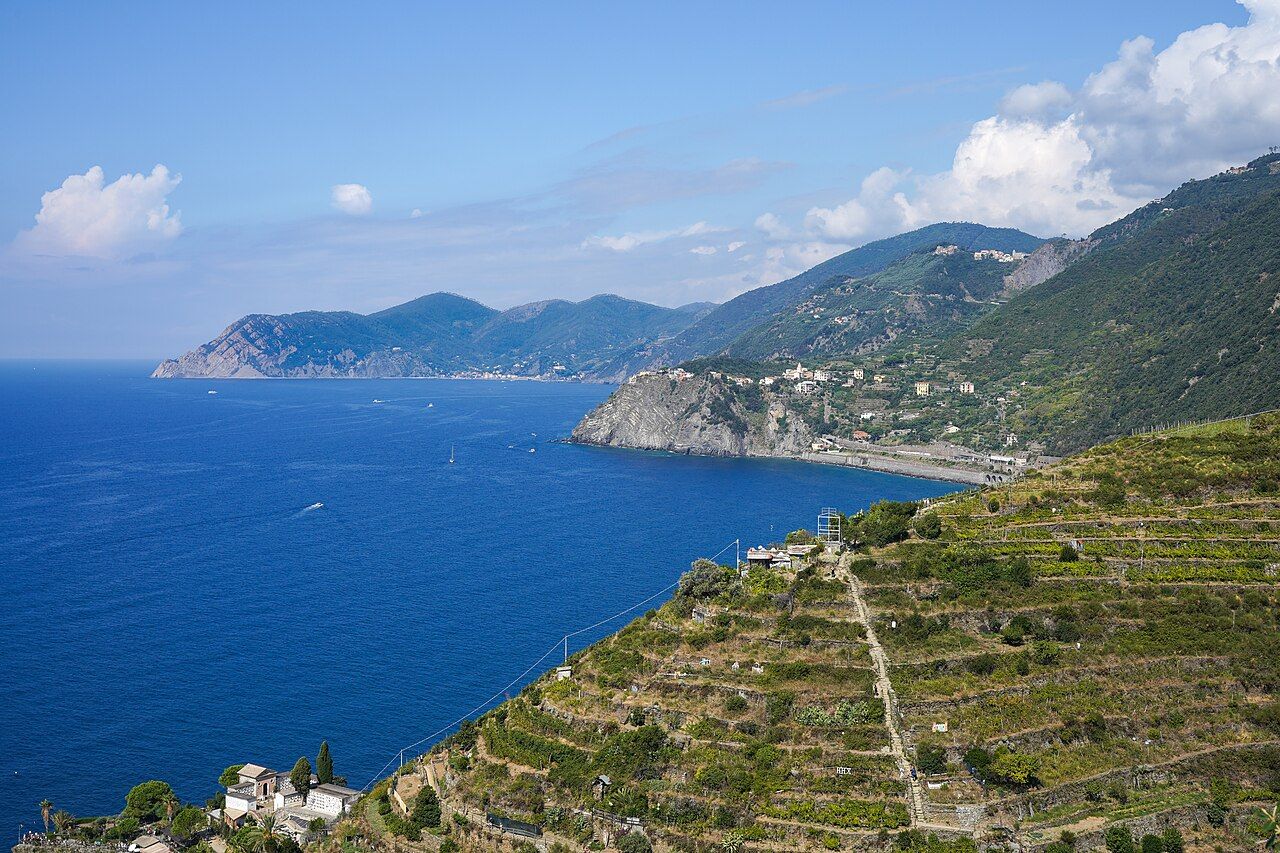
Cinque Terre
Five cliff villages on the Ligurian coast, joined by a railway and a web of footpaths. The coastal path needs a park card, and sections shut after storms and landslides, so check which stretches are open before planning a walk.
Day tripsG
Siena and the Tuscan hill towns
Siena's shell-shaped Campo and striped cathedral pair well with the towers of San Gimignano and the cypress-lined lanes of the Val d'Orcia. This is the one corner of Italy where a hire car beats the train.
AdventureH
Mount Etna
Europe's highest active volcano rises above eastern Sicily. A cable car and off-road buses climb the south side, but the summit craters are open only with an authorised guide, and access changes with the volcano's mood.
CultureI
The trulli of Alberobello
Cone-roofed stone houses in Puglia's Itria Valley, a UNESCO site you can wander in a morning. Stay nearby in a restored trullo or a masseria farmhouse and the south's slower pace soon makes sense.
Food and drink
What to eat and drink
Pizza napoletana
Born in Naples: a soft, blistered crust from a wood-fired oven, eaten with a knife and fork. The margherita is the test of any pizzeria, and one each is normal.
Espresso at the bar
Ask for un caffè and you get an espresso, drunk standing at the counter, where it costs less than at a table. Cappuccino is a morning drink, and ordering one after dinner marks you out.
Gelato
Look for flavours kept in covered metal tubs and pistachio that is a dull olive green. Towering, brightly coloured mounds in the window usually mean more air and less flavour.
Carbonara and the Roman pastas
Rome's four classics are carbonara, cacio e pepe, amatriciana and gricia. A real carbonara uses guanciale, egg yolk and pecorino, and no cream at all.
Bistecca alla fiorentina
Florence's thick T-bone steak, cooked over coals and served rare. It is priced by weight and meant for sharing, so ask the size before it goes on the grill.
Limoncello
The lemon liqueur of Sorrento and the Amalfi Coast, served ice cold in small glasses at the end of a meal, often on the house in family-run places.
Shape of the trip
Canals, Verona and the lake in a week
Nights 1 to 3
Venice
Arrive by water, drop the bags and give Venice three nights, so you have its lanes almost to yourselves early in the morning and late in the evening.
Day 4
Verona
A short train ride west. Stop in Verona for the Roman Arena, the market square of Piazza delle Erbe and a walk along the Adige, then carry on to the lake the same afternoon.
Nights 4 to 7
Lake Garda
Four nights in one lakeside town, with ferries for the sightseeing, long lunches and the mountains close by, then an easy journey home.
An idea to react to, not a fixed package. We shape the real thing around your dates, your pace and what the flights are doing that season.
Money
What Italy costs
Region and season decide an Italian bill far more than star ratings. The Amalfi Coast in summer sits at the top, while Puglia, Sicily and the cities in the quiet months give much more for the money. High-speed train fares rise as departure day nears, so we book those early; regional trains cost the same whichever day you buy. City hotels add a nightly tourist tax at check-in. The extra spend we rate most is a hotel inside a historic centre, because it turns taxi rides into evening walks.
What things cost there
Espresso standing at the bar€1.20 to €2
Cover charge (coperto), per person€1.50 to €4
Pizza margherita in a pizzeria€6 to €12
Plate of pasta in a trattoria€11 to €18
Glass of house wine€4 to €7
Two scoops of gelato€3 to €5
Colosseum, Forum and Palatine ticketaround €18 to €24
High-speed train, Rome to Florence, booked aheadaround €25 to €55
City tourist tax, per person per nightaround €3 to €10
Standing at the bar always costs less than a table, and prices fall the further south you go; the dearest habit is sitting down on a famous square.
Typical prices in tourist areas, checked September 2026. A guide to budget with, not a quote.
Flights and transfers
Getting to Italy from the UK
Direct flights connect Leeds Bradford and Manchester with Venice, Verona, Rome, Naples and Milan on seasonal and year-round patterns, which makes open-jaw routes easy: into one city, home from another, no backtracking. Italy's trains then join the dots better than any hire car in the north.
Flights from UK airports
Rome Fiumicino FCO
Leeds BradfordDirect, about 2h 50m
ManchesterDirect, about 2h 55m
NewcastleDirect, about 2h 50m
Venice Marco Polo VCE
Leeds BradfordWith a connection, about 3h 55m
ManchesterDirect, about 2h 20m
NewcastleWith a connection, about 4h 05m
Naples NAP
Leeds BradfordDirect, about 3h 05m
ManchesterDirect, about 2h 55m
NewcastleWith a connection, about 5h 40m
Route check September 2026. Some routes are seasonal and schedules change, so we confirm the live options when we quote.
Practical details
Know before you go
Time
1 hour ahead of the UK
Currency
Euro (€)
Language
Italian
Plugs
Type C, F and L, 230V
Driving
On the right
Tap water
Safe to drink, and Rome's street fountains run with drinking water
Tipping
Not expected; bills often include a cover charge, and rounding up for good service is appreciated
Entry for British passport holders
Visa. No visa needed for tourist stays of up to 90 days in any 180-day period across the Schengen area.
Passport. Issued less than 10 years before you arrive, and valid for at least 3 months after the day you leave the Schengen area.
The EU Entry/Exit System is now in use, so you may be asked to register your fingerprints and photo at the border on your first visit. It is free.
How many places should we visit on a week in Italy?+
Two, or three at most. Every move costs half a day of packing, checking out and travelling, and Italy rewards staying put long enough to find a favourite bar. For a first trip, a city paired with a lake or a stretch of coast gives you contrast without the luggage fatigue.
Is it better to travel around Italy by train or by car?+
By train between cities: the high-speed lines link Milan, Florence, Rome and Naples quickly and deliver you to the centre. A car makes sense in Tuscany, Puglia and Sicily. Historic centres have camera-controlled limited traffic zones, known as ZTL, and driving into one by mistake brings a fine through the post months later.
What should we wear to visit churches in Italy?+
Cover shoulders and knees. St Peter's in Rome, Florence's cathedral and plenty of village churches turn people away in vest tops or short shorts, so a light scarf or linen trousers in the day bag solves it.
What is the coperto on an Italian restaurant bill?+
A cover charge per person for bread and the table, and it is legal as long as the menu shows it. Some places in tourist areas add a service charge as well. Neither means you must tip on top, although rounding up for good service is always welcome.
Is Italy safe for tourists?+
Yes, and violent crime against visitors is rare. The real risk is pickpockets on crowded buses and metro lines in Rome, around Termini station and at the busiest sights. Keep bags zipped and in front, phones out of back pockets, and be wary of unasked help at ticket machines.
Which part of Italy is best for a first visit?+
For art and history, Rome with Florence. For an easier pace, Venice and Lake Garda, which join by train and suit couples and families alike. For sun and food over sights, Puglia or Sicily in May, June or September. The mistake is trying to squeeze all three into one week.
Photographs
Italy in pictures
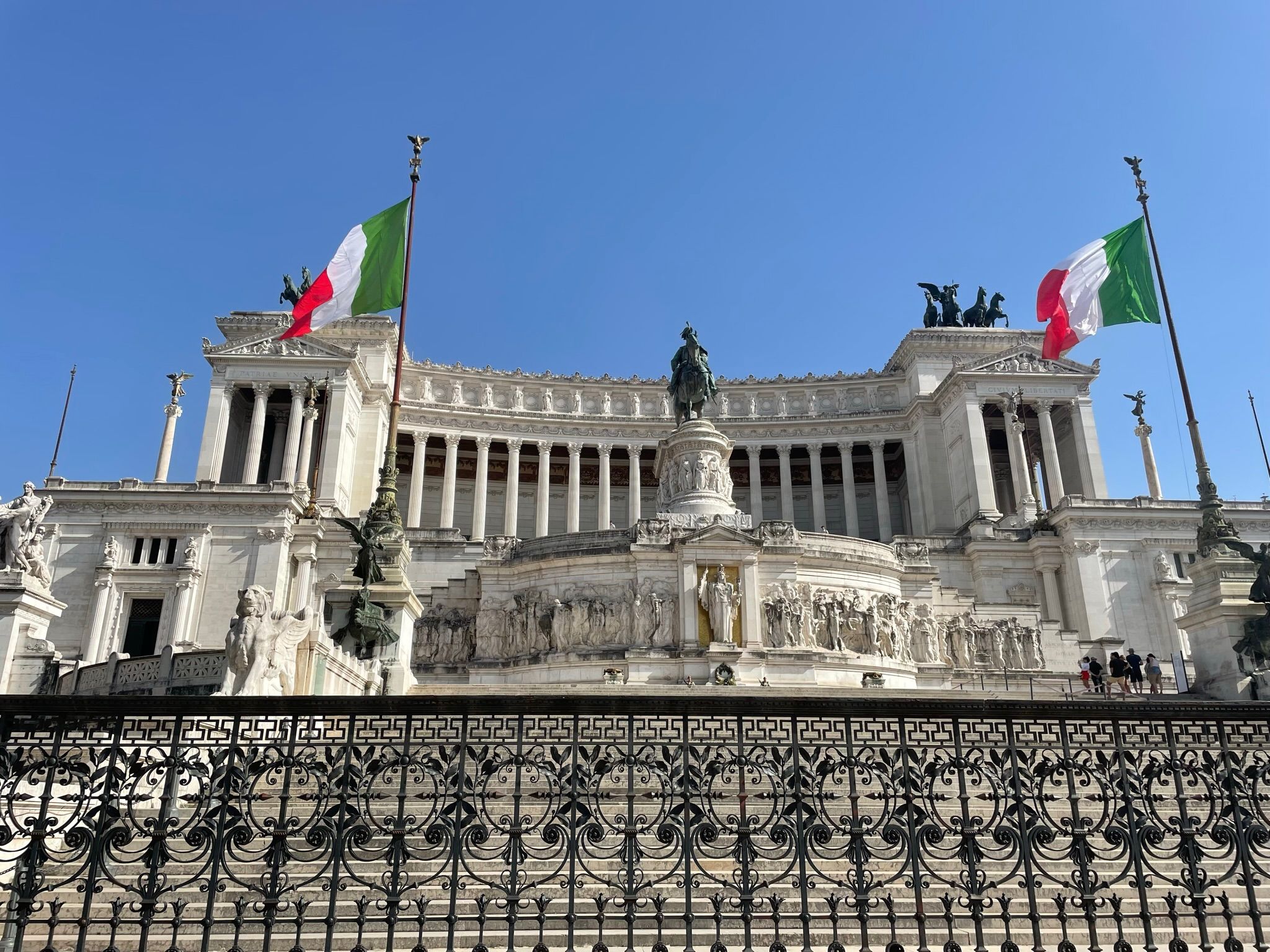
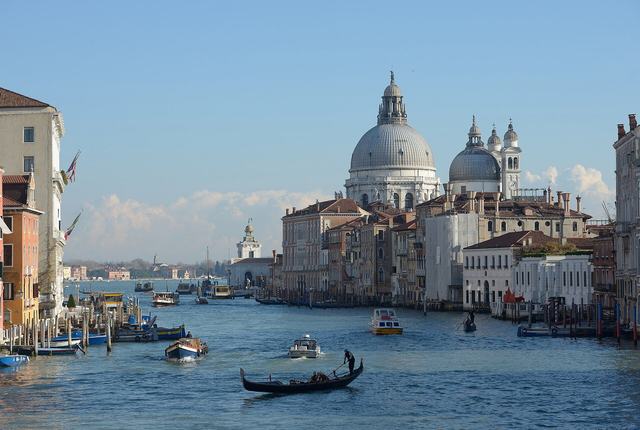
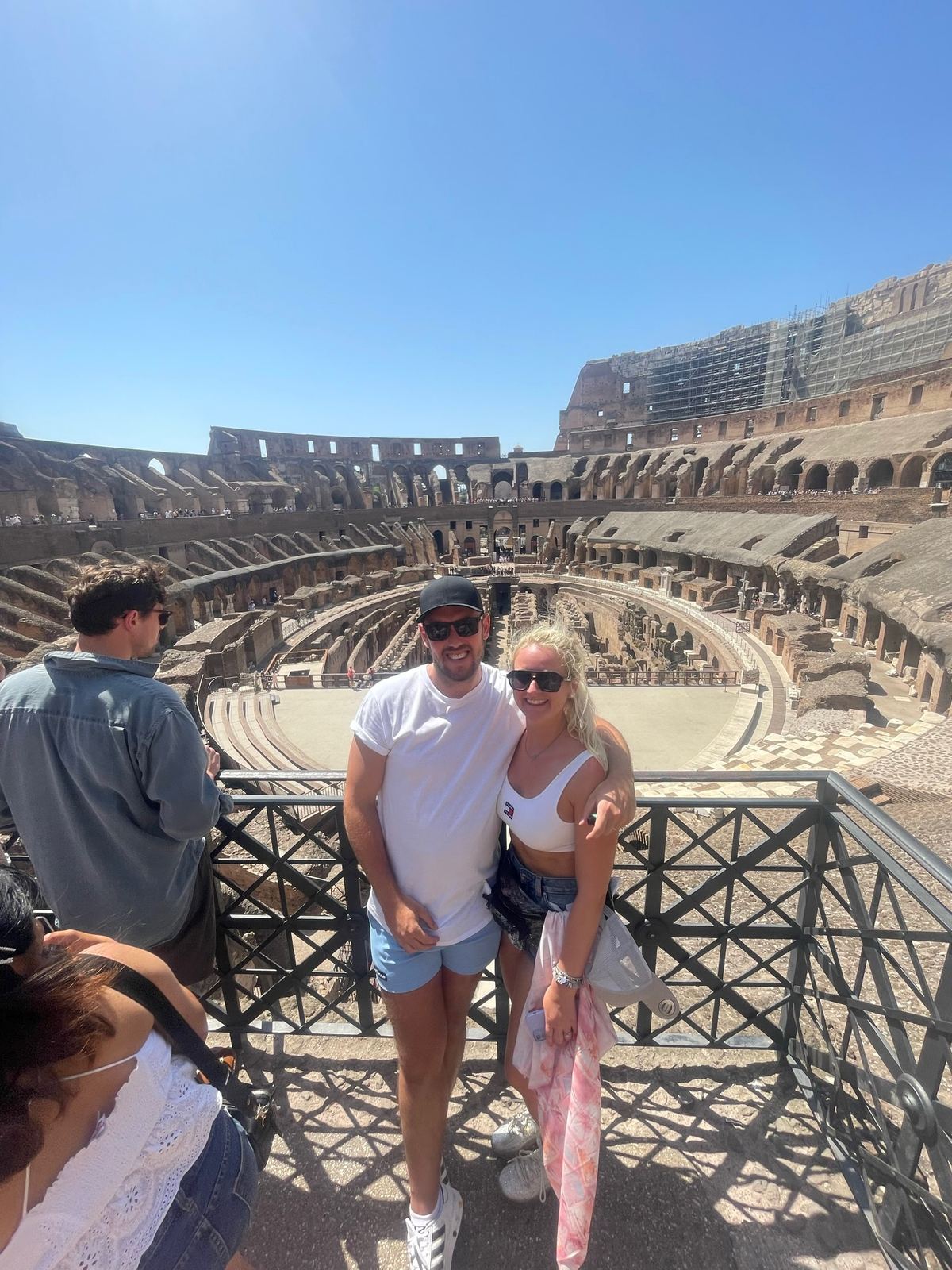
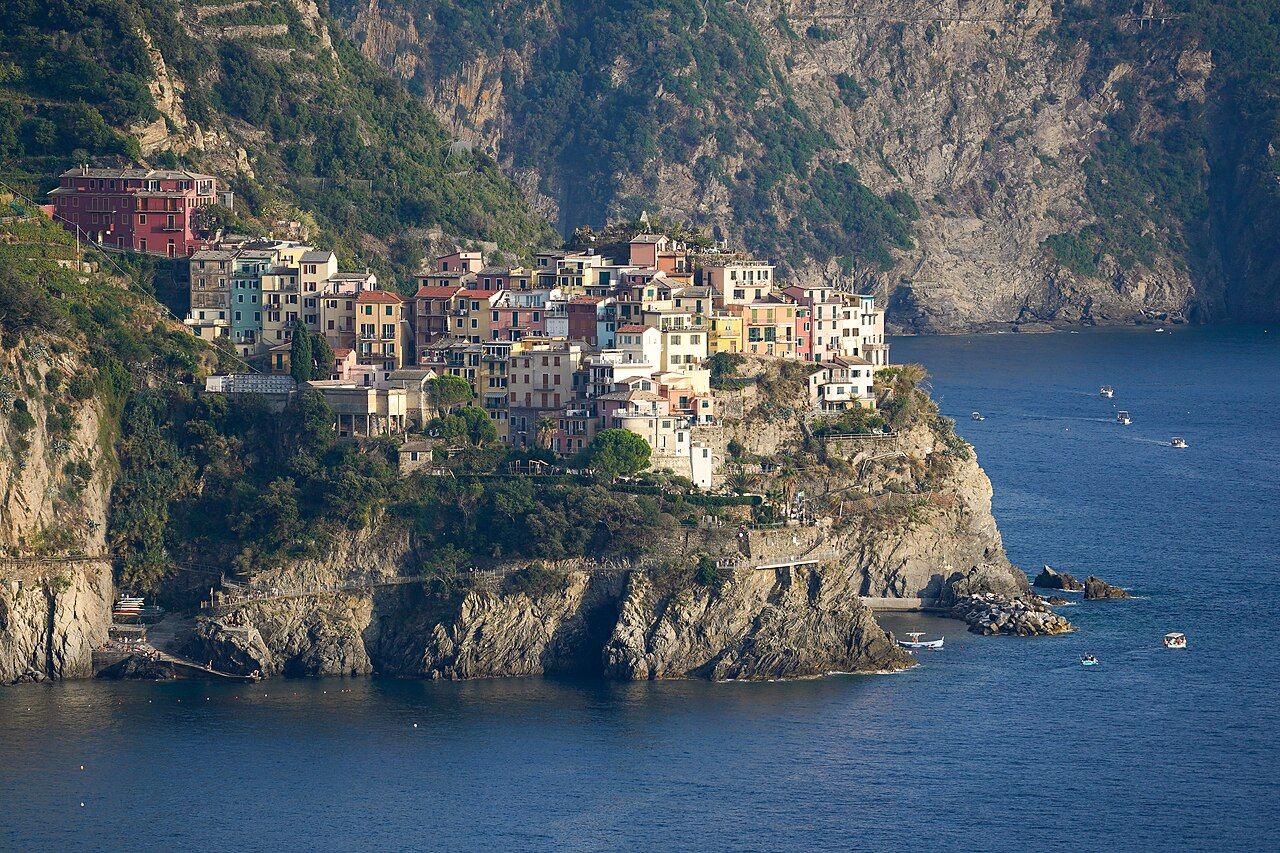
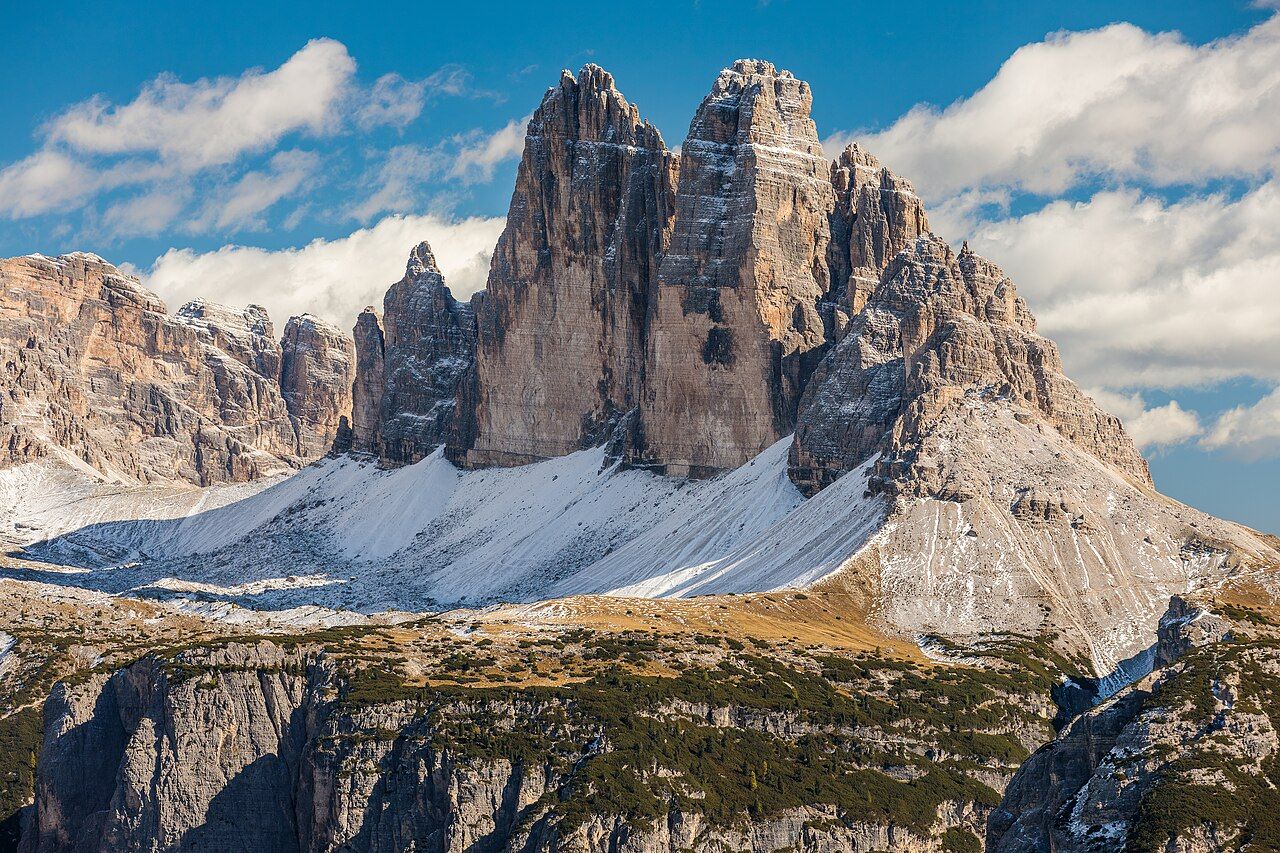
Photo: Si & BethPhoto: Timothy A. Gonsalves, CC BY-SA 4.0 sourcePhoto: Ximonic (Simo Räsänen), CC BY-SA 4.0 sourcePhoto: This Photo was taken by Timothy A. Gonsalves. Feel free to use my photos, but pl, CC BY-SA 4.0 source
Tell us roughly what you have in mind. We will compare the flights, hotels, routes and operators, explain the trade-offs
and build the version that works for you.