
Germany

Europe · City guide

Germany

Cities, Christmas markets and countryside, with strong rail links between the stops that matter.

We’ve been hereChristmas marketsCitiesCastles
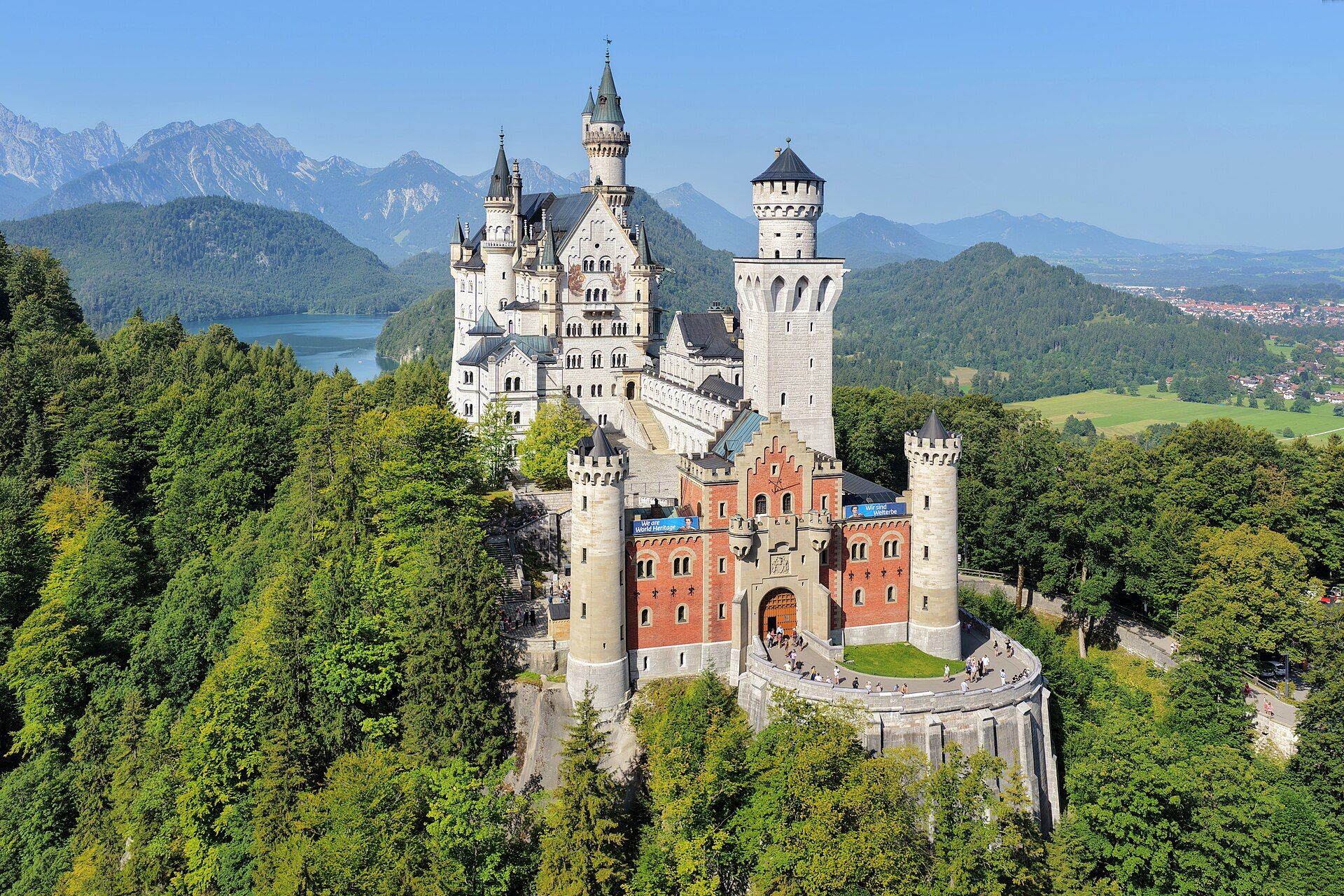
Photo: C.Stadler/Bwag (talk / email), CC BY-SA 4.0 source
Flight1h 35m directfrom Manchester
Time1 hour ahead of the UK
Typical stay3 to 7 nights
CurrencyEuro (€)
How we book itPackage or bespoke

Is it right for you?

Who Germany suits

A strong fit for

City breaks, Christmas markets and touring.

We would think twice for

Beach instincts, because Germany is a touring and city country, and its lakes and mountains reward walkers and wanderers rather than sun-lounger loyalty.

What we would want you to know

Distances between cities are bigger than a quick map glance suggests.

We’ve been here

Germany looks compact on a map, but our own travels there showed us how far apart its big cities really are, and how pleasant the fast trains make the gaps. So we build German breaks around one city, or two joined by a single rail journey, rather than a tour that spends the holiday in stations.

A plan to start from

Berlin, then Dresden by train

  1. Day 1

    Berlin

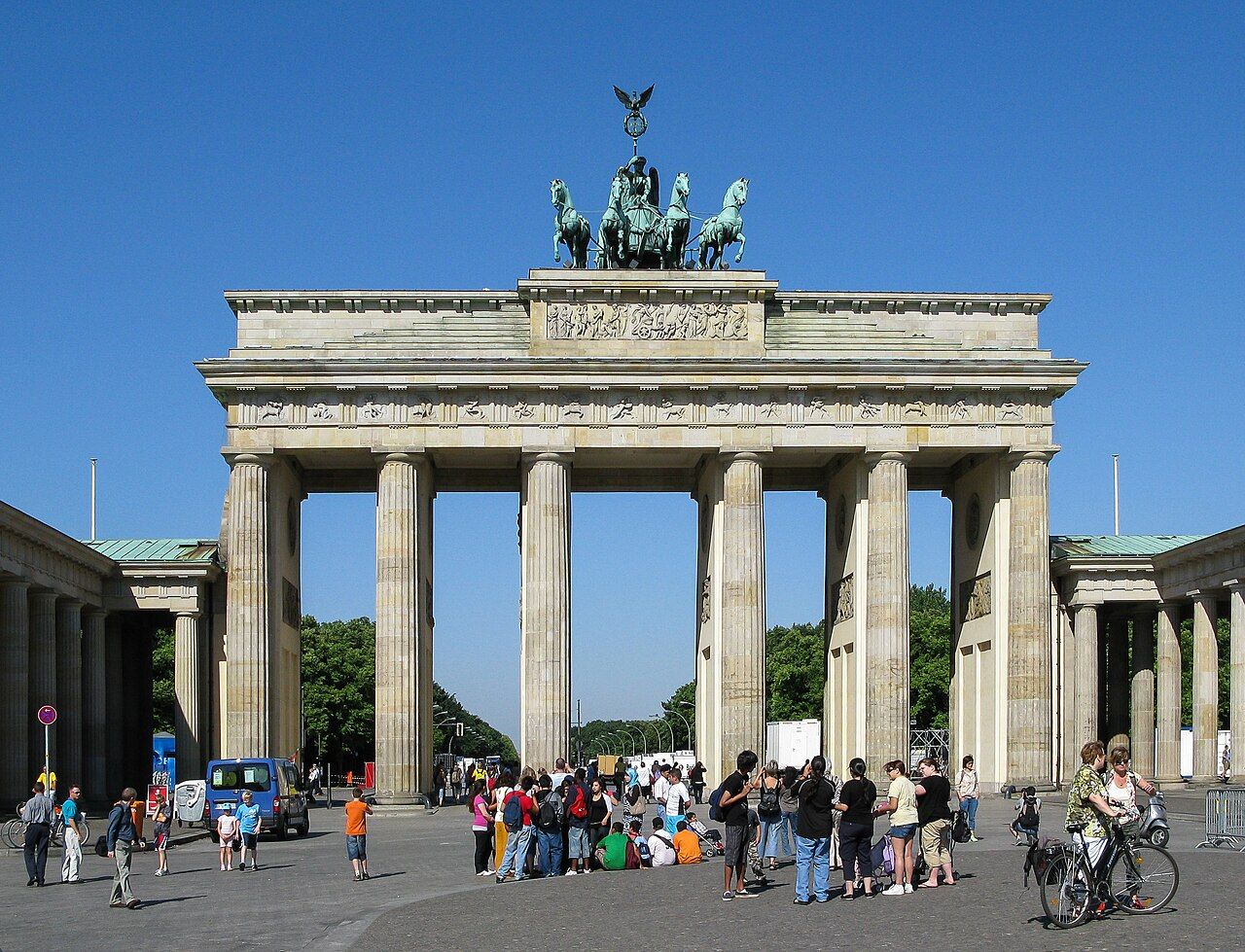
    The Reichstag dome on a slot booked online, the Brandenburg Gate and the Memorial to the Murdered Jews of Europe, then an evening of cafés and bars in Prenzlauer Berg.

  2. Day 2

    Berlin Wall Memorial

    The Wall Memorial on Bernauer Strasse in the morning, Museum Island and the Neues Museum in the afternoon, and the painted East Side Gallery beside the Spree at dusk.

  3. Day 3

    Dresden

    A train south to Dresden: the Frauenkirche, a walk along the Brühl Terrace above the Elbe and an afternoon in the Zwinger's galleries. In December, the Striezelmarkt is on the doorstep.

  4. Day 4

    Bastei Bridge, Saxon Switzerland

    A local train up the Elbe to Kurort Rathen for the sandstone towers and the Bastei Bridge, back in Dresden for dinner before heading home.

An idea to react to, not a fixed package. We shape the real thing around your dates, your pace and what the flights are doing that season.

Neighbourhoods

Where to stay in Germany

Places to stay Things to do Airports
1

Berlin

HistoryMuseumsNightlife

A sprawling capital of separate neighbourhoods rather than one old centre, where the traces of the Wall, Museum Island and the government quarter sit a few stops apart. Mitte is the easiest first base; Prenzlauer Berg and Kreuzberg suit returners who want cafés and bars. Allow three nights, and expect a lot of walking between sights.

about 29 min from BER Open in Google Maps
2

Munich

Beer gardensFamiliesAlpine day trips

Bavaria's prosperous capital, with a compact old town around Marienplatz, the English Garden's lawns and beer gardens, and the Alps on the horizon. It is the base for Neuschwanstein and the lakes of Upper Bavaria by train. Hotels are among the dearest in Germany, and far more so during Oktoberfest and the big trade fairs.

about 36 min from MUC Open in Google Maps
3

Cologne

Christmas marketsCarnivalShort breaks

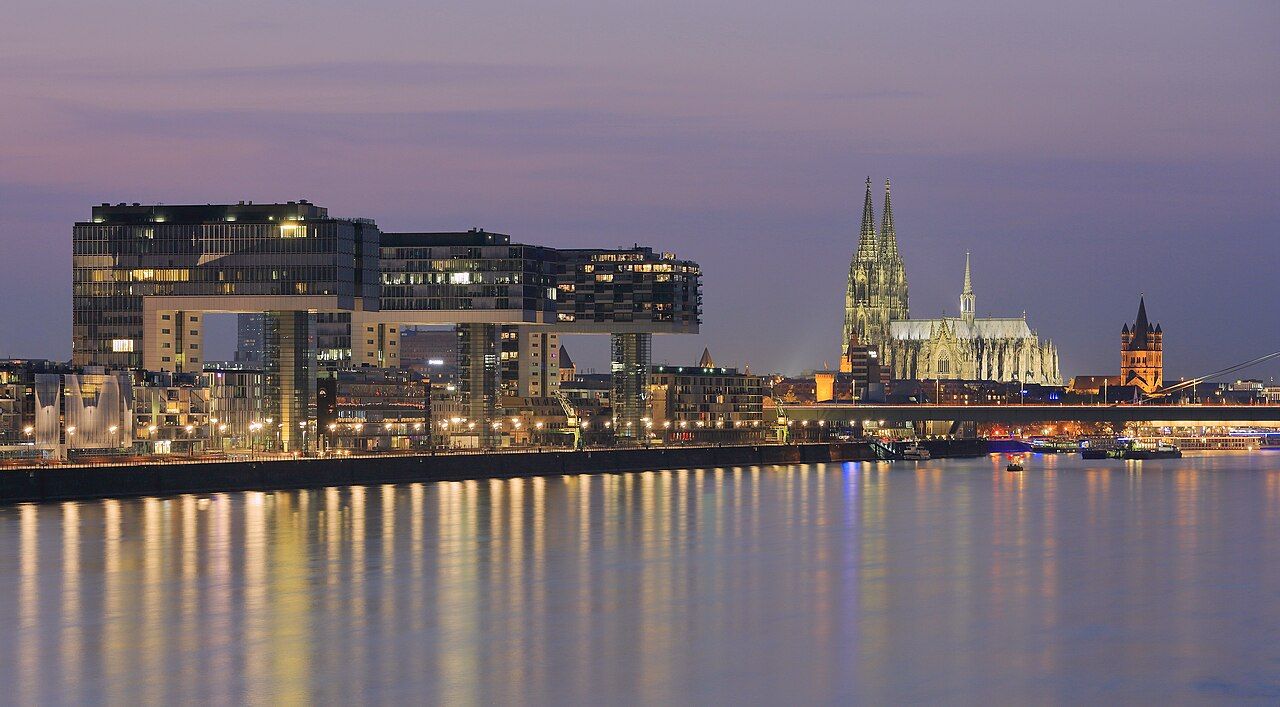
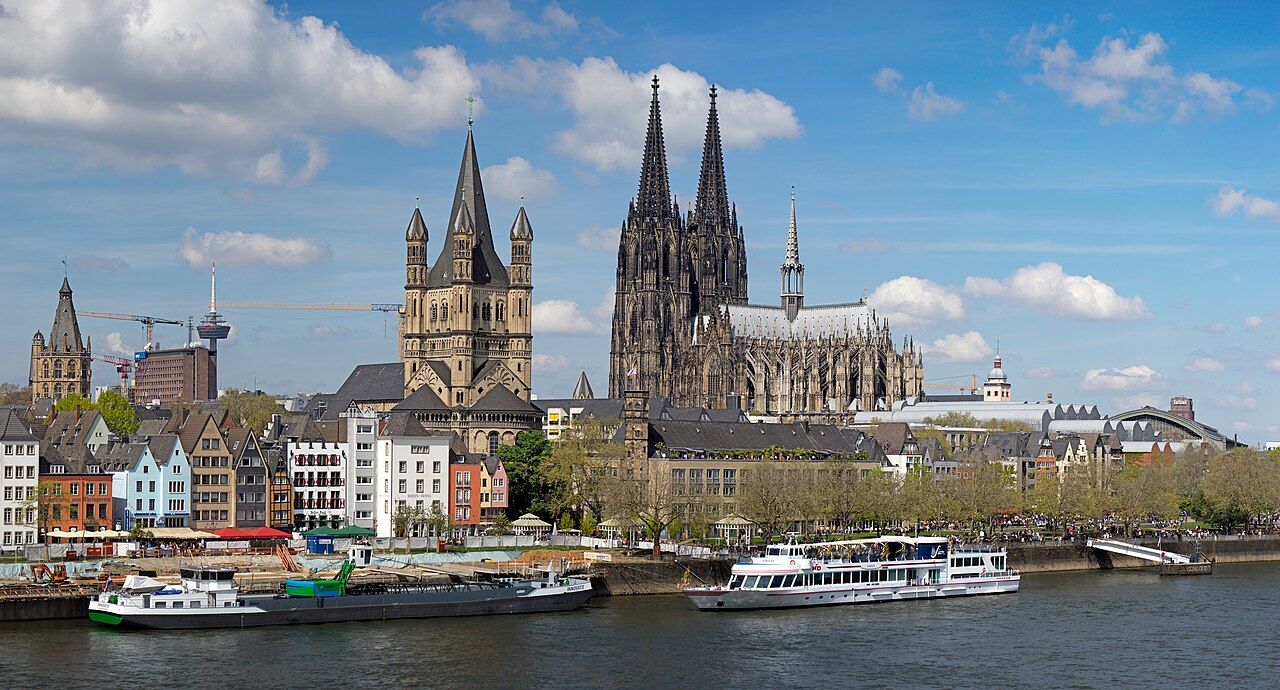
A friendly Rhine city dominated by its twin-spired cathedral, which stands beside the main station, so a short break needs no transfers once you arrive. The old town by the river is full of brewery taverns serving Kölsch. Much of the centre was rebuilt plainly after the war; the character is in the people and the pubs.

about 25 min from CGN Open in Google Maps
4

Middle Rhine

CastlesWineSlow travel

The UNESCO-listed gorge between Bingen and Koblenz, where castles crown the slopes above steep vineyards and villages like Bacharach and St Goar sit at the water's edge. Boats run from spring to autumn and a railway follows each bank. It is peaceful by day, but freight trains rumble through at night, so ask for a room away from the tracks.

about 1h 53m from CGN Open in Google Maps
5

Nuremberg

Christmas marketsHistorySausages

A walled old town beneath the Kaiserburg castle, rebuilt after the war, with the Christkindlesmarkt, one of Germany's oldest Christmas markets, on its main square. The Nazi Party Rally Grounds and the courtroom of the Nuremberg trials tell the darker story. Rooms inside the walls go early for the Advent weekends.

about 1h 43m from MUC Open in Google Maps
6

Dresden

Baroque architectureArtChristmas markets

The Saxon capital was destroyed in 1945 and rebuilt over decades, most famously the Frauenkirche, reconsecrated in 2005. The Zwinger's galleries and the treasures of the Green Vault fill a couple of days, and the Striezelmarkt has been held since 1434. Evenings are calmer than in Berlin.

about 1h 54m from BER Open in Google Maps

Things to do

Things to do in Germany

HistoryA

Reichstag dome

Norman Foster's glass dome on the parliament building is free to visit, but you must register online in advance, and summer slots go days ahead. Bring photo ID for the security check; an audio guide explains the view as you spiral up.

HistoryB

Berlin Wall Memorial

On Bernauer Strasse a preserved stretch of the Wall, with its death strip and watchtower, runs for over a kilometre beside an open-air exhibition and a viewing platform. It is free, and the clearest way to understand how the city was divided.

CultureC

Museum Island

Five museums on an island in the Spree, including the Neues Museum with the bust of Nefertiti. The Pergamon Museum is closed for rebuilding until mid 2027, so confirm which museums are open before giving it a whole day.

Day tripsD

Neuschwanstein

King Ludwig II's fairytale castle above Füssen is seen only on a short guided tour with a fixed entry time. Book online well ahead, as summer days sell out, and allow for a steep walk or a horse-drawn carriage up from the village.

CultureE

Cologne Cathedral

The Gothic cathedral took more than six centuries to complete and towers over the square beside the station. Since July 2026 sightseeing visitors pay to go in, while services remain free; the 533-step tower climb is a separate ticket.

FoodF

The English Garden

Munich's great city park, larger than New York's Central Park, with meadows, beer gardens under chestnut trees and, when the city allows, surfers riding a standing wave on the Eisbach. Traditional beer gardens let you bring your own food as long as you buy their drinks.

On the waterG

The Rhine by boat

Boats between Bingen or Rüdesheim and Koblenz pass the Loreley rock and a castle on almost every bend. Travelling downstream is quicker; the whole stretch takes most of a day, so many people sail one way and take the train back.

HistoryH

Burg Eltz

A turreted medieval castle in a wooded side valley of the Moselle, still owned by the same family after more than 850 years. Guided tours run from spring to autumn only, and the walk down from the car park takes about fifteen minutes.

NatureI

Bastei Bridge, Saxon Switzerland

A sandstone bridge spanning rock towers high above the Elbe, the showpiece of Saxon Switzerland National Park. Trains from Dresden run to Kurort Rathen, where a small ferry crosses to the steep path up; go early to beat the coaches.

Food and drink

What to eat and drink

  • Currywurst

    Sliced pork sausage under curry-spiced ketchup, a post-war Berlin invention eaten standing at an Imbiss stand with chips or a bread roll.

  • Weisswurst and pretzels

    Munich's white veal sausages, poached and served with sweet mustard and a soft pretzel, traditionally eaten before noon. Peel them rather than eating the skin.

  • Kölsch

    Cologne's pale, light beer, served in slim 0.2-litre glasses by waiters who replace each empty one until you lay a beer mat on top.

  • Lebkuchen and Glühwein

    Nuremberg's spiced gingerbread, the best made with very little flour, and hot mulled wine at every Christmas market. The mug carries a deposit, returned when you hand it back, or keep it as a souvenir.

  • Riesling

    Germany's great white grape, grown on the steep slate slopes of the Moselle and the Rhine. Trocken on the label means dry; plenty of German wine is sweeter than British drinkers expect.

  • Schweinshaxe

    Roast pork knuckle with crackling skin, potato dumplings and sauerkraut, the Bavarian beer hall feast. One is plenty for most appetites.

Weather and seasons

When to go to Germany

For city breaks, Germany's busiest and dearest weeks are not in summer at all. From late November, Christmas markets fill the old squares, December nights in Berlin average around 2°C, and weekend rooms in Cologne, Nuremberg and Dresden go early; many close on or just before Christmas Eve. Oktoberfest takes over Munich from mid-September into early October, and every room in the city costs more that fortnight. July is warm, with Berlin reaching about 26°C and the beer gardens full, while May and June bring long evenings and white asparagus on every menu. January and February are grey and cold, but hotels and museums are at their quietest.

Worth timing a trip around

11 November, then February or March

Cologne Carnival

The season opens at 11.11am on 11 November, but the street carnival peaks in the week before Lent, from Women's Carnival on the Thursday to the Rose Monday parade, with costumes everywhere, sweets thrown from floats and bars packed from morning.

May to September

Rhine in Flames

On set summer Saturdays, towns along the Rhine light their castles with red flares and fire fireworks over the river while convoys of boats watch from the water. Boat tickets and riverside rooms sell out months ahead.

Mid September to early October

Oktoberfest, Munich

About sixteen days of beer tents, brass bands and fairground rides on the Theresienwiese. Tent tables are booked months ahead for evenings and weekends, but weekday mornings are easy without a reservation.

October

Festival of Lights, Berlin

For about ten days, projections light up the Brandenburg Gate, Berlin Cathedral, the TV Tower and dozens of other landmarks each evening, free to wander between.

Late November to Christmas

Christmas markets

Nuremberg's Christkindlesmarkt opens with the Christkind's prologue from a church balcony, Dresden's Striezelmarkt dates back to 1434, and Cologne has several markets, including one beneath the cathedral. Weekday evenings are the gentlest time to go.

Daytime high to night-time low Rainfall
January: 45 mm of rainFebruary: 38 mm of rainMarch: 40 mm of rainApril: 27 mm of rainMay: 26 mm of rainJune: 53 mm of rainJuly: 60 mm of rainAugust: 48 mm of rainSeptember: 34 mm of rainOctober: 40 mm of rainNovember: 46 mm of rainDecember: 44 mm of rainJanuary: highs 5°C, lows 0°CFebruary: highs 7°C, lows 0°CMarch: highs 10°C, lows 2°CApril: highs 15°C, lows 5°CMay: highs 20°C, lows 9°CJune: highs 25°C, lows 14°CJuly: highs 26°C, lows 15°CAugust: highs 26°C, lows 15°CSeptember: highs 22°C, lows 11°COctober: highs 15°C, lows 8°CNovember: highs 9°C, lows 3°CDecember: highs 6°C, lows 2°C5°0°J7°0°F10°2°M15°5°A20°9°M25°14°J26°15°J26°15°A22°11°S15°8°O9°3°N6°2°D
See the numbers
MonthHighLowRain
January5°C0°C45 mm
February7°C0°C38 mm
March10°C2°C40 mm
April15°C5°C27 mm
May20°C9°C26 mm
June25°C14°C53 mm
July26°C15°C60 mm
August26°C15°C48 mm
September22°C11°C34 mm
October15°C8°C40 mm
November9°C3°C46 mm
December6°C2°C44 mm

Temperatures are 2015 to 2024 averages from NOAA records for Berlin-Tempelhof, 6 km away at 48 m. Rainfall is from the same station and shows the typical (median) month, so one freak storm does not skew it.

Money

What Germany costs

German city hotels usually give more room for the money than British ones, but trade fairs change that overnight: a big fair in Munich, Frankfurt, Cologne or Düsseldorf can double rates across town, so we check the fair calendar before quoting. Advance fares on the fast trains cost far less than tickets bought on the day. In market season, spend on a room you can walk home to from the old centre; a long, cold tram ride back undoes a good evening.

Flights and transfers

Getting to Germany from the UK

Direct flights link Manchester with Berlin, Munich, Frankfurt and Düsseldorf year-round, with more seasonal routes in the market weeks. The trains between German cities are part of the pleasure and make two-city trips easy.

Flights from UK airports

Berlin Brandenburg BER

  • Leeds BradfordDirect, about 2h 05m
  • ManchesterDirect, about 1h 55m
  • NewcastleDirect, about 1h 55m

Munich MUC

  • Leeds BradfordWith a connection, about 3h 35m
  • ManchesterDirect, about 2h
  • NewcastleWith a connection, about 3h 40m

Cologne Bonn CGN

  • Leeds BradfordWith a connection, about 4h 01m
  • ManchesterDirect, about 1h 35m
  • NewcastleWith a connection, about 3h 55m

Route check September 2026. Some routes are seasonal and schedules change, so we confirm the live options when we quote.

Practical details

Know before you go

Time

1 hour ahead of the UK

Currency

Euro (€)

Language

German

Plugs

Type C and F, 230V

Driving

On the right

Tap water

Safe to drink, although restaurants rarely serve it and usually bring bottled water

Tipping

Round up or add 5 to 10 percent, saying the total you want to pay as you hand over the money

Entry for British passport holders

Visa. No visa needed for tourist stays of up to 90 days in any 180-day period across the Schengen area.

Passport. Issued less than 10 years before you arrive, and valid for at least 3 months after the day you leave the Schengen area.

The EU Entry/Exit System is now in use, so you may be asked to register your fingerprints and photo at the border on your first visit. It is free.

Summarised from the FCDO travel advice on gov.uk, checked 29 September 2026. Rules change: read the current entry requirements and the full travel advice before you go.

Questions we get asked

Germany FAQs

Which German city is best for Christmas markets?+

It depends on the feel you want. Nuremberg's Christkindlesmarkt is the traditional one, with wooden stalls, gingerbread and strict rules on what can be sold. Cologne has several markets close together by the cathedral and the river, easy for a short break. Dresden's Striezelmarkt is the oldest of the three, in the most elegant setting.

Is Berlin or Munich better for a first visit?+

Berlin for twentieth-century history, big museums and nightlife, in a sprawling city that rewards three nights. Munich for a compact, polished old town, beer gardens and day trips to Neuschwanstein and the Alps. Families and first-timers wanting ease often prefer Munich; history lovers and groups usually pick Berlin.

How do you travel between German cities?+

By fast train, which runs centre to centre and beats a hire car on most routes. Advance fares booked for a specific train are much cheaper than flexible tickets, and a seat reservation is worth adding on Fridays and Sundays. Long-distance trains run late more often than their reputation suggests, so we leave slack before flights.

Do you need cash in Germany?+

More than in Britain. Cards are now widely accepted, but many bakeries, beer gardens, market stalls and small restaurants still prefer cash or set a card minimum. Carry some euros, and check before you order in traditional places.

How long should we spend in Berlin?+

Three nights for a first visit: one day for the government quarter and the Holocaust memorial, one for the Wall and Museum Island, and one for a neighbourhood or Potsdam's palaces. Add a fourth for a slower pace or a day in Dresden.

Can you go to Oktoberfest without a table booking?+

Yes. Entry to the grounds and tents is free, and every big tent keeps unreserved areas, but they fill by midday at weekends and on the opening days. Go on a weekday morning or early afternoon, keep your group small, and you can usually find a seat. Evenings and weekends need a reservation.

Your world, your way

Thinking about Germany?

Tell us roughly what you have in mind. We will compare the flights, hotels, routes and operators, explain the trade-offs and build the version that works for you.

Start your trip