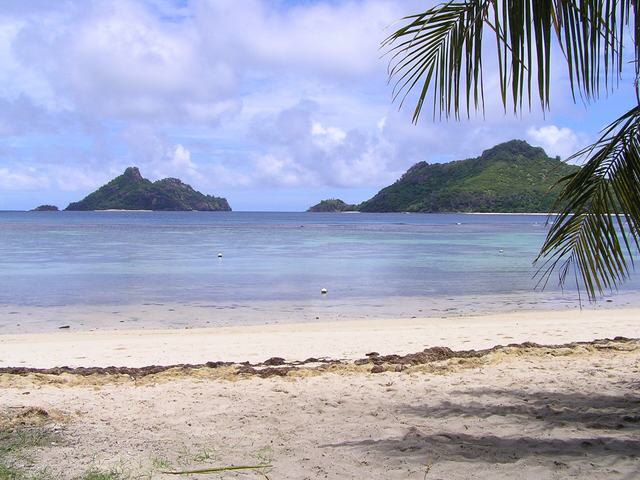
A long journey worth designing with care, with busy exploration balanced by slower island time.
Research-led guideHoneymoonsBig tripsBeach finish
Photo: Benh LIEU SONG (Flickr), CC BY-SA 4.0 source
Journey20h 40m with a stopfrom London Heathrow
Time12 hours ahead of the UK in winter, 11 hours in summer
Typical stay3 to 4 weeks
CurrencyAustralian dollar (A$) in Australia, Fijian dollar (FJ$) in Fiji
How we book itBuilt by us
Is it right for you?
Who Australia and Fiji suits
A strong fit for
Once-in-a-lifetime trips, honeymoons and extended travel.
We would think twice for
Tight schedules and tight budgets, because this is the biggest journey we build, and compressing it or economising the connections is how a dream trip becomes a slog.
What we would want you to know
Too many stops turn the trip into packing and airports.
Our research-led view
Australia we know from our own travels. The Fiji end of this route we know from research and from booking the whole combination for clients, down to the connections between the two countries. That mix is why we treat the Pacific leg as a flight to plan the trip around rather than a footnote at the end.
We have not been here ourselves yet and will never pretend otherwise. This advice comes from the operator, mapping, hotel and transfer research we do for real enquiries.
The route
Three and a half weeks from the harbour to the lagoon
Nights 1 to 4
Sydney
Arrive, rest and let the harbour do the work: ferries, a coastal walk and a first proper night out once the jet lag lifts.
Nights 5 to 8
Port Douglas
Fly north for the reef and rainforest, with an outer reef day, the Daintree and a spare day in case the wind blows.
Nights 9 to 12
Airlie Beach
Head south to the Whitsundays for a day sail or two nights on a yacht, as the pace of the trip starts to slow.
Night 13
Denarau
Cross the Pacific to Fiji and spend a night near Nadi, with the market and the mud pools if you still have the energy.
Nights 14 to 21
Mamanuca Islands
Take the boat or seaplane out to the islands and stop entirely: snorkelling, a kava ceremony and nothing on the list you have to do.
An idea to react to, not a fixed package. We shape the real thing around your dates, your pace and what the flights are doing that season.
Map and stops
The places on the route
Places to stay Things to do Airports
1
Sydney
ArrivalHarbourFirst nights
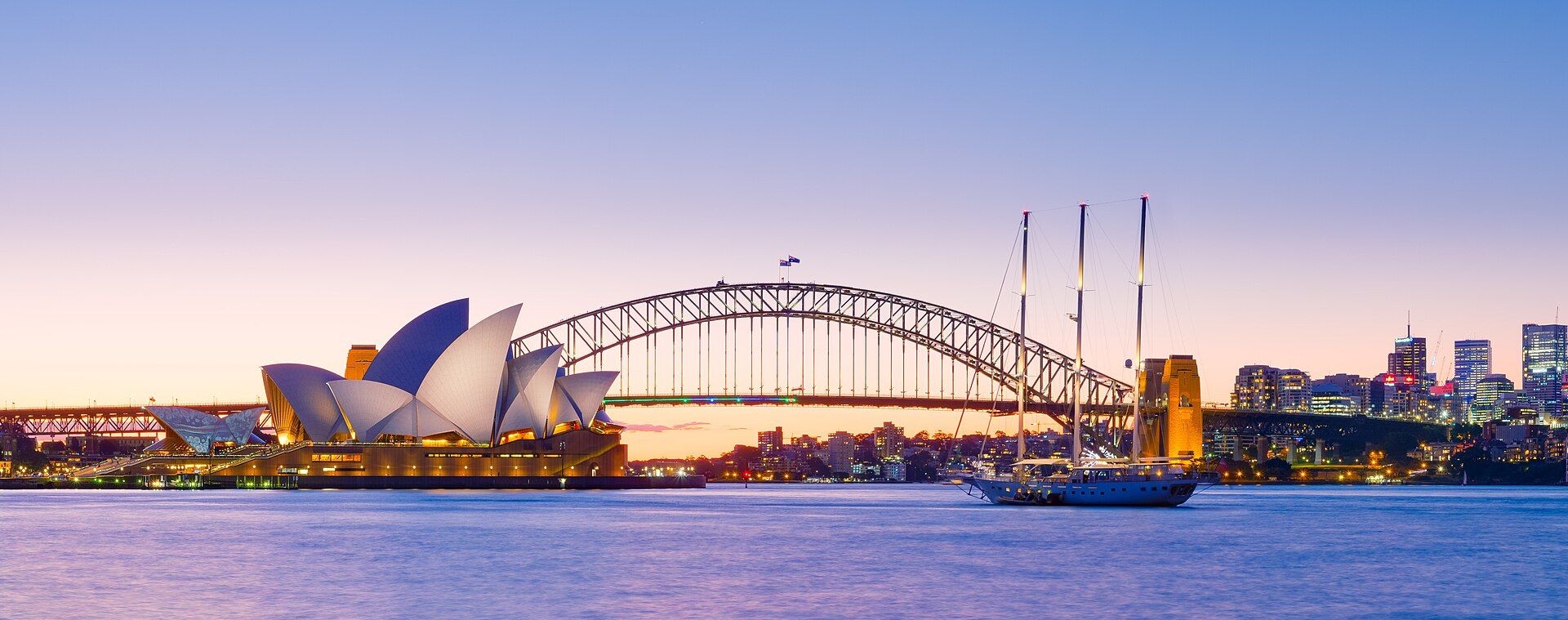
The natural first stop after the long flight, with enough to fill three or four nights at an easy pace while your body clock catches up. Staying near the harbour keeps sightseeing on foot. The city has its own page; on this route its job is to get you over the jet lag in style.
The reef base we tend to suggest on this route: smaller and calmer than Cairns, with outer reef boats and the Daintree both close by. Three or four nights allows for a reef day, a rainforest day and a spare in case the weather moves a boat trip.
The gateway to the Whitsundays, where the pace starts to drop. A day sail or two nights on a yacht bridges the busy Australian half of the trip and the stillness of Fiji. Basing yourselves on Hamilton Island instead trades choice for convenience.
A resort enclave near Nadi built around the marina where most island boats depart. It works well for a night between flights and boats, with shops and restaurants on hand, but it is the islands, not Denarau, that most people cross the Pacific for.
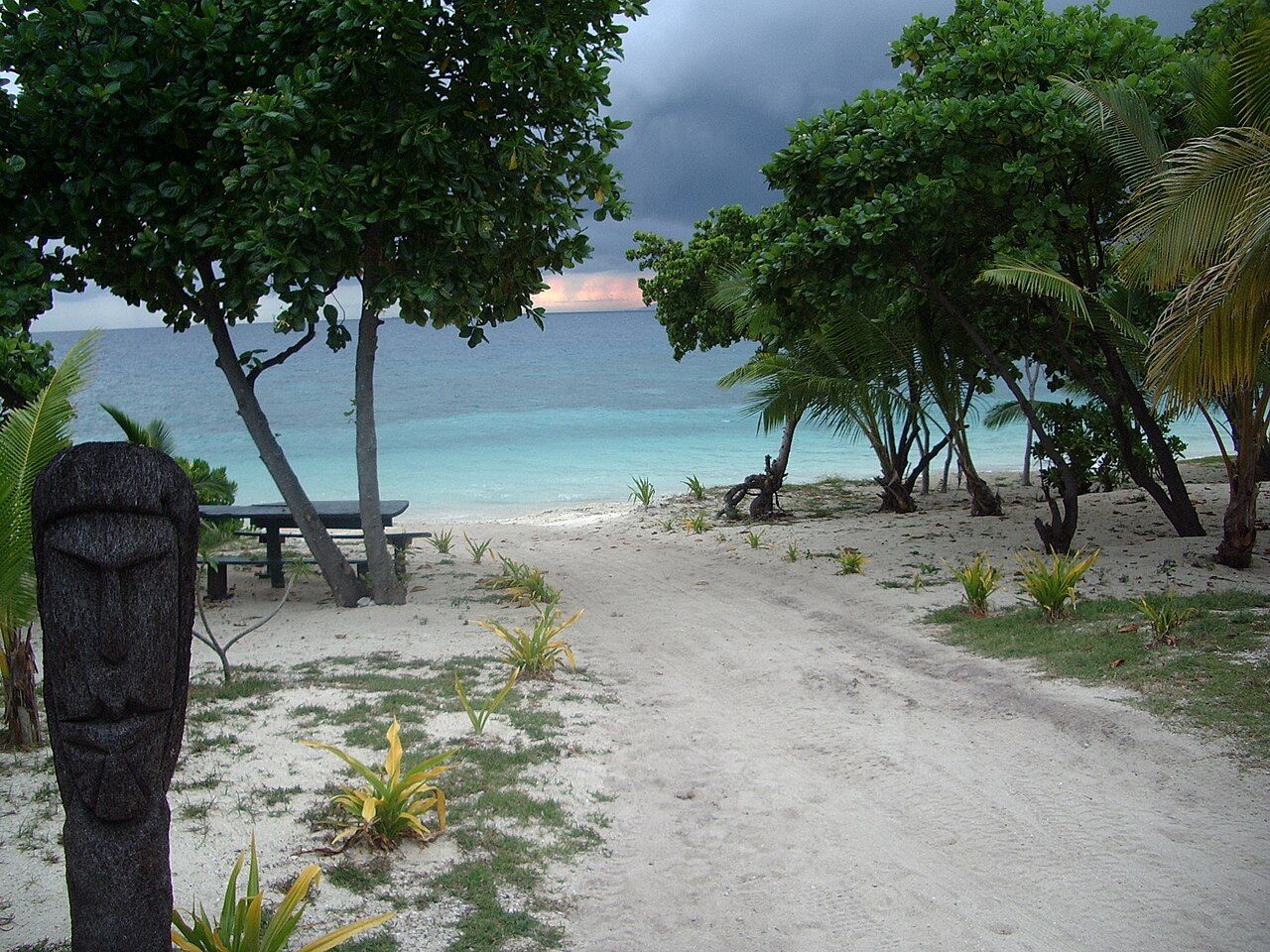
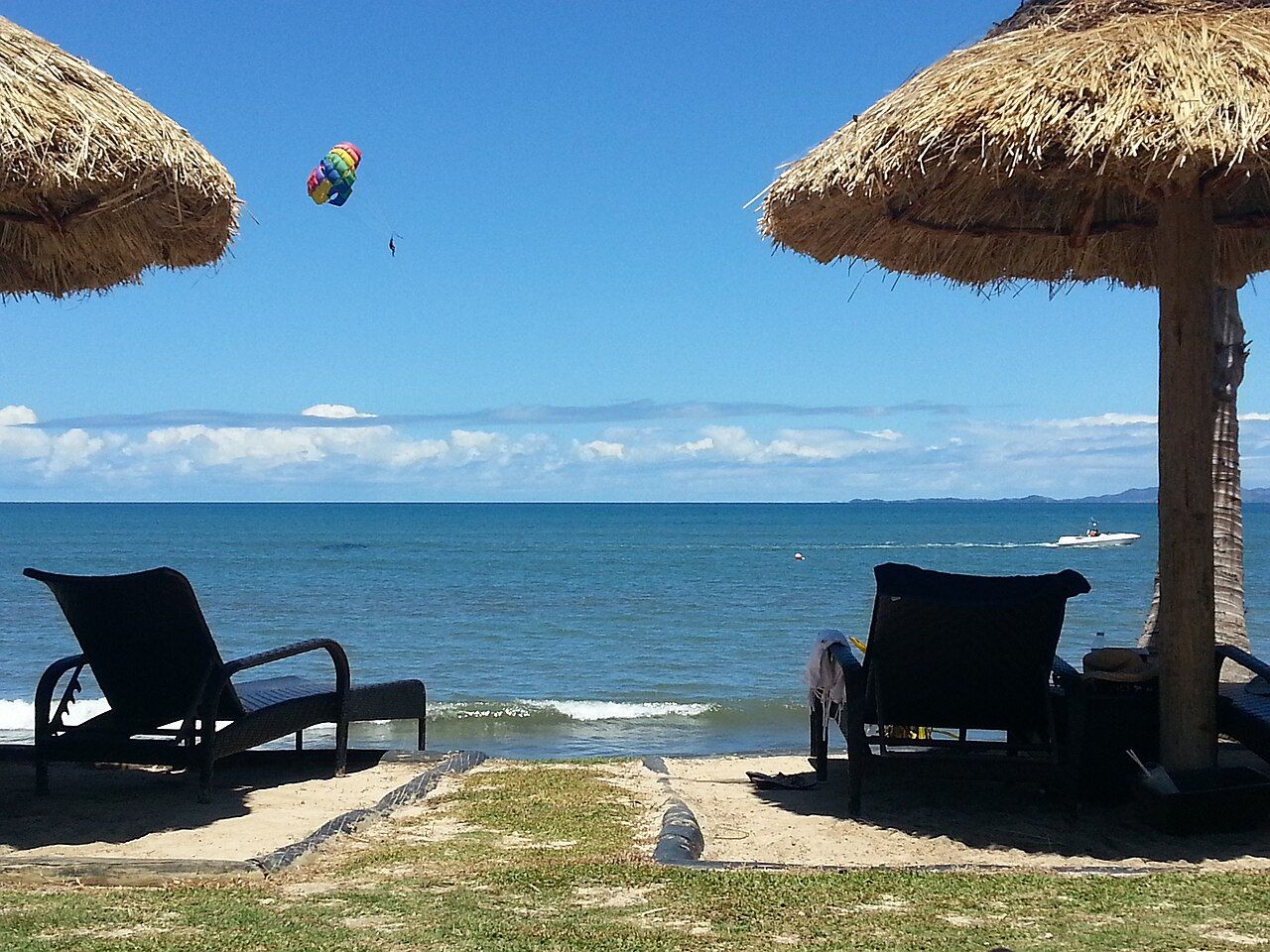
The islands nearest Nadi, reached by boat or seaplane, and the easiest way to end on a beach without another long transfer. A week here, with no car, no sightseeing and meals sorted in advance, is the full stop the whole route is designed around.
The route lines up best between May and October. Fiji is in its dry season then, with Nadi's July days around 29°C and nights near 19°C, while Queensland's tropical coast is dry and outside stinger season. Sydney is cool at that time of year, fine for sightseeing rather than swimming. From November to April Fiji turns hotter and wetter, with around 337mm of rain in January and cyclones possible, just as Sydney reaches its summer best, so the two ends pull in opposite directions. Fijian resorts fill with Australian and New Zealand families in their school holidays, so early July and Christmas are worth avoiding.
Worth timing a trip around
February to June
Super Rugby season
Australian teams and Fiji's own Drua play through the southern autumn, with the Drua's home games in Suva and Lautoka famously loud. If rugby matters to your party, check the fixture list before the dates are fixed.
July
Bula Festival
Nadi's week-long town festival, with parades, rides, food stalls and the crowning of Miss Bula. A lively, very local week if your arrival falls during it.
October or November
Diwali
The Hindu festival of lights is a public holiday in Fiji, and Indo-Fijian homes and shops across Nadi and Lautoka glow with oil lamps and fireworks.
Daytime high to night-time low Sea temperature Rainfall
See the numbers
Month
High
Low
Sea
Rain
January
32°C
23°C
29°C
337 mm
February
32°C
24°C
29°C
470 mm
March
31°C
23°C
29°C
343 mm
April
31°C
23°C
29°C
134 mm
May
30°C
21°C
28°C
72 mm
June
29°C
20°C
27°C
47 mm
July
29°C
19°C
26°C
7 mm
August
29°C
19°C
26°C
52 mm
September
30°C
20°C
26°C
53 mm
October
31°C
21°C
27°C
131 mm
November
31°C
22°C
28°C
117 mm
December
32°C
23°C
28°C
219 mm
Temperatures are 2015 to 2024 averages from NOAA records for Nadi Intl, 1 km away at 18 m. Rainfall is from the same station and shows the typical (median) month, so one freak storm does not skew it. Sea temperatures: NOAA OISST, 1991 to 2020.
See the numbers
Month
High
Low
Sea
Rain
January
32°C
24°C
29°C
451 mm
February
32°C
24°C
29°C
300 mm
March
32°C
23°C
28°C
242 mm
April
30°C
22°C
27°C
175 mm
May
28°C
20°C
26°C
83 mm
June
27°C
19°C
24°C
51 mm
July
27°C
18°C
24°C
38 mm
August
28°C
17°C
24°C
15 mm
September
29°C
19°C
25°C
25 mm
October
30°C
21°C
26°C
41 mm
November
32°C
22°C
27°C
31 mm
December
32°C
23°C
28°C
148 mm
Temperatures are 2015 to 2024 averages from NOAA records for Cairns Post Office, 2 km away at 2 m. Rainfall is from the same station and shows the typical (median) month, so one freak storm does not skew it. Sea temperatures: NOAA OISST, 1991 to 2020.
See the numbers
Month
High
Low
Sea
Rain
January
28°C
20°C
23°C
111 mm
February
27°C
19°C
23°C
150 mm
March
26°C
18°C
23°C
204 mm
April
24°C
15°C
22°C
103 mm
May
21°C
11°C
21°C
64 mm
June
18°C
9°C
20°C
155 mm
July
18°C
9°C
19°C
49 mm
August
19°C
9°C
18°C
72 mm
September
22°C
11°C
18°C
56 mm
October
24°C
14°C
19°C
57 mm
November
25°C
16°C
20°C
93 mm
December
27°C
18°C
21°C
103 mm
Temperatures are 2015 to 2024 averages from NOAA records for Sydney (Observatory Hill), 1 km away at 40 m. Rainfall is from Sydney Botanic Gardens, 1 km away and shows the typical (median) month, so one freak storm does not skew it. Sea temperatures: NOAA OISST, 1991 to 2020.
Things to do
Things to do in Australia and Fiji
NatureA
Garden of the Sleeping Giant
An orchid garden at the foot of the Sabeto hills north of Nadi, with forest paths, lily ponds and a large orchid collection. It makes a gentle first morning in Fiji, or a way to fill the hours before a late flight.
WellnessB
Sabeto mud pools and hot springs
Plaster yourself in warm mud, let it bake dry in the sun, then soak it off in hot spring pools in the Sabeto valley. Wear an old swimsuit, because the mud stains.
CultureC
Sri Siva Subramaniya Temple
A brightly painted Hindu temple in the South Indian style at the southern edge of Nadi town, and a reminder of Fiji's large Indo-Fijian community. Cover shoulders and knees, and expect to take your shoes off.
FoodD
Nadi market
The town's produce market is piled with taro, cassava, tropical fruit and bundles of kava root. Go in the morning, carry small notes and ask before photographing stallholders.
Adventure
A seaplane to the islands
Seaplanes and helicopters fly from Nadi to many Mamanuca and Yasawa resorts, turning the last leg into a scenic flight over reefs and sandbars. Luggage limits are strict, so plan a small bag for the islands.
WildlifeE
Magnetic Island
A granite island a short ferry ride from Townsville, with wild koalas often seen in the trees along the Forts Walk and quiet bays for snorkelling. It makes a good two-night break between the reef and the Whitsundays if you are driving the coast.
WildlifeF
Lady Elliot Island
A small coral cay at the southern tip of the Great Barrier Reef, reached by light aircraft, with manta rays and turtles close to shore and turtles nesting in the southern summer. It fits a route that starts in Brisbane rather than Sydney.
Food and drink
What to eat and drink
Indo-Fijian curry
Fiji's curries come from the Indian families who arrived to work the sugar cane fields, and Nadi and Lautoka are the places to eat them: fish, chicken or goat, with rice or roti.
Roti parcels
Soft flatbreads wrapped around curry, sold from small shops in Nadi as a filling, cheap lunch.
Kangaroo
Lean, rich red meat served as steaks or sausages and sold in Australian supermarkets. Order it rare to medium, because it toughens quickly.
Anzac biscuits
Oat, coconut and golden syrup biscuits linked to the soldiers of the First World War, and a good snack for the long drives between Australian stops.
Money
What Australia and Fiji costs
Three things move the price of this trip most: the cabin on the long-haul flights, the number of internal hops, and the grade of the Fiji resort at the end. Keep the route to four or five bases and the flights stay manageable. Premium economy for the long legs and a better room for the final week are where we would put extra money, because Fiji is where you finally stop. Booking nine months to a year ahead gives the widest choice of both.
What things cost there
Curry or roti lunch in Nadi townFJ$8 to FJ$18
Local beer in a town bararound FJ$6 to FJ$10
Bottle of water from a shopFJ$2 to FJ$4
Taxi from Nadi airport to Denarauaround FJ$25 to FJ$40
Garden or mud pool entry near Nadi, adultaround FJ$20 to FJ$40
Boat transfer to a Mamanuca island, one way, adultaround FJ$100 to FJ$200
Sulu (sarong) from the marketFJ$15 to FJ$30
Nadi town is cheap for food and souvenirs; prices jump once you are inside a resort or out on an island, where there is little competition.
Typical prices in tourist areas, checked September 2026. A guide to budget with, not a quote.
Flights and transfers
Getting to Australia and Fiji from the UK
Out through Asia to Australia, home across the Pacific or back the way you came: this is a route where the flight geometry shapes the holiday. Fiji connects to the Australian east coast with direct services, which is what makes the beach finish practical rather than heroic.
Flights from UK airports
Sydney Kingsford Smith SYD
ManchesterWith a connection, about 23h 35m
London HeathrowWith a connection, about 22h 05m
London GatwickWith a connection, about 21h 45m
Cairns CNS
ManchesterWith a connection, about 21h 25m
London HeathrowWith a connection, about 20h 40m
London GatwickWith a connection, about 22h
Nadi International NAN
ManchesterWith a connection, about 29h 25m
London HeathrowWith a connection, about 24h 05m
London GatwickWith a connection, about 30h 05m
Route check September 2026. Some routes are seasonal and schedules change, so we confirm the live options when we quote.
Practical details
Know before you go
Time
12 hours ahead of the UK in winter, 11 hours in summer
Currency
Australian dollar (A$) in Australia, Fijian dollar (FJ$) in Fiji
Language
English in both; Fijian and Fiji Hindi are also widely spoken in Fiji
Plugs
Type I in both, 230V in Australia and 240V in Fiji
Driving
On the left in both countries
Tap water
Safe in Australia; in Fiji most visitors drink bottled or filtered water
Tipping
Not expected in either country; Fijian resorts often keep a staff fund box if you want to say thank you
Entry for British passport holders · Australia
Visa. You need a visa, and British citizens can usually get an electronic one before travelling. The eVisitor visa is free; the ETA through the official app has a service fee.
Passport. Valid for your whole stay. Allow 6 months if you transit other countries on the way.
If you have three and a half weeks or more, yes. After the distances of Australia, a week in Fiji gives you real rest before the long journey home, and it is a short hop from the east coast. With less time, we would rather add a slower stop in Australia than squeeze Fiji into four nights.
Should Fiji go at the start or the end of the trip?+
At the end, nearly always. Australia is the busy half, with early starts and internal flights, and it is easier to rest once the sightseeing is done. Finishing on an island also means you set off for home relaxed rather than worn out.
How long do you need for Australia and Fiji together?+
Three and a half to four weeks. That allows Sydney, the reef, the Whitsundays and a week in Fiji without turning every third day into a travel day. With only three weeks, drop the Whitsundays or shorten Sydney rather than cut Fiji to a few nights.
How do you get from Australia to Fiji?+
By a short international flight from Australia's east coast into Nadi, Fiji's main airport. We time the Australian leg so it ends near a departure point, and we leave a buffer before the connection, because a missed onward flight on a trip like this is expensive to fix.
Do you need different money for Fiji?+
Yes, Fiji has its own dollar, and Australian dollars are rarely accepted in everyday shops. Cards work in resorts and larger stores, but carry some Fijian cash for markets, taxis and village visits.
What should we pack for Australia and Fiji in one trip?+
Layers for Sydney's cooler evenings, light clothes for tropical Queensland, and a sulu or other cover-up for Fijian villages, where shoulders and knees should be covered. A dry bag for boat days and plenty of reef-safe sunscreen work at both ends.
Photographs
Australia and Fiji in pictures
Photo: JaredWiltshire, CC BY-SA 3.0 sourcePhoto: Fijiisparadise, CC BY 3.0 source
Tell us roughly what you have in mind. We will compare the flights, hotels, routes and operators, explain the trade-offs
and build the version that works for you.