
Majorca

Europe · Beach and resort guide

Majorca

Easy to reach, varied and far more than one kind of beach holiday.

We’ve been hereFamiliesCouplesWalkable resorts
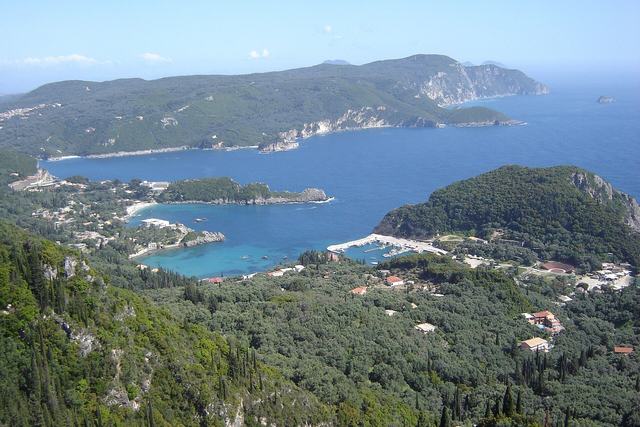
Photo: Krisztina.Konczos, CC BY-SA 2.0 source
Flight2h 35m directfrom Leeds Bradford
Time1 hour ahead of the UK
Typical stay7 or 14 nights
CurrencyEuro (€)
How we book itOperator package

Is it right for you?

Who Majorca suits

A strong fit for

Young families, couples, groups and short breaks.

We would think twice for

Anyone expecting the whole island to feel like the postcard, because the experience changes dramatically depending on the resort you choose.

What we would want you to know

The atmosphere changes completely from one resort to the next.

We’ve been here

We have been to Majorca ourselves, Beth most recently in spring 2026, and Palma is also where we have built city stays for clients as our own ATOL packages. Both have taught us to check every hotel's position on the map before we suggest it, because on this island the right bay matters as much as the right hotel.

From our trips

Majorca, as Beth filmed it

A Majorcan beach

Filmed by Beth on the trip itself and shown without sound. No stock footage.

Map and areas

Where to stay in Majorca

1

Puerto Pollensa

CouplesYoung familiesWalkers

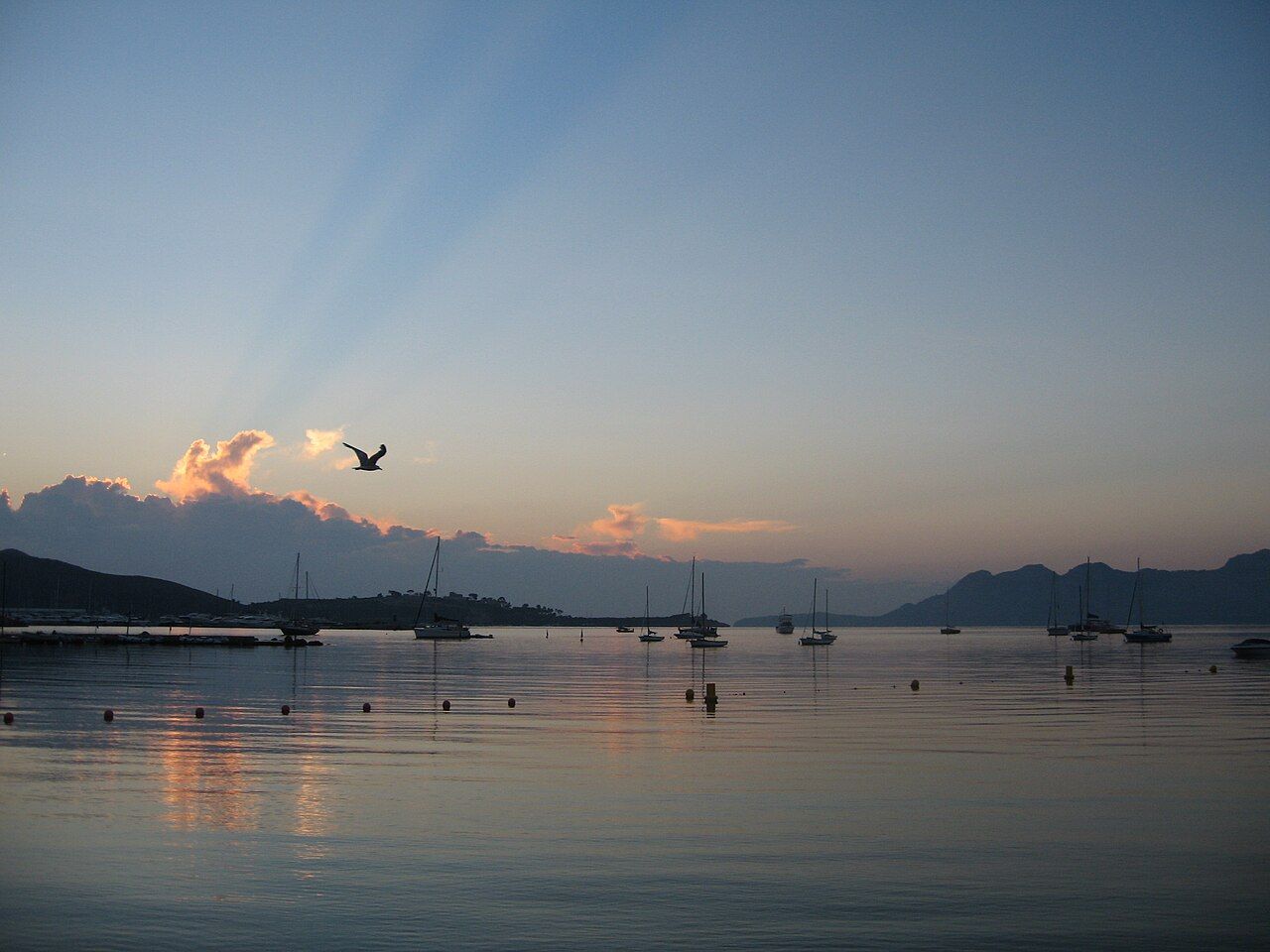
A low-rise bay resort in the north, with a pine-shaded seafront path and calm, shallow water that suits small children. Evenings revolve around restaurants rather than bars. The beach is narrow and fills by mid-morning in August, and it is one of the longer drives from the airport, which matters on a late flight.

about 1h 24m from PMI Open in Google Maps
2

Alcúdia

FamiliesAll inclusivePaddling

The port and the long beach running south from it make the island's main family base, with soft sand that shelves so gently that toddlers can wade a long way out. Hotels are large and many are all inclusive. The walled old town of Alcúdia, just inland, makes a good evening stroll.

about 1h 16m from PMI Open in Google Maps
3

Palma Nova and Magaluf

Short transfersGroupsBudget families

Neighbouring resorts on the west side of the Bay of Palma, close to the airport and full of facilities. Palma Nova is the calmer, family end with sheltered beaches, while Magaluf's main strip still draws a young party crowd in high summer. Which street the hotel is on matters more than its star rating.

about 51 min from PMI Open in Google Maps
4

Cala d'Or

CouplesSmall covesQuiet evenings

A white-painted, low-rise resort in the south east, built around a string of small coves and a marina. It feels calm and well kept, with plenty of good places to eat. The coves are small and fill quickly in summer, so come ready to spend part of each day by a hotel pool.

about 1h 21m from PMI Open in Google Maps
5

Palma

City breaksFoodTwo-centre trips

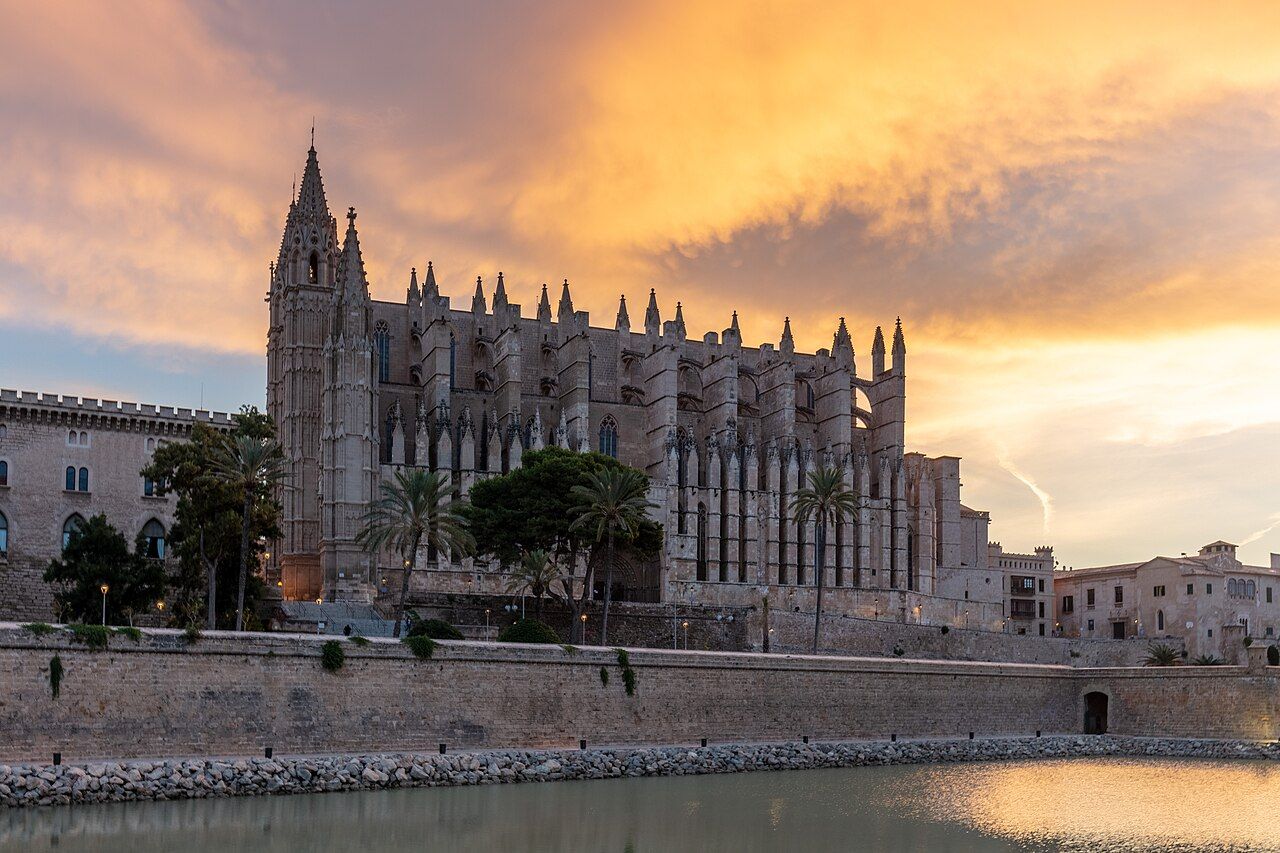
A real capital with a Gothic cathedral on the waterfront, a maze of old streets and some of the island's best places to eat. Central hotels are small, often in converted mansions, and many have no pool. It works as a short break or the first nights of a two-centre, not as a beach week.

about 45 min from PMI Open in Google Maps
6

Port de Sóller

WalkersCouplesMountain scenery

A horseshoe bay on the north-west coast with the Tramuntana mountains rising behind it and the old town of Sóller a short ride inland. The beaches are small and the resort is compact. It suits walkers and couples; families wanting a big beach and kids' clubs will be happier in the north east.

about 1h 06m from PMI Open in Google Maps

Weather and seasons

When to go to Majorca

The sea, not the air, decides the best weeks on Majorca. June already reaches 28°C, but the water is only around 22°C, so families who want long swims do better in September, when it is still close to 25°C and the school holidays are over. August is the hottest and most crowded month, averaging 31°C, with Spanish families on holiday alongside everyone else. April and late October suit walkers and cyclists in the Tramuntana mountains, but many hotels in the northern resorts open only in spring and close by November, so we check what is trading before we quote a late bargain.

Worth timing a trip around

16 to 17 January

Sant Antoni

Bonfires, dancing devils and blessings of animals in towns such as Sa Pobla and Artà, a winter festival with a very local feel.

January and February

Almond blossom

Much of the island's farmland turns white and pink as the almond trees flower, a good reason for a winter walking or touring break.

May

Es Firó, Sóller

Sóller re-enacts its 1561 battle against pirate raiders, with hundreds of locals in costume charging along the port and through the town.

2 August

Moors and Christians, Pollença

A mock battle through the streets of Pollença marks the defeat of a pirate raid in 1550. Loud, crowded and best watched from a safe corner.

Daytime high to night-time low Sea temperature Rainfall
January: 29 mm of rainFebruary: 35 mm of rainMarch: 42 mm of rainApril: 27 mm of rainMay: 18 mm of rainJune: 12 mm of rainJuly: 0 mm of rainAugust: 12 mm of rainSeptember: 59 mm of rainOctober: 44 mm of rainNovember: 46 mm of rainDecember: 27 mm of rainJanuary: highs 16°C, lows 9°CFebruary: highs 17°C, lows 9°CMarch: highs 18°C, lows 11°CApril: highs 20°C, lows 13°CMay: highs 24°C, lows 16°CJune: highs 28°C, lows 20°CJuly: highs 31°C, lows 24°CAugust: highs 31°C, lows 24°CSeptember: highs 28°C, lows 21°COctober: highs 25°C, lows 18°CNovember: highs 21°C, lows 13°CDecember: highs 18°C, lows 11°CJanuary: sea 15°CFebruary: sea 14°CMarch: sea 14°CApril: sea 16°CMay: sea 18°CJune: sea 22°CJuly: sea 25°CAugust: sea 26°CSeptember: sea 25°COctober: sea 22°CNovember: sea 19°CDecember: sea 16°C16°9°J17°9°F18°11°M20°13°A24°16°M28°20°J31°24°J31°24°A28°21°S25°18°O21°13°N18°11°D
See the numbers
MonthHighLowSeaRain
January16°C9°C15°C29 mm
February17°C9°C14°C35 mm
March18°C11°C14°C42 mm
April20°C13°C16°C27 mm
May24°C16°C18°C18 mm
June28°C20°C22°C12 mm
July31°C24°C25°C0 mm
August31°C24°C26°C12 mm
September28°C21°C25°C59 mm
October25°C18°C22°C44 mm
November21°C13°C19°C46 mm
December18°C11°C16°C27 mm

Temperatures are 2015 to 2024 averages from NOAA records for Palma De Mallorca Cmt, 3 km away at 3 m. Rainfall is from the same station and shows the typical (median) month, so one freak storm does not skew it. Sea temperatures: NOAA OISST, 1991 to 2020.

Sand, shingle and swimming

Beaches in Majorca

Platja d'Alcúdia

A long curve of fine, pale sand where the sea stays shallow far from the shore. Loungers, pedalos and lifeguards line the busier stretches, and the far end towards Can Picafort is quieter.

Es Trenc

An undeveloped sweep of white sand and dunes in the south, with clear, shallow water. There is no resort behind it, so bring shade and water; the car parks charge and fill early in summer.

Cala Mondragó

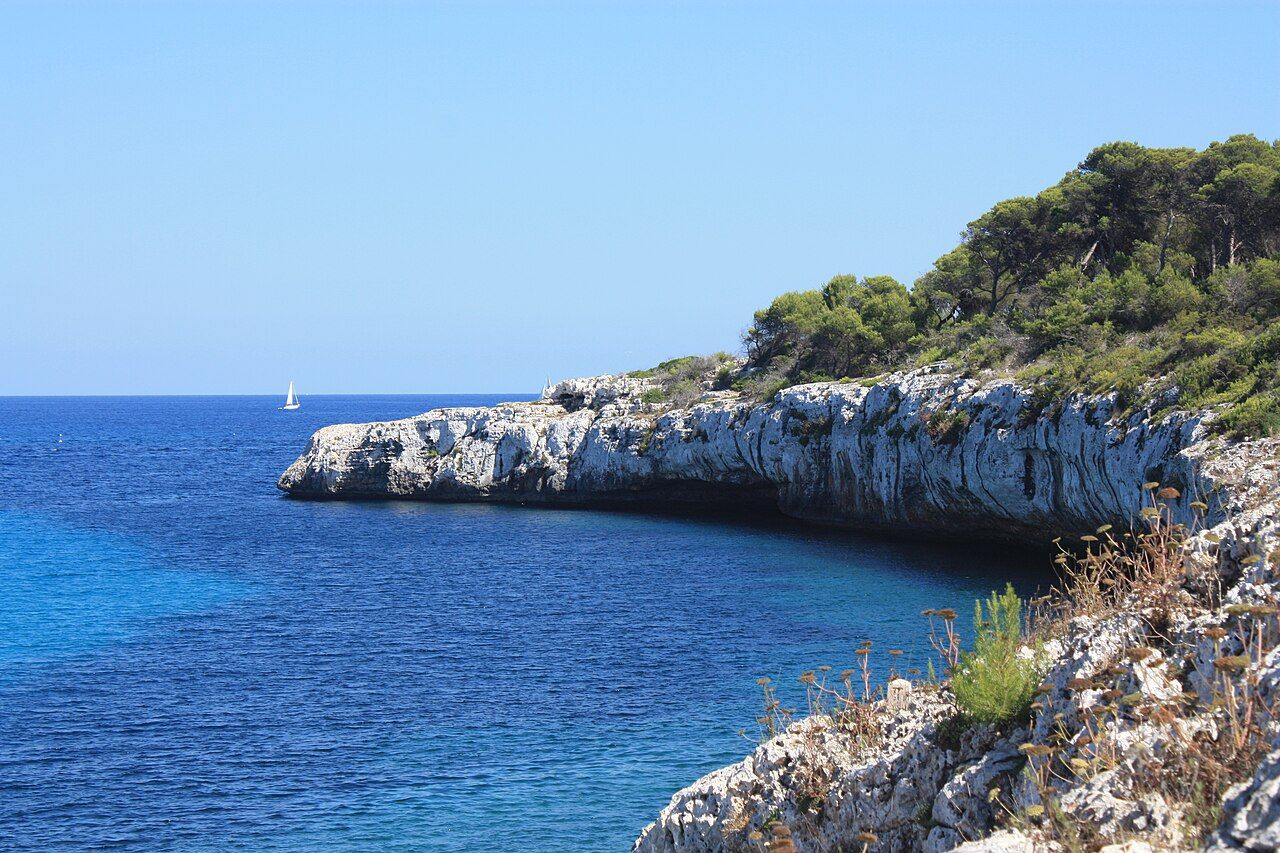
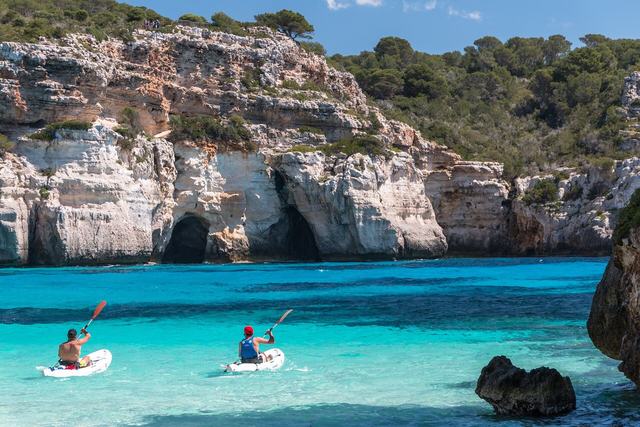
Two small sandy coves inside a natural park near Cala d'Or, backed by pines and rocks. Calm and sheltered, good for snorkelling, and busy by late morning in July and August.

Platja de Formentor

A narrow strip of sand shaded by pines on the Formentor peninsula, with calm, clear water. Parking is limited, so the boat from Puerto Pollensa is the easier way to arrive in summer.

Cala Agulla

A wide bay of fine sand set in pine woods beside Cala Rajada in the north east. It shelves gently and has loungers and a snack bar, but it can turn choppy when the wind blows onshore.

Things to do

Things to do in Majorca

NatureA

Serra de Tramuntana

The mountain range along the north-west coast is a UNESCO World Heritage landscape of terraces, stone villages and monasteries. The coast road is slow and twisting, and walkers come in spring and autumn.

HistoryB

Palma Cathedral (La Seu)

The Gothic cathedral rises straight from the old sea walls. Inside, look for Gaudí's canopy over the altar and Miquel Barceló's ceramic chapel. Arrive at opening to see the rose windows before the cruise groups.

Day tripsC

The Sóller train

Wooden carriages have run from Palma through the mountains to Sóller since 1912. Take it one way and the bus or a hire car back, and travel early or late to avoid the coach tours.

FamilyD

Caves of Drach

Huge limestone caves at Porto Cristo, ending at an underground lake where a short classical concert plays from boats. Entry is by timed slot, so book ahead in summer, and expect plenty of steps.

NatureE

Cap de Formentor

The island's northern tip, with sheer cliffs, the Es Colomer viewpoint and a lighthouse at the end of a spectacular road. In high summer the lighthouse road has been closed to private cars during the day, so check before you drive.

CultureF

Valldemossa

A stone village in the mountains around a former Carthusian monastery, where Chopin and George Sand spent the winter of 1838 to 1839. Lovely, but crowded by midday, so go early.

ShoppingG

Sineu market

A market has filled the square of this inland town every Wednesday morning since the 14th century, selling produce, leather and crafts. It is a local market first, so arrive early, before the coaches.

AdventureH

Sa Calobra and Torrent de Pareis

A hairpin road drops to a tiny cove at the mouth of a deep gorge. It is a hard drive for nervous drivers and busy with coaches, so many people arrive by boat from Port de Sóller instead.

HistoryI

Alcúdia old town and Pollentia

Medieval walls ring the old town, and the ruins of Pollentia, the Roman capital of the island, lie just outside them. Walk the walls late in the afternoon, when the stone glows and the day-trippers have gone.

Food and drink

What to eat and drink

  • Ensaïmada

    A light spiral pastry made with pork lard and dusted with icing sugar. Plain is traditional, and flat boxes of them are carried home through Palma airport all summer.

  • Sobrassada

    A soft, paprika-red cured pork sausage that is spread rather than sliced, often on bread with a drizzle of honey.

  • Tumbet

    Layers of fried potato, aubergine and red pepper under tomato sauce, served as a side dish or a light main.

  • Pa amb oli

    Dense bread rubbed with tomato and olive oil, topped with ham or cheese and served with olives and pickled samphire. The simplest island lunch.

  • Frit mallorquí

    A fry-up of lamb or pork offal with potatoes, peppers and fennel, found in market-town bars more often than in the resorts.

  • Binissalem wine

    Reds from the local Manto Negro grape, grown in the vineyards around Binissalem in the centre of the island.

Shape of the trip

Palma first, then the northern bays

  1. Nights 1 and 2

    Palma

    Start in the capital with the cathedral at opening, the old streets and a long lunch, then an evening walk along the harbour front.

  2. Day 3

    Port de Sóller

    Ride the wooden train to Sóller, head down to the port for lunch, then continue north by road over the mountains.

  3. Days 4 to 6

    Puerto Pollensa

    Settle into the northern bay for the beach, the pine walk and quiet dinners, with a boat to Formentor beach on a calm morning.

  4. Day 7

    Cap de Formentor

    Drive out to the lighthouse early, before the road gets busy, and stop at the Es Colomer viewpoint on the way back.

  5. Days 8 to 10

    Alcúdia

    Walk the old town walls and the Roman ruins, then spend the final afternoons on the long, shallow beach.

An idea to react to, not a fixed package. We shape the real thing around your dates, your pace and what the flights are doing that season.

Money

What Majorca costs

Which coast you choose changes the price more than the star rating. The big hotels around Palma Nova and Alcúdia compete hardest and often carry the keenest all-inclusive prices, while Puerto Pollensa, Port de Sóller and Palma's boutique end cost more for smaller rooms. In the north, a few days of car hire is money well spent on Formentor and the mountain villages. In Palma, pay for a central hotel you can walk from: it saves on taxis and time.

Flights and transfers

Getting to Majorca from the UK

Palma is one of the best served airports in Europe, with direct flights from Leeds Bradford, Manchester and Newcastle through the season. Transfers are reasonable by Mediterranean standards, but the island is bigger than people think: the north coast resorts can be well over an hour from the airport, which matters with tired children on a late arrival.

Flights from UK airports

Palma de Mallorca PMI

  • Leeds BradfordDirect, about 2h 35m
  • ManchesterDirect, about 2h 35m
  • NewcastleDirect, about 2h 45m

Route check September 2026. Some routes are seasonal and schedules change, so we confirm the live options when we quote.

Practical details

Know before you go

Time

1 hour ahead of the UK

Currency

Euro (€)

Language

Spanish and Catalan (Mallorquí); English is widely spoken in the resorts

Plugs

Type C and F, 230V

Driving

On the right

Tap water

Safe, but hard and often salty-tasting, so most people buy bottled

Tipping

Not expected; round up or leave 5 to 10 percent for good service

Entry for British passport holders

Visa. No visa needed for tourist stays of up to 90 days in any 180-day period across the Schengen area.

Passport. Issued less than 10 years before you arrive, and valid for at least 3 months after the day you leave the Schengen area.

The EU Entry/Exit System is now in use, so you may be asked to register your fingerprints and photo at the border on your first visit. It is free.

Summarised from the FCDO travel advice on gov.uk, checked 29 September 2026. Rules change: read the current entry requirements and the full travel advice before you go.

Questions we get asked

Majorca FAQs

Which part of Majorca is best for families?+

The north-east bay around Alcúdia and Playa de Muro, for its long, shallow, sandy beach and big family hotels. Puerto Pollensa suits families with younger children who prefer a smaller resort. If a short transfer matters most, Palma Nova is close to the airport and has sheltered beaches.

Is Magaluf still a party resort?+

Its main strip still is in high summer, with bars and clubs aimed at young groups. The Balearic government has restricted some of the excesses, such as organised pub crawls, and smarter hotels have opened along the seafront, but families and couples usually prefer Palma Nova next door.

When is the sea warm enough to swim in Majorca?+

From June for most people, when it averages around 22°C, and it keeps warming to about 26°C in August. September is still around 25°C with quieter beaches. In May and October children usually prefer a heated pool.

How many nights should we spend in Palma?+

Two or three nights covers the cathedral, the old town, the markets and a day out on the Sóller train. Most people then move to a beach resort, because staying in Palma for a beach week means a daily bus or taxi to the sand.

Can you enjoy Majorca without a hire car?+

Yes, if you choose a resort with the beach and restaurants on the doorstep, such as Puerto Pollensa or Alcúdia. Buses link the main towns and boat trips cover some of the coast. A car for two or three days opens up the Tramuntana villages, Formentor and the quieter coves, which buses reach slowly.

Is Majorca too busy in August?+

It is at its busiest, and the popular coves are full by late morning. The big family resorts cope well because their beaches are so long. If your dates can move, the first half of September is warmer in the sea and much calmer ashore.

Your world, your way

Thinking about Majorca?

Tell us roughly what you have in mind. We will compare the flights, hotels, routes and operators, explain the trade-offs and build the version that works for you.

Start your trip