
Saint Lucia

Caribbean · Beach and resort guide

Saint Lucia

Dramatic scenery and romantic hotels, with a journey that is less flat and simple than some islands.

Research-led guideHoneymoonsSceneryRomance
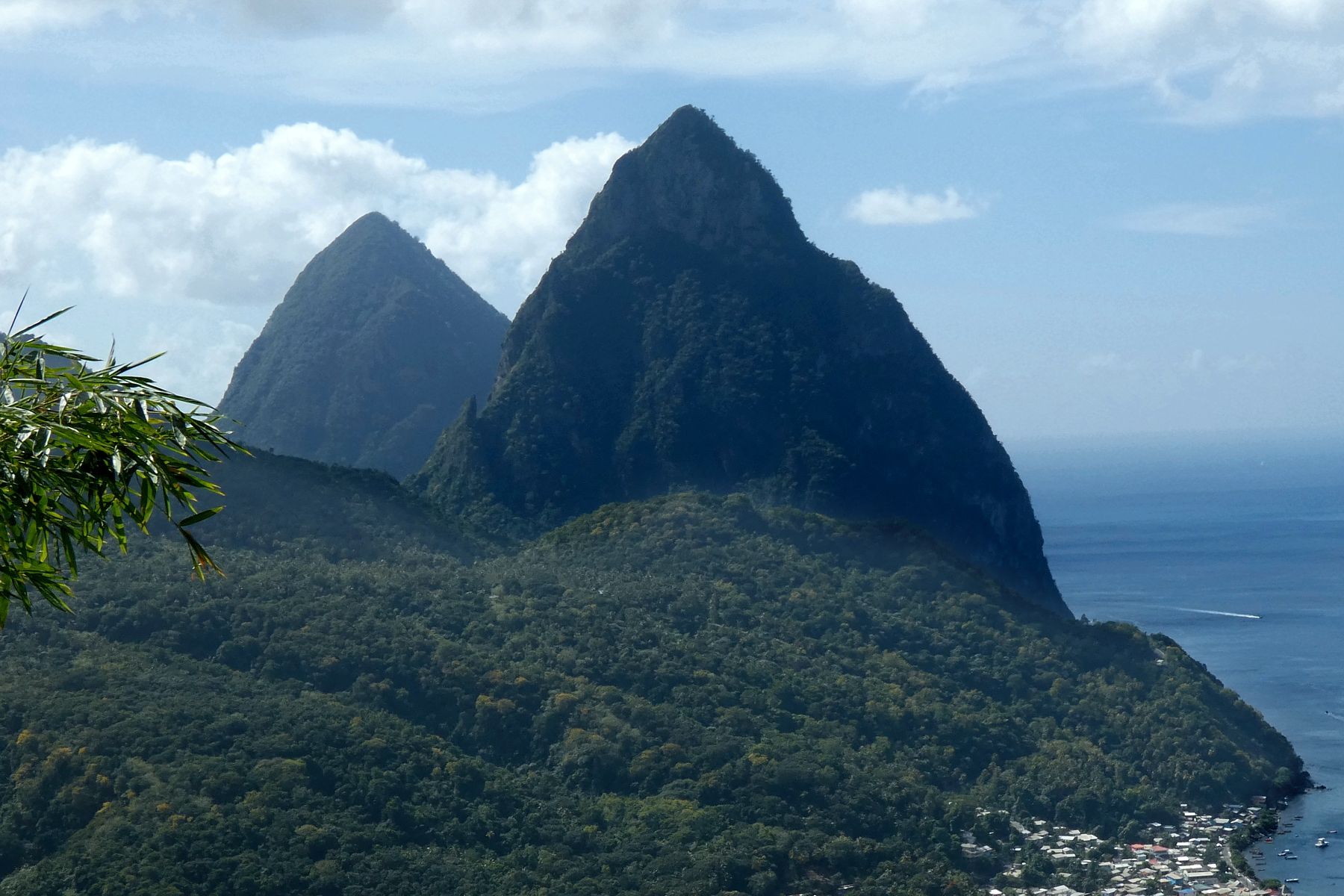
Photo: Rennboot, CC BY-SA 3.0 source
Flight8h 50m directfrom London Gatwick
Time4 hours behind the UK in winter, 5 hours in summer
Typical stay7 to 10 nights
CurrencyEastern Caribbean dollar (EC$); US dollars widely accepted
How we book itOperator package

Is it right for you?

Who Saint Lucia suits

A strong fit for

Honeymoons, couples and scenery.

We would think twice for

Anyone who dislikes long road transfers, because the island's most beautiful corner sits a mountainous ninety minutes from the airport, and the roads earn their reputation.

What we would want you to know

Roads and transfers can be winding and slow.

Our research-led view

We research Saint Lucia coast by coast, because here the coast decides the holiday: the Pitons in the south, the easy practicalities of the north, and a winding road between them that shapes every quote. This page draws on that research and our enquiry work.

We have not been here ourselves yet and will never pretend otherwise. This advice comes from the operator, mapping, hotel and transfer research we do for real enquiries.

Map and areas

Where to stay in Saint Lucia

1

Soufrière and the Pitons

HoneymoonsViewsWalkers

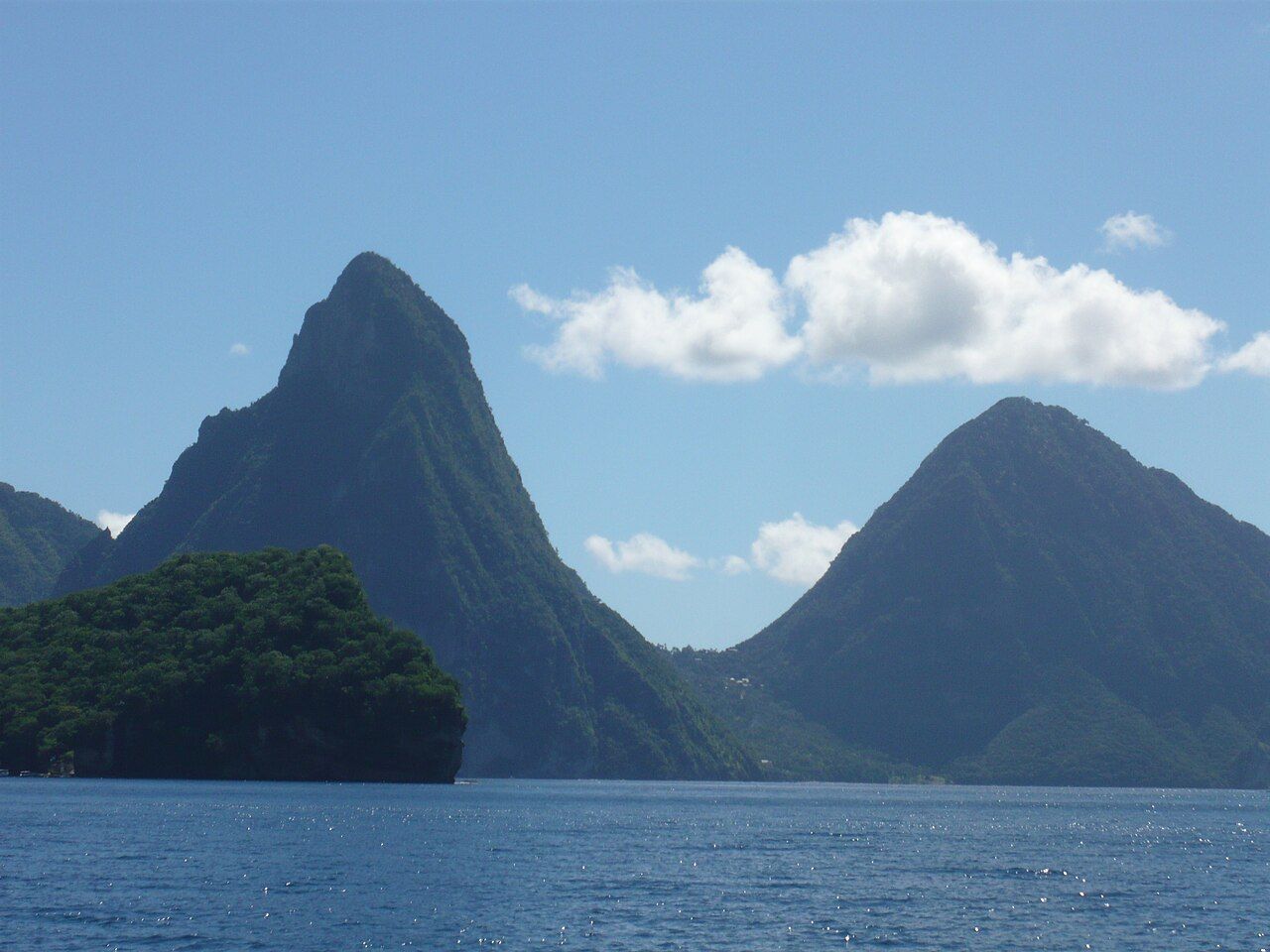
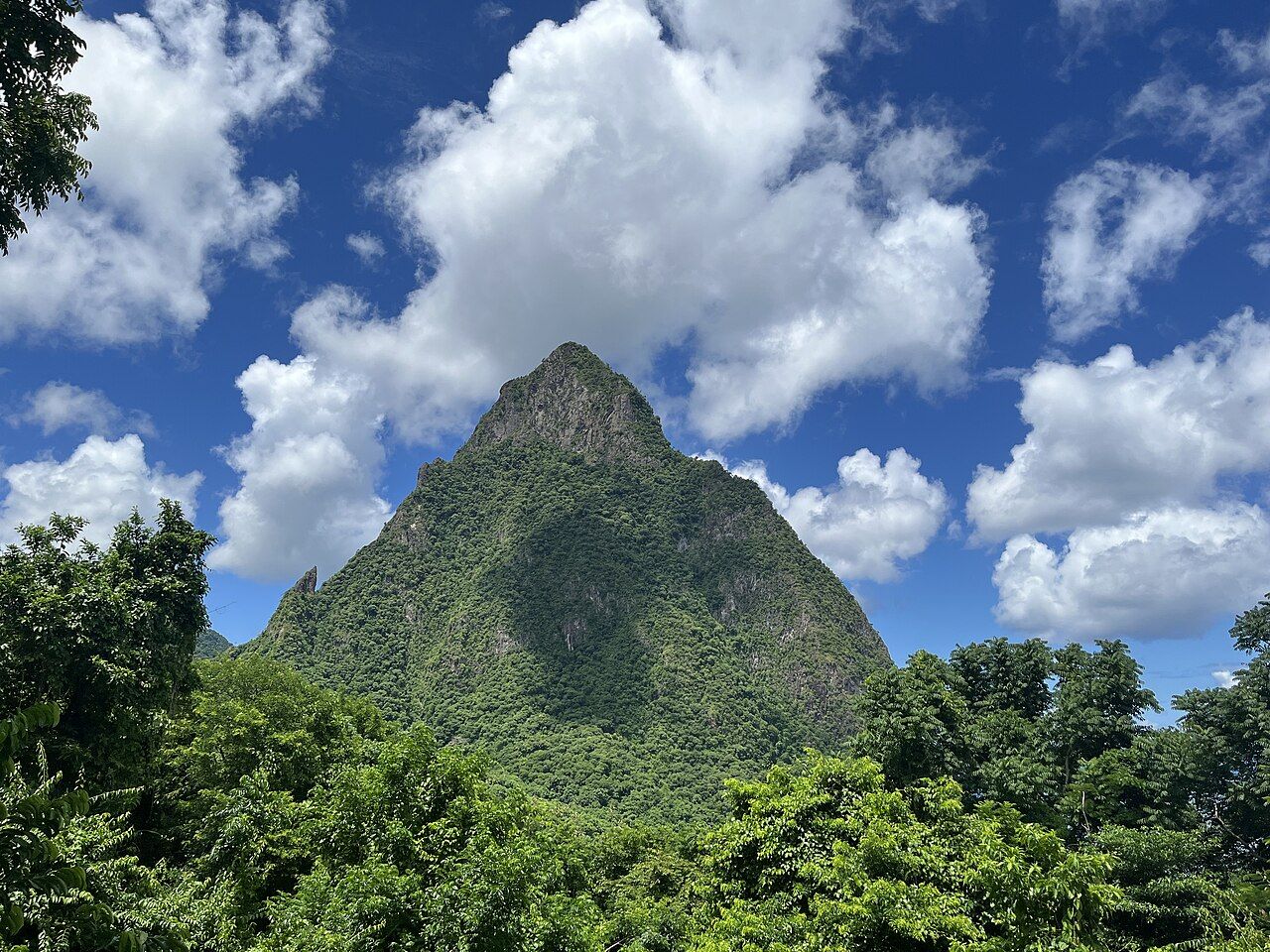
The island's most dramatic corner, where resorts are built into the slopes with the twin Pitons filling the view, and the sulphur springs, waterfalls and best snorkelling are close by. The catch is the long drive from either airport, steep paths inside many resorts and a small town with limited evening life.

about 48 min from UVF Open in Google Maps
2

Rodney Bay and Gros Islet

RestaurantsFamiliesNightlife

The practical north, with Reduit Beach, a marina, shops and the island's widest choice of restaurants and bars. Gros Islet's Friday street party is a short walk or taxi away. It lacks the Piton drama, but it is easier to get around and nearer the smaller airport.

about 1h 16m from UVF Open in Google Maps
3

Marigot Bay

SailingCouplesWaterside dining

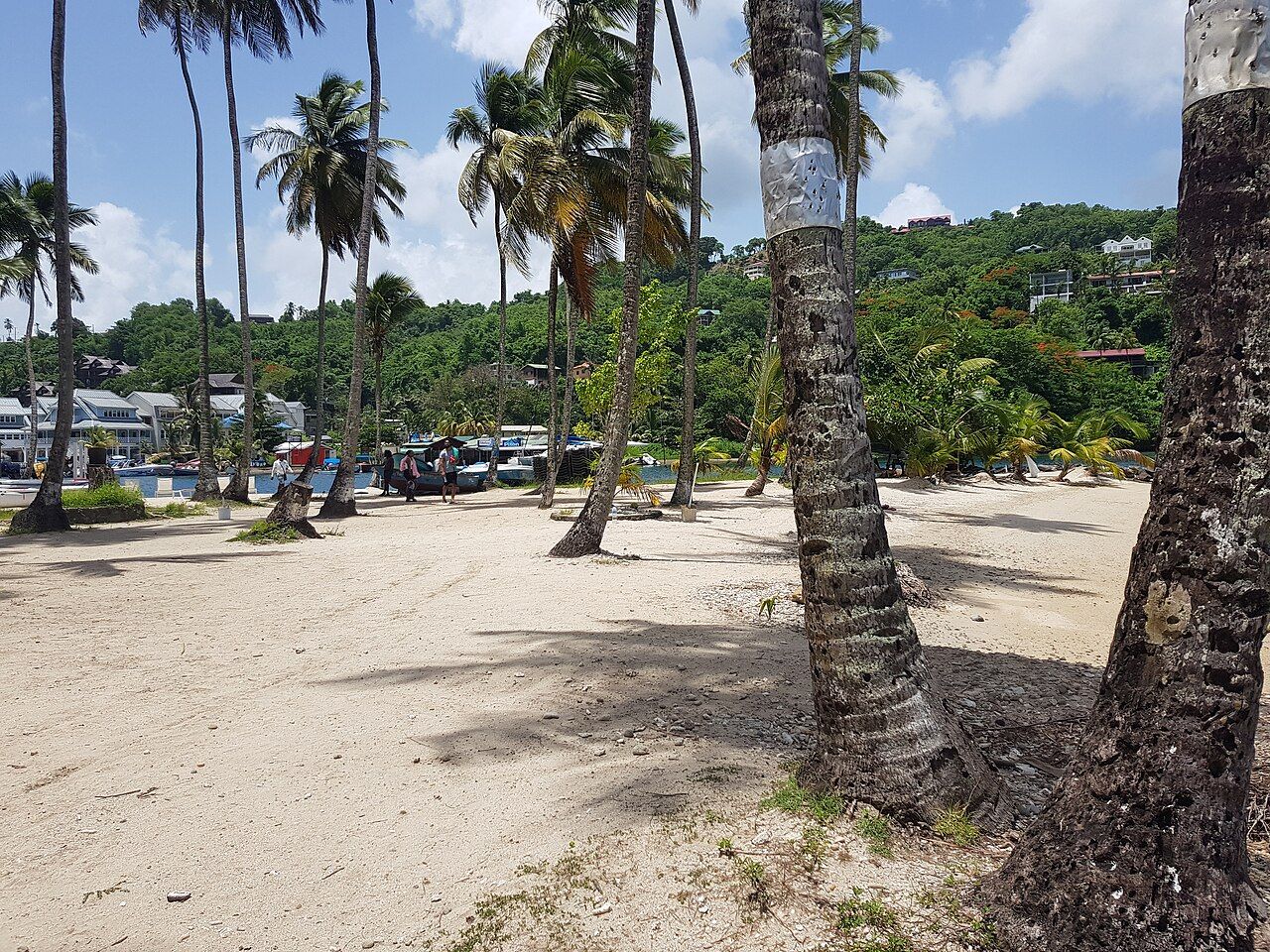
A deep, sheltered inlet on the west coast, fringed by palms and moored yachts, with a few hotels and waterside restaurants around the water. It sits between north and south, so both halves of the island are within reach. The beach is tiny, and a little ferry crosses to it.

about 1h 01m from UVF Open in Google Maps
4

Cap Estate and the northern tip

GolfVillasQuiet stays

The island's northern tip, with villas, a golf course and wild Atlantic beaches such as Cas-en-Bas for kitesurfing and riding. It is peaceful and close to Rodney Bay's restaurants. Swimming on the Atlantic side needs care, so most guests rely on pools or the calmer west coast.

about 1h 21m from UVF Open in Google Maps
5

Vieux Fort and the south east

Short transfersKitesurfingFamilies

The flat south, right beside Hewanorra airport, with the windswept beach at Anse de Sables and a small number of resorts. It is the easiest arrival on the island. The trade-off is distance from the Piton views and Rodney Bay's restaurants, and a breezier coast.

Weather and seasons

When to go to Saint Lucia

The dry months, roughly January to April, bring the clearest views of the Pitons and daytime highs of 29°C, with Christmas and February half term the busiest weeks. The island is steep and green because it rains, and from June the showers grow heavier, peaking in the autumn at around 196mm in October. Downpours are usually short, and the rainforest waterfalls are at their fullest then. Hurricane risk is highest from August to October. May, June and early December are the months we like for value, and Carnival lights up July.

Worth timing a trip around

22 February

Independence Day

Saint Lucia became independent in 1979, and the anniversary brings parades, church services and flags across the island.

July

Saint Lucia Carnival

Costumed bands, soca and calypso in Castries, building to the main parades in July. Rodney Bay hotels fill with visiting revellers.

Around the last Sunday in October

Jounen Kwéyòl

Creole Day celebrates the island's French Creole language and culture with food, music and national dress in chosen communities.

December

The ARC finishes at Rodney Bay

Yachts completing the Atlantic Rally for Cruisers arrive at Rodney Bay, giving the marina a festive, sociable feel through December.

13 December

National Day and the Festival of Lights

The feast of Saint Lucy, the island's namesake, with a lantern festival and lights in Castries around the day.

Daytime high to night-time low Sea temperature Rainfall
January: 92 mm of rainFebruary: 57 mm of rainMarch: 80 mm of rainApril: 93 mm of rainMay: 132 mm of rainJune: 149 mm of rainJuly: 174 mm of rainAugust: 235 mm of rainSeptember: 199 mm of rainOctober: 196 mm of rainNovember: 262 mm of rainDecember: 133 mm of rainJanuary: highs 29°C, lows 23°CFebruary: highs 29°C, lows 23°CMarch: highs 30°C, lows 23°CApril: highs 31°C, lows 24°CMay: highs 31°C, lows 25°CJune: highs 31°C, lows 25°CJuly: highs 31°C, lows 25°CAugust: highs 32°C, lows 25°CSeptember: highs 32°C, lows 25°COctober: highs 32°C, lows 24°CNovember: highs 31°C, lows 24°CDecember: highs 30°C, lows 23°CJanuary: sea 27°CFebruary: sea 27°CMarch: sea 27°CApril: sea 27°CMay: sea 28°CJune: sea 28°CJuly: sea 28°CAugust: sea 29°CSeptember: sea 29°COctober: sea 29°CNovember: sea 28°CDecember: sea 28°C29°23°J29°23°F30°23°M31°24°A31°25°M31°25°J31°25°J32°25°A32°25°S32°24°O31°24°N30°23°D
See the numbers
MonthHighLowSeaRain
January29°C23°C27°C92 mm
February29°C23°C27°C57 mm
March30°C23°C27°C80 mm
April31°C24°C27°C93 mm
May31°C25°C28°C132 mm
June31°C25°C28°C149 mm
July31°C25°C28°C174 mm
August32°C25°C29°C235 mm
September32°C25°C29°C199 mm
October32°C24°C29°C196 mm
November31°C24°C28°C262 mm
December30°C23°C28°C133 mm

Temperatures are 2015 to 2024 averages from NOAA records for George F L Charles Airport, 9 km away at 2 m. Rainfall is from the GPCC rain-gauge analysis (Deutscher Wetterdienst) for 2010 to 2019 and shows the typical (median) month, so one freak storm does not skew it. Sea temperatures: NOAA OISST, 1991 to 2020.

Sand, shingle and swimming

Beaches in Saint Lucia

Anse des Pitons

A pale sand beach set right between the two Pitons, fronted by a resort, though the beach itself is open to all. Calm, clear water, with snorkelling along the rocks.

Anse Chastanet

A dark sand beach north of Soufrière with a reef a few strokes from the shore, so snorkellers see coral and fish without a boat. Calm most days, and quiet once the day boats leave.

Reduit Beach

Rodney Bay's long, sandy beach with calm water, watersports and plenty of places for lunch. The easiest family beach on the island.

Anse Cochon

A secluded west coast bay reached mostly by boat, with calm water and good snorkelling along the rocks. Catamaran trips between north and south often stop here.

Anse de Sables

A long, windswept Atlantic beach near Vieux Fort, where steady winds have made it the island's kitesurfing centre. Fine for a swim on calm days, but more for sport than lounging.

Things to do

Things to do in Saint Lucia

AdventureA

Climbing Gros Piton

A steep, rocky guided climb up the larger Piton, with views across to Petit Piton from the top. Start early to beat the heat, wear sturdy shoes and carry plenty of water. Hard work, but no climbing skills needed.

NatureB

Sulphur Springs

Billed as a drive-in volcano, this steaming crater near Soufrière has warm mud pools where you coat yourself in grey mud and rinse off. Wear an old swimsuit, because the sulphur smell lingers.

NatureC

Diamond Falls Botanical Gardens

Tropical gardens around a mineral-stained waterfall, with mineral baths dating from French colonial times. A gentle outing and a good choice for a hot afternoon.

NatureD

Tet Paul Nature Trail

A short community-run trail near Soufrière with some of the closest views of both Pitons. Far easier than a summit climb, and ideal if you want the view without the effort.

HistoryE

Pigeon Island National Landmark

A former island joined to the mainland by a causeway, with the ruins of a British fort, two small beaches and views to Martinique on a clear day. An easy outing from Rodney Bay.

NightlifeF

Gros Islet Friday street party

Every Friday the fishing village's streets fill with grills, rum stalls and sound systems. Go early for the food and the local families, later for the dancing, and keep an eye on your belongings.

ShoppingG

Castries Market

The capital's covered market sells spices, cocoa sticks, hot sauces and crafts, with stalls serving local lunches. Saturday morning is the liveliest time, and it is calmer when no cruise ships are in.

WildlifeH

Edmund Forest Reserve

Guided trails through the central rainforest, where you may hear the Saint Lucia parrot, the national bird. Expect mud and steps; the Enbas Saut trail drops down to a pair of waterfalls.

Food and drink

What to eat and drink

  • Green fig and saltfish

    The national dish: green bananas, called figs here, boiled and served with salt cod cooked with onion and peppers.

  • Bouyon

    A thick, slow-cooked soup of meat or pigeon peas with dumplings, root vegetables and herbs. A meal in itself.

  • Accra

    Crisp saltfish fritters with herbs and pepper, sold hot at street parties and from roadside stalls.

  • Cocoa tea

    Grated local cocoa sticks simmered with milk, cinnamon, nutmeg and bay leaf. A warming breakfast drink that shows off the island's cocoa.

  • Piton beer

    The island's own light lager, named after the mountains and brewed locally. It is what the rum stalls and beach bars pour by default.

Money

What Saint Lucia costs

The view sets the price on Saint Lucia. Rooms facing the Pitons command a hefty premium, and the resorts built into the hillsides near Soufrière are among the Caribbean's dearest. The north around Rodney Bay gives a more conventional holiday for far less. Budget for the transfer too: a helicopter costs extra but turns a long, twisting drive into a short hop. Excursions are good value by comparison, and a guided Gros Piton climb or a day in the rainforest is money well spent.

Flights and transfers

Getting to Saint Lucia from the UK

Direct flights run from London year-round and seasonally from Manchester into Hewanorra in the south. The transfer is the island's catch: the famous resorts near Soufrière are a long, winding, beautiful drive away, and a boat or helicopter transfer is a genuine consideration rather than an indulgence.

Flights from UK airports

Hewanorra International UVF

  • ManchesterWith a connection, about 18h 05m
  • London HeathrowWith a connection, about 13h 45m
  • London GatwickDirect, about 8h 50m

Route check September 2026. Some routes are seasonal and schedules change, so we confirm the live options when we quote.

Practical details

Know before you go

Time

4 hours behind the UK in winter, 5 hours in summer

Currency

Eastern Caribbean dollar (EC$); US dollars widely accepted

Language

English; Kwéyòl (French Creole) widely spoken

Plugs

Type G (UK three-pin), 240V

Driving

On the left

Tap water

Treated and generally safe in the north and in hotels; bottled is sensible elsewhere and after heavy rain

Tipping

Many restaurants add a 10 percent service charge; if not, 10 to 15 percent is normal

Entry for British passport holders

Visa. No visa needed for stays of up to 6 weeks. Fill in the online immigration form no more than 3 days before you arrive.

Passport. Valid beyond the day you leave.

Summarised from the FCDO travel advice on gov.uk, checked 29 September 2026. Rules change: read the current entry requirements and the full travel advice before you go.

Questions we get asked

Saint Lucia FAQs

Is it better to stay in the north or south of Saint Lucia?+

For scenery, the south; for convenience, the north. Soufrière and the Pitons give the famous views and the most romantic hotels, but evenings are quiet and the drive is long. Rodney Bay has the beaches, restaurants and nightlife, and suits families and anyone who likes to wander out in the evening. Many couples split a week between the two.

Why is the transfer from Hewanorra airport so long?+

Because Hewanorra sits on the island's flat southern tip, while most hotels are up the west coast or in the north, and the road winds through mountains and villages. The drive to Soufrière is scenic but slow, and Rodney Bay is further again. A helicopter is the quick alternative, and some flights from other islands use the smaller airport near Castries.

Can you climb the Pitons?+

Gros Piton, yes, with a local guide from the village of Fond Gens Libres, and fit walkers can be up and down in half a day. Petit Piton is far steeper, with scrambling near the top, and it is not a climb we would suggest.

Does Saint Lucia have good beaches?+

Good, but not the long white sweeps of Antigua or Barbados. Reduit Beach in the north is the classic family beach, and the south has smaller coves, several with darker sand, where the snorkelling often beats the sunbathing. Choose Saint Lucia for scenery first and beaches second.

How long does it take to fly to Saint Lucia?+

Flights take about 8 hours 50 minutes from London Gatwick, landing at Hewanorra in the south. Plan the arrival day around the road journey that follows, because on this island it can add considerably to the day.

Does Saint Lucia work for families?+

It can, if you base yourselves in the north, where Reduit Beach is calm and sandy and there is more to do in the evenings. Many of the famous Soufrière resorts are adults-only or have steep grounds, so check both before falling for the view.

Your world, your way

Thinking about Saint Lucia?

Tell us roughly what you have in mind. We will compare the flights, hotels, routes and operators, explain the trade-offs and build the version that works for you.

Start your trip