Oman

Middle East · Touring guide

Oman

A calmer Gulf destination with dramatic landscapes and space beyond the hotel.

We’ve been hereCouplesLandscapesQuiet luxury
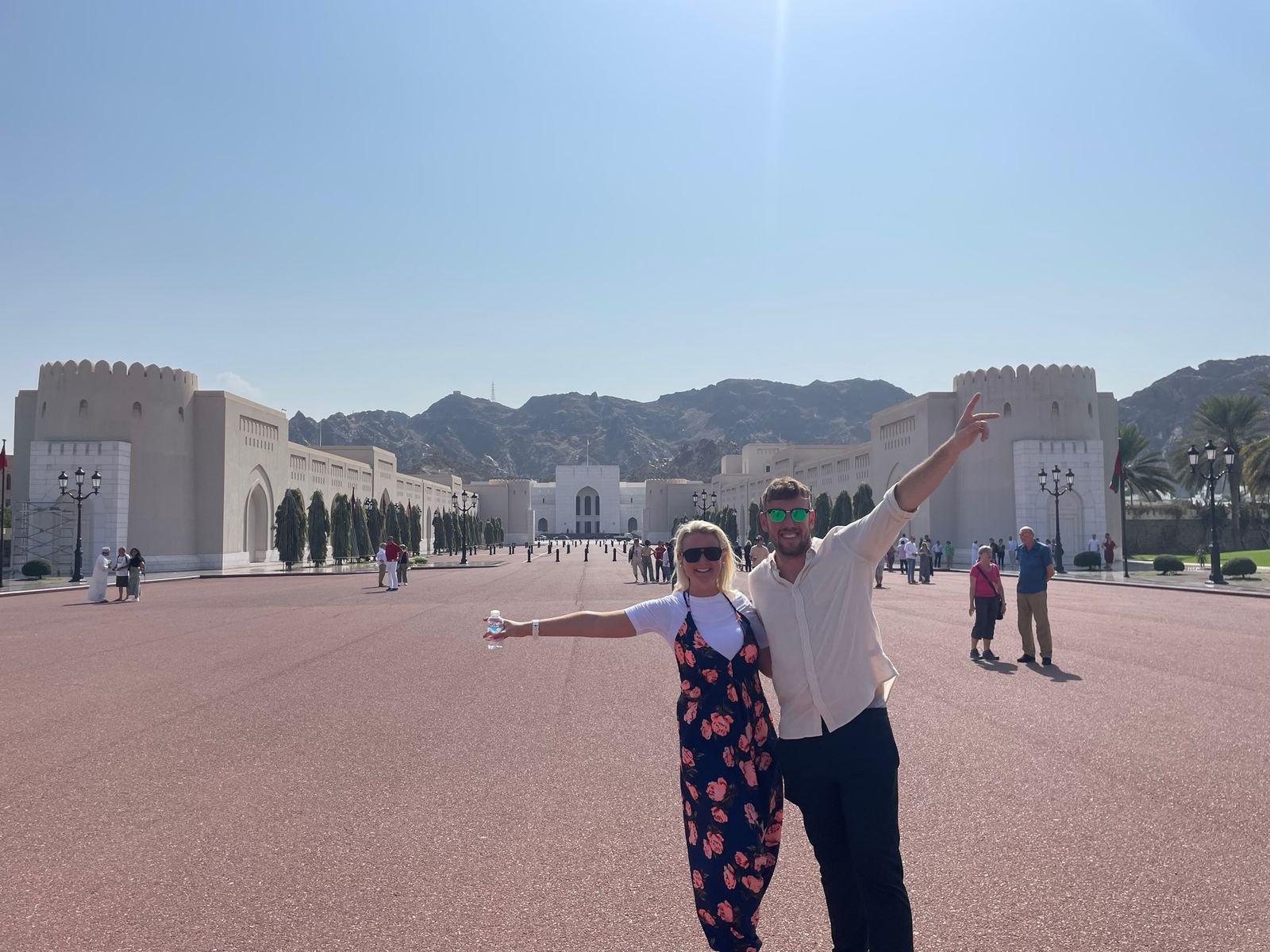
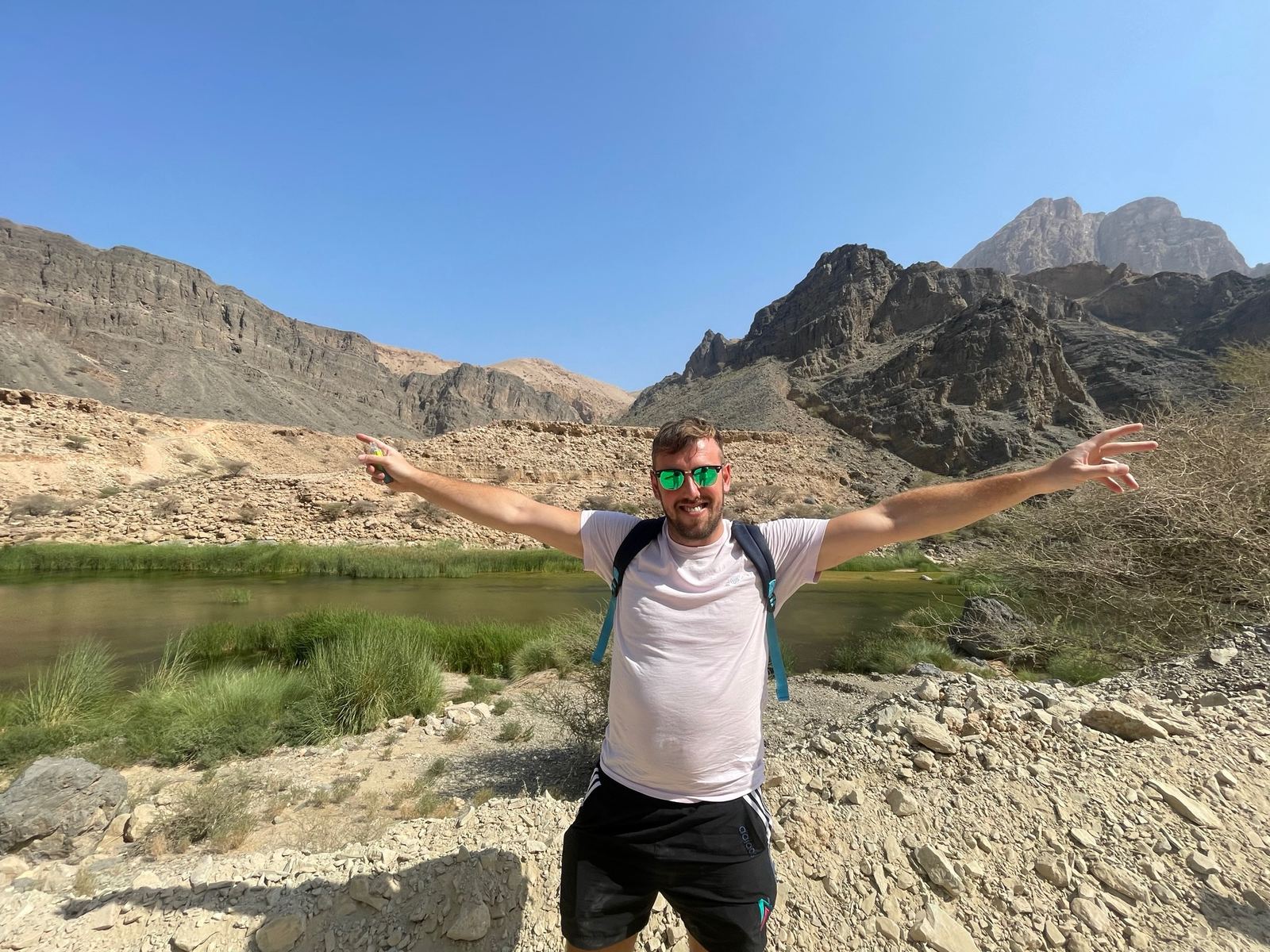
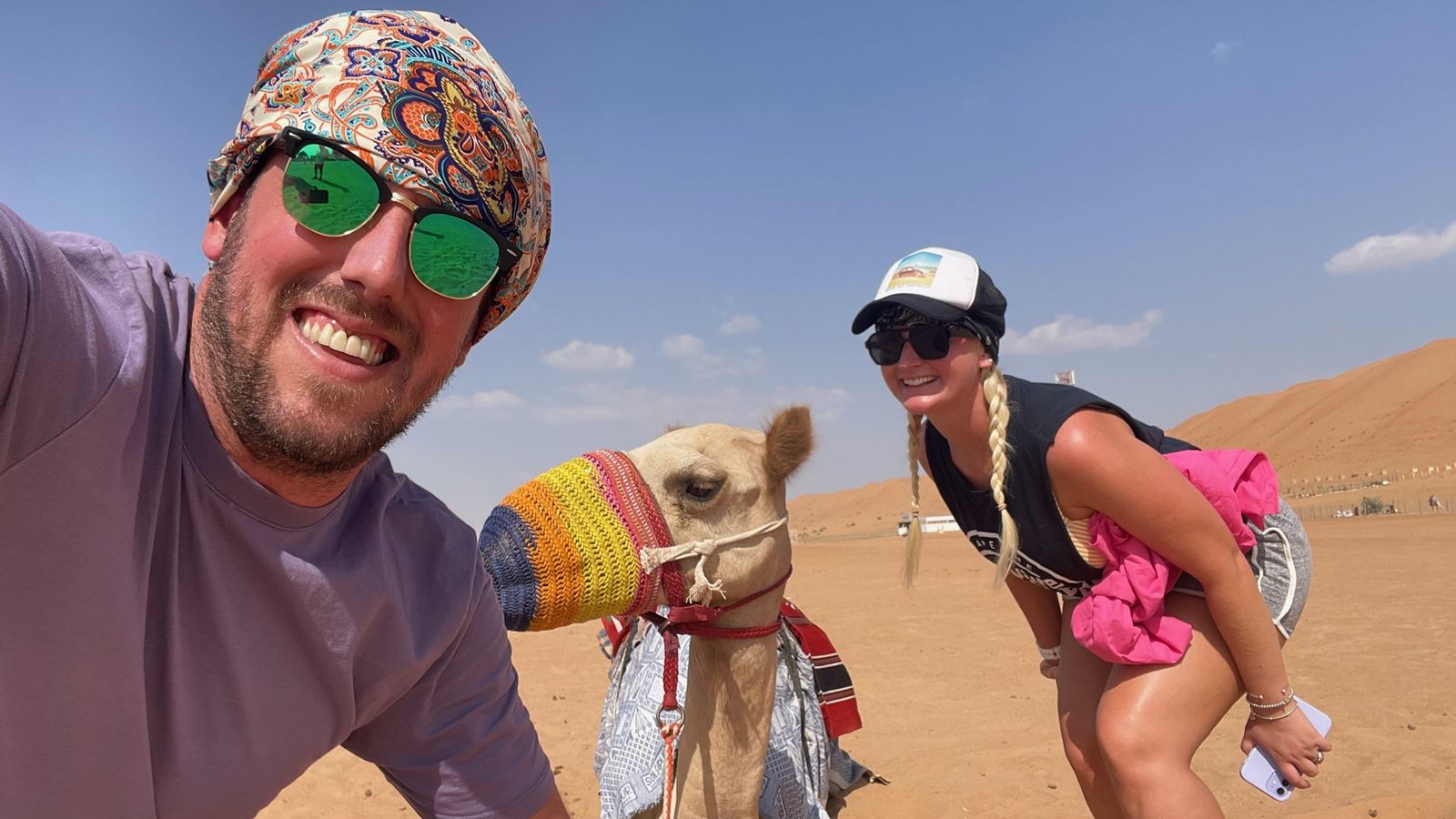
Photo: Si & Beth
Flight7h 10m directfrom London Heathrow
Time4 hours ahead of the UK in winter, 3 hours in summer
Typical stay7 to 10 nights
CurrencyOmani rial (OMR), divided into 1,000 baisa
How we book itBuilt by us

Is it right for you?

Who Oman suits

A strong fit for

Couples, luxury, touring and winter sun.

We would think twice for

Travellers wanting nightlife and buzz, because Oman is deliberately serene, and its evenings are stars, sea breeze and dinner rather than any kind of scene.

What we would want you to know

The best trips often need more than a simple resort transfer.

We’ve been here

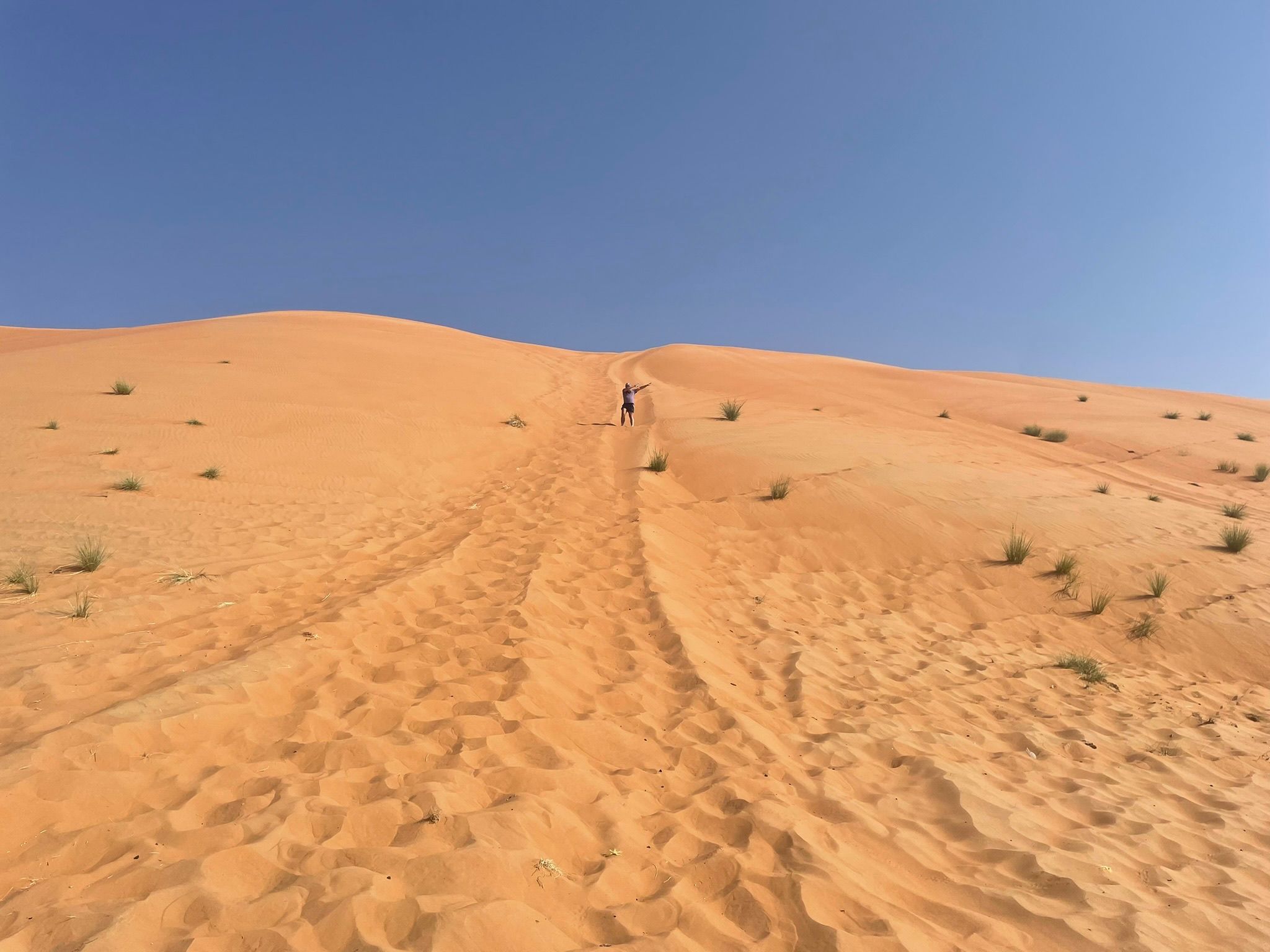
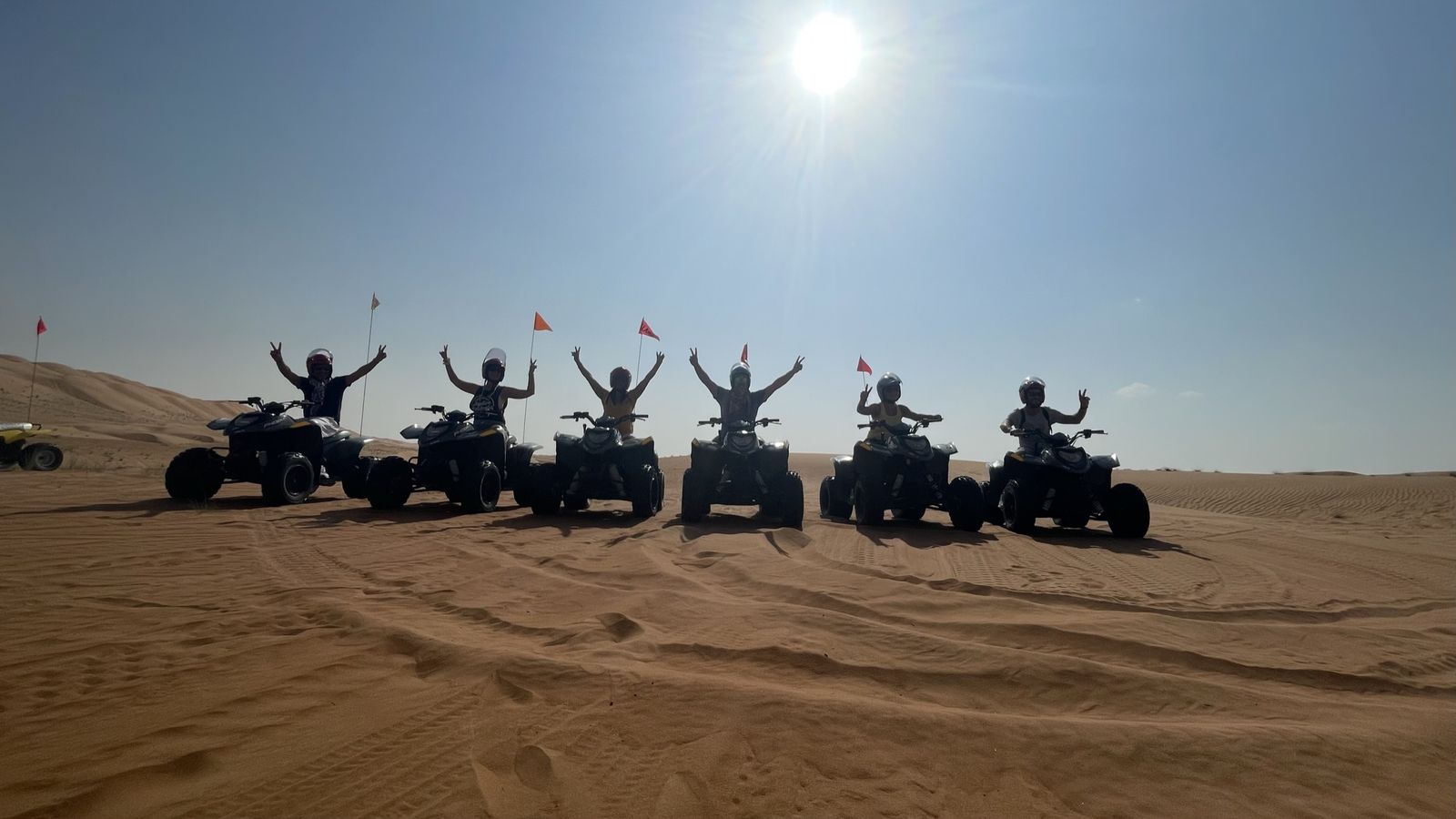
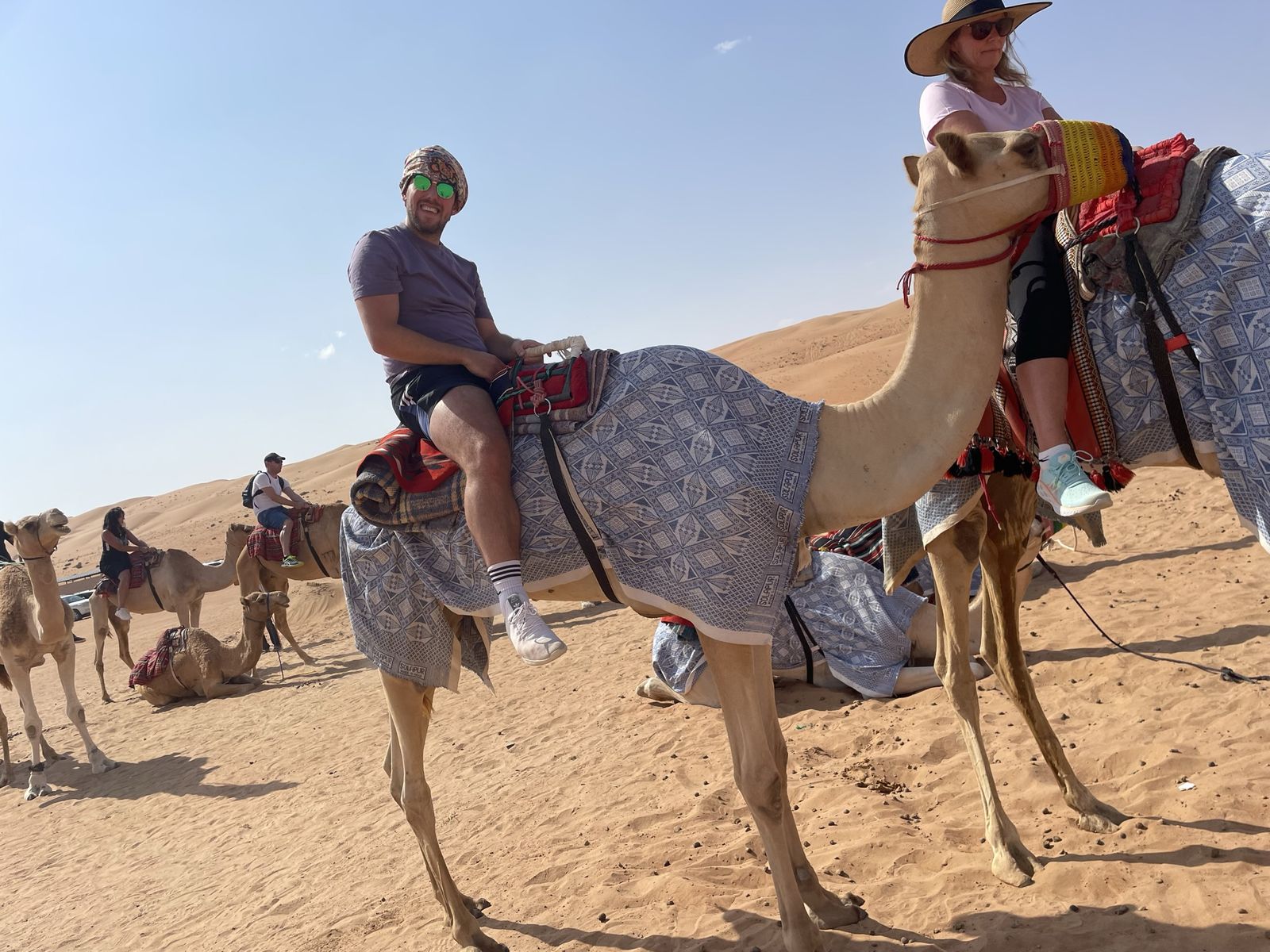
We have been to Oman ourselves, from Muscat and its Bawshar district out to Bidiyah and Al Qabil in the Sharqiyah, where the towns give way to the Wahiba Sands. That journey is why we pace Oman routes with care: the desert edge is a long drive from the capital, so it deserves a night of its own rather than a rushed return trip.

The route

City, mountains, sand and sea in ten nights

  1. Nights 1 to 3

    Muscat

    Ease in with the Grand Mosque on the first morning and Muttrah's souq and corniche as the light goes, then an evening at the Royal Opera House if the season is running. Two full days see the city without hurrying.

  2. Nights 4 and 5

    Jebel Akhdar

    Drive inland by way of Nizwa's fort and souk, early on a Friday if you want the livestock market, then climb through the checkpoint to the plateau for a walk along the village terraces and a cold, clear night.

  3. Night 6

    Wahiba Sands

    Cross the Sharqiyah by way of Wadi Bani Khalid for a swim, reaching camp in time to climb a dune for sunset, eat under the stars and leave after breakfast.

  4. Nights 7 and 8

    Sur and Ras al Jinz

    See the dhow yards in Sur, then join a ranger-led evening at the turtle reserve. The next day, walk and swim in Wadi Shab on the coast road north.

  5. Nights 9 and 10

    Muscat coast

    Finish with two lazy days at a beach resort in the coves south of the city, close enough to slip back to the souq for a last evening.

An idea to react to, not a fixed package. We shape the real thing around your dates, your pace and what the flights are doing that season.

Map and stops

The places on the route

1

Muscat

First nightsCultureGentle city life

A low-rise capital strung along the coast between jagged brown hills, where white buildings, a restored corniche and the old souq of Muttrah set a slower pace than the Gulf's glass cities. Hotels spread from Qurum's beach to the older districts, and taxis or a driver link them, since the city is long and thin. Evenings mean dinner and a stroll rather than bars.

2

Nizwa

FortsMarketsMountain gateway

The old capital of the interior, set among date gardens where the plain meets the mountains, with a fort, a souk and the UNESCO-listed fort at Bahla close by. It makes a good night between Muscat and the high plateau. Hotels are simple and mostly out on the main road, so it works better as an overnight stop than a base.

3

Jebel Akhdar

Cool airWalkingTerraced villages

The Green Mountain's plateau, far cooler than the coast, where villages cling to terraces of pomegranates, walnuts and roses above deep gorges. A police checkpoint on the climb admits only four-wheel-drive vehicles, so a hire car must be a 4x4 or you travel with a driver. Hotels are few and in demand, some perched on the canyon edge, and winter nights are cold.

4

Wahiba Sands

Desert nightsStarsA change of pace

Rolling dunes of red and honey-coloured sand, also called the Sharqiya Sands, rising beyond the towns of Bidiyah and Al Qabil. Camps range from simple tents to air-conditioned cabins a short drive into the sand, where tyres are let down for the soft tracks, and many will collect you from the road if your car is not a 4x4. One night suits most people.

5

Sur and Ras al Jinz

TurtlesDhow heritageCoast road

A seafaring town of whitewashed houses and a lagoon, with yards where wooden dhows are still built by hand and the turtle beaches of Ras al Jinz a short drive east. Hotels are mostly plain, so plan it as an overnight stop on the route rather than a beach break. The coast road back to Muscat passes Wadi Shab and the Bimmah sinkhole.

6

Muscat coast

Beach finishCouplesFamilies

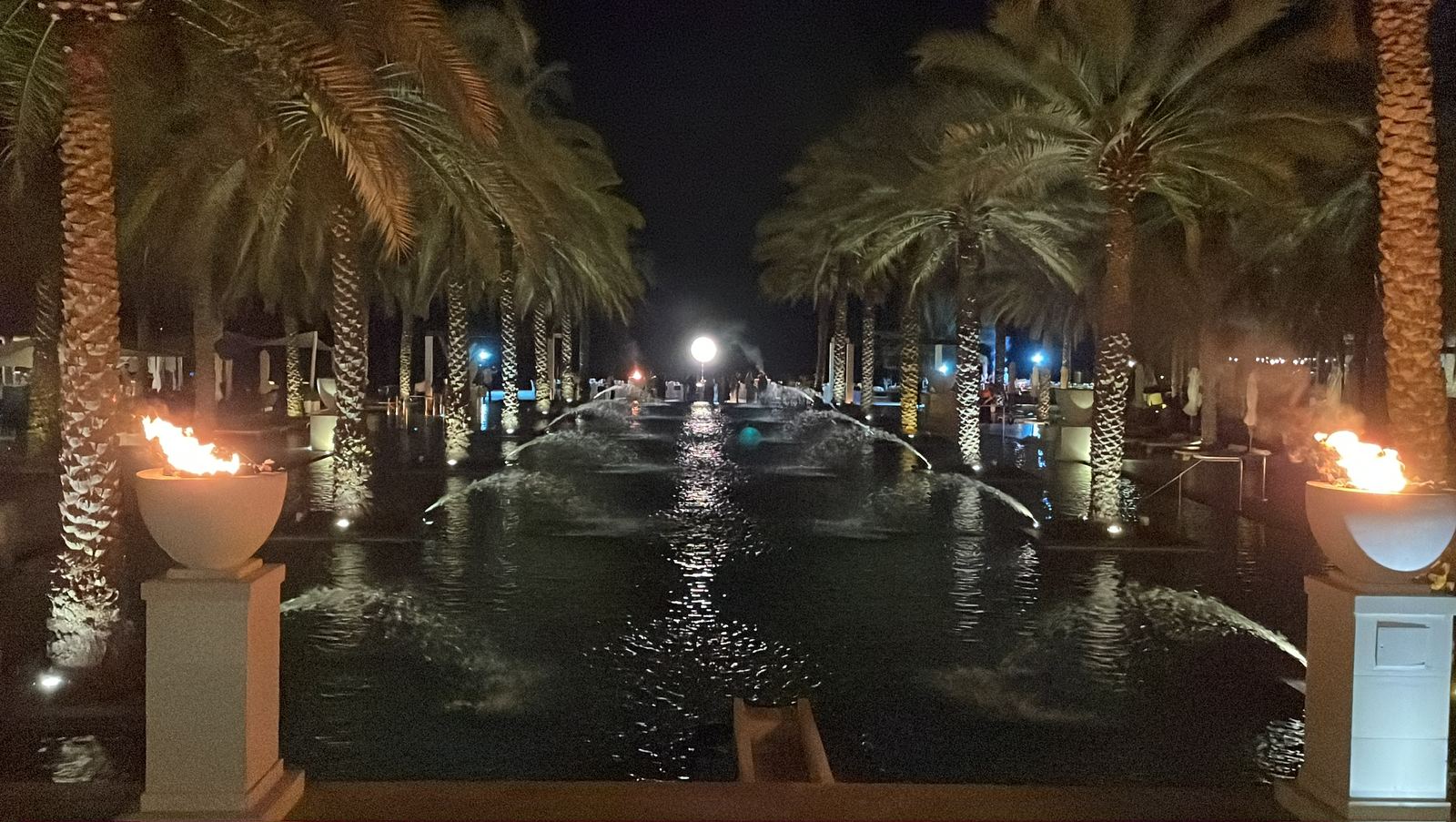
South-east of the old town the mountains drop straight into the sea in a string of coves, several of them home to large resorts with sheltered beaches and boat jetties. It is the natural place to end a tour with a few days of doing very little. The resorts are self-contained and a taxi ride from the souq, so dinner is usually in the hotel.

7

Musandam

Sea inletsDramatic sceneryAdd-on from Dubai

Oman's northern exclave, separated from the rest of the country by the UAE, where bare mountains plunge into long sea inlets known locally as khors. Khasab is the small base, with a handful of hotels, and most visitors stay a night or two and spend the days on the water. It is usually reached by road from Dubai or Ras Al Khaimah, with a border crossing on the way.


Weather and seasons

When to go to Oman

Muscat's touring season runs from mid-October to early April. January is the gentlest month, when the capital's afternoons reach about 26°C and nights fall to 17°C, while up on Jebel Akhdar winter nights can drop close to freezing, so pack a fleece. By June the capital averages 40°C and the interior is hotter still, which makes long days in forts and wadis hard going. The far south runs on a different clock: from late June to early September the khareef monsoon wraps Salalah's hills in drizzle and mist, turning them green, and Gulf families arrive in their thousands. Winter rain is rare but can send flash floods through the wadis, so never drive into running water.

Worth timing a trip around

Usually January and February

Muscat Nights

A winter festival spread across the capital's parks, with food stalls, concerts, heritage displays and fireworks, busiest at weekends when Omani families come out after dark.

Late March and April

Rose harvest on Jebel Akhdar

Damask roses bloom on the terraces around the mountain villages, and families distil rosewater over wood fires in the traditional way. Petals are picked at dawn, so early risers see the most.

Late June to early September

Khareef season in Salalah

The south-west monsoon brings drizzle and mist to Dhofar, turning the hills around Salalah green and filling waterfalls while the rest of Arabia bakes. Gulf families flock here, so rooms go early.

Daytime high to night-time low Sea temperature Rainfall
January: 5 mm of rainFebruary: 8 mm of rainMarch: 3 mm of rainApril: 2 mm of rainMay: 4 mm of rainJune: 0 mm of rainJuly: 0 mm of rainAugust: 0 mm of rainSeptember: 0 mm of rainOctober: 2 mm of rainNovember: 10 mm of rainDecember: 1 mm of rainJanuary: highs 26°C, lows 17°CFebruary: highs 27°C, lows 19°CMarch: highs 30°C, lows 22°CApril: highs 35°C, lows 26°CMay: highs 39°C, lows 30°CJune: highs 40°C, lows 31°CJuly: highs 37°C, lows 31°CAugust: highs 36°C, lows 29°CSeptember: highs 36°C, lows 28°COctober: highs 34°C, lows 25°CNovember: highs 31°C, lows 22°CDecember: highs 27°C, lows 18°CJanuary: sea 24°CFebruary: sea 23°CMarch: sea 24°CApril: sea 27°CMay: sea 30°CJune: sea 31°CJuly: sea 31°CAugust: sea 31°CSeptember: sea 30°COctober: sea 30°CNovember: sea 28°CDecember: sea 25°C26°17°J27°19°F30°22°M35°26°A39°30°M40°31°J37°31°J36°29°A36°28°S34°25°O31°22°N27°18°D
See the numbers
MonthHighLowSeaRain
January26°C17°C24°C5 mm
February27°C19°C23°C8 mm
March30°C22°C24°C3 mm
April35°C26°C27°C2 mm
May39°C30°C30°C4 mm
June40°C31°C31°C0 mm
July37°C31°C31°C0 mm
August36°C29°C31°C0 mm
September36°C28°C30°C0 mm
October34°C25°C30°C2 mm
November31°C22°C28°C10 mm
December27°C18°C25°C1 mm

Temperatures are 2015 to 2024 averages from NOAA records for Seeb Intl, 10 km away at 15 m. Rainfall is from the GPCC rain-gauge analysis (Deutscher Wetterdienst) for 2010 to 2019 and shows the typical (median) month, so one freak storm does not skew it. Sea temperatures: NOAA OISST, 1991 to 2020.

Things to do

Things to do in Oman

CultureA

Sultan Qaboos Grand Mosque

Oman's great mosque of pale sandstone and marble, with a vast hand-woven prayer carpet and gardens that are cool in the early morning. Non-Muslim visitors are welcome only in the morning, Saturday to Thursday, dressed modestly with arms and legs covered and a headscarf for women.

ShoppingB

Muttrah Souq and Corniche

A warren of covered lanes behind the harbour, scented with frankincense and selling silver, pashminas and curved khanjar daggers. Bargaining here is gentle and good-humoured. Many shops close in the early afternoon and on Friday mornings, so come late in the day and walk the corniche at sunset.

MusicC

Royal Opera House Muscat

A white stone opera house in Shati al Qurum that stages opera, ballet and concerts through the cooler months. Daytime tours show off the carved wood and marble inside, and performances have a dress code, so pack something smart.

HistoryD

Nizwa Fort and Friday market

The seventeenth-century fort's great round tower looks out over a sea of palms, and the souk beside it sells pottery, halwa and silver. On Friday mornings farmers auction goats and cattle in a ring nearby; arrive early, as it winds down well before noon.

NatureE

Jebel Shams and the Balcony Walk

Oman's highest mountain looks down into a canyon so deep it is nicknamed the Grand Canyon of Arabia. The Balcony Walk follows a ledge below the rim to an abandoned village; the path is rocky and exposed, so take water and good boots, and skip it if you dislike heights.

AdventureF

Wadi Shab

A short boat crossing starts a walk up a gorge to turquoise pools, where you swim on to a cave with a waterfall inside. Wear water shoes and modest swimwear, bring a dry bag, and avoid Fridays and Saturdays, when it fills with families.

On the waterG

Wadi Bani Khalid

Pools of clear green water that last all year, shaded by palms and reached by a paved path from the car park, so it is the easy wadi for families and anyone who cannot manage a scramble. Swim in shorts and a T-shirt out of respect for the village.

WildlifeH

Ras al Jinz Turtle Reserve

Green turtles haul up this beach to nest in every month of the year, most of all in summer. Rangers lead small groups at night and again before dawn, with no torches or flash allowed, and places are limited, so book ahead.

Day tripsI

Dhow trip in Musandam

Traditional dhows cruise the khors from Khasab between cliffs that fall straight into the sea, often with dolphins alongside, pausing near Telegraph Island, a Victorian British telegraph station. Most people come on a trip from Dubai or Ras Al Khaimah, so allow time for the border.

Food and drink

What to eat and drink

  • Shuwa

    Lamb or goat rubbed with spices, wrapped in leaves and slow-cooked for a day or more in an underground pit, the centrepiece of Eid feasts. Outside the holidays, look for it at Omani restaurants in Muscat.

  • Omani halwa

    A glossy, sticky sweet of sugar, ghee, rosewater and saffron, stirred for hours in copper pots and served to guests with bitter cardamom coffee. Nizwa and Muttrah sell it by the tub.

  • Mishkak

    Skewers of marinated beef or chicken grilled over charcoal at street stalls after dark, brushed with a tangy sauce and eaten standing up.

  • Mashuai

    A whole kingfish, spit-roasted or grilled and served with lemony rice, a favourite along the coast.

  • Khubz rakhal

    Paper-thin Omani bread cooked on a hot iron plate and eaten at breakfast with honey, cheese or eggs.

Money

What Oman costs

Oman is not a cheap country to tour. Hotels are few and priced with confidence, and the best mountain and desert lodges fill early in winter, so it is availability rather than the season that sets the rate. Most of the budget goes on the touring nights and the transport between them. A driver-guide costs more than a hire car, but brings the forts to life and handles the mountain checkpoint and the sand tracks, whereas self-drivers need a 4x4 for at least part of the route.

Flights and transfers

Getting to Oman from the UK

Direct flights connect Heathrow with Muscat; from the northern airports it is one stop through the Gulf. Oman also pairs elegantly with Dubai, an easy drive or short hop away, for travellers who want both faces of the Gulf in one trip.

Flights from UK airports

Muscat International MCT

  • ManchesterWith a connection, about 9h 40m
  • London HeathrowDirect, about 7h 10m
  • London GatwickWith a connection, about 9h 15m

Route check September 2026. Some routes are seasonal and schedules change, so we confirm the live options when we quote.

Practical details

Know before you go

Time

4 hours ahead of the UK in winter, 3 hours in summer

Currency

Omani rial (OMR), divided into 1,000 baisa

Language

Arabic; English is widely spoken in hotels and in the capital

Plugs

Type G, the same three-pin plug as the UK, 240V

Driving

On the right

Tap water

Desalinated and treated in Muscat, but bottled water is the norm, especially inland

Tipping

Not expected; around 10 percent for good restaurant service, and a tip for guides and drivers is appreciated

Entry for British passport holders

Visa. No visa needed for stays of up to 14 days. Longer stays need a visa, best applied for online before you travel.

Passport. Valid for at least 6 months after you arrive.

Summarised from the FCDO travel advice on gov.uk, checked 29 September 2026. Rules change: read the current entry requirements and the full travel advice before you go.

Questions we get asked

Oman FAQs

Do you need a 4x4 in Oman?+

Only for parts of a typical route. The main roads are excellent, and an ordinary car copes with Muscat, Nizwa and the coast road. The police checkpoint below Jebel Akhdar admits only 4x4s, and desert camps sit on soft sand, although many will meet you at the road. A driver-guide removes the question altogether.

Is a week long enough for Oman?+

Just about. A week covers the classic loop of three nights in Muscat, two in the mountains, one in the desert and one near Sur, but ten nights adds beach days at the end and takes the rush out of the driving. With only a week, we drop the coast stop rather than cut the mountains short.

Is there a dress code for visitors in Oman?+

There is no formal law for tourists, but Oman is conservative and dressing modestly is expected outside resorts. Cover shoulders and knees in towns, souks and villages, swim in shorts and a T-shirt in the wadis, and keep swimwear for hotel pools and beaches. The Grand Mosque requires arms and legs covered and a headscarf for women.

When is the khareef in Salalah?+

Roughly late June to early September, when the monsoon brings drizzle, mist and cooler air to the Dhofar hills and turns them green. It is a spectacle rather than beach weather: the sea is rough, and swimming is unsafe. From October to April, Salalah switches to dry, sunny winter weather.

Can you combine Oman with Dubai?+

Yes, and the contrast makes a good trip. The simplest pairing is a few nights in Dubai before or after an Oman tour. The drive between the two cities fills the best part of a day, border crossing included, and one-way car hire across the border is costly, so we usually arrange a driver or separate cars on each side.

Can you swim in the wadis?+

Yes, in the permanent pools of Wadi Shab and Wadi Bani Khalid, which are among the highlights of a trip. Wear shorts and a T-shirt rather than swimwear, take footwear you can wade in over the rocks, and never go when rain is forecast in the mountains, because flash floods arrive without warning.

What is the flight time to Muscat?+

About 7 hours 10 minutes from London Heathrow. The time difference is four hours in the British winter and three in summer, and a gentle first night in Muscat is a better start than driving straight into the mountains.

Your world, your way

Thinking about Oman?

Tell us roughly what you have in mind. We will compare the flights, hotels, routes and operators, explain the trade-offs and build the version that works for you.

Start your trip